English
 Français
 Türkçe
 Español
 Русский

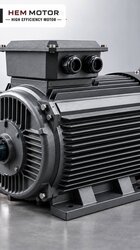
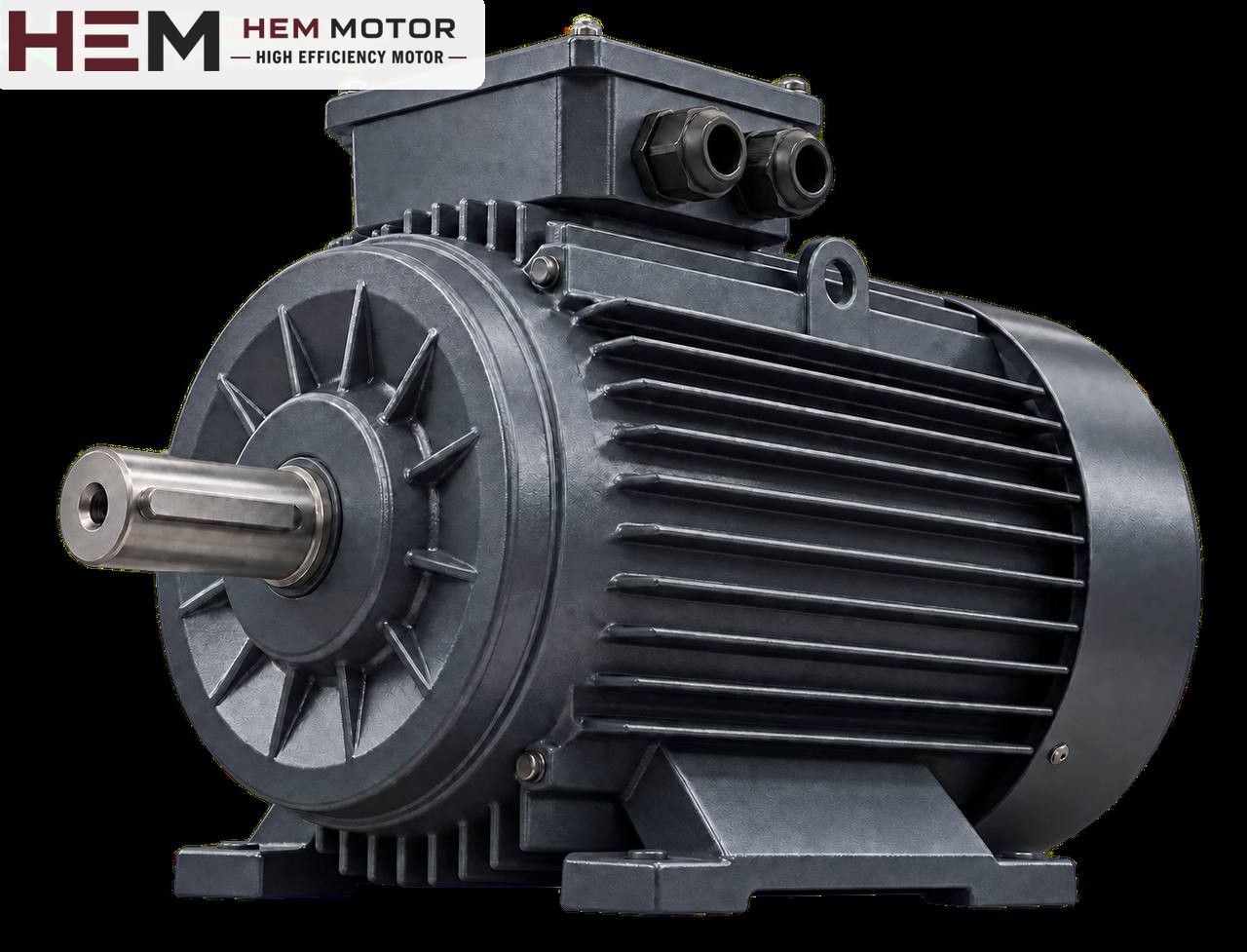

When replacing a jockey pump motor, the power is kept the same as on the old motor's nameplate; the two issues that really need attention are mounting compatibility and how many times per hour the pump switches on. A jockey pump is the auxiliary pump that makes up small pressure losses in a fire protection system, and it runs frequently. On a jockey pump that keeps burning out motors, the problem is often not the motor's power but a leak in the system or a wrongly set pressure switch.
The jockey pump's job and what it means for the motor
Fire pump sets usually include a main pump, a standby pump and a jockey pump. The jockey pump keeps the system at a set pressure at all times. When pressure drops slightly because of small leaks in the sprinkler line, leaks from valve seals or temperature changes, the jockey switches on, raises the pressure again and stops. The main pump therefore only runs when there is a real demand for water.
For the motor, this duty means:
- The power is small; jockey pumps mostly run with 2-pole motors of a few kW.
- Running time is short and the number of starts is high. The motor may start dozens of times a day.
- The pump is often a vertical multistage type; the motor is flange-mounted to the lantern, shaft down.
Note: The design, pump selection and approval of a fire protection system are matters for the authorised designer and the relevant regulations. This article only describes the technical checks to make when replacing the motor of an existing jockey pump.
Power: keep the nameplate value, do not upsize
The power of a jockey pump motor is selected so that the pump produces the required pressure at low flow. When replacing, keep the power and speed on the old motor's nameplate. Increasing the power does not make the jockey pump "stronger"; the pump produces the same pressure with the same impellers. Changing the number of poles, on the other hand, directly changes the pressure and upsets the set's settings.
If the nameplate is unreadable, look at the power and speed on the pump's own nameplate. If the pump nameplate is missing too, the pump model should be checked with the manufacturer; do not order on the basis of guesswork.
Mounting: checklist for a vertical flange connection
On most jockey pumps, the motor sits on top of the pump with the shaft facing down. When replacing, compare the following points with the old motor:
- Flange type: Is the flange seating on the lantern a B5 (large) or B14 (small)? The spigot diameter and bolt circle must be exactly the same.
- Shaft diameter and length: The coupling hub must fit the new shaft exactly; the key size is checked.
- Vertical operation: The motor must be ordered as suitable for vertical (V1, shaft down) operation. In vertical mounting, bearing loads and rain/drip protection differ from horizontal mounting.
- Terminal box orientation: If the cable to the set's control panel is short, the orientation of the terminal box matters; note its position on the old motor.
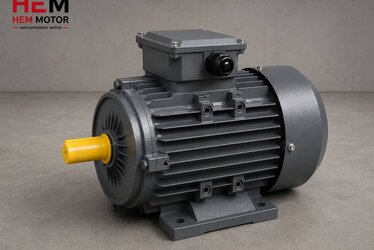
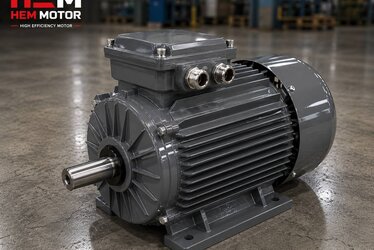
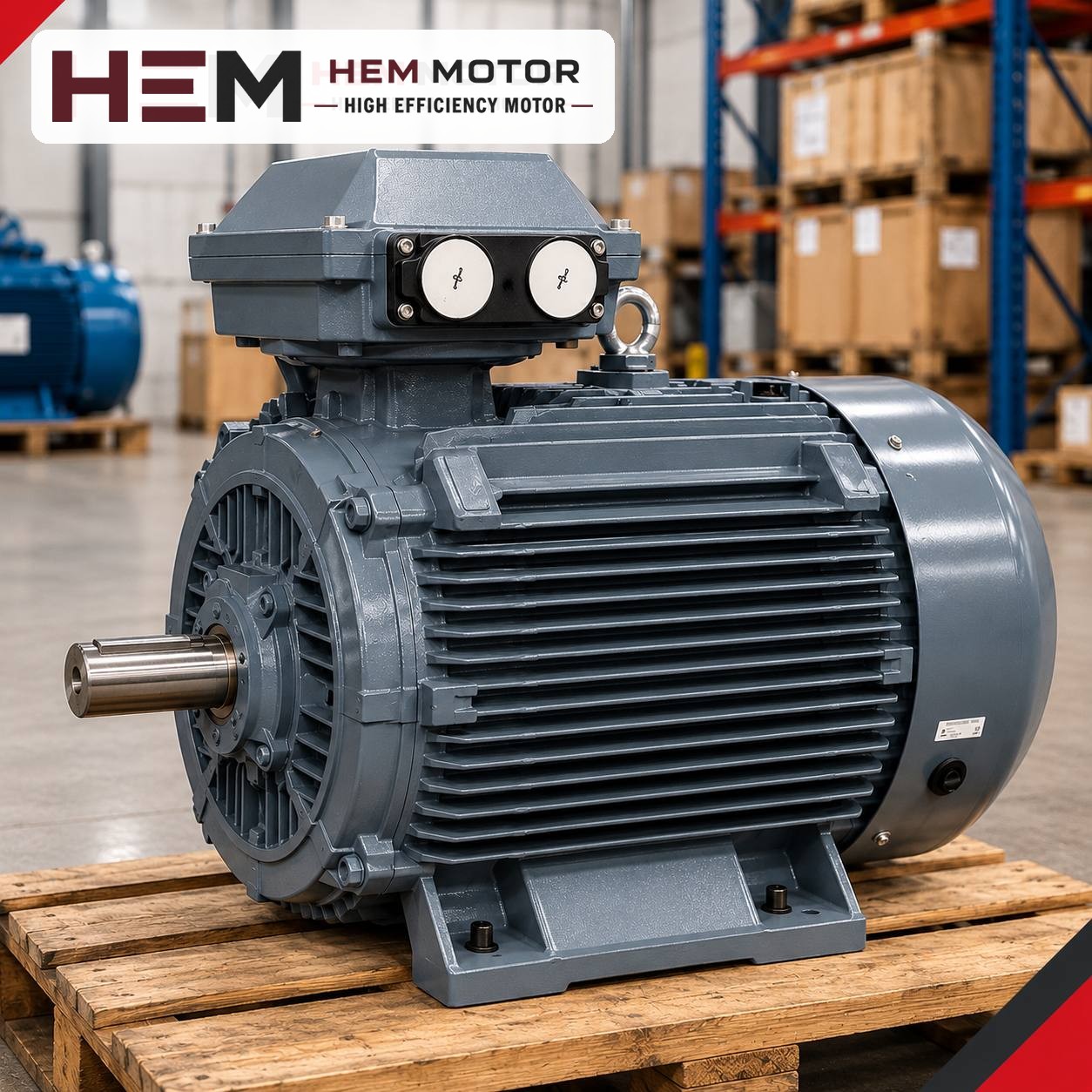
At HEM Motor, B3, B5, B14, B34, B35 and vertical V1/V3/V5/V6/V15 mounting arrangements are offered according to the frame; the flange size is confirmed with the order. Details of shaft-down mounting are in our vertical mounting article, and the mounting options in the mounting arrangements question.
Operating frequency: what really wears the motor
An asynchronous motor draws several times its rated current at start. On a jockey pump these starts are repeated often, and each one adds heat to the winding. If the motor cannot cool down enough between two starts, the winding temperature rises step by step. The result is premature ageing of the insulation and motors that burn out "for no reason".
The main factors that determine a jockey pump's operating frequency are:
| Factor | Symptom | What to do |
|---|---|---|
| Leak in the system | The pump runs at regular intervals even at night | Valves, seals, test line and drain points are checked |
| Narrow pressure switch differential | The pump runs very briefly and stops | The difference between cut-in and cut-out pressures is set according to the set manufacturer's instructions |
| Leaking check valve | Pressure drops quickly when the pump stops | The check valve is cleaned or replaced |
| No minimum run time | Start and stop within seconds | Check whether the panel has a minimum run timer |
| No pressure tank or a faulty one | Starts even at small pressure changes | If fitted, the tank's pre-charge pressure and membrane are checked |
If one of these factors is present, the new motor will wear in the same way. Having the system checked when replacing the motor prevents a second failure shortly afterwards.