 English
 Français
 Türkçe
 Español
 Русский

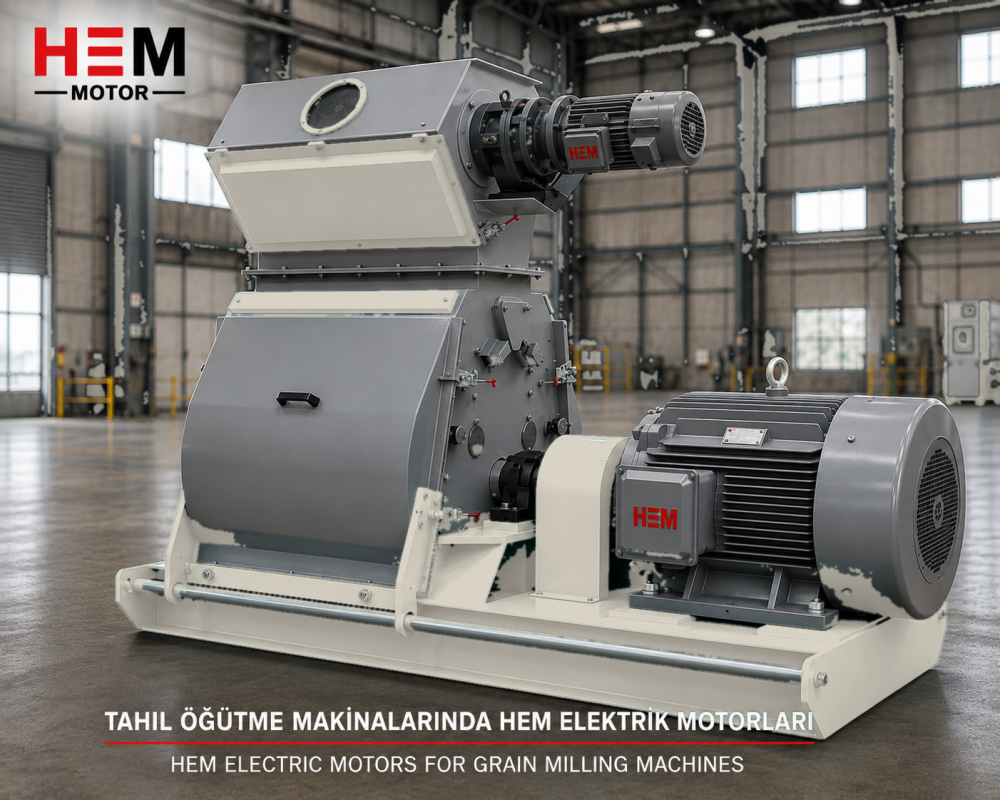
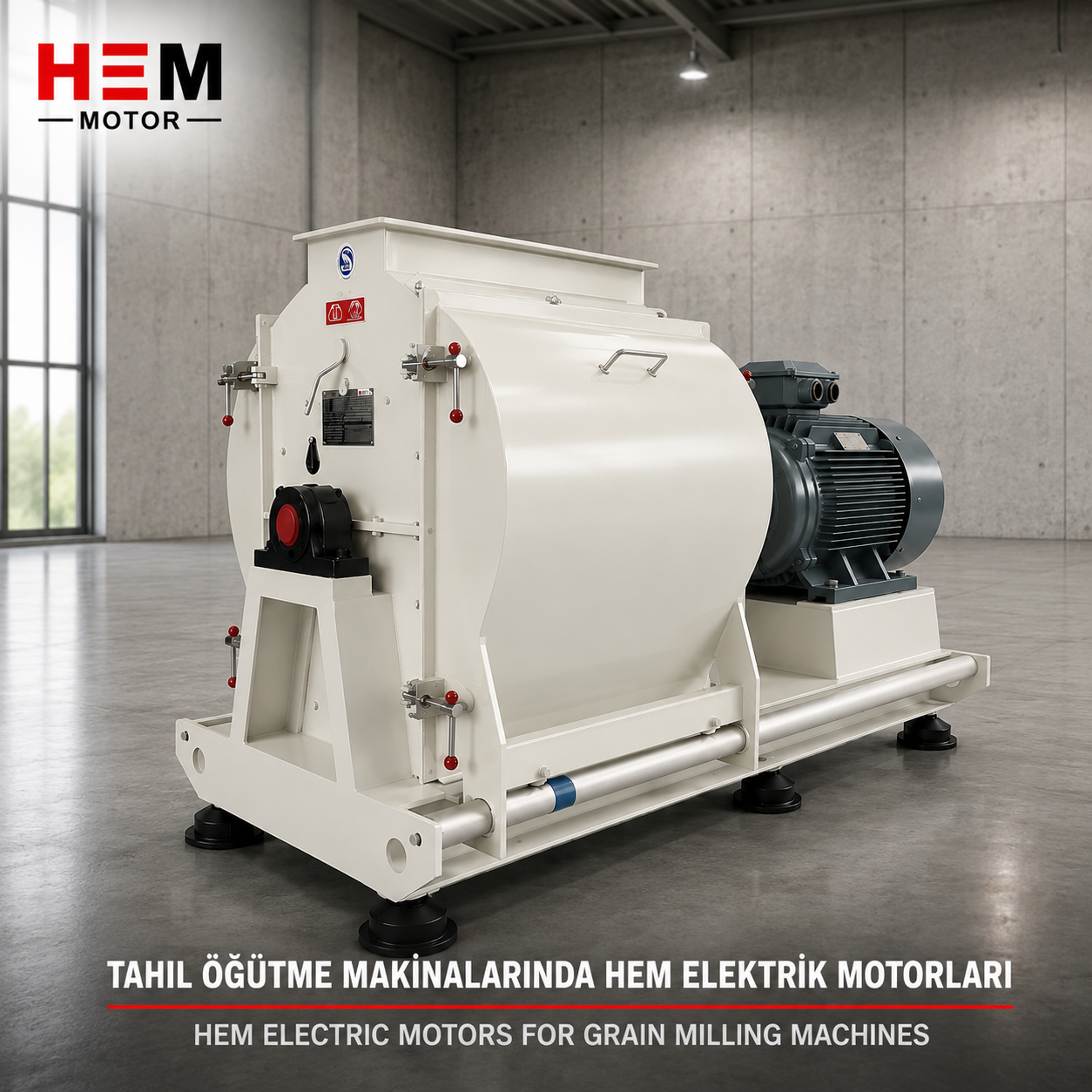
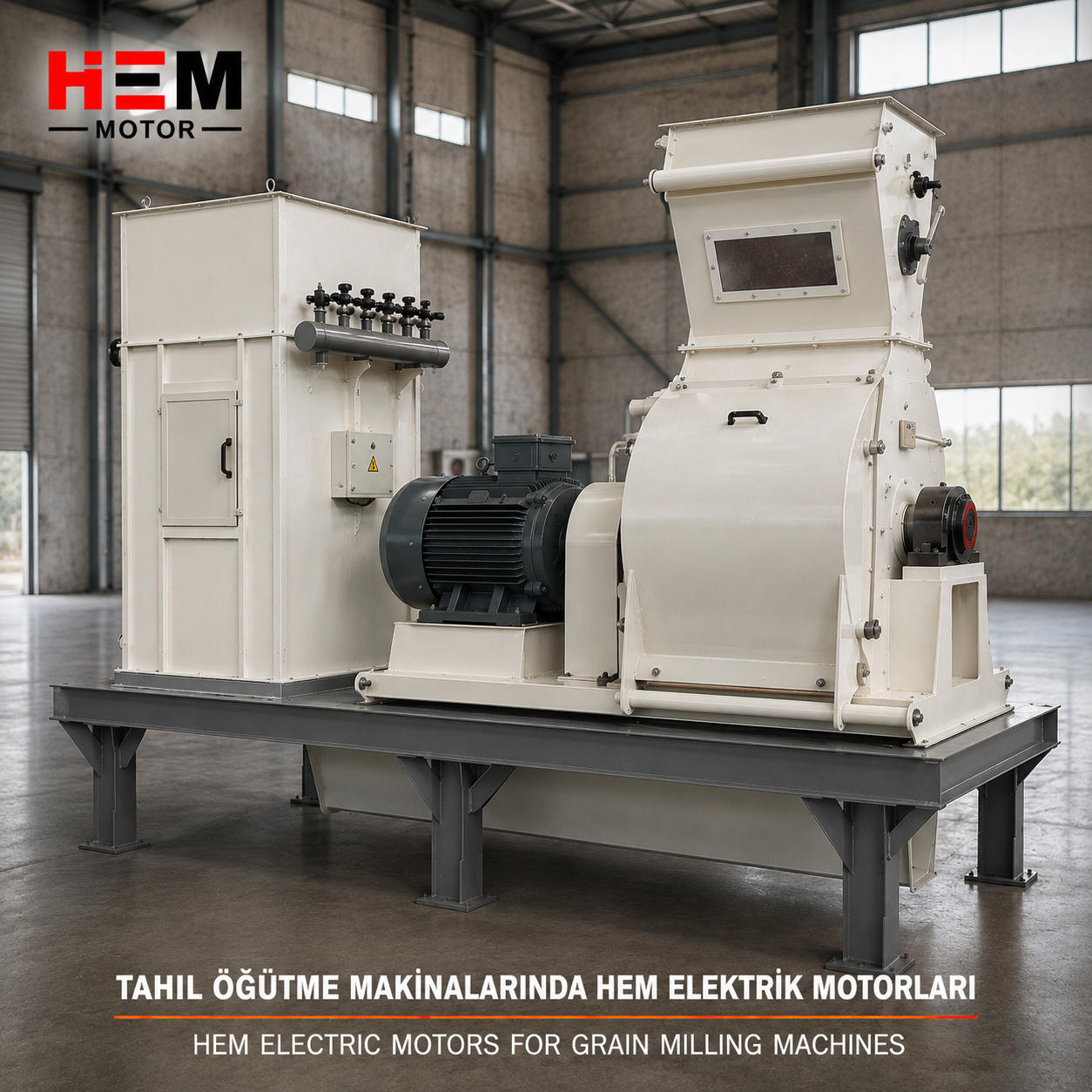
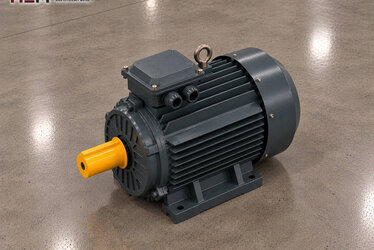
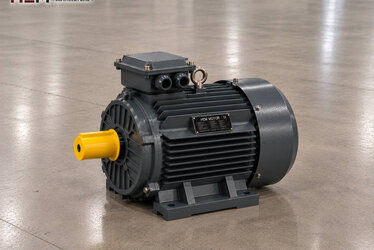
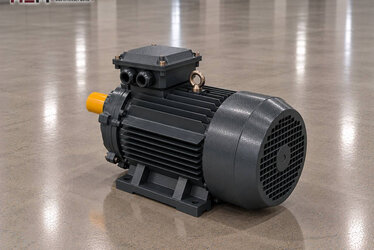
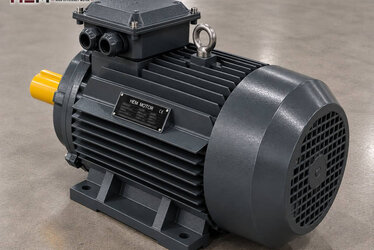
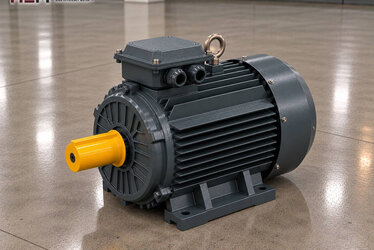
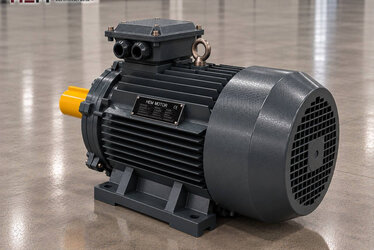
A flour mill is a long chain of machines linked by pipes and elevators, from the silo that receives wheat to the bag. The grain is first cleaned and tempered, then broken down step by step on the roller mills, sifted on the plansifter, the semolina is separated on the purifier and the product is finally packed. Between these operations, pneumatic conveying and dust extraction never stop. This page describes the motor side of the mill as a whole; the details of each machine are on its own sub-page.

Motors Along the Mill Flow
Cleaning section: Separators, stoners, indented cylinders and scourers free the wheat from foreign matter. It contains loads ranging from eccentric shaking to a slowly turning cylinder; details are on the Grain Cleaning Machine Motor page.
Roller mills: This is where the real milling work is done. Pairs of rolls turning at different speeds break and reduce the grain; rollers are usually the group that draws the most power in the mill. The Flour Roller Mill Motor page covers this topic.
Sifting: The plansifter separates the product by fineness with a circular gyrating motion of its suspended box; the Plansifter Motor page describes the motor on the gyrating box. The machine that separates semolina from bran with air and sieves is covered on the Semolina Purifier Motor page.
Air and dust: Pneumatic conveying fans and aspiration fans carry product and collect dust; the Flour Mill Aspiration Fan Motor page explains the motors of these fans.
Packing: Dosing screws, bag filling and sewing drives are on the Flour Packing and Dosing Motor page. For bulgur plants with a similar flow, we also have a Bulgur Mill Motor page.
A Plant That Runs for Weeks Without Stopping
Flour mills often run three shifts a day, for weeks without stopping. What matters in a mill motor is therefore not a short peak, but the ability to turn at the same load for long periods without overheating. Most of the load is concentrated in the roller mills and air fans, which run at an almost constant load. Cleaning and sifting machines are small in power but large in number.
On a mill line, machines are interlocked: when an elevator or roller mill stops, the machines before it must also stop, or the pipes choke. This sequential operation determines the starting and stopping order of the motors and the design of the control panel. Restarting with full pipes after a choke is when conveyor motors are under the most strain.
Speed, Belts and Floor Layout
Roller mills and plansifters are usually belt-driven; the motor stands on the floor below or on a base next to the machine. Four-pole motors in the 1,500 rpm class are common here, with the pulley ratio setting the machine speed. The side load that belt tension puts on the shaft should be checked for bearing life. On aspiration and pneumatic conveying fans, two-pole motors in the 3,000 rpm class are frequently seen.
Elevator heads and screws use geared drives; flange-mounted (B5, B14) or foot-and-flange (B34, B35) designs can be chosen for them. On gyrating machines like the plansifter, the motor's position is a separate matter and a vertical arrangement may be needed. These mounting arrangements are offered according to frame size; flange and shaft dimensions are settled at the order.
Flour Dust and Protection
Flour dust is fine and light; it fills the gaps between the motor fins and the inside of the fan cover. An IP55 frame prevents dust from reaching the winding, but build-up on the outer surface reduces cooling. Cleaning motor surfaces should be added to the mill maintenance plan. In areas where flour dust can form an explosive mixture, the plant's zone classification applies; a standard motor is not designed for such a zone, and if this requirement exists it must be stated in the order.
A PTC or PT100 sensor to monitor winding temperature on roller and fan motors running at steady load for long periods, and an anti-condensation heater for motors under silos that stay cold in winter, can be added with the order.
Where Does Speed Control Make Sense?
On aspiration and pneumatic conveying fans, the air demand changes with product and season; reducing speed with a frequency inverter instead of throttling the damper is a common method on these fans. On dosing screws and roller feed rolls, speed control also regulates the flow. Our three-phase motors can be supplied from a drive; if full torque is needed for long periods at low speed, we look together at whether an external fan is needed, and if the cable from drive to motor is long, whether a filter is needed. Simply include this information when you ask for a quote.
Example Motors by Mill Section
| Section | Nature of the load | Value to check | Example HEM model |
|---|---|---|---|
| Roller mill drive | Continuous, belt-driven | Roll length, passage | 18.5 kW 180M-4 (1,470 rpm) |
| Aspiration / pneumatic fan | Continuous, power changing with speed | Air flow and pressure | 22 kW 180M-2 (2,955 rpm) |
| Plansifter | Gyrating box | Box weight, speed | 2.2 kW 100L1-4 (1,450 rpm) |
| Elevator head | Lifting, full start | Height, capacity | 7.5 kW 132M-4 (1,460 rpm) |
| Indented cylinder / cleaning | Slow cylinder, geared | Cylinder speed | 4 kW 132M1-6 (968 rpm) |
The models are given as examples; the final choice depends on the machine load, required speed, mounting arrangement and operating conditions.
What to Write in Your Quote Request
Send us the machine type (roller mill, fan, plansifter, elevator, screw, etc.), the required power and speed, the supply voltage, the mounting arrangement, whether it will be belt-driven or geared, and the quantity. If you are replacing a motor, a photo of the motor nameplate shortens the process.
You can see list prices in our shop and reach us by WhatsApp and phone through the contact page. For the fans in the mill see our fan and extractor motors page, and for grinding and mixing the feed machinery electric motors page.
Frequently Asked Questions
At what speed is a roller mill motor chosen?
Because roller mills are mostly belt-driven, a four-pole motor in the 1,500 rpm class is common; the roll speed is set by the pulley ratio. The power given by the machine maker should be the basis.
How often should motors in a flour mill be cleaned?
It depends on the plant's dust load. They should be cleaned when a dust layer begins to form on the fan cover and fins; adding this to the periodic maintenance plan is the best approach.
Can a frequency inverter be used on an aspiration fan?
Yes. On fans the power demand falls quickly as speed drops, so an inverter is a common solution for air adjustment. State the operating mode in the order.
Why is the plansifter motor considered separately?
The motor may sit on or inside the gyrating box and is exposed to constant vibration. The mounting position and connection should be clarified in the order according to the machine maker's drawing.
Which motor is used on small stone mills?
Small stone mills use low-power four- or six-pole motors with belts. If no three-phase supply is available, our single-phase series (0.18–5.5 kW) can be considered.

