English
 Français
 Türkçe
 Español
 Русский
 العربية

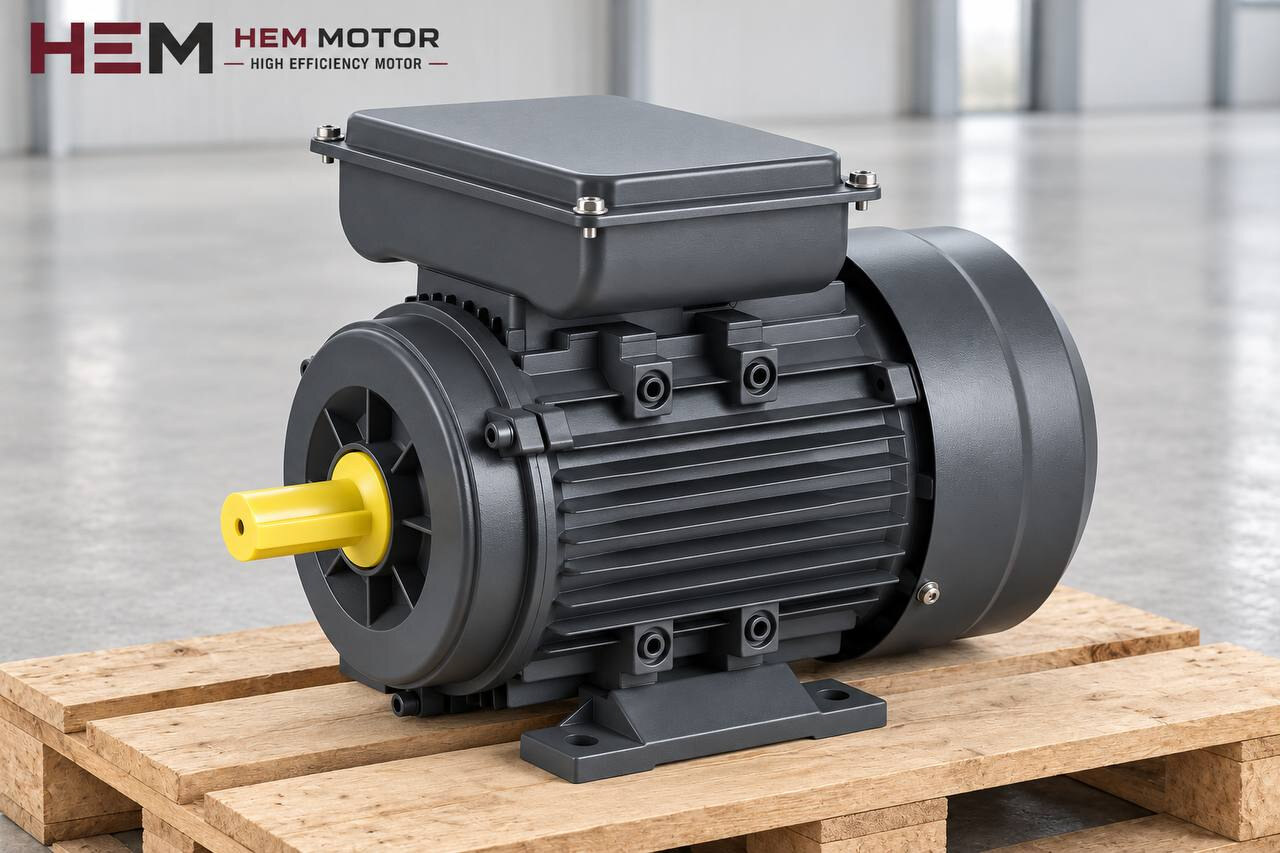
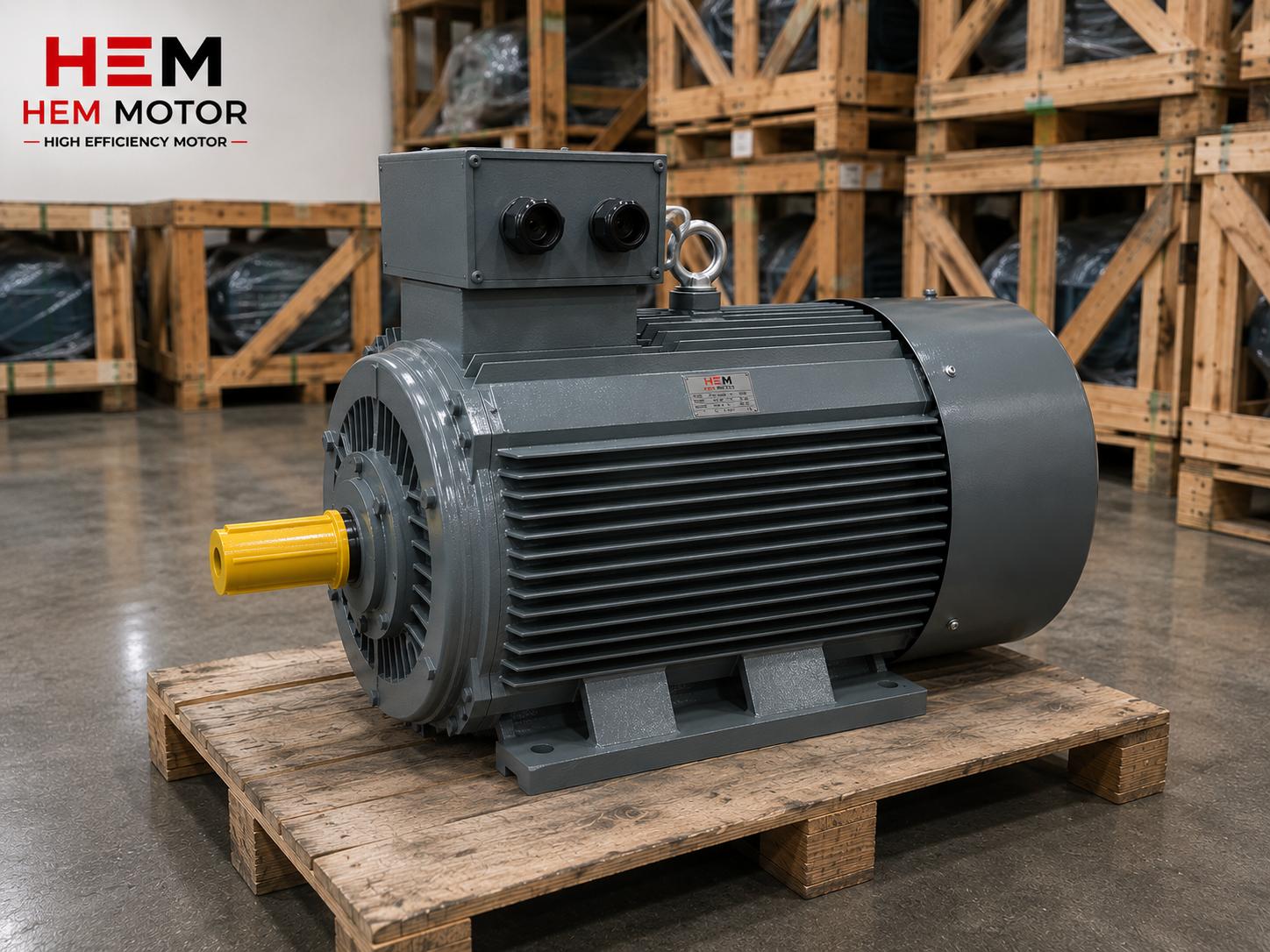
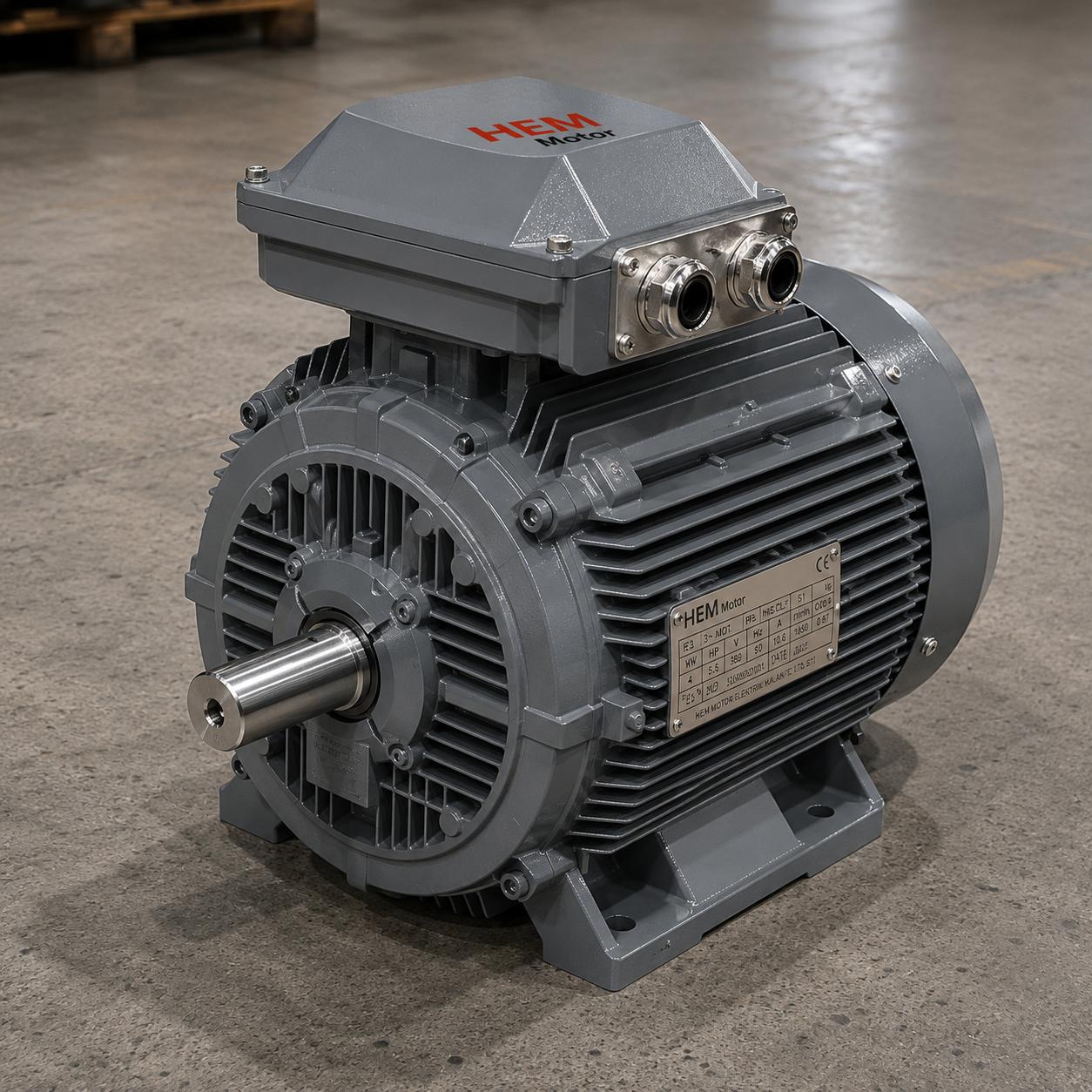
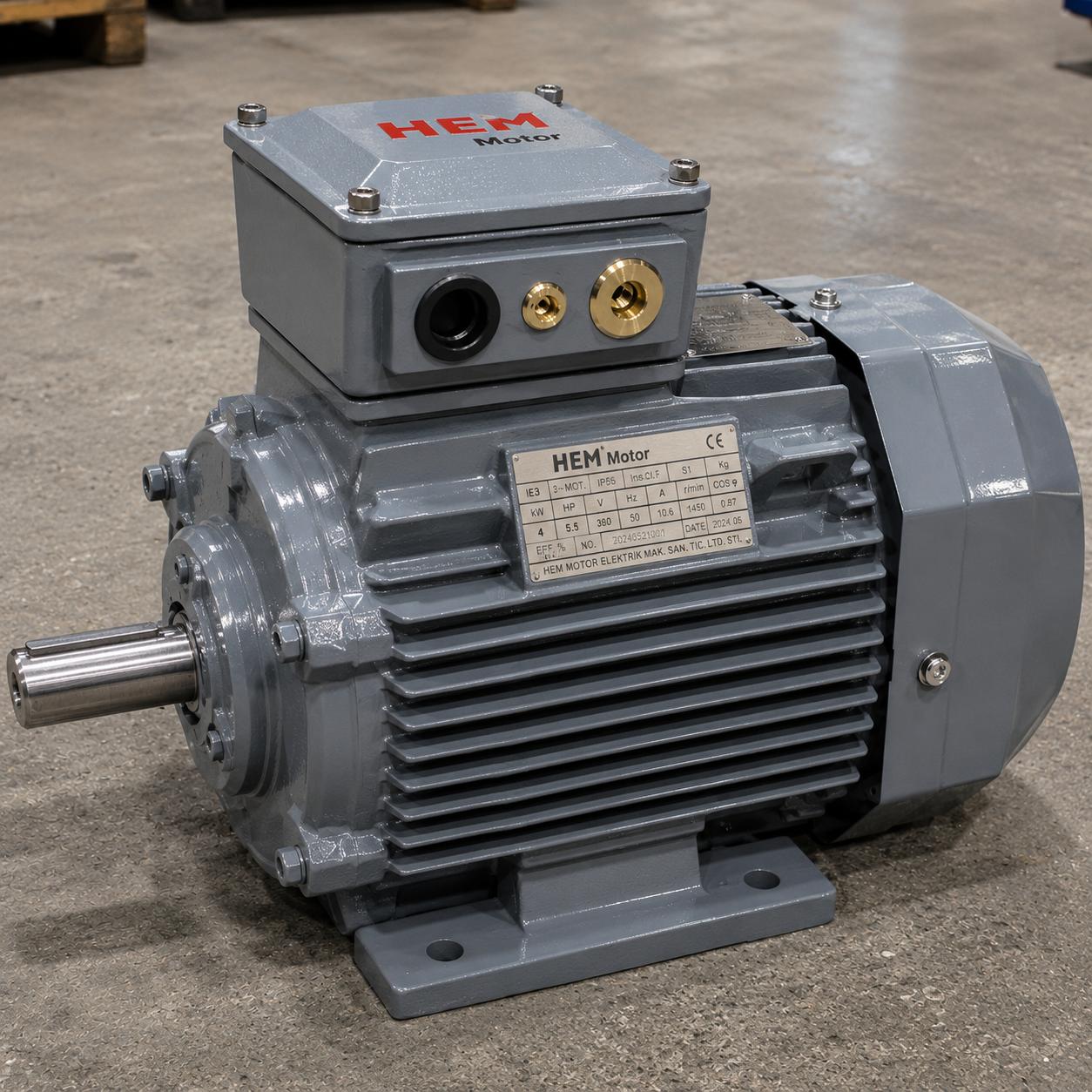
If a building only has a 220 V line made up of one phase and neutral, the motor driving the machine has to be wound for that supply. HEM Motor's single-phase series is built for exactly this case: induction motors that run on a 220 V 50 Hz network, from a small 0.18 kW fan up to a 5.5 kW workshop drive. On this page you will find the starting limit of a single-phase motor, the jobs it handles well, how to choose speed and mounting, and what we need for a quote.

One Winding Cannot Build a Rotating Field: The Job of the Auxiliary Winding
In a three-phase motor, the three phases create a field that rotates in the stator by itself, thanks to the time shift between them. A 220 V line has only one phase; current through a single winding produces a field that changes direction but does not rotate. That field cannot get the rotor moving from standstill.
The solution is a second, auxiliary winding next to the main one, with its current shifted by a capacitor. The phase difference between the two windings creates the turning effect needed for starting. The cage rotor works the same way as in a three-phase machine; that topic is covered separately on the asynchronous electric motors page.
Run capacitor and start capacitor
Two arrangements are common. A run capacitor stays in the circuit permanently and helps the motor turn quietly and smoothly. A start capacitor is only connected for the first seconds; once the rotor speeds up, a switch or relay disconnects it, which makes it easier to start against a heavy load. Some motors use both. Which capacitor arrangement and values apply in the HEM single-phase series is confirmed with the order, according to the selected power and load.
The Limit at Start-Up: Loads That Strain a Single-Phase Motor
The breakaway torque of a single-phase motor is more limited than that of a three-phase motor of the same power. For a fan or centrifugal pump starting unloaded or lightly loaded, this is usually not a problem. The difficulty begins when the machine loads the motor from the very first moment.
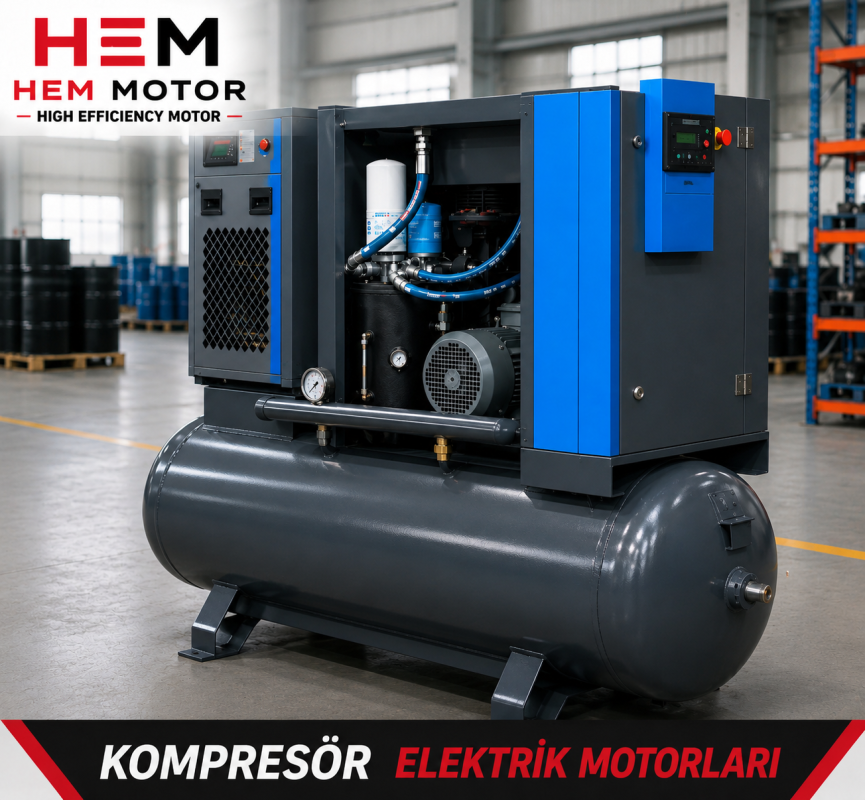
Piston compressor: Restarting while pressure remains in the tank is the hardest case for the motor; make sure the unloader valve works.
Pump starting full: A booster set with a full line and check valve must push water from the first revolution.
Mixer and feed crusher: With material left in the hopper, the motor tries to move a stationary mass.
Belt drive: An over-tensioned belt and a large pulley inertia lengthen the starting time.
For such a load, always state what the machine is and whether it starts under load when you ask for a quote. This allows the capacitor arrangement and power to be set accordingly.
Technical Scope of the HEM Single-Phase Series
Power: 0.18–5.5 kW
Supply: 220 V, 50 Hz
Synchronous speed: 750, 1,000, 1,500 and 3,000 rpm
Protection class: IP55
Mounting: B3 foot, B5 large flange, B14 small face flange and B35 foot-and-flange
B5 and B14 are not interchangeable; the type that matches the mating face on the machine must be selected. For dimensions see the 2D technical drawings page; flange and shaft sizes are confirmed with the order.
Speed by Application: Example Pairings
Speed is set by the number of poles and is chosen backwards from the speed the machine needs. The table below summarises common cases; it is only a starting point, the final choice depends on the machine load and the nameplate of the existing motor.
| Application and power range (example) | Commonly chosen speed | Point to watch |
|---|---|---|
| Booster set, garden and small transfer pump (0.37–2.2 kW) | 3,000 rpm | Tell us if the line starts full; IP55 at the well head |
| Extractor and ventilation fan (0.18–1.5 kW) | 1,500 or 3,000 rpm | Impeller diameter and noise target set the speed |
| Piston air compressor (1.5–4 kW) | 1,500 or 3,000 rpm | Starting against a pressurised tank; unloader valve and cable size |
| Grinding, cutting, drilling bench (0.55–3 kW) | 1,500 or 3,000 rpm | Compare belt and pulley ratio with the old motor |
| Feed crushing, mixer, geared drive (1.1–5.5 kW) | 1,000 or 750 rpm | Starting with a full hopper; higher torque demand |
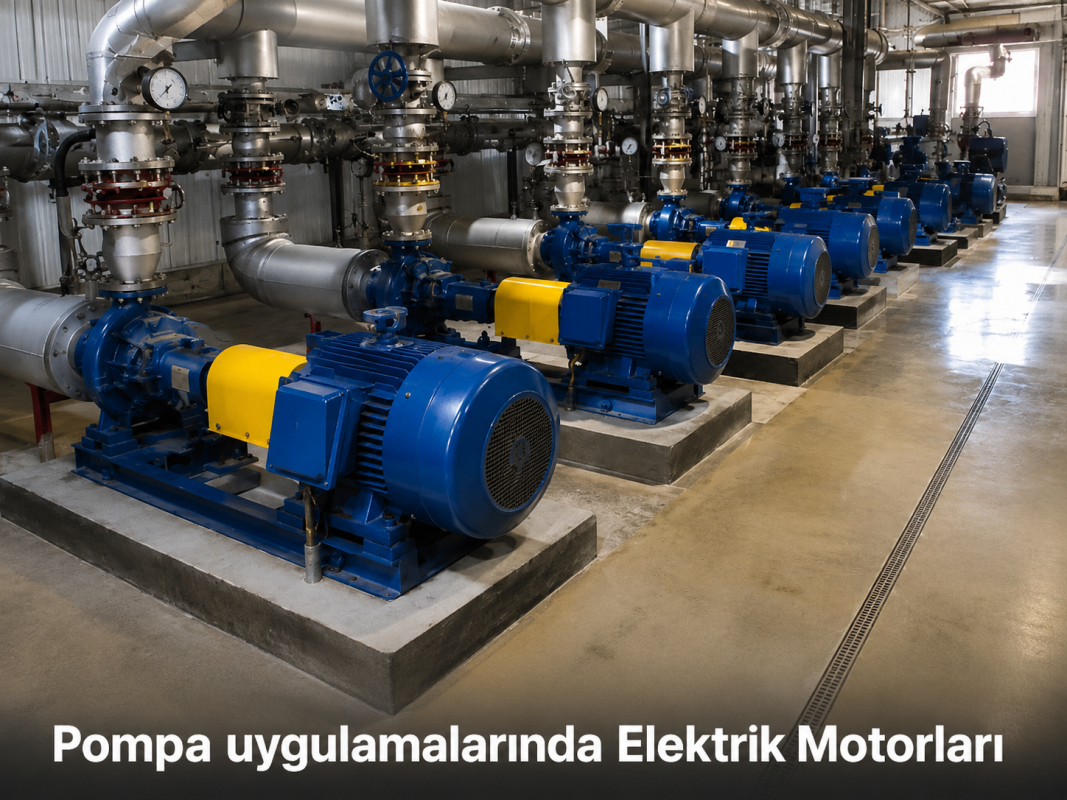
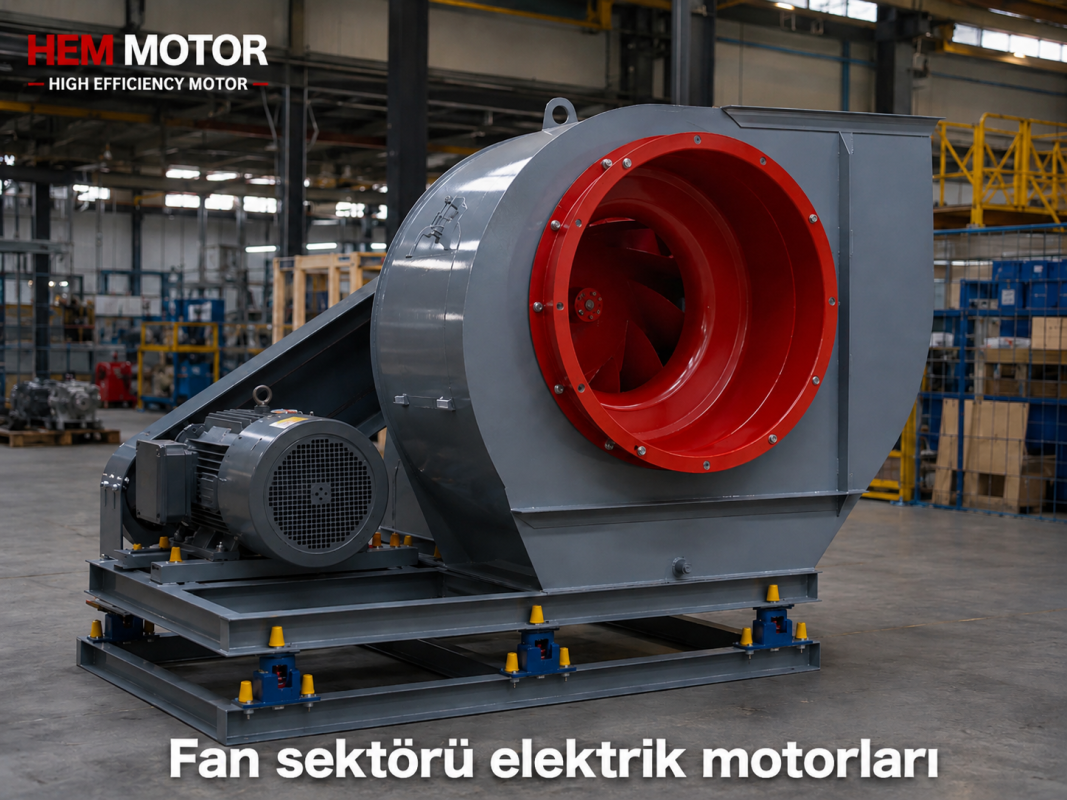
For more on pump and fan applications see pump electric motors, and for rural use the agricultural machinery motors page.
Starting on Long Cables and Weak Supplies
At start-up a single-phase motor briefly draws several times its running current. If the distance from panel to motor is long or the cable cross-section small, this current causes a voltage drop on the line. If the motor receives clearly less than 220 V, torque falls, starting takes longer and the winding heats up. Lamps flickering on the same line are a typical sign.
A vineyard house at the end of a village, a distant irrigation well or a meter shared with other appliances are places where this is common. When asking for a quote, give the panel-to-motor distance and, if known, the cable size. Our article on thermal relay and fuse selection helps set the protection correctly.
If the Site Has Three Phases, Consider a Three-Phase Motor
A single-phase motor is meant for places with no three-phase supply at all. If three phases reach the site, a three-phase motor doing the same job usually offers higher starting torque, needs no capacitor and runs more evenly. The difference is noticeable above 3 kW and on machines that start frequently.
HEM Motor's three-phase series covers 0.25–355 kW, and models with set prices are listed in the electric motor shop. For mains connection and winding voltage, the 3-phase electric motors page will help.
What Determines the Price of a Single-Phase Motor?
The single-phase series is not listed in the shop with a list price; the price is given in a quote prepared for your needs. It depends on:
Power (kW) and the related frame size
Speed; at the same power a lower-speed motor needs a larger frame
Mounting type: foot, flange or both
Protection class (IP55) and capacitor arrangement
Order quantity
For example prices of three-phase models, see the electric motor prices page.
What to Send Us for a Quote
So that we can quickly propose the right motor, send us: the type of machine the motor will drive, power (kW), speed (rpm), supply voltage (confirm it is 220 V single-phase), mounting type (B3, B5, B14 or B35), protection class and quantity. Adding whether the machine starts under load and the panel-to-motor distance makes the selection easier.
If you are replacing an existing motor, send a photo of the motor nameplate; we will identify the equivalent from its values. You can send the details via WhatsApp, phone or e-mail listed on the contact page. To browse three-phase options, visit the shop.
Frequently Asked Questions
Can a single-phase motor be connected to a 220 V household socket?
For small powers it is possible, but because of the starting current it is safer to feed the motor from a separate fused circuit with a suitable cable size. We recommend having a qualified electrician make the connection.
Can a single-phase motor handle a compressor?
Yes, with the right power and capacitor arrangement. Since a compressor starts against a pressurised tank, state this in the order; a working unloader valve also eases the start.
Can the direction of rotation of a single-phase motor be reversed?
Usually the direction changes by swapping the auxiliary winding leads in the terminal box. The wiring diagram is on the motor nameplate and terminal box cover; do not change anything without following it.
The motor heats up and starts with difficulty. What could be the cause?
The most frequent causes are low supply voltage, a long or thin cable, a capacitor that has lost value and a load exceeding the motor power. First have the voltage measured at the moment of starting, then check the load.
Is it better to buy a three-phase motor instead of a 5.5 kW single-phase one?
If the site has three phases, in most cases yes; at this power a three-phase motor starts more easily and needs no capacitor. Without three phases, the single-phase series offers a solution up to 5.5 kW.