English
 Türkçe

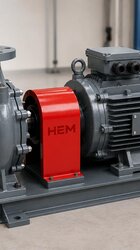
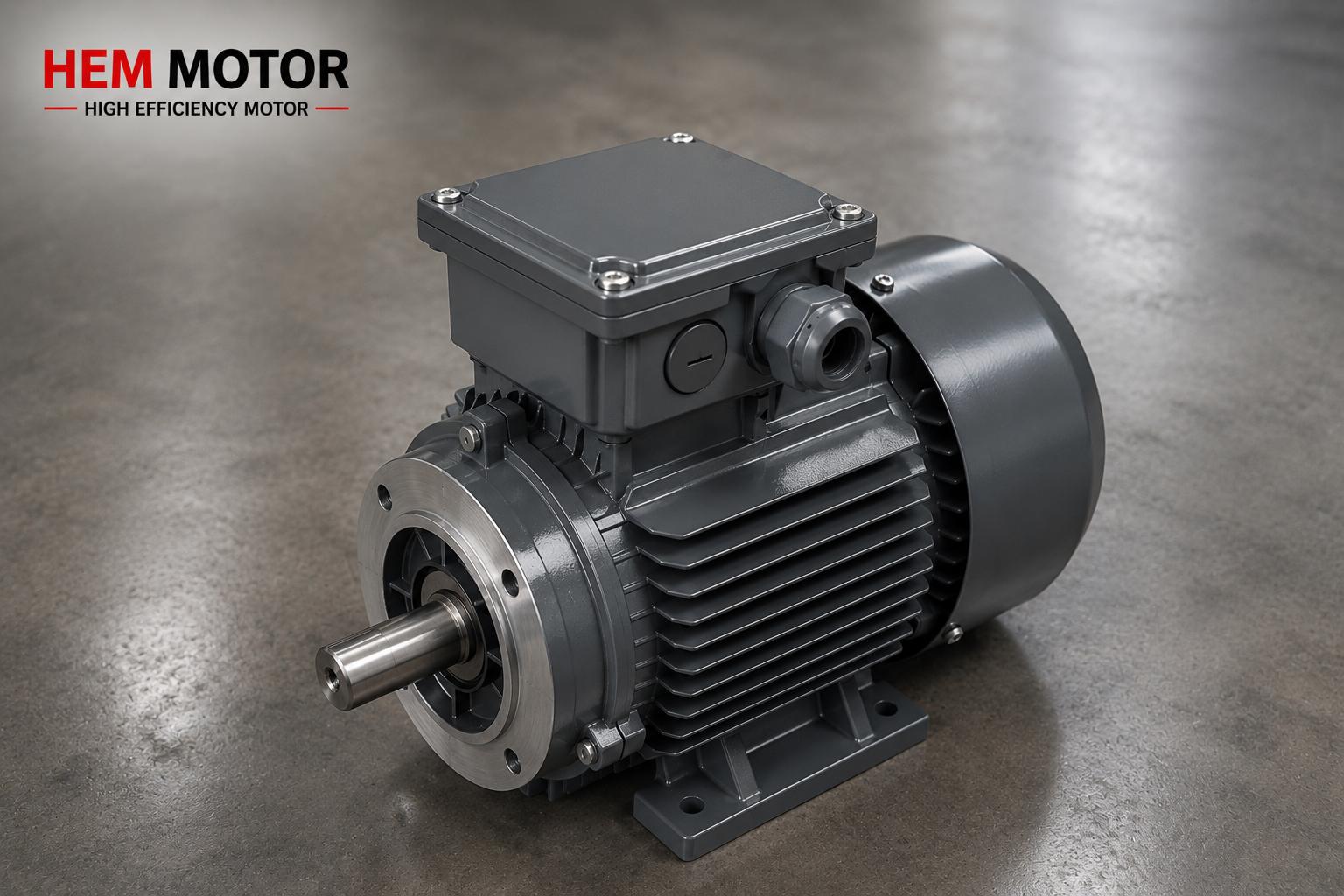

When you buy an electric motor, what protects your real investment is, as much as the motor itself, the protection devices around it. A wrongly chosen or wrongly set thermal relay, a missing phase protection or an oversized fuse can burn even a quality motor at the first phase fault or overload. As HEM Motor, with our identity as both manufacturer and supplier, we advise customers to supply the motor not on its own but together with the right protection devices. This article covers thermal overload relays, the motor protection circuit breaker (MPCB), fuses, phase protection relays and PTC/thermistor protection from a commercial buying angle. The goal is to equip your motor with the right protection and prevent winding burnout, the most expensive failure type, and unplanned downtime. For the right motor and suitable protection, evaluate our efficient electric motors range and quote options.
Why Is Motor Protection a Must? The Real Cost of an Unprotected Motor
A three-phase induction motor, when not protected correctly, can be damaged in several scenarios: overload, phase loss (one phase missing), voltage imbalance, short circuit or mechanical jamming. Each of these rapidly raises winding temperature and burns the insulation. A burned-out motor either goes to rewinding or is replaced; in both cases there is repair/replacement cost and production downtime. Running an unprotected motor means accepting a risk far greater than the motor price. To recognize failure symptoms and causes in advance, our article on electric motor failures: symptoms and causes is a good start.
Seeing protection devices as part of the purchase process lets you avoid the effort and incompatibility of adding them later. For a general list of protection devices to request with the motor, we recommend our article on electric motor protection devices to request at purchase.
Thermal Overload Relay: Primary Protection Against Overload
The thermal overload relay continuously watches the current the motor draws and, if the current rises above the rated value and stays there a certain time, disconnects the motor. It is the basis of overload protection and exists in almost every motor circuit. It works by bimetal strips heating and bending to open the contact, preventing the motor from burning out from slowly developing overload.
The critical point in selecting and setting a thermal relay is that the set current is adjusted correctly to the motor nameplate (rated) current. Too high a setting leaves the motor unprotected; too low a setting stops the motor needlessly. For the correct setting, the rated current on the motor nameplate must be known. Our article on reading the IE3 motor nameplate shows which value to use in the protection setting.
- Set current: Usually set to the motor rated current; calculated differently for direct-on-line and star-delta connection.
- Trip class: Chosen by the motor start time; heavy-start loads may need a higher class.
- Phase-loss sensitivity: Modern thermal relays also detect the loss of one phase and protect the motor.
Thermal Relay Position in Star-Delta Connection
In star-delta starting, where the thermal relay is connected determines the correct set current. This is a commonly confused topic, and a wrong connection can leave the motor unprotected. For the starting method and wiring diagram, our articles on the electric motor star-delta wiring diagram and on star-delta vs softstarter provide guidance.
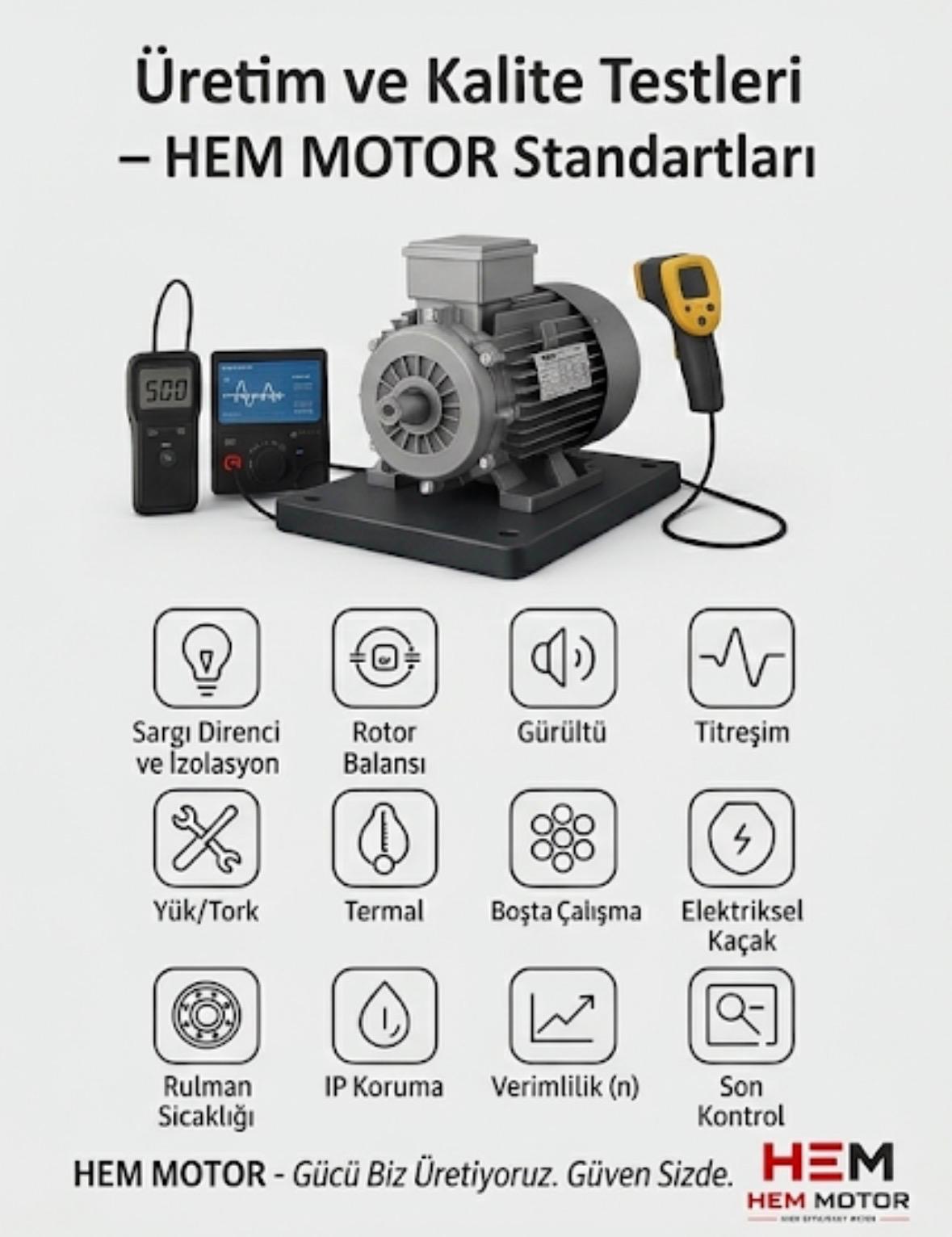
Motor Protection Circuit Breaker (MPCB): Overload and Short Circuit in One Device
The Motor Protection Circuit Breaker (MPCB) combines thermal overload protection and magnetic short-circuit protection in a single device. In this respect it is a more compact and practical solution than a separate fuse plus separate thermal relay. The MPCB has an adjustable current range; this range is chosen to cover the motor rated current and the device is set exactly to the motor current.
Buying advantages of the MPCB:
- Two protections in one device: Provides overload (thermal) and short-circuit (magnetic) protection together, saving panel space.
- Adjustable current: The same device can be set to suit motors of different power.
- Phase-loss protection: Most MPCBs detect the loss of one phase and protect the motor.
- Manual disconnector: Also acts as a disconnector to safely isolate the motor during maintenance.
The MPCB is a common and economical protection solution on small and medium-power motors. On large and critical motors, a separate motor protection relay and phase protection relay may be preferred in addition to the MPCB.
Fuse Selection: Short-Circuit Protection and Correct Sizing
A fuse mainly protects against short circuits and very high overcurrents; but on its own it is not enough against the slowly developing overload of the motor. So a fuse is used together with a thermal relay: the fuse clears the short circuit, the thermal relay the overload. In motor circuits, time-delay fuses (gG or motor-protection type aM) are preferred, because they must withstand the high current at motor start yet clear quickly in a real fault.
The most common mistake in fuse sizing is choosing an oversized fuse because of the motor start current; this weakens short-circuit protection. The correct fuse is chosen considering the motor start characteristic and rated current together. The fuse protects not the motor but the cable and system from short circuits; what really protects the motor itself from overload is the thermal relay or MPCB. Knowing this distinction lets you build the protection chain correctly.
Phase Protection Relay: The Invisible Enemy of the Three-Phase Motor
The most insidious failure cause of three-phase motors is phase loss and phase-sequence/imbalance problems. When one of the three phases is cut (phase loss), the motor does not stop; it draws excessive current from the remaining two phases, heats up rapidly and burns its winding. The phase protection relay detects phase loss, phase-sequence error, undervoltage/overvoltage and phase imbalance, and disconnects the motor in these cases.
A phase protection relay is especially critical when:
- Facilities operate where grid voltage fluctuates or single-phase outages occur.
- On sites and fields fed by a generator.
- On automatically operating motors without an operator constantly present (pump, fan, compressor).
For order and commissioning care about motor rotation direction and phase sequence, our article on motor rotation direction and phase sequence offers complementary information. For the effect of voltage fluctuation on the motor, see our article on voltage tolerance and grid fluctuation in IE3 motors.
PTC / Thermistor Protection: Direct Protection from Inside the Winding
Thermal relays and MPCBs provide indirect protection by measuring the motor current externally. PTC thermistor protection is different: the temperature sensor is embedded directly in the motor winding and measures winding temperature in real time. When the winding reaches the critical temperature, the PTC relay stops the motor. This is the most reliable protection that engages when the winding overheats even though the current looks normal (for example due to insufficient cooling or high ambient temperature).
PTC thermistors or PT100 sensors are recommended especially on drive-fed motors, in heavy duty types and in critical facilities. Requesting the motor with PTC or PT100 sensors at the order stage saves later add-on cost. On temperature monitoring methods and which sensor serves which purpose, our article on motor winding temperature monitoring with PT100 and PTC thermistor is a detailed guide.
Building the Protection Layers Together
The most robust protection rests not on a single device but on a layered approach: short-circuit protection with a fuse or MPCB, overload protection with a thermal relay, phase-loss protection with a phase protection relay and winding-temperature protection with PTC/thermistor. Built together, these layers fully protect your motor against both electrical and thermal hazards. To check that these protections are set correctly at commissioning, our article on the motor commissioning and first startup checklist helps.
Sizing Protection Devices to the Motor Rated Values
For the protection chain to work, all elements must be sized to the motor real rated values. So before selecting protection devices, the rated current, rated voltage, power and connection (star/delta) on the motor nameplate must be clearly known. The set current of the thermal relay is calculated differently for direct-on-line and star-delta starting; if this difference is missed, the motor is either left unprotected or stops needlessly.
Practical items to watch in protection sizing:
- Rated current: The base reference for thermal relay and MPCB setting; read from the nameplate.
- Start current and time: Determine fuse and trip-class selection; heavy-start loads need more tolerant protection.
- Connection type: Positioning the relay by phase or line current in star-delta changes the set current.
- Service factor: On motors with a high service factor, protection thresholds are evaluated accordingly.
Avoiding wrong sizing is one of the most critical decisions at purchase, because faulty protection puts even a quality motor at risk. On this, our article on the most common mistakes when buying an electric motor collects frequent errors in protection selection. For the effect of protection devices on warranty coverage, see our article on what an electric motor warranty covers, since most warranties require that the motor was operated with correct protection.
The Advantage of Supplying the Motor and Protection Together
Buying protection devices separately from the motor, at different times and from different suppliers, creates incompatibility, delay and unclear responsibility. Supplying the motor and protection together, from one source, guarantees compatibility and speeds up commissioning. As HEM Motor, with our identity as both manufacturer and supplier, we evaluate the thermal relay, MPCB, phase protection relay and sensor selection suited to your motor together and help you size the protection chain to the motor rated values.
This approach gains value especially in projects with many motors, in OEM machine production and in critical facilities. Planning the motor and protection together in a single quote provides an advantage in both cost and commissioning time. Thinking of the motor together with its protection turns purchasing from buying a part into supplying a working system, which secures the long-term production continuity of your facility.
Frequently Asked Questions
What is the difference between a thermal relay and a motor protection circuit breaker (MPCB)?
A thermal relay provides only overload protection and is usually used with a contactor and a separate fuse. The MPCB combines both overload (thermal) and short-circuit (magnetic) protection in one device and also acts as a manual disconnector. On small and medium-power motors the MPCB is a compact, practical solution; on large and critical motors additional protection relays are used.
Is a phase protection relay needed on every motor?
On automatically operating three-phase motors without an operator constantly present (pump, fan, compressor) and in environments with grid imbalance or generator supply, a phase protection relay is strongly recommended. Phase loss is one of the most common causes of winding burnout in three-phase motors, and a phase protection relay largely eliminates this risk.
Can I add PTC thermistor protection later?
Because the PTC thermistor is embedded in the winding, it is ideally placed when the motor is manufactured. So requesting the motor with PTC or PT100 sensors at the order stage is the best way. Adding to a sensorless motor later usually requires intervention in the winding and is not practical; in that case external solutions measuring bearing and body temperature can be evaluated.
Get a Quote
To supply your motor together with the right protection devices, suited to your application and grid conditions, consult HEM Motor experts. Based on power, speed, starting method and your environmental conditions, let us determine together your need for a thermal relay, MPCB, phase protection relay and PTC sensor. Call us now at +90 (532) 345 49 86 or send your quote request via our contact page. Browse our efficient electric motors and IE3 motor range, and the other guides in our Electric Motors category.