English
 Türkçe

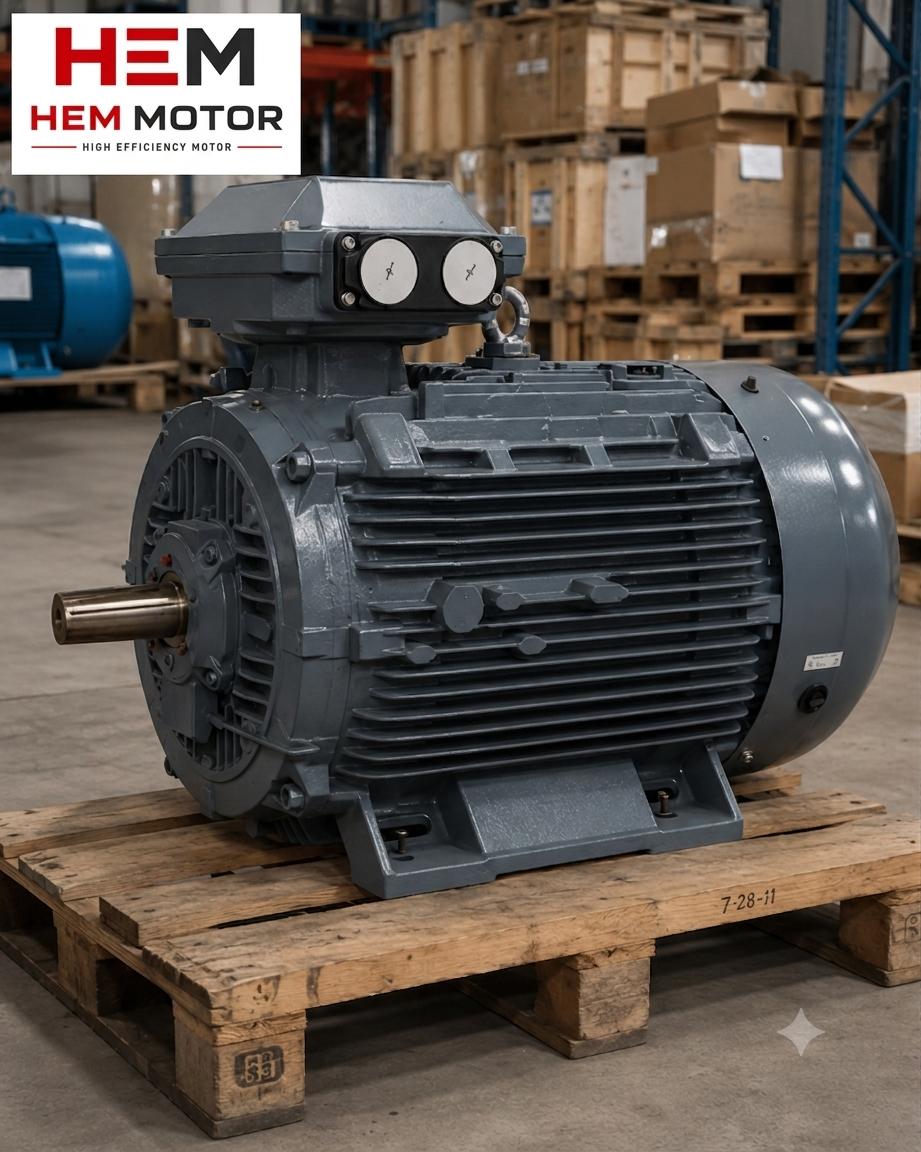

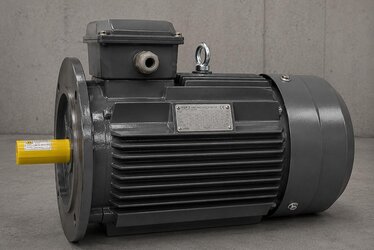
Connecting a three-phase electric motor correctly is critical both for the motor to run at the right voltage and for safe starting. The star (Y) and delta (Δ) connection determines how the six terminals in the motor terminal box (U1-V1-W1 and U2-V2-W2) are bridged. At HEM Motor, as manufacturer and supplier, we deliver IE3 and IE4 efficiency-class three-phase asynchronous motors with the correct terminal layout and nameplate data. In this article we explain, from a buying and commissioning perspective, the difference between star and delta, the 230/400 V and 400/690 V markings on the nameplate, terminal bridging and star-delta starting. The goal is to help you connect your motor at the right voltage for your grid and choose the correct starting method. For more technical guides, browse our Guides and Technical Info category.
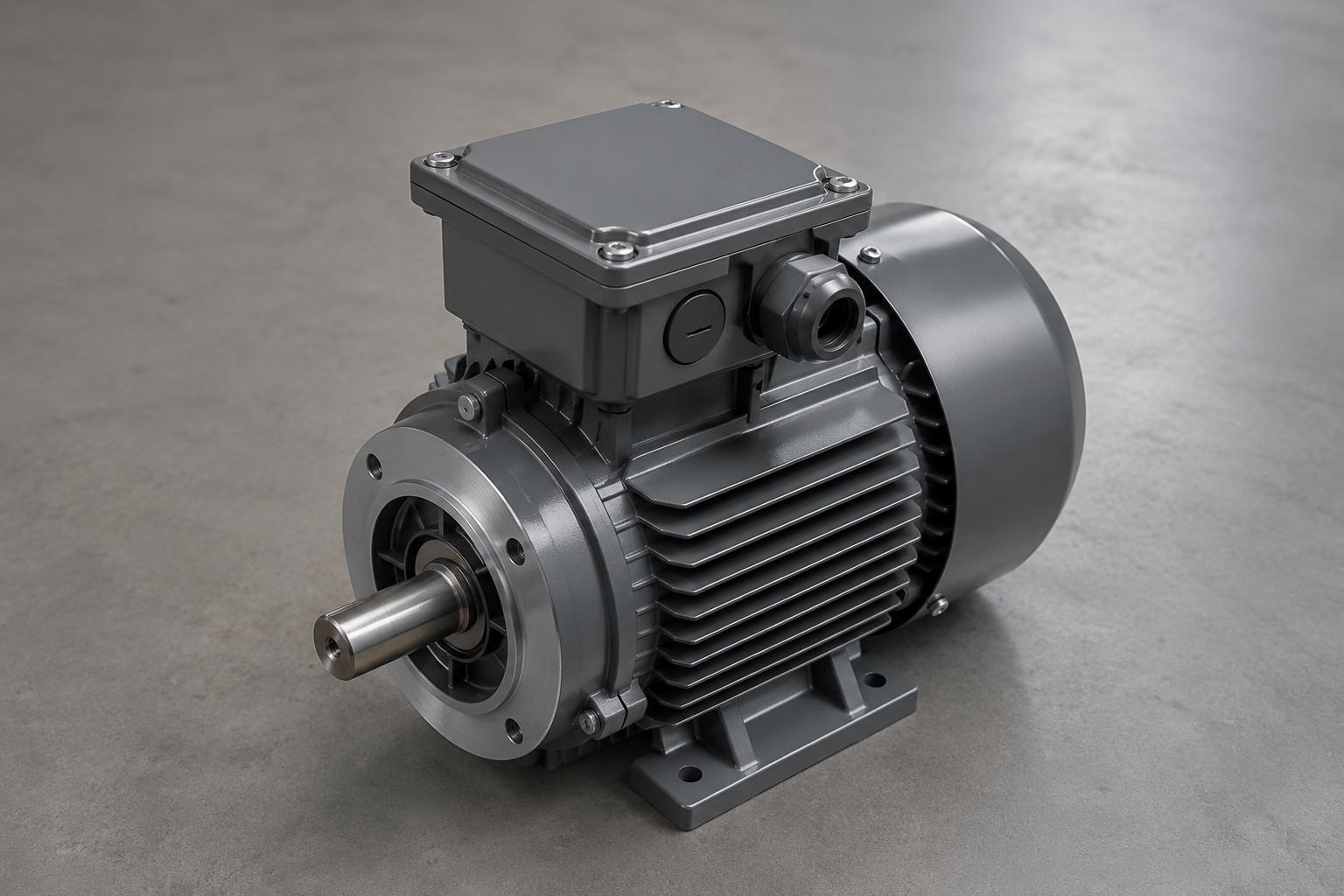
The Difference Between Star (Y) and Delta (Δ) Connection
A three-phase asynchronous motor stator has three windings, and the terminal box has six terminals. How these terminals are connected sets the voltage across each winding:
- Star (Y) connection: one end of the three windings is joined at a common point (the star point), and phase voltage is applied to the other ends. Each winding sees about 0.58 (1/√3) of the line voltage. So the windings run at a lower voltage.
- Delta (Δ) connection: the windings are connected end to end forming a closed triangle. Each winding sees the full line voltage; the motor delivers its full power and torque.
This difference sets both which voltage the motor connects to and the starting method. The same motor can be delta-connected on one grid and star-connected on a higher-voltage grid, depending on its nameplate. Using star-delta as a starting method is a separate topic explained below. We compared starting options for AC asynchronous motors in our article star-delta or softstarter.
What Do 230/400 V and 400/690 V on the Nameplate Mean?
Voltage on the motor nameplate is usually written as two values with two connection symbols (Δ/Y). This shows which connection the motor uses on which grid:
- 230/400 V (Δ/Y): the motor connects in delta at 230 V line voltage and in star at 400 V line voltage. On Turkey's standard 400 V grid this motor is connected in star.
- 400/690 V (Δ/Y): the motor connects in delta at 400 V and in star at 690 V. On Turkey's 400 V grid this motor is connected in delta. This nameplate is the typical marking of motors suited to star-delta starting.
A wrong connection makes the motor either deliver very low power or burn the windings with excess current. So reading the nameplate correctly is essential. To read the nameplate values step by step, our article reading the IE3 motor nameplate guides you.
Bridging in the Terminal Box: How U/V/W Are Connected
The terminal box has six bolts, usually arranged in two rows. The top row holds W2-U2-V2 and the bottom row U1-V1-W1. Bridging is the act of joining these terminals with metal link plates (bridges):
- Delta (Δ) bridging: bridges are fitted vertically; U1-W2, V1-U2, W1-V2 are joined. The grid phase leads connect to the U1, V1, W1 bolts.
- Star (Y) bridging: the top-row W2-U2-V2 terminals are joined with a single bridge (the star point). The grid phase leads again connect to the U1, V1, W1 bolts.
The link plates come with the motor in the terminal box; the connection must be made by a qualified electrician. The protection class of the terminal box and the correct sealing of the cable entry also matter. For the terminal box, cable connection and gland selection, see our article motor terminal box and cable connection. You also set the motor's direction of rotation during connection; swapping two phases reverses the direction. For detail, see our article motor direction of rotation and phase sequence.
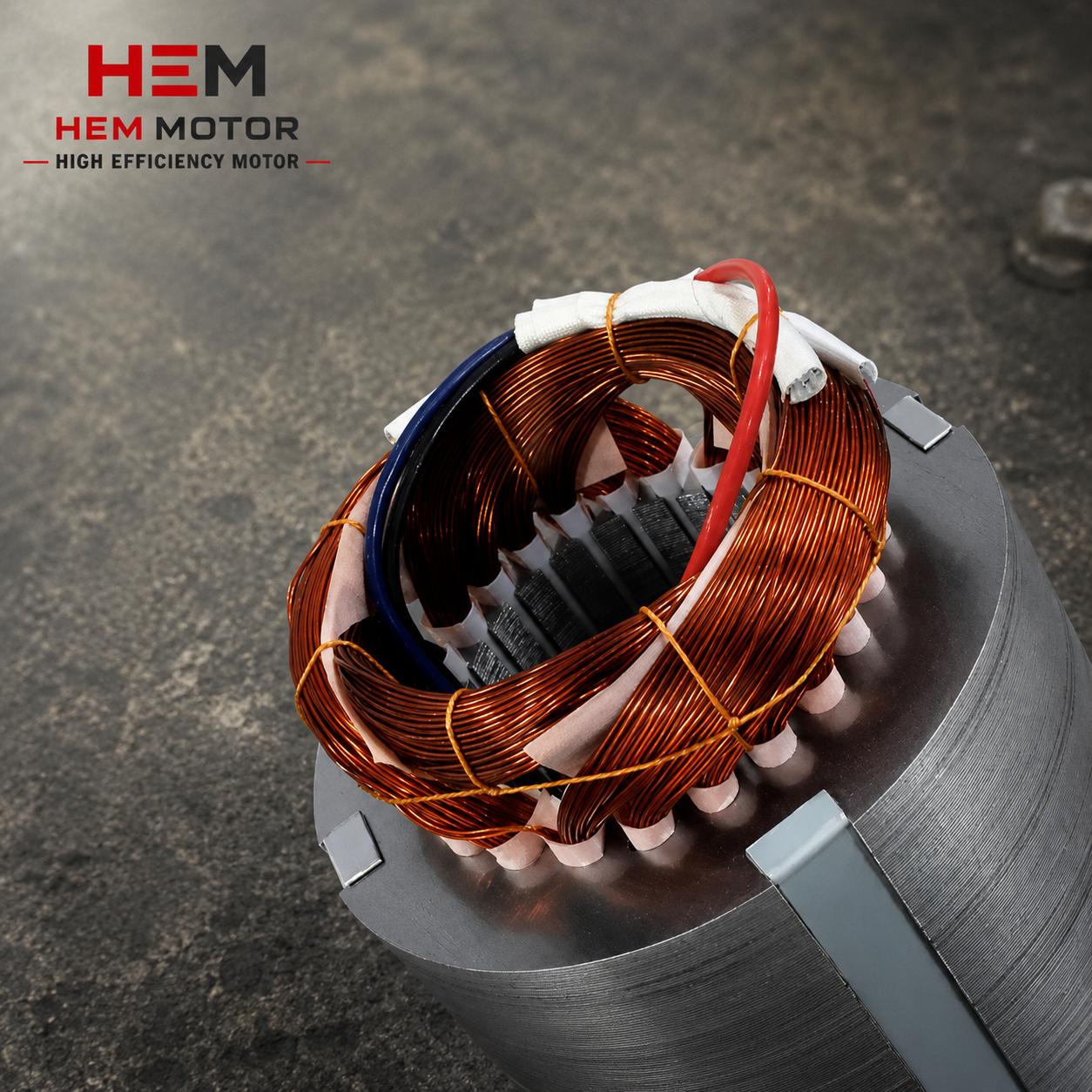
Star-Delta Starting: Reducing the Inrush Current
The second and well-known use of the star-delta connection is to reduce the inrush current when starting large motors. In direct-on-line (DOL) starting the motor draws several times its rated current at start; this can cause voltage dips on the grid and tripped fuses. The star-delta starting sequence is:
- Star at start: the motor first starts in star; because the windings see a lower voltage, the inrush current falls to about one third of direct starting.
- Switch to delta: once the motor reaches a certain speed, contactors switch the connection to delta; the motor continues running at full power.
Because the starting torque also drops, this method suits applications that start easily under load; on machines such as crushers that start under heavy load it must be chosen carefully. The motor suited to star-delta starting is one whose nameplate reads 400/690 V (Δ/Y), because it runs in delta on the 400 V grid and can be put in star at start. We covered the starting method on heavy loads such as crushers in our article starting a crusher motor. At larger powers, the inrush issue when running on a generator is explained in our article motor selection on generator-powered sites.
Star-Delta, Softstarter or Drive?
Star-delta is not the only option to reduce inrush. A softstarter and a variable frequency drive (VFD) are also used. Star-delta is economical but lowers torque; a softstarter gives a smoother start; a VFD both starts and adjusts speed. To decide which method fits your application, see our articles star-delta or softstarter and VFD with an asynchronous motor. You can see our high-efficiency motors on our high-efficiency electric motors page.
The Effect of Star and Delta on Power and Current
The difference between the star and delta connection is not only a diagram; it directly affects the power and current the motor draws. Connecting the same motor wrongly on the same grid has serious consequences:
- If star is used instead of delta: because the windings see a lower voltage, the motor delivers about one third of its rated torque. It cannot carry the load, struggles and may overheat.
- If delta is used instead of star: the windings see an excessively high voltage; the motor draws excess current and burns its windings in a short time.
So the connection type is not chosen arbitrarily; whatever the motor nameplate and grid voltage require is applied. Overheating and burning of a motor most often stem from a wrong connection or wrong protection. We examined these risks and symptoms in our article electric motor failures: symptoms and causes. To protect the motor by monitoring winding temperature, add PT100 and PTC thermistor monitoring options to your quote. A correct connection is the first condition for the motor to reach its rated life.
Common Mistakes in Connection and Starting
The connection mistakes most often seen on site are a leading cause of early motor failure. Avoiding them matters for both safety and life:
- Fitting the link plates wrongly: star-bridging a motor that should be delta-bridged or vice versa; this causes power and current errors.
- Connecting without reading the nameplate: confusing a 230/400 V with a 400/690 V motor is the most common mistake.
- Setting the star-delta transition time wrongly: switching to delta before the motor reaches enough speed creates a large current surge.
- Using star-delta on heavy loads: because starting torque drops, a heavy-start machine cannot start in star.
To prevent these mistakes, the connection should be made by a qualified electrician and the motor nameplate read correctly. To prevent the wrong motor arriving on site, you can use our pre-order nameplate matching checklist. To check the direction of rotation, connection and protection before commissioning, our commissioning checklist guides you step by step.
What to State Before Ordering for the Right Connection
To connect the motor correctly, stating your grid voltage and starting need at the ordering stage makes the job easier:
- Grid voltage: standard 400 V or a different voltage? The nameplate connection is chosen accordingly.
- Starting method: direct, star-delta, softstarter or drive. A 400/690 V nameplate motor suits star-delta starting.
- Power and speed: soft starting is more often needed at larger powers.
- Terminal and protection: an IP55 terminal box and correct gland are requested in dusty or moist environments.
If you share this information in your quote request, we deliver the motor with the correct nameplate connection and terminal layout. To request protection equipment together, see our article electric motor protection equipment, and for first-start checks our article commissioning and first-start checklist.
Frequently Asked Questions
Should I connect my motor in star or delta?
The connection is set by the motor nameplate and your grid voltage. If the nameplate reads 230/400 V (Δ/Y) it connects in star on a 400 V grid; if it reads 400/690 V it connects in delta on a 400 V grid. A wrong connection causes the motor to burn or fail to deliver power. If unsure, send us a photo of the nameplate and we will determine the correct connection together.
Can every motor be started in star-delta?
No. For star-delta starting the motor must run in delta on the 400 V grid, that is its nameplate must read 400/690 V (Δ/Y). A 230/400 V nameplate motor already runs in star at 400 V, so it is not suited to this method. State your starting need and we will recommend a motor with the right nameplate.
Does star-delta starting reduce torque?
Yes. In the star connection at start both current and torque fall to about one third. So it must be used carefully on machines that start under heavy load; it suits applications that start easily under load such as pumps and fans. On heavy-start applications a softstarter or drive may be more suitable; send us your application and we will recommend the right solution.
Get a Quote
Let us deliver your motor with the connection suited to your grid and the correct starting method. Send us your grid voltage, power (kW), speed (rpm) and starting need; we will match an IE3 or IE4 motor with the correct nameplate connection and offer a fast quote. Reach us now at +90 (532) 345 49 86 or send your request via our contact page. HEM Motor is at your side as manufacturer and supplier.