 English
 Français
 Türkçe
 Español
 Русский

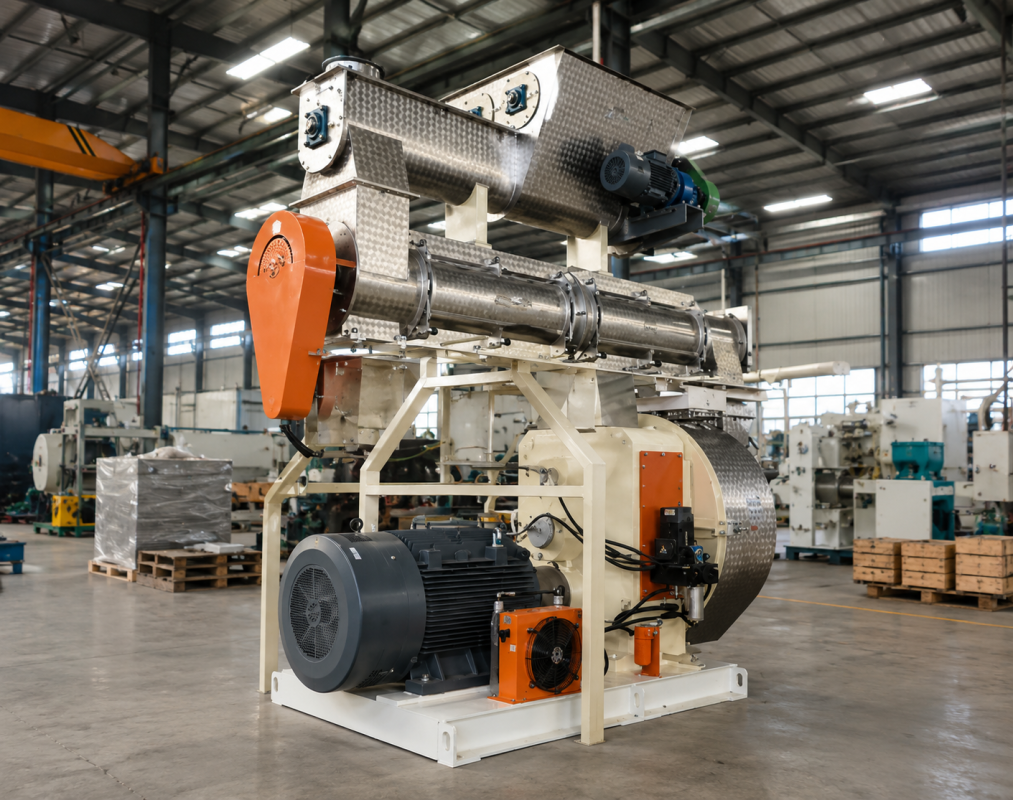
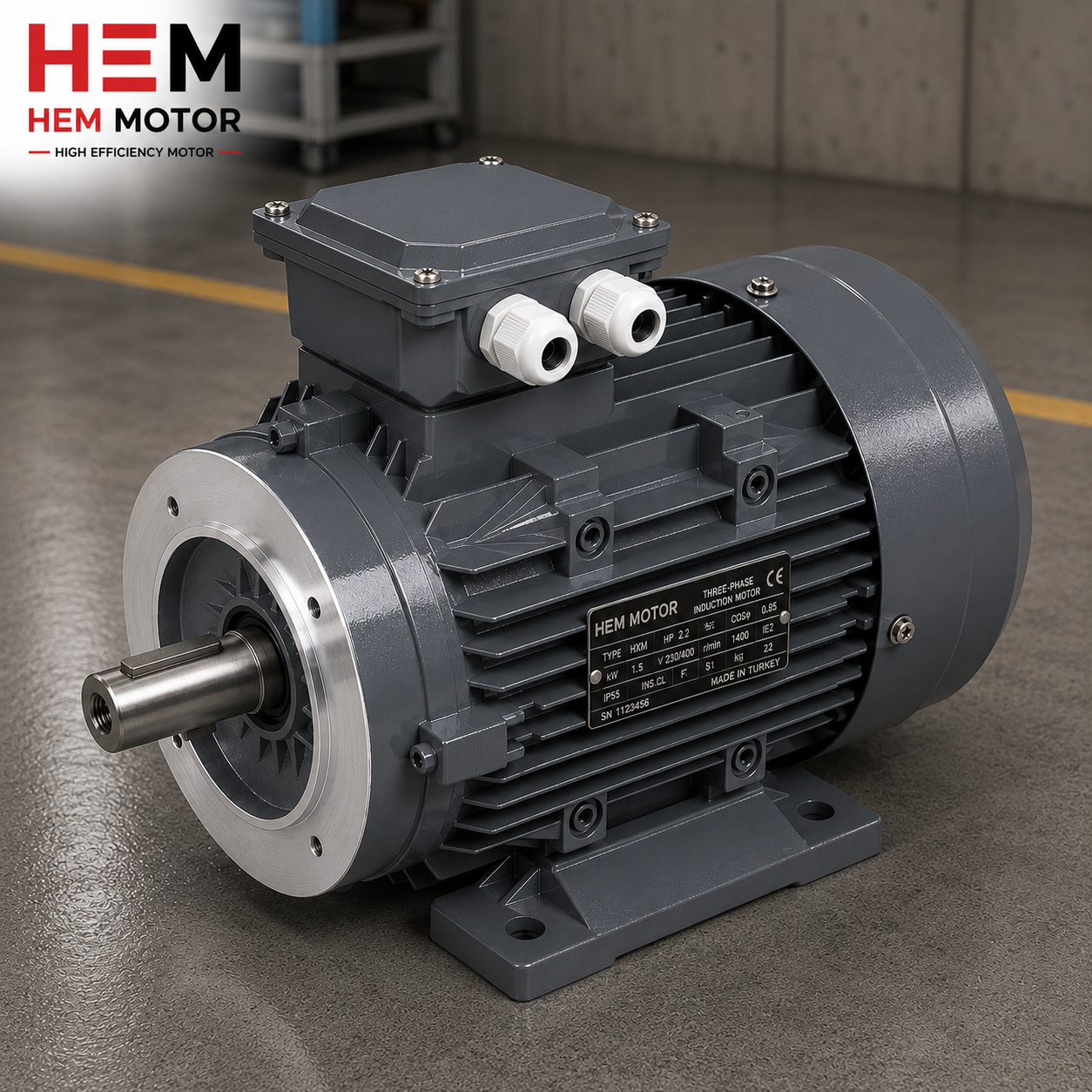
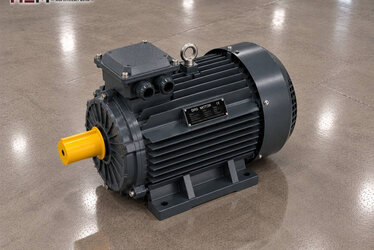
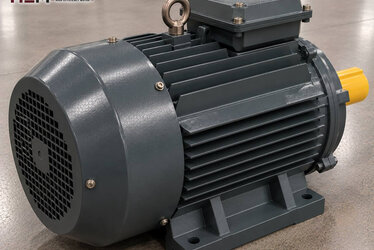
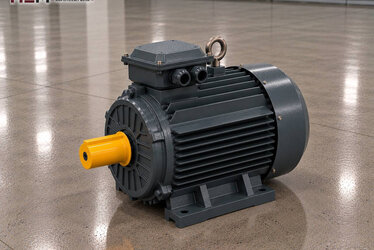
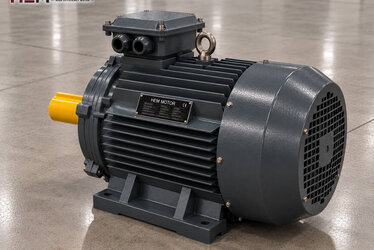
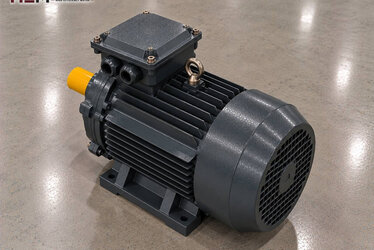
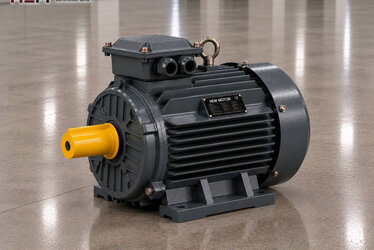
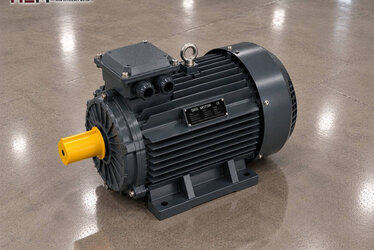
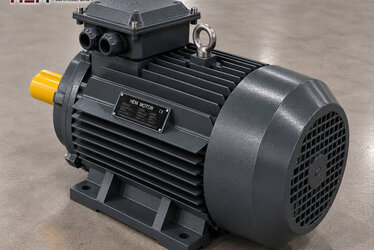
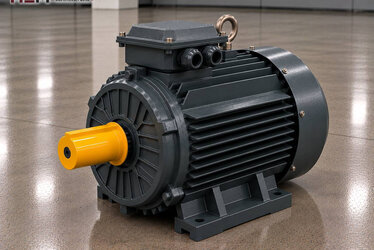
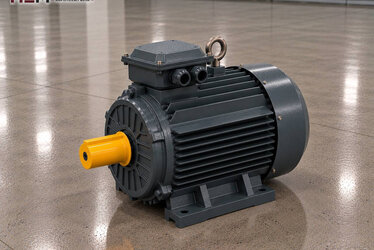
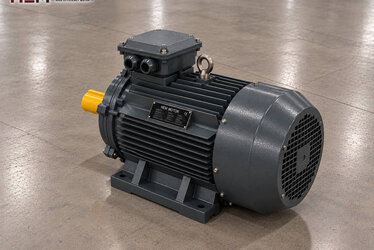
In a textile mill, motors work in two separate worlds. On one side are the spinning, weaving and knitting halls: the air is warm and humid, fibre floats constantly in the air, and machines turn at the same speed shift after shift. On the other side are the dye house, finishing and washing departments, where water, steam and chemical vapour are part of the surroundings. This page covers the three-phase asynchronous motors that drive the machines in both worlds. It explains which load the motor carries on which machine, how fibre and humidity affect the motor, and what needs to be clarified before an order.

Loads the Motor Carries on Textile Machines
Constant-speed continuous load: On many drives in the spinning and weaving halls, the motor's job is to turn a shaft with an unchanging load at the same speed for hours. What matters here is thermal balance and bearing life.
Tension-controlled line load: On fabric lines such as stenters, sanforising and winding units, the fabric is stretched or slackened if the speeds of successive rollers do not match. That is why these drives usually run on a frequency converter, with speed adjusted to fabric tension.
Variable-speed drum load: In washing, dyeing and extraction machines the drum turns slowly in one direction, reverses, then speeds up for spinning. The motor accelerates and decelerates at short intervals, and the load changes with the distribution of the wet fabric.
Fan and pump load: Drying oven fans, dye vessel circulation pumps and hall air-conditioning fans are the motors that run longest in the mill. For these drives, the fan and extractor motors and pump electric motors pages give details.
Pages Dedicated to the Machines of This Sector
We have separate pages for some textile and washing machines; each describes that machine's motor in detail:
- The Carpet Washing and Wringing Machine Motor page covers the load the motor sees while the carpet is brushed and the water removed.
- The Industrial Laundry Machine Motor page describes the drum drive of washing machines in hotel and hospital laundries.
- The Industrial Centrifuge (Extractor) Machine Motor page looks at starting the high-speed basket and at unbalanced loads.
- The Industrial Dryer Motor page deals with dryers in which the drum and the hot-air fan work together.
Fibre Dust and Humidity: How Hall Conditions Affect the Motor
Cotton and synthetic fibre are drawn into the fan cowl with the motor's cooling air. Lint collecting on the cowl grille and frame fins narrows the air passage and gradually heats the motor. Lint is also combustible; a layer building up on a hot motor surface should be removed. A short cleaning with air as part of the shift routine prevents a large share of motor failures.
In spinning halls the air is humidified to reduce yarn breaks; in the dye house steam is heavy. The frame of our motors is protected to IP55 against dust and water jets, and the windings have class F insulation. If the machine starts cold in the morning or stands idle at the weekend, condensation can form inside the frame; an anti-condensation heater can be requested with the order to counter this. Places where dye or wash water hits the motor directly go beyond the limit of IP55; there, either the machine builder must shield the motor or a special motor must be used, please state such a case in the order.
Speed Matching, Converter and Starting
On tension-controlled lines the speed of each roller motor is set by its own converter; our three-phase series are suited to working with these drives. If the motor keeps turning with full torque while the line moves slowly, its own shaft fan is not enough for cooling; in that case a separately powered fan is fitted to the frame. If the panel is far from the motor, a dv/dt or sine filter is considered against the voltage peaks caused by the long cable. Pass these details on with the order; the topic is explained on the inverter-compatible electric motors page.
On drum machines, starting is determined by the wet load and the drum's inertia. On constant-speed fan and pump drives, the 400/690 V winding of our models of 4 kW and above runs in delta on a 400 V supply and allows star-delta starting. For machines with frequent starts, a PTC or PT100 winding sensor can be added as an order option.
Preliminary Motor Selection Table by Textile Machine
| Machine | Motor load | Value to check | Example HEM model |
|---|---|---|---|
| Weaving / knitting machine drive | Constant-speed continuous duty | Pulley ratio, fibre cleaning | 2.2 kW 100L1-4 (1,450 rpm) |
| Stenter / sanforising line roller drive | Tension-controlled, converter-fed | Speed range, gearbox, cooling fan | 4 kW 112M-4 (1,450 rpm) |
| Drying oven circulation fan | Long running in hot air | Fan speed, distance of the motor from the hot zone | 11 kW 160M-4 (1,465 rpm) |
| Dye vessel circulation pump | Continuous load, steamy environment | Pump speed, condensation measures | 15 kW 160M2-2 (2,945 rpm) |
| Hall air-conditioning fan | Fan load rising with speed | Fan diameter, mounting orientation | 22 kW 200L2-6 (980 rpm) |
The models in the table are examples only; the actual choice is made according to the machine load, the required speed, the connection method and hall conditions. The nameplate of the motor being replaced is the most reliable starting point.
Maintenance, Mounting and Spare Motors
Textile mills have dozens of the same machine type, each with a similar motor. This makes spare motor stock easier: a single model with the same frame size, shaft and flange dimensions can cover many machines. On the connection side, foot-mounted (B3), flanged (B5, B14), combined foot and flange (B34, B35) and vertical (V1, V3, V5, V6, V15) designs are possible depending on frame size; flange and shaft dimensions are checked together at the order stage. You can compare your motor's dimensions with the frame size table.
Spare motors kept on the shelf for a long time need protecting against moisture and bearing damage; our storing a spare motor on the shelf article helps with this. For geared roller drives, see the electric motors for reducers page.
Information Required for an Order
For us to choose the right motor for you, the following is enough: machine type (weaving, stenter, dyeing, drying, washing, etc.), power (kW), speed (rpm), site voltage, mounting arrangement, whether it will run on a converter, and the quantity you want. If you have many machines of the same type, also state the total quantity and spare requirement. Photographing and sending the existing motor's nameplate removes most questions; details are in the send a motor nameplate article.
You can find model prices on the buy electric motors page. To reach us by WhatsApp or phone, use the contact page.
Frequently Asked Questions
Why do the motors in the weaving hall often overheat?
The most common cause is fibre lint sticking to the fan cowl grille and frame fins. Regular cleaning and checking belt tension reduce heating markedly.
Does a stenter need a separate motor for each roller?
Tension-controlled lines usually have a motor and converter for each section. The machine builder decides which arrangement is used; we select the motor side according to that information.
Is there special paint or protection for motors in the dye house?
Standard paint is in RAL 7012 and RAL 7024 shades, and the frame protection is IP55. If there is direct chemical or water splash, protection on the machine side or a special motor is needed; please state this in the order.
Can a single-phase motor be used in a small embroidery or sewing workshop?
If the workshop only has 220 V sockets, you can look at our single-phase series; its smallest model is 0.18 kW and its largest 5.5 kW. For details, see the single-phase electric motor page.

