English
 Türkçe

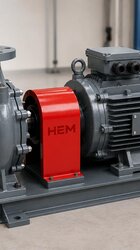
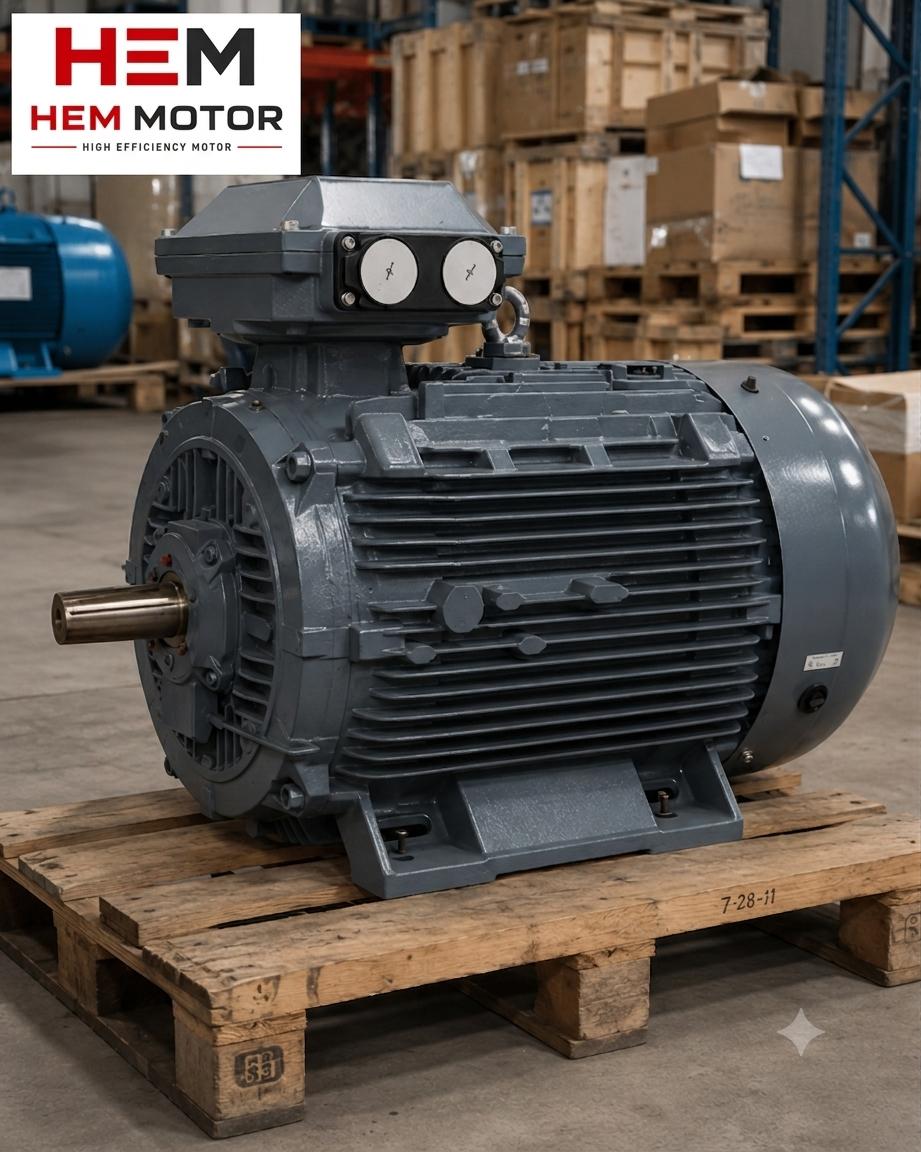

You bought a spare motor but will not use it right away; or motors you put into stock for a project will sit in the warehouse for months. At this point the question is commercial: "Will a waiting motor be damaged, and what should I check when commissioning it?" The right answer matters, because a poorly stored motor can fail on its very first start with problems such as moisture, condensation, bearing brinelling and dropped insulation. In this article we cover the rules of storing an electric motor for a long time, warehouse conditions, bearing and shaft care, and the checks required before commissioning, from a purchasing and stock-management perspective. As HEM Motor, with our manufacturer and supplier identity, we offer a practical roadmap so the efficient electric motors you put in stock do not lose value while they wait.
Why Do Stock Motors Need Special Precautions?
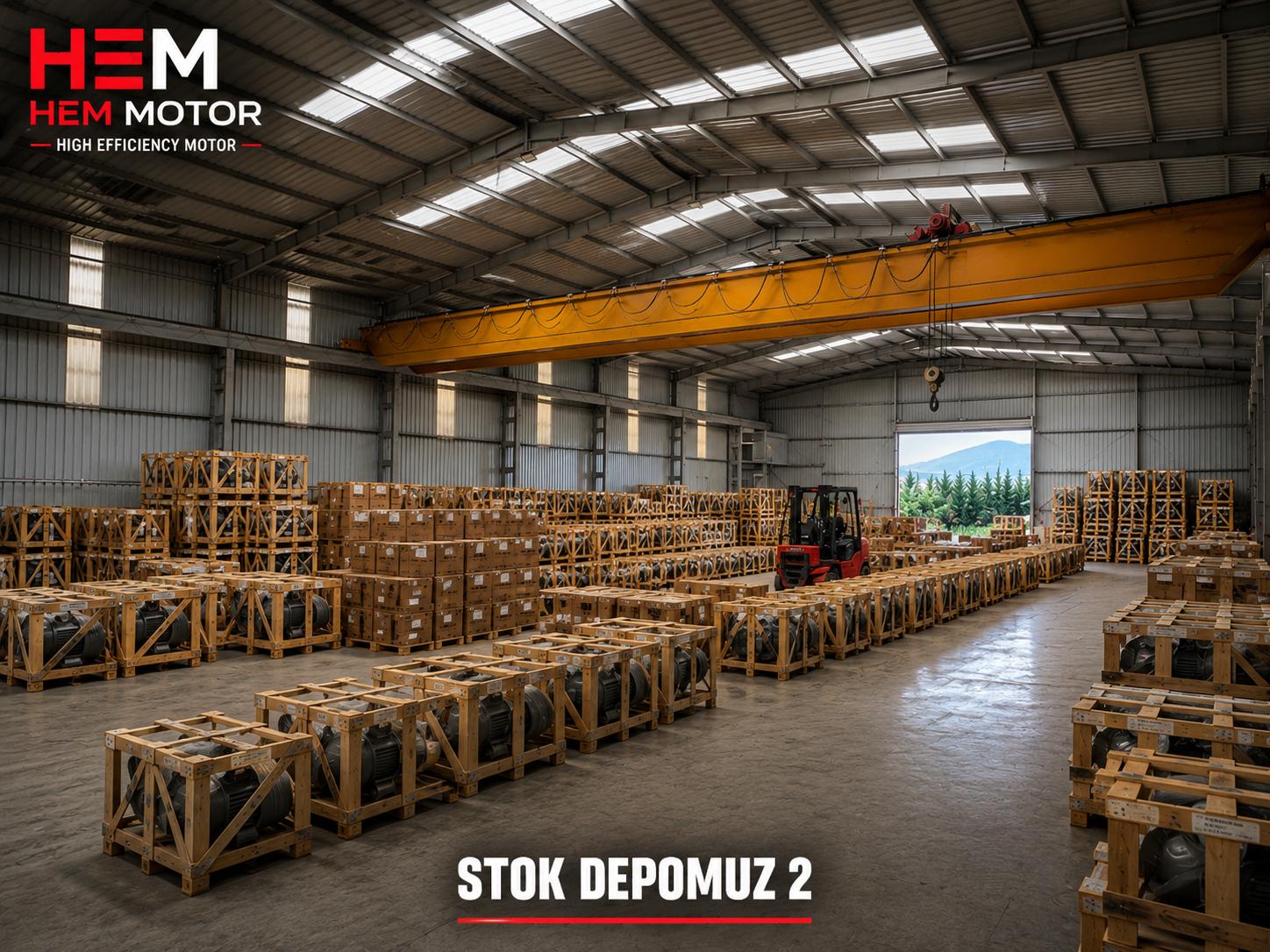
A running motor constantly heats up, dries out and turns; these three actions protect the motor on their own. In a waiting motor the opposite happens: the motor is cold, the winding draws in moisture, the bearing sits under load at the same point continuously, and the shaft never turns. These are the three main mechanisms that cause problems in long-term holding: moisture buildup in the insulation, bearing brinelling (false brinelling), and breakdown of the protective oil film. A buyer who knows these three risks in advance both stores the motor correctly and tests it correctly before commissioning.
Stock motor management is really an extension of the purchasing decision. In our article on the critical spare motor list and stock planning for facilities we addressed which power ratings should be kept in stock; storing these motors correctly means your stock investment is not wasted. Likewise, when deciding stock delivery vs production order, the maintenance cost of stock must also be taken into account.
Warehouse Conditions: Temperature, Moisture and Vibration
The ideal warehouse is a dry environment with a relatively constant temperature, free of vibration and protected from dust. Keep the motor on a pallet raised off the ground, not directly on the concrete floor; this way floor moisture does not travel into the body. Sudden temperature changes are the biggest enemy, because condensation forms on a cold body and this water penetrates the winding insulation. Vibration from nearby heavy machinery can also damage the bearing; therefore the motor must be kept away from vibration sources.
Moisture and Condensation: The Silent Enemy of Insulation
The most common problem in a motor that waits a long time is a drop in winding insulation resistance. Air moisture and condensation on the body gradually penetrate the winding insulation; insulation resistance falls and the motor can give an earth leakage or winding fault on its first start. For this reason, leaving a motor as-is in damp warehouses or where the cold-hot difference is large is risky.
The most effective way to protect it is to keep the motor dry. Many cast iron body motors have an anti-condensation heater in the terminal box or body; energizing this heater during long holding keeps the inside of the body a few degrees warmer than the ambient and prevents condensation. If there is no heater, the warehouse must be kept under moisture control and the motor protected with a breathable cover rather than plastic; because sealed plastic can trap vapor inside and produce the opposite effect.
The IP protection class is also important in motors affected by moisture; however, the IP class protects a running motor and does not on its own prevent condensation in storage. Our article on IP protection class selection in electric motors explains the differences between IP55, IP65 and IP66; the right IP choice for motors that will run and be stored in damp environments secures both the stock and the operating period.
Bearing and Shaft: The Brinelling (False Brinelling) Risk
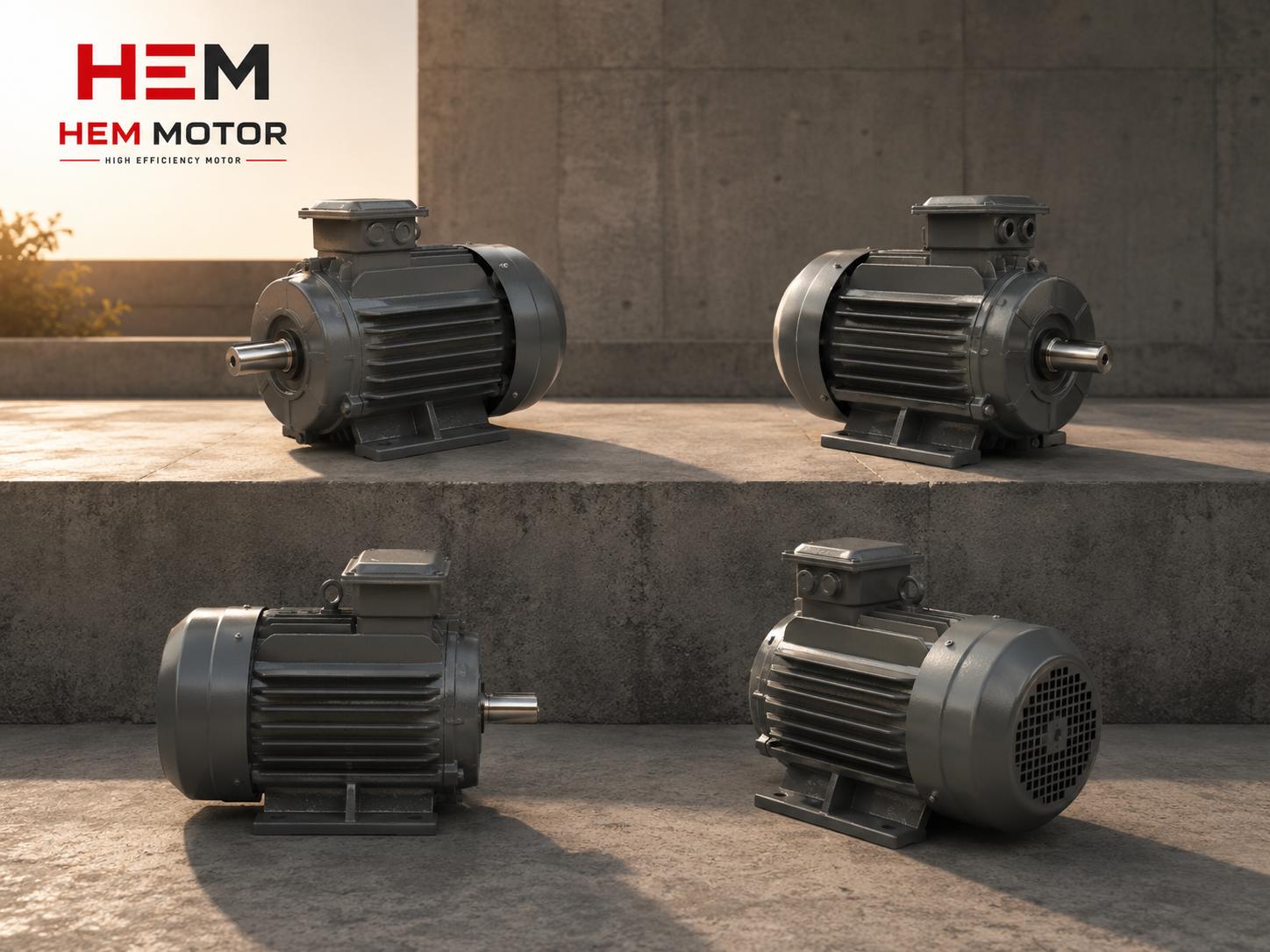
In a stationary motor, the bearing stays fixed continuously at the same point where the balls make contact. If the warehouse picks up vibration, the balls make tiny oscillations on the race and the oil film at the contact point is wiped away; metal touches metal and small pits (brinelling, false brinelling) form on the race. This damage turns into noise and vibration when the motor runs and shortens bearing life.
The most practical way to reduce this risk is to periodically turn the motor shaft by hand during storage. Once or twice a month, turning the shaft a few full turns and a non-integer angle changes the contact point in the bearing and renews the oil film. This simple habit largely prevents brinelling in motors that wait a long time. We covered quality marks and bearing life on the bearing side in detail in our article on bearing and bearing life in cast iron motors.
Unusual noise or vibration from the bearing when operation begins is often a sign of brinelling formed during the storage period. To catch these symptoms early, the tips in our article on noise and vibration in electric motors provide guidance. When commissioning a motor that has waited a long time, listening to the bearing and re-greasing if necessary prevents future failure.
Pre-Commissioning Check: Megger and First Start
Connecting a long-waiting motor to the grid without any testing is risky. The first thing to do before commissioning is to measure the insulation resistance with a megger (megohmmeter). The megger test shows whether the insulation between winding and body is still safe; if the value is low, the motor has drawn moisture and must be dried before running. This test is the most reliable way to catch moisture damage formed during the storage period before running.
We explained step by step how to interpret insulation resistance and the megger test in our article on insulation resistance and the megger test in asynchronous motors; this check is especially important in a stock motor. If the megger result is suitable, run the motor briefly with no load before connecting it to the actual load; observe the direction of rotation, its sound, vibration and heating.
We compiled all the steps of the first start in our electric motor commissioning and first-start checklist; following this list on a motor that has waited a long time minimizes surprise failures. For those who want to maintain maintenance discipline, our article on the electric motor maintenance and periodic check schedule offers a schedule that also covers the stock period.
Commissioning Order: Step by Step
A practical sequence is as follows: first a visual check (external damage, corrosion, cable condition), then turning the shaft by hand (is the bearing free, is there noise), then insulation measurement with a megger, then checking the terminal connections and grounding, and finally a brief no-load run and loading. Applying this sequence to every long-waiting motor prevents loss of time and money on site. Only load the motor that passes the check to full load if the values are suitable.
What to Watch When Buying a Stock Motor?
When buying a motor for spare or project stock, it makes sense to consider from the start how long the motor will wait. For motors that will wait a long time, choosing models with anti-condensation heaters, quality bearings and cast iron bodies reduces storage risk. When choosing between IE3 motors and IE4 motors, remember that efficiency does not change during the stock period and a properly stored motor keeps its day-one performance.
Making the stock investment in the right power ratings is also critical; keeping in stock the ratings that fail frequently or take a long time to procure lowers downtime cost. Evaluate this topic together with our article on information to provide when requesting a quote; storing the right motor under the right conditions protects both the budget and production continuity. As HEM Motor, we can determine together which power and speed combinations are critical in your stock planning.
Protecting the Terminal Box, Cable and Grounding During Storage
The area most often overlooked in a stock motor is the terminal box. Moisture enters most easily here; because if the cable entry glands, blanking plugs or cover gasket are not fully sealed, condensation can collect as water inside the box and cause corrosion at the terminal connection points. For a motor that will wait a long time, closing unused cable entries with suitable blanking plugs and keeping the cover firmly shut reduces the problems you will face at commissioning. We covered the relationship between the right gland and IP protection in detail in our article on the motor terminal box and cable connection.
Before commissioning, open the terminal box and check that the connection screws have not loosened, that the link bars stand in the correct position and that the grounding connection is solid. Vibration or temperature change during long holding can loosen connections; a loose terminal connection creates a risk of heating and arcing in operation. A safely connected ground is mandatory for personal safety in both the stock and operating periods; we explained this topic in depth in our article on grounding and electrical safety in cast iron motors.
The Cost of Incorrect Storage: Early Failure and Warranty
The cost of a poorly stored motor is often far above the price of the motor; because the real cost arises in production downtime. A spare motor that fails as soon as it is commissioned brings both the process of procuring a new motor and the stopping of the line. For this reason, storing a stock motor correctly should really be thought of like insurance. A winding damaged by moisture or a bearing with brinelling may look sound at first glance but turns into a failure in a short time and intertwines with early failure causes.
Failures caused by storage error are often considered user-caused and may fall outside warranty coverage; therefore keeping storage conditions correct is also commercially important. We addressed the causes of early failure and how to recognize quality when buying in our article on electric motor lifespan and the causes of early failure. A quality motor stored correctly, on the other hand, does not lose value during the stock period and delivers the expected performance on first start; this secures the return on your stock investment.
Frequently Asked Questions
How long can an electric motor be kept in a warehouse at most?
There is no exact period; the determining factors are warehouse conditions and the maintenance applied. In a dry, vibration-free environment, a motor whose shaft is periodically turned and whose heater is energized if needed can wait trouble-free for a long time. In a damp, vibrating environment, insulation drop and brinelling problems can appear even within months. In every case, a megger test must be done before commissioning.
What should I check before running a long-waiting motor?
First check for external damage and corrosion visually, then the free turning of the shaft by hand, then insulation resistance with a megger, then the terminal and grounding connections. If the values are suitable, observe the direction of rotation, sound, vibration and heating with a brief no-load run. This checklist lets you catch storage-related faults at the very first moment.
How is brinelling (false brinelling) prevented?
The most effective method is to turn the motor shaft by hand once or twice a month during storage at a non-integer angle; this way the contact point in the bearing changes and the oil film is renewed. Keeping the motor away from vibration sources also prevents brinelling. Abnormal noise from the bearing at commissioning can be a sign of brinelling that formed in the past.
Get a Quote
A correctly stored electric motor enters service with its day-one performance when needed; a poorly held motor carries failure risk before it even runs. Let us select together, for your spare and project stock, motors with anti-condensation heaters, quality bearings and suitability for long holding. HEM Motor supports your stock planning with its manufacturer and supplier identity. For a fast and accurate quote, call us: +90 (532) 345 49 86 or reach us through our contact page.