English
 Türkçe

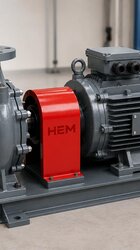
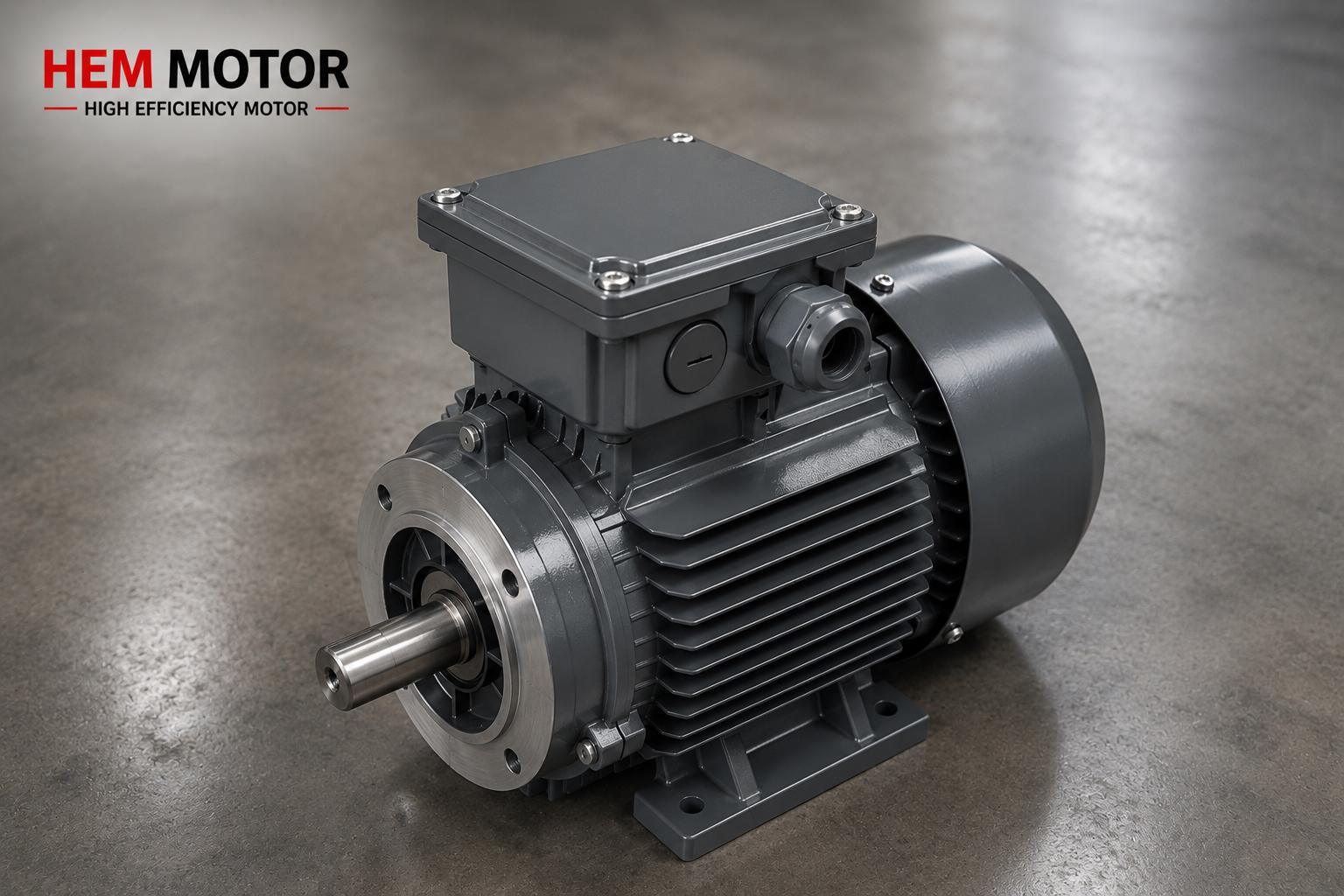

When buying an electric motor, there is a parameter just as important as power and speed but often overlooked: the protection class, that is the IP code. Choosing the wrong IP class causes the motor to be damaged by dust or water, leads to out-of-warranty failures and early motor replacement. Knowing what codes like IP55, IP65, IP66 and IP69K mean and which one suits your environment lets you order the right motor the first time. This guide helps you, as a buyer, decode the two digits of the IP code, determine the right protection class for your environment, and communicate the correct request at the quotation stage. As HEM Motor, with our identity as manufacturer and seller, we match the right motor for your project from IP55 standard production up to higher protection classes on request.
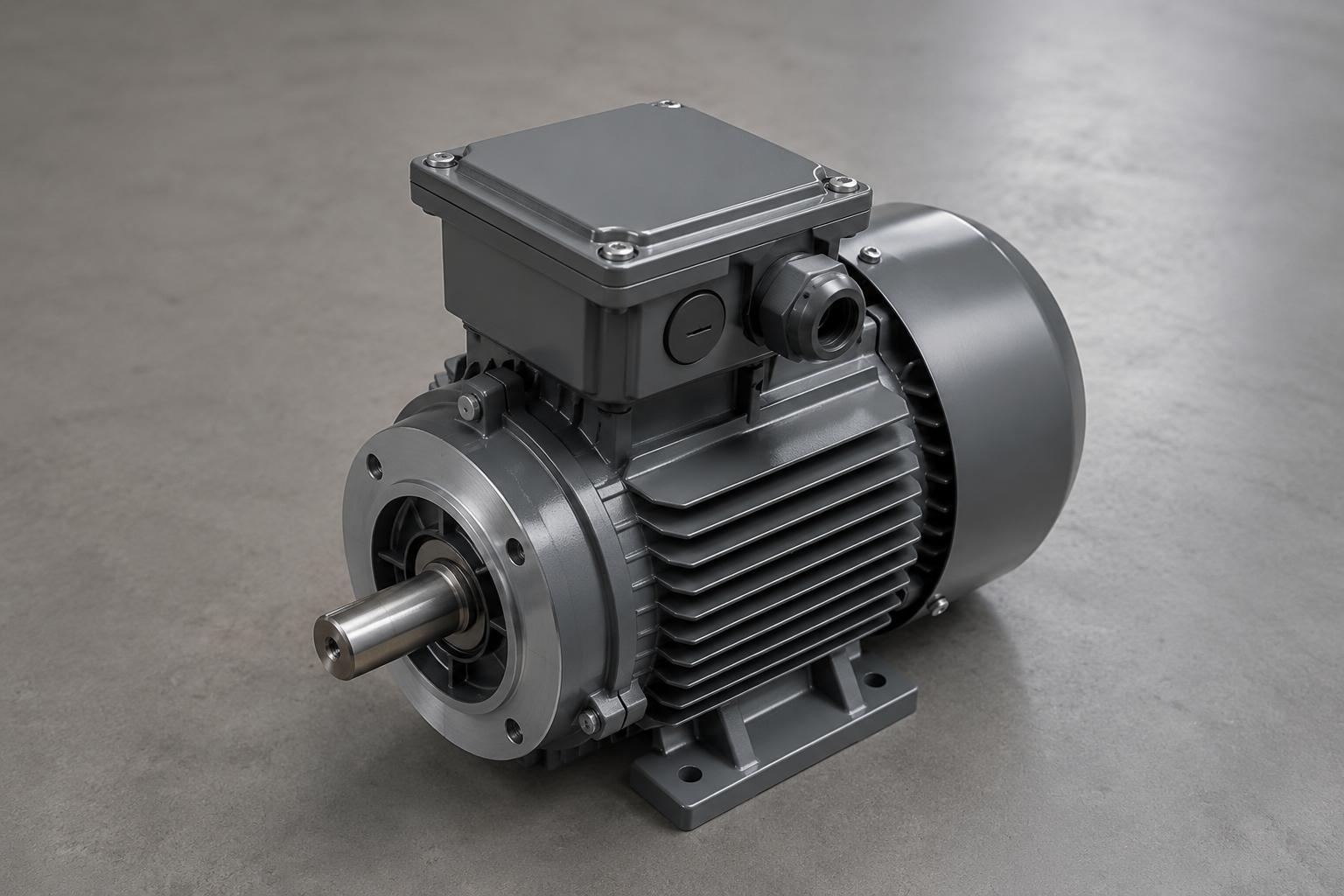
What Is the IP Code and What Do the Two Digits Mean?
IP stands for Ingress Protection and is defined according to the IEC 60529 standard. Of the two digits next to the code, the first indicates protection against solid objects and dust, and the second indicates protection against water. So in a motor marked IP55, the first 5 shows the protection level against dust and the second 5 against water. Reading these two digits separately clarifies your purchasing decision.
First Digit: Dust and Solid Object Protection
The first digit ranges from 0 to 6. Level 5 means dust-protected; dust ingress is not fully prevented but not enough dust can enter to disrupt the motor operation. Level 6 means complete dust-tightness; no dust gets in at all. In dusty sites, for example in stone crushing and crusher plants, having a first digit of 6 (dust-tight) is a serious advantage.
Second Digit: Water Protection
The second digit ranges from 0 to 9K. 5 indicates protection against low-pressure water jets from all directions, 6 against powerful water jets, 7 against temporary immersion, and 9K against high-pressure and high-temperature water jets (for example pressure washing). In washed environments or open sites, the second digit becomes decisive.
Let Us Get to Know the IP Classes One by One
IP55: Standard Industrial Protection
IP55 is the most common standard protection class for industrial motors and is the base level in HEM Motor production. It is dust-protected and resistant to low-pressure water jets from all directions. It is more than sufficient for general industry, enclosed facilities, normal humidity and dust levels. Our IE3 and IE4 three-phase motors are offered as standard with IP55 protection and class F insulation.
IP65: Dust-Tight and Water Jet Resistant
In IP65, since the first digit is 6, the motor is fully dust-tight; since the second digit is 5, it resists low-pressure water jets. IP65 is preferred in extremely dusty environments such as flour mills, cement and feed factories where fine dust density is high. While dust can seep into an IP55 motor over time and shorten bearing and winding life, IP65 largely closes this risk.
IP66: Dust-Tight and Powerful Water Jet Resistant
IP66 is both fully dust-tight and resistant to powerful water jets. It is suitable for motors exposed to rain in open sites, washed with pressurized water, or operating in environments with high sea/humidity load. IP66 is frequently required in food facilities, outdoor pump stations and processes involving washing.
IP69K: Top Level Against High-Pressure Washing
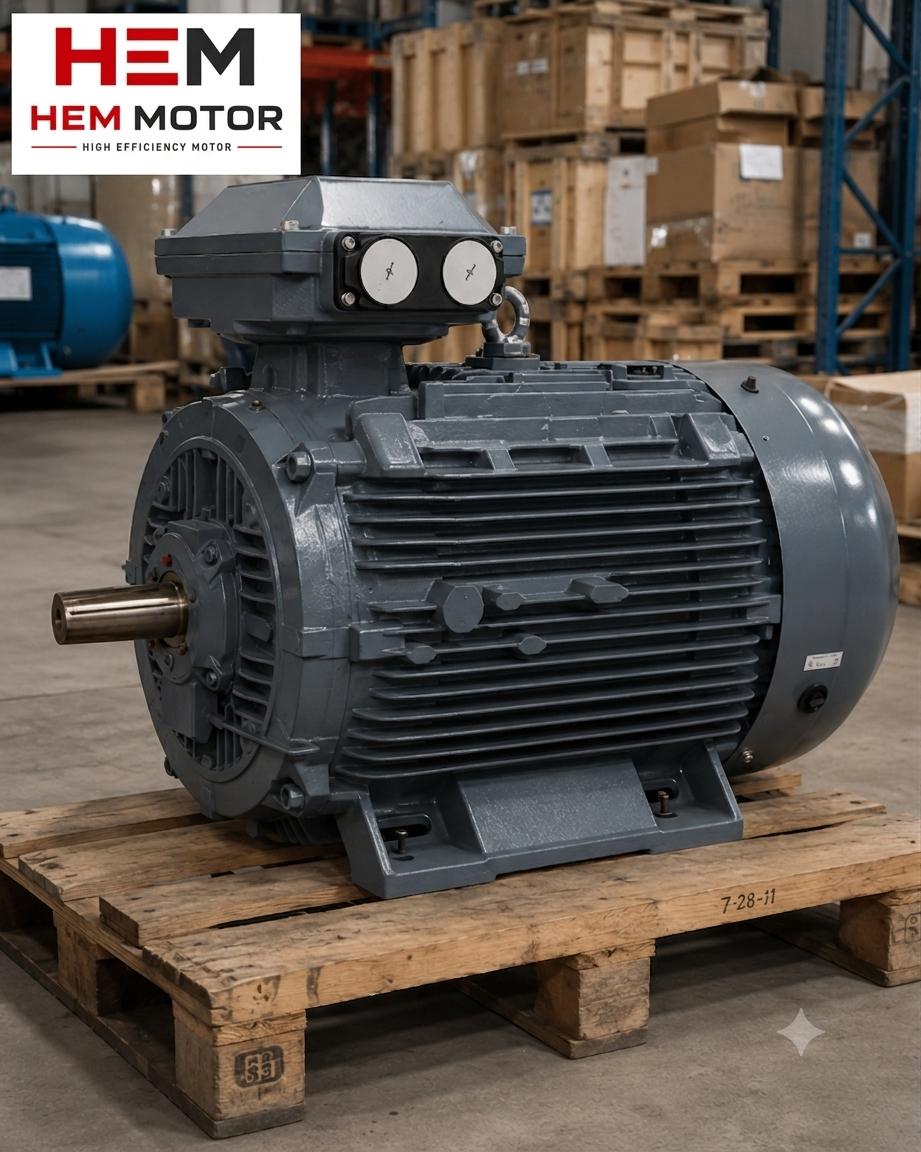
IP69K is the top level of protection against washing with high-pressure and high-temperature water jets. It may be required on meat, dairy and food processing lines where hygiene rules are strict and the motor is regularly washed with pressurized hot water. This class requires special sealing and frame design; if your project requires this level, be sure to state it at the quotation stage.
Choosing the Right IP Class for Your Environment
For a practical approach, evaluate your environment on two axes: how much dust, how much water. In an enclosed, clean, dry facility, IP55 is enough. If dust density is high but there is no water contact, IP65 is the right choice. If there is both dust and water (rain, washing, open site), move up to IP66. On food lines involving hygienic washing, IP69K is considered. Depending on ambient conditions, not only IP but also frame material matters; our article cast iron or aluminum frame addresses the frame decision according to ambient conditions. For corrosion and open-site use, our article on corrosion protection in cast iron body motors also explains additional protective measures.
The Terminal Box and Cable Gland Determine IP Protection
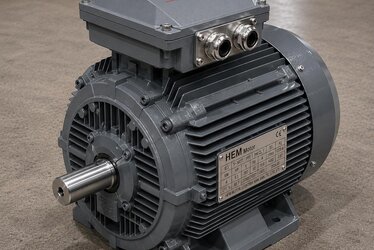
The IP protection of a motor is provided not only by the frame but also by the terminal box and cable entry. A wrong gland choice or loose assembly can leave even an IP66 motor open to water. Therefore, as much as the IP class of the motor, a suitable IP-rated gland and correct connection are critical. To examine the terminal box and gland selection in depth, our article on motor terminal box and cable connection details correct gland selection and IP protection. You can also see our article on motor selection in hot and dusty environments for the insulation class decision.
The Cost of the Wrong IP Choice
Choosing too low an IP class causes early motor failure; requesting a higher IP than needed unnecessarily strains your budget. The right balance comes from defining your environment correctly. It is illogical to risk a high-efficiency investment such as an IE4 super premium motor with the wrong IP class. Describe your environment to us and let us determine the right protection class for you.
Frequently Asked Questions
What is the difference between IP55 and IP65, which should I buy?
IP55 is dust-protected; a small amount of dust may enter but does not disrupt operation. IP65 is fully dust-tight, no dust gets in. Both resist low-pressure water jets. Prefer IP65 in very dusty environments (mills, cement, feed) and IP55 in normal industrial environments.
Which IP is needed for a motor working in the rain in an open site?
Since there is both dust and rain/water in an open site, we recommend at least IP66. IP66 is fully dust-tight and resistant to powerful water jets. Additional protection against corrosion risk and a suitable frame material should also be evaluated.
Does a high IP class lower the motor efficiency?
No. The IP protection class is independent of the motor efficiency class (IE3, IE4). Choosing a higher IP does not lower efficiency; it only increases the motor resistance to dust and water. You can supply an IE4 motor as IP66 as well.
Get a Quote
Tell us about the dust and water conditions at your facility; let us determine the right IP protection class, frame material and gland selection for you. As HEM Motor, we match the suitable three-phase motor for your project from IP55 standard production up to higher protection classes on request and provide a fast quote. You can call us at +90 (532) 345 49 86 or reach us via our contact page.