English
 Français
 Türkçe
 Español
 Русский

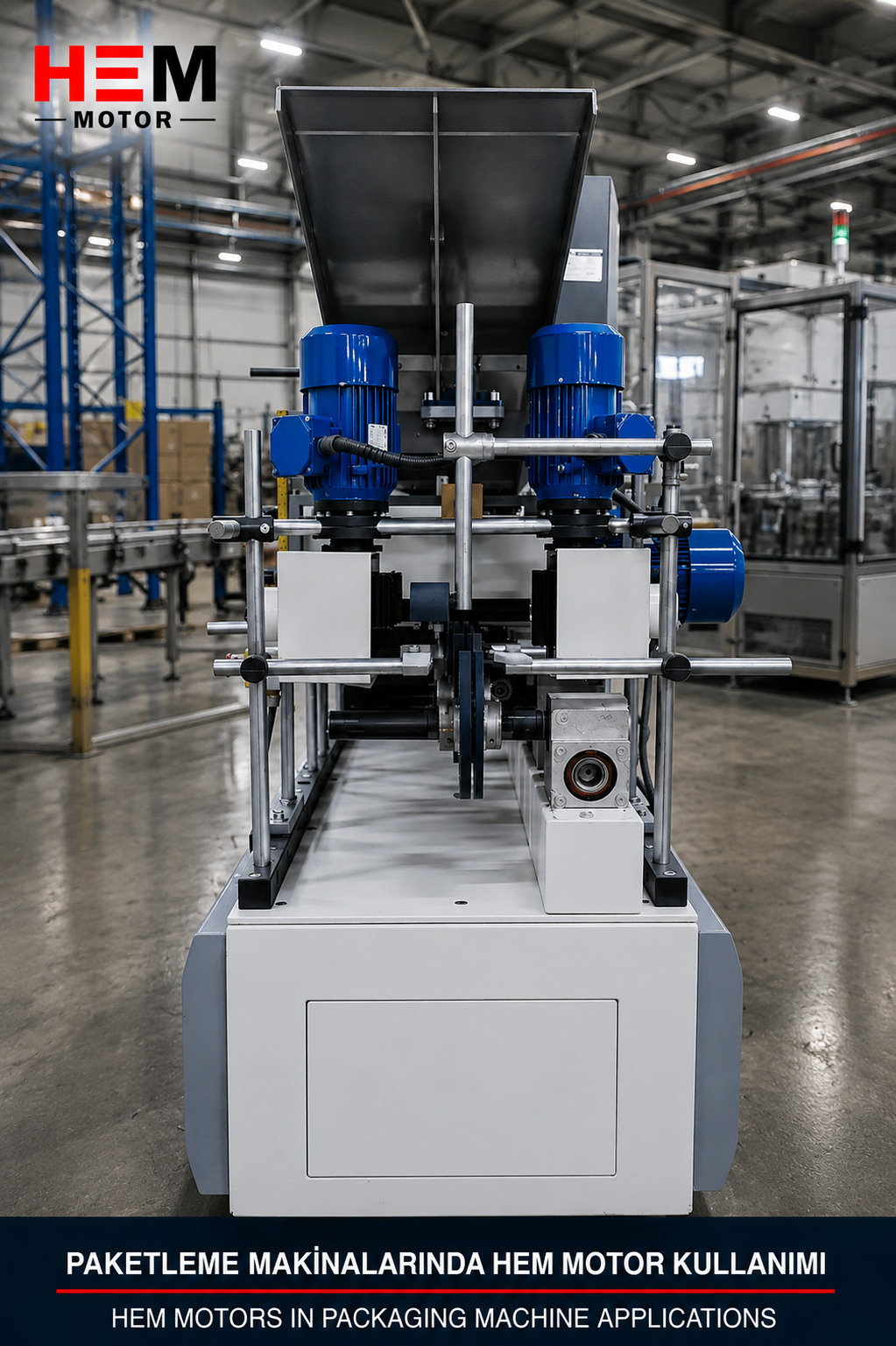
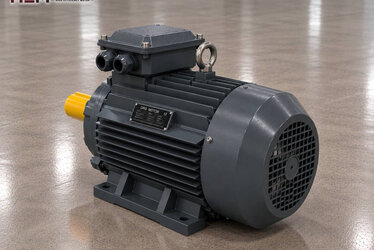
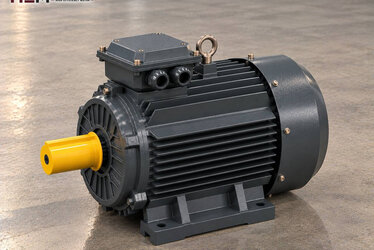
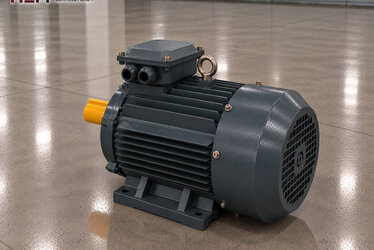
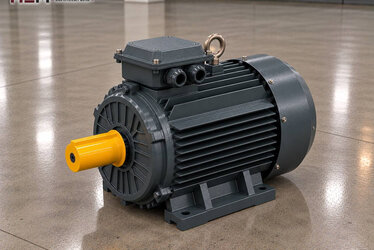
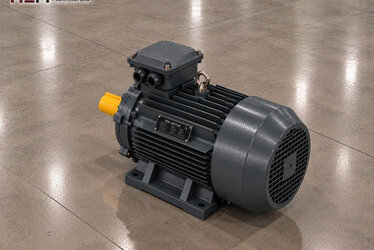
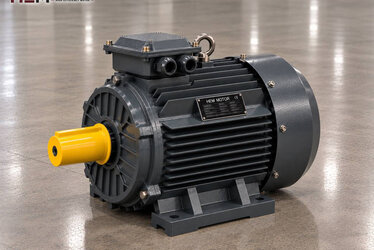
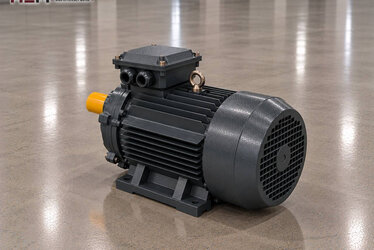
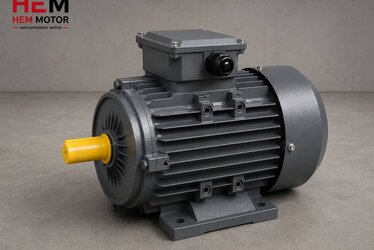
The last metres of a production line usually belong to packaging machines. The product is weighed, filled, closed, labelled, cased, palletised and wrapped before shipping. Each of these tasks is done on a separate machine, and inside each machine there are several electric motors with different jobs: one carries the product, one pulls the film, one turns the turntable, one blows hot air. This page explains which jobs the standard asynchronous motor does in packaging machines and what to look at when choosing it; the packaging machines themselves are not found in HEM Motor's 2026 catalogue, what we supply are the three-phase and single-phase motors inside these machines.

The jobs a motor does on a packaging line
In packaging machines part of the motion is done by servo or stepper motors: the position of the cutting knife, label placement and precise control of the filling dose are jobs for such drives. These motors are outside the scope of our 2026 catalogue. The standard asynchronous motor takes on the parts of the line that turn continuously, are heavy or only need coarse speed adjustment: conveyor belts, turntables, film pulling and winding rollers, fans, vacuum pumps, hydraulic units and compressors.
Making this distinction from the start makes motor selection easier. The machine's technical file states which movement is done by a servo and which by an asynchronous motor; the nameplate of the motor to be replaced also prevents mistakes here.
Pallet wrapping, shrink and paper converting: the sub-pages
The pallet stretch wrapping machine motor sub-page covers the drives of the turntable carrying the pallet, the carriage moving the film up and down and the pre-stretch rollers that stretch the film in advance. The turntable starts with a loaded pallet and must accelerate and stop gently on every cycle; otherwise the load on the pallet shifts.
The shrink wrapping machine motor page examines the belt carrying products into the tunnel, the film sealing and cutting unit and the fan circulating hot air inside the tunnel. The fan motor does not take the heat directly but works right next to the hot tunnel, so its ventilation and access for maintenance become important.
The paper and board converting machine motor page deals with the main drive and the unwinder and rewinder motors of corrugated board, cutting, folding and gluing machines. On these machines keeping the speed constant and maintaining paper tension come to the fore, so operation with a drive is common.
Start frequency, speed adjustment and heating
In packaging machines the motor load is not large, but the cycle is short. A case belt or transfer conveyor may stop and start for every product. Frequent starting produces more heat than continuous load, because at each start the motor briefly draws a high current. That is why the number of cycles per hour is an even more important piece of information than power when selecting the motor. If you want to track how hot the winding gets, a PTC or PT100 winding sensor can be added to the order.
Line speed is often matched to the previous machine. Our three-phase motors are suitable for frequency converter operation; however, if the motor is to deliver full torque while turning slowly for long periods, its own fan may not be enough for cooling and a separate fan needs to be added. If the drive and the motor are far apart, a filter at the output protects the winding. It is enough to write these conditions at order stage; details are on the inverter-compatible electric motors page.
Low power, compact frames and the single-phase option
Most motors in packaging machines are below a few kilowatts and must fit into a tight space inside the machine body. In this power range aluminium frame models are often preferred because they are light and compact. In small workshops without three-phase power, or for stand-alone table-top machines, single-phase electric motors are an option; this series covers 0.18 kW to 5.5 kW.
In conveyor and turntable drives the motor is usually connected to a gearbox. For connection details of geared arrangements see the electric motors for reducers page. These motors are fixed to the machine either by their feet (B3), by their flange (B5, B14) or by both (B34, B35); for drives that stand vertically there are also V1/V3/V5/V6/V15 positions, and which can be supplied depends on frame size. We check the flange and shaft dimensions that must fit the gearbox together at order stage.
The packaging motor in food and cleaning environments
A large part of packaging lines are in food, beverage, cosmetics and pharmaceutical plants. The motor of a packaging machine usually does not touch the product, but when the line is cleaned, water and cleaning agents can reach the motor. Our motors come with IP55 frames and class F insulation. In a section of the line washed with pressurised water, a standard IP55 motor is not designed for this job; the machine builder needs to install a device protecting the motor, or a special motor must be used; state this in your order. A motor surface in direct contact with food or one requiring hygienic design is not offered in this series.
In dusty environments, for example flour or powder filling lines, regular cleaning of the fan cover and fins is an adequate measure for keeping the motor running cool.
Sample motor table by packaging machine
| Packaging machine | Motor's task | What stands out in selection | HEM sample model |
|---|---|---|---|
| Pallet stretch wrapper (turntable) | Turning a loaded pallet slowly | Soft start, gearbox | 0.75 kW 1500 rpm 80M2-4 |
| Shrink tunnel fan | Circulating hot air | Proximity to heat, fan speed | 1.5 kW 1500 rpm 90L-4 |
| Case and transfer belt | Carrying product between stations | Cycles per hour | 0.37 kW 1500 rpm 71M2-4 |
| Paper/board converting main drive | Driving the line at constant speed | Speed control with a drive | 4 kW 1500 rpm 112M-4 |
| Vacuum pump (form-fill) | Providing continuous vacuum | Continuous duty, direct coupling | 3 kW 1500 rpm 100L2-4 |
The models in the table are examples; the final choice is made according to the machine's load, the required speed, the mounting and the operating conditions. The nameplate of the motor to be replaced is the soundest reference.
What information is needed for a quote?
When asking for a motor for a packaging machine, write the machine type and make, which movement the motor performs, the required power and speed, the supply voltage (three-phase 400 V or single-phase 220 V), the mounting type, the number of cycles per hour and the quantity. If you are looking for a replacement for a faulty motor, sending a nameplate photo is the shortest route.
Models and current prices are in our shop; our WhatsApp and phone details are on the contact page.
Frequently Asked Questions
Can an asynchronous motor replace the servo motor in a packaging machine?
Usually not. A servo motor is used for position and precise speed control; an asynchronous motor does not do this job with the same accuracy. The standard motor is suitable for the continuously turning parts of the machine such as belts, turntables, fans and pumps.
Why should the turntable motor of a stretch wrapper start slowly?
A loaded pallet can be thrown off balance by a fast start, or the cases on it can shift. A gradual start and stop with a drive or soft starter protects the load and does not strain the gearbox.
Is a single-phase motor enough for a small packaging machine?
In workshops without three-phase power the single-phase series (from 0.18 kW up to 5.5 kW) can be used. For jobs with frequent starts or speed adjustment by a drive, a three-phase motor with a drive is a more flexible solution.
How should I protect the motor on a filling line that is washed down?
At a point washed directly with pressurised water, a standard IP55 motor is not enough. The machine builder needs to take a measure such as a shield or enclosed compartment, or a special motor must be used; this requirement should be written in the order.