English
 Français
 Türkçe
 Español
 Русский

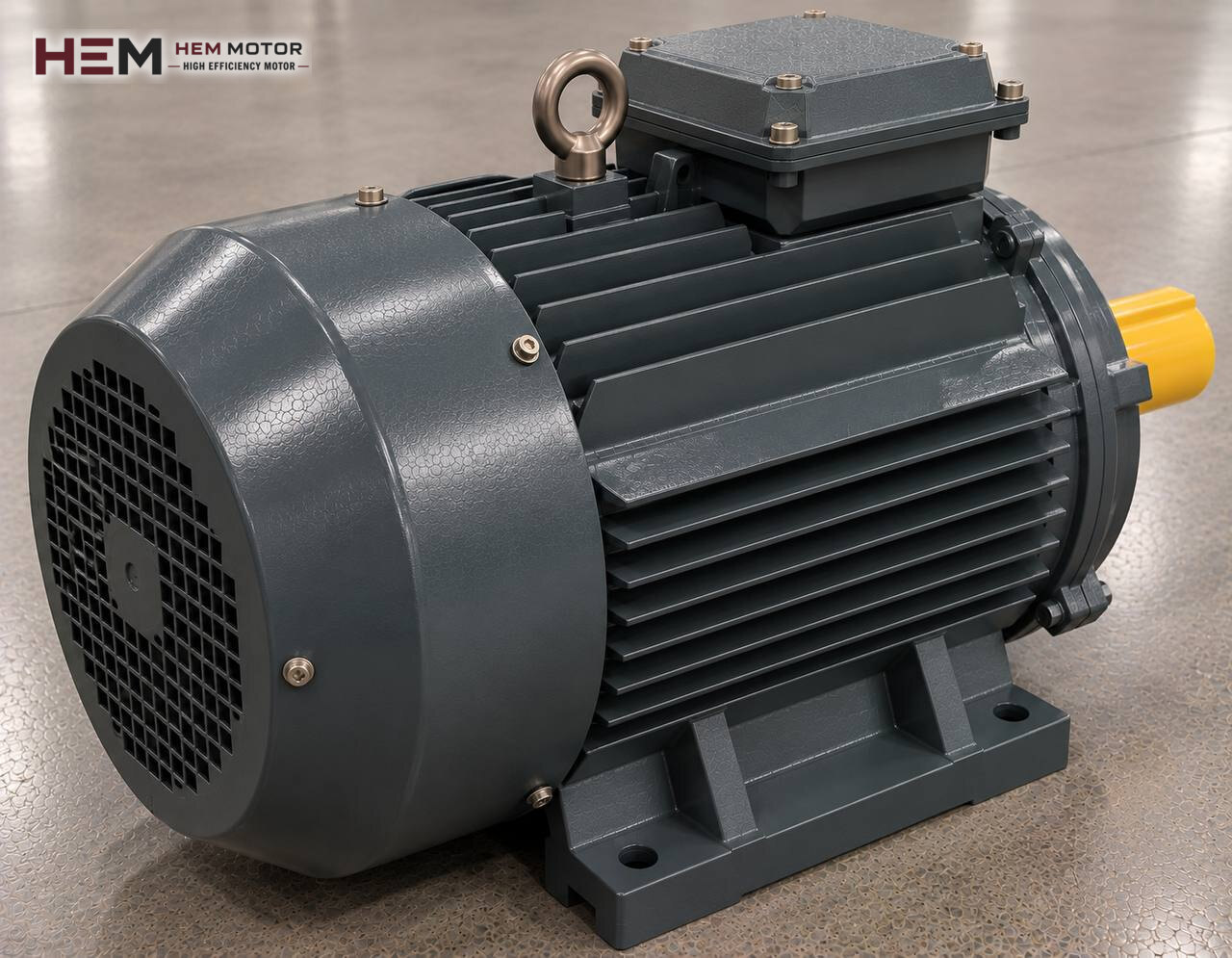
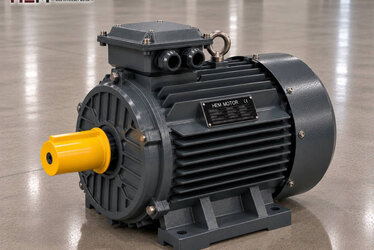
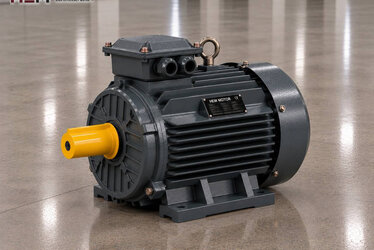
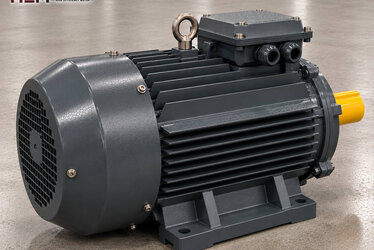
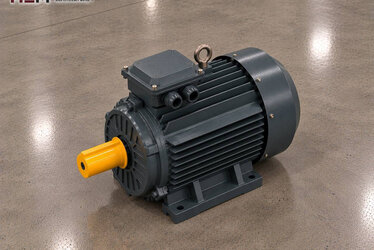
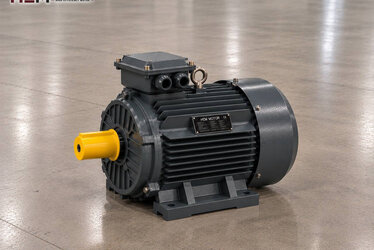
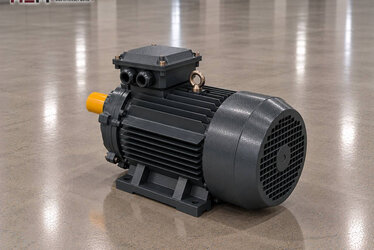
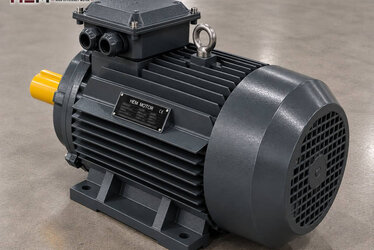
Lathes, milling machines, drills, saws and grinders work with the same need everywhere, from a small repair shop to a plant turning out series parts: a dependable electric motor that turns the spindle at the required speed without dropping off during the cut. To see drives for other industries, browse the list of electric motors for industries. This page draws the overall picture of workshop machines; the details of each machine are covered on its own sub-page.

Machines the motor touches in a workshop
Most motors in a metal workshop sit out of sight: in the cabinet under the lathe, behind the column of the mill, on top of the drill head or beside the pulley housing of the saw. All of them can run on a three-phase induction motor, but each has a different load pattern.
On a lathe the workpiece rotates and the tool stays still; on a mill it is the other way round, the cutter rotates and the workpiece advances with the table. On a drill the spindle both rotates and moves down. A band saw motor produces continuous band movement, while on a grinding and polishing machine the abrasive belt or felt wheel turns at a constant speed. These differences decide the number of poles, the mounting arrangement and whether the motor has to reverse.
Main spindle and feed on metal-cutting machines
On a conventional lathe and a universal mill the main spindle motor is usually 4-pole, i.e. in the 1500 rpm class. The motor passes its power through a belt to a gearbox; the operator selects a gear step with levers to change the spindle speed. In this arrangement the motor runs at one fixed speed and the gears provide the speed range.
On a mill the table feed is often done by a separate, smaller motor; on a lathe the feed is taken from the main spindle through gears. Both machines also have a small coolant pump that carries cutting fluid. A single machine can therefore have two or three motors of very different power.
On a pillar drill the motor stands vertically on top of the head; belt steps on pulley models and gear steps on geared-head models set the speed. When tapping, the spindle reverses frequently.
Cutting, sanding and surface finishing machines
A metal band saw runs for long periods at a low band speed; the motor often turns the wheel through a reducer or worm gearbox. Belt grinders and polishing machines, on the other hand, need a high belt speed, and the motor is chosen as 2- or 4-pole; here metal dust and sparks are the real problem for the motor's cooling fins.
For drives working with a reducer, flange and coupling topics are covered separately on the electric motors for reducers page.
Profile, glass and washing lines
Workshop machines are not limited to chip-cutting work. Profile cutting saws, copy routers and corner cleaning machines in PVC and aluminium window workshops use small high-speed motors. In glass processing and glass washing machines the conveyor, brushes and grinding wheels turn with separate motors; water and mist can be close to the motor here. On car wash machines the brush, pump and fan drives work in a wet environment.
One note matters in wet areas: a standard IP55 motor is not designed to be washed with pressurised water or to stay under water. In such a case the machine builder's splash protection or a special motor is needed; state this in your order.
Example motor selection for workshop machines
| Machine | Motor's job | What to check | Example HEM model |
|---|---|---|---|
| Pillar drill | Turning the head spindle by belt or gears | Drill diameter, vertical mounting | 80M1-4 aluminium — 0.55 kW, 1,400 rpm |
| Universal mill | Main spindle plus separate table feed | Cutter diameter, gearbox input | 90L-4 aluminium — 1.5 kW, 1,445 rpm |
| Medium lathe | Driving the chuck spindle through gear steps | Centre distance, reversing frequency | 112M-4 aluminium — 4 kW, 1,450 rpm |
| Large-swing lathe | Long cuts on heavy workpieces | Chuck diameter, continuous load | 132M-4 cast iron — 7.5 kW, 1,460 rpm |
The models in the table are examples; the final choice depends on the machine's actual load, the required speed, the mounting and the workshop conditions. The nameplate of the existing motor is the most reliable starting point.
Electrical side: reversing, speed control, single phase
When cutting threads on a lathe or tapping on a drill, the motor often stops and starts in the opposite direction. This duty heats the winding; if there are many reversals per day, tell us, and a PTC or PT100 sensor can be added to the winding if needed. Some machines use a brake motor; if you need a brake motor, state it in your order.
Some workshops want to adjust speed with a frequency converter instead of gear steps. Our three-phase motors can be supplied from a drive; if the motor will stay at very low speed and full load for long periods, an independent cooling fan is considered, and if the cable from drive to motor is long, a dv/dt or sine filter. Write these operating conditions in your order.
Depending on size, frames are prepared in foot-mounted B3, flange B5 or B14, foot-and-flange B34/B35 and vertical V1, V3, V5, V6, V15 positions; flange and shaft dimensions are cross-checked at the order stage. Small premises with only a single-phase supply can look at the single-phase electric motor series covering 0.18 to 5.5 kW.
Information to send for a quotation
So that we can find the right motor, write the machine type (lathe, mill, drill, saw, grinder), the motor power (kW), speed (rpm), supply voltage, mounting (foot, flange, vertical), whether the motor reverses and how many units you need.
If the old motor's nameplate is readable, a photo is often enough; how to do this is explained in the article on finding an equivalent motor from the nameplate. You can see models and current prices in our electric motor shop, or go to the contact page for WhatsApp or phone.
Frequently Asked Questions
What can replace the two-speed motor on my old lathe?
Two-speed (Dahlander) wound motors are not included in HEM Motor's 2026 catalogue. On such a machine, a single-speed motor with a frequency converter should be assessed by an electrician together with the machine's switch circuit.
Which speed is more common on workshop machines?
On lathes, mills and drills the main spindle motor is mostly in the 1500 rpm class; gears or pulleys provide the speed range. The 3000 rpm class is also seen on grinders and some profile machines. The exact value should be read from the old motor's nameplate.
Is a separate motor needed for the coolant pump?
On most machines the pump comes with its own small motor. Our smallest three-phase model is 0.25 kW; for special pump motors smaller than that, the pump manufacturer should be consulted.
Does metal dust harm the motor?
Dust does not enter the winding directly, but it coats the fan cover and frame fins and reduces cooling. Where sanding and grinding are done, cleaning the motor frame regularly prevents overheating.