 English
 Français
 Türkçe
 Español
 Русский

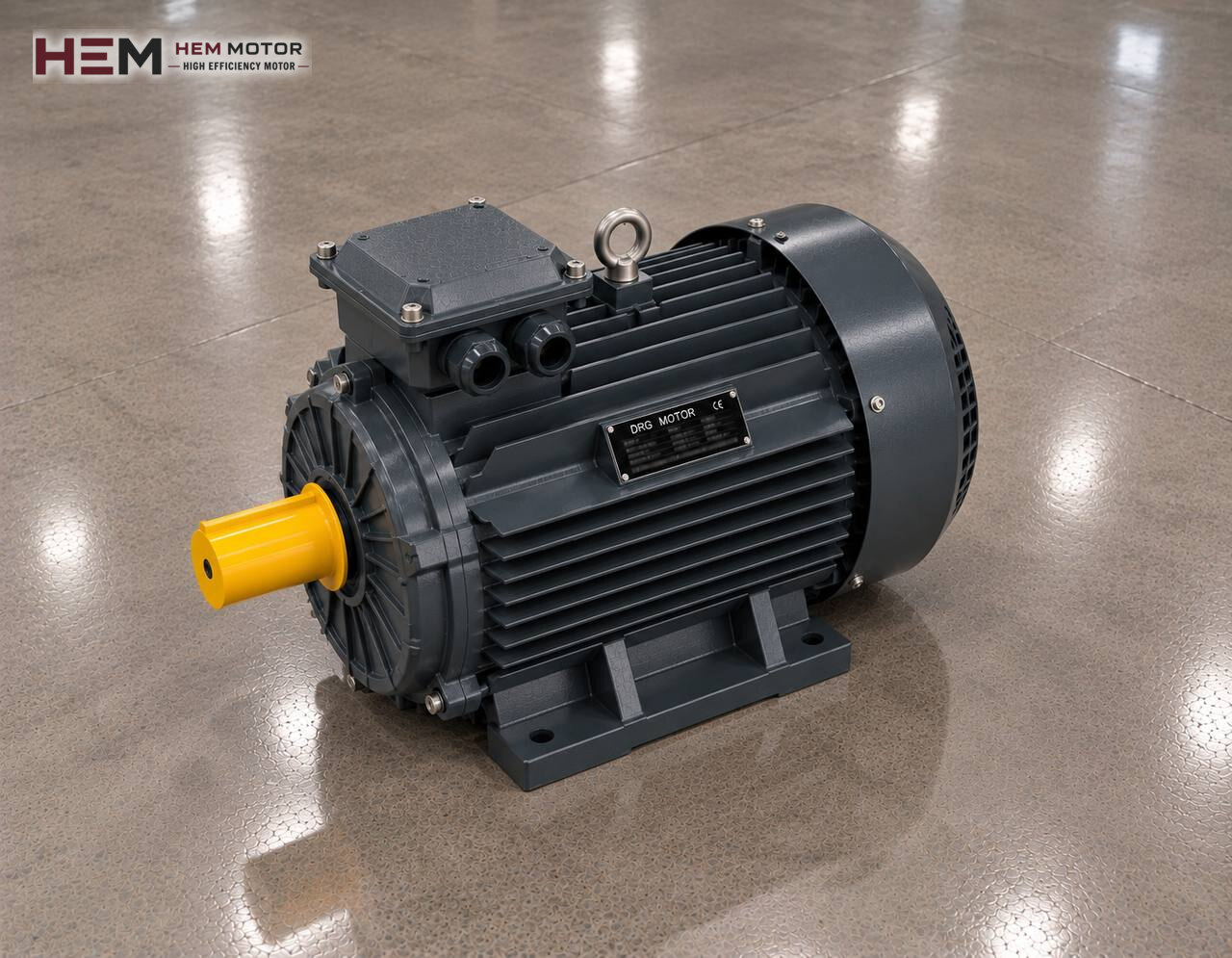
- 1. What does IP55 on the electric motor nameplate mean, and can higher protection be ordered?
- 2. What does class F insulation mean?
- 3. At what ambient temperature and altitude does an electric motor deliver full power?
- 4. What changes in selection if the electric motor will run inside a closed cabinet or a narrow compartment?
- 5. How is cooling maintained for an electric motor running in a dusty environment?
- 6. What should be considered for an electric motor running in a humid place or where condensation occurs?
- 7. Why does an electric motor heat up?
- 8. How hot can an electric motor frame get and still be normal?
- 9. If an electric motor is overheating, what should be checked first?
- 10. How is electric motor winding temperature monitored with a PTC or PT100 sensor?
- 11. When does an electric motor bearing need grease?
- 12. What causes an electric motor to hum, whine or growl?
- 13. Why does an electric motor vibrate?
- 14. What does the current an electric motor draws at no load indicate?
- 15. When and how is an electric motor insulation resistance (megger) test done?
- 16. How should an electric motor be lifted and transported, and can it be hung by the shaft?
- 17. How should a spare electric motor be stored in a warehouse?
- 18. What should be checked before starting an electric motor that has been in storage for a long time?
- 19. What checks are done when a new electric motor is started for the first time?
- 20. What is done during periodic maintenance of an electric motor?
This page brings together questions about the environment, heat, bearings and upkeep of an electric motor in service: what IP55 and class F on the nameplate mean in practice, why a motor heats up and which signs point to a fault, when a bearing needs attention, and how to prepare a motor that has been sitting in storage.
The answers are based on the operating conditions and maintenance recommendations in the HEM Motor 2026 technical catalogue. Exact values depend on the motor model; if in doubt, contact us with the nameplate data of your motor.
If you are looking for a spare or a replacement for an existing motor, you can browse suitable models in the buy electric motors section. For special needs such as ambient conditions, sensors or an anti-condensation heater, write to us on WhatsApp; if you send a photo of your current motor's nameplate through the send a motor nameplate page, we will identify the equivalent model together.
Send the motor power, speed, mounting type and quantity on WhatsApp. If you are replacing an existing motor, you can also send a photo of its nameplate.
Ask on WhatsApp