English
 Français
 Türkçe
 Español
 Русский
 العربية

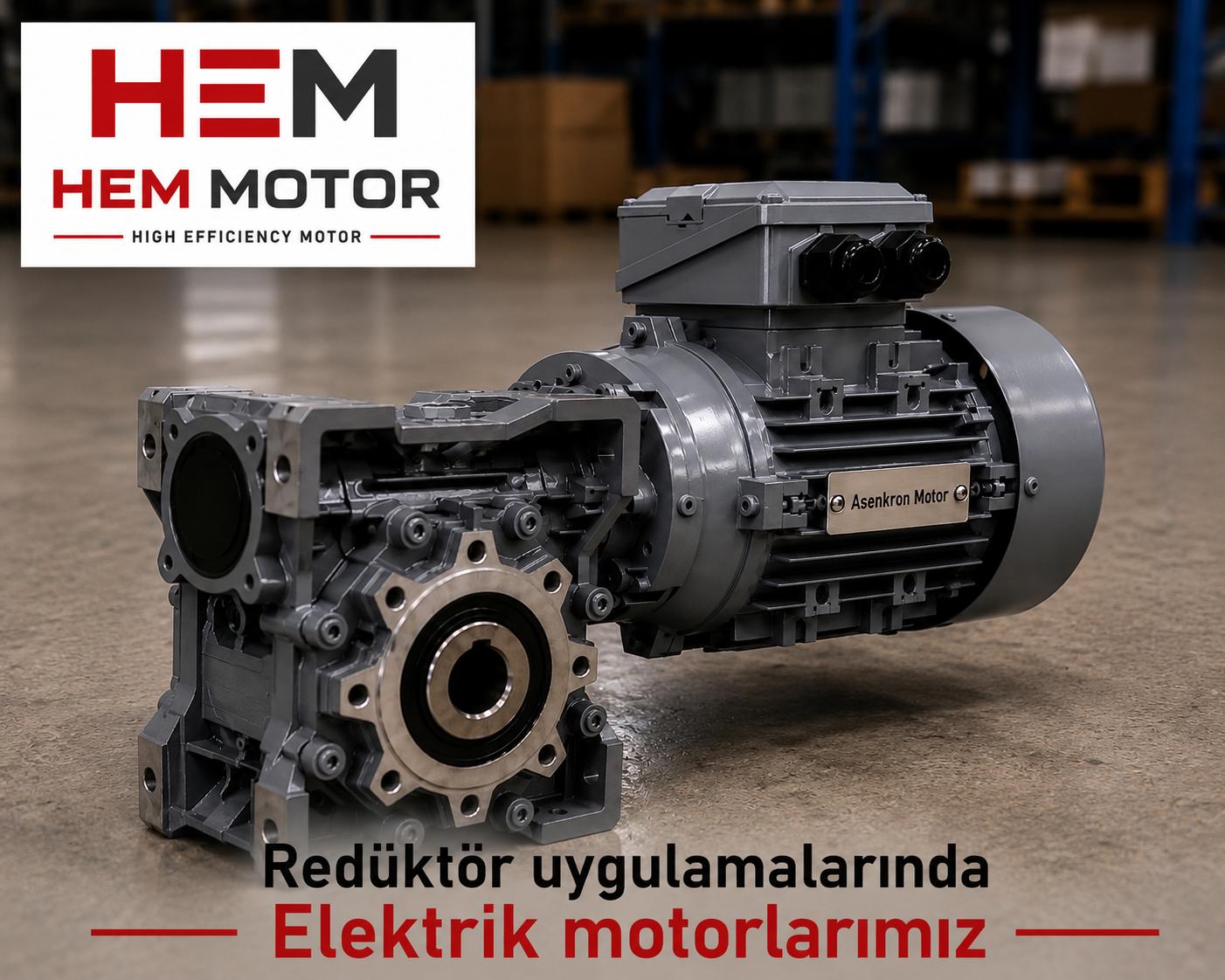
A geared electric motor is a drive unit in which an electric motor works together with a gearbox (reducer). The gearbox lowers the motor speed and raises the output torque in the same ratio. Geared motors drive machines that need low speed and high torque, such as conveyors, mixers, screw conveyors, elevators and rotary drums.
HEM Motor gearbox types
Worm gearboxes: frame sizes HEM30 to HEM130; compact design with right-angle output.
Bevel-helical gearboxes (K series): high efficiency and high torque at a right-angle output.
Foot-mounted helical gearboxes (M-HEM series): in-line output with foot mounting.
Helical parallel-shaft gearboxes (HF series): a compact parallel-shaft solution for tight spaces.
The motor side
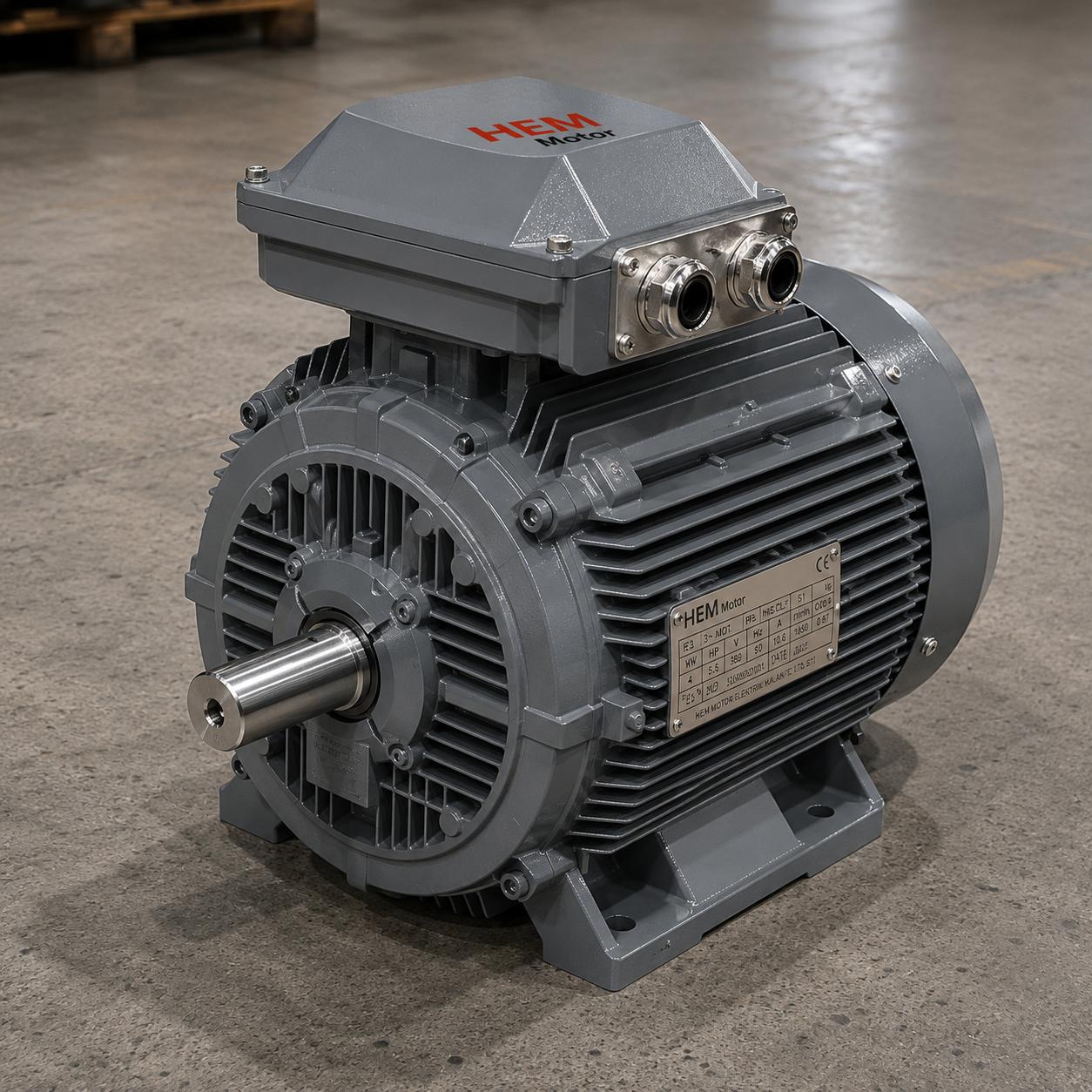
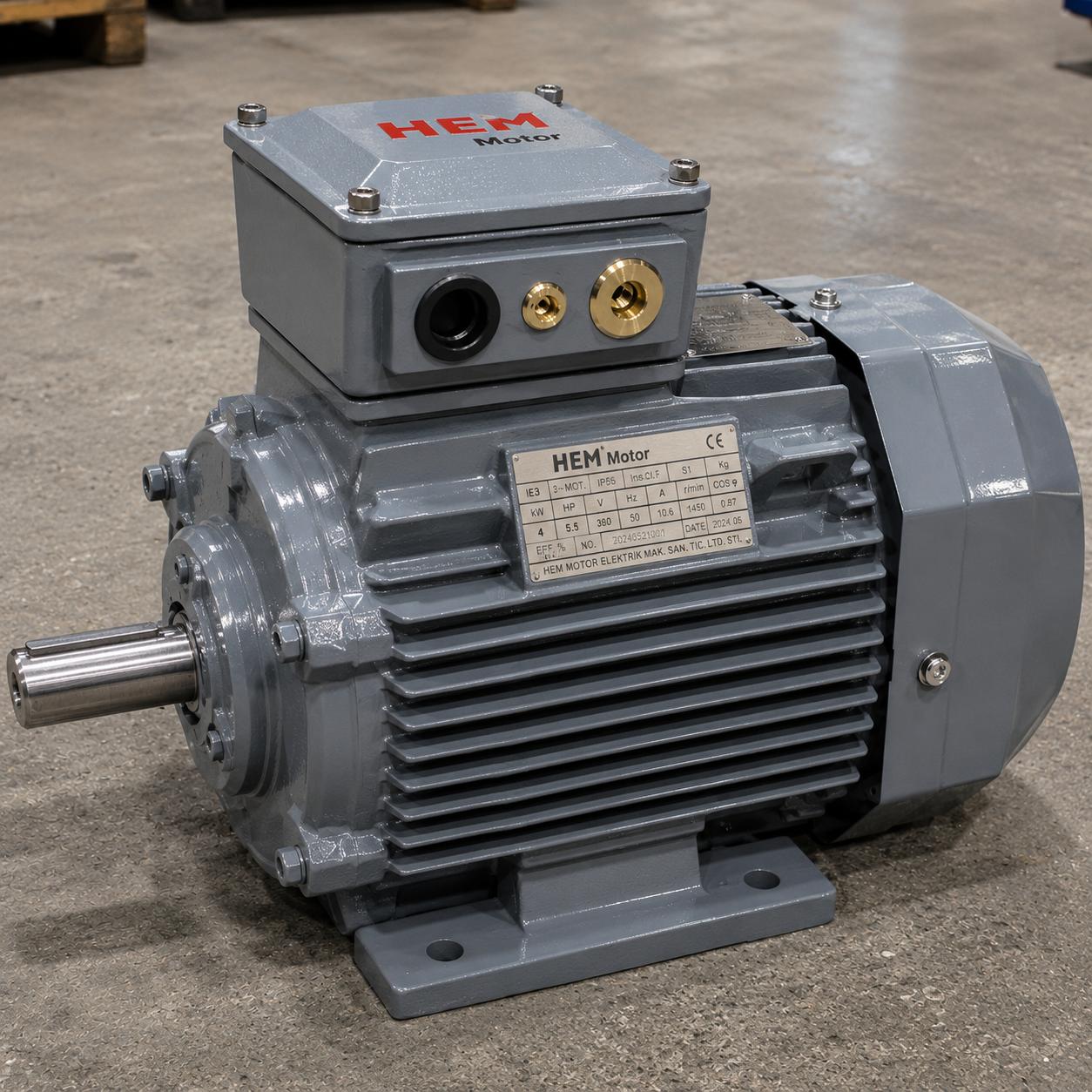
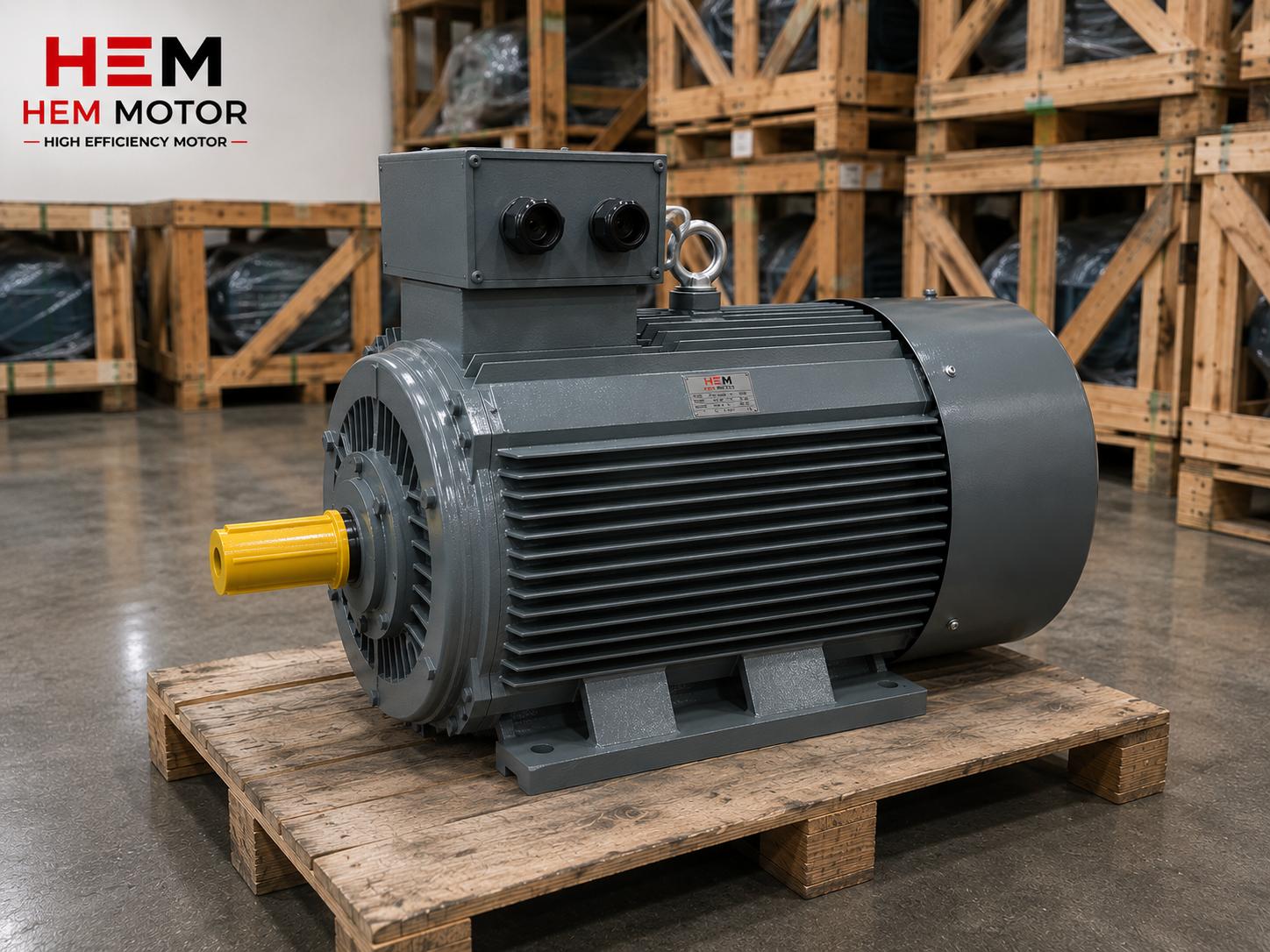
Geared drives mostly use 4-pole (≈1500 rpm) or 6-pole (≈1000 rpm) three-phase induction motors. The motor is usually connected to the gearbox with a B5 or B14 flange. For suitable motor options see our electric motors for gearboxes page. The motors are IP55, class F insulated and suitable for inverter speed control.
Information needed for the right selection
Output speed: the machine's shaft speed (rpm). The gear ratio is the motor speed divided by this value.
Output torque or power: the general relation is M (Nm) ≈ 9550 × P (kW) / n (rpm). At the same power, torque rises as speed falls.
Duty: daily running time, shock loads, starts per hour.
Mounting position and shaft: foot / flange, solid / hollow shaft, output direction.
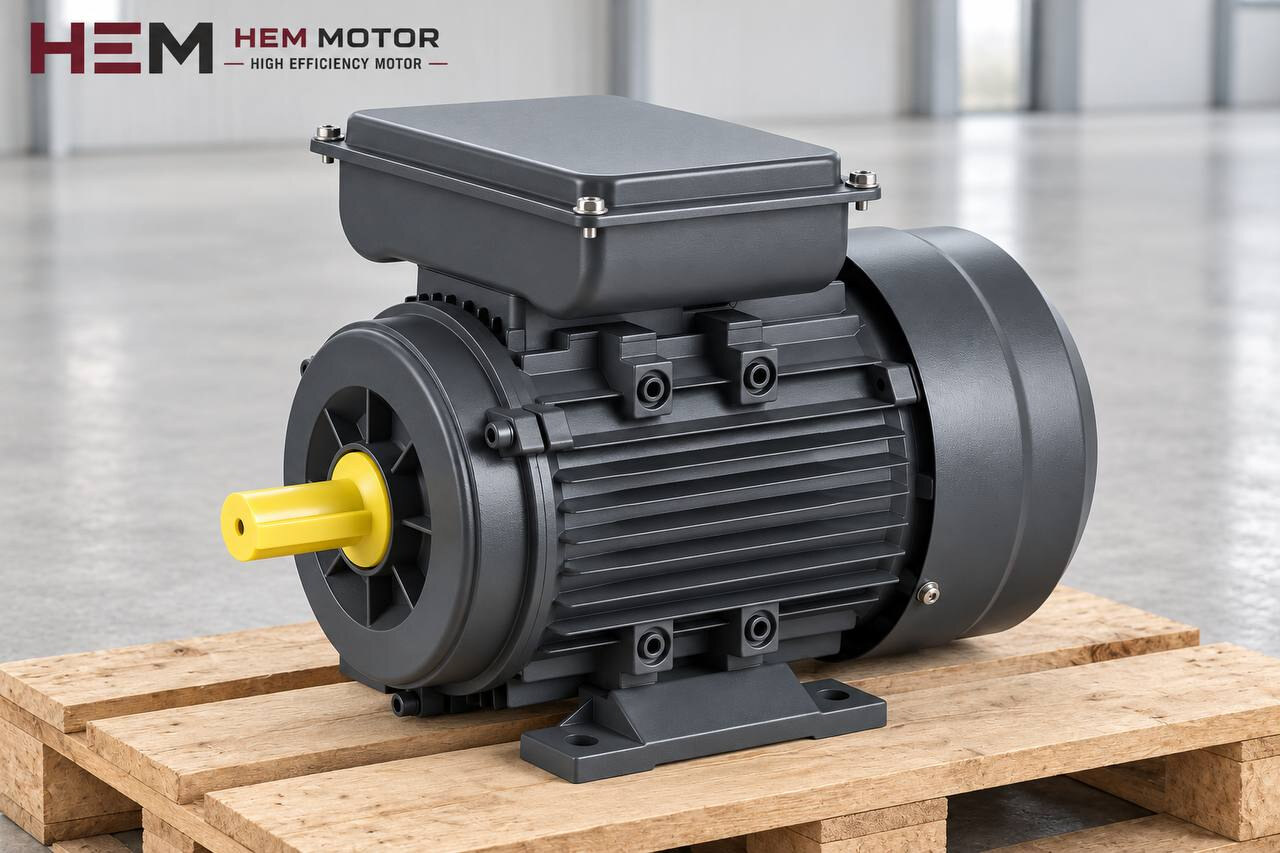
Voltage: 230/400 V or 400/690 V; a single-phase motor for small powers on a 220 V supply.
Model-specific values such as ratio, torque and service factor are set by our technical team for your application; do not select them by guesswork.
Get a quote
Send the output speed, motor power, mounting and application via WhatsApp or +90 532 345 49 86, and we will reply with a suitable motor-gearbox combination, price and delivery time. For motor prices see our price page.