English
 Français
 Türkçe
 Español
 Русский

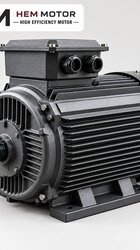

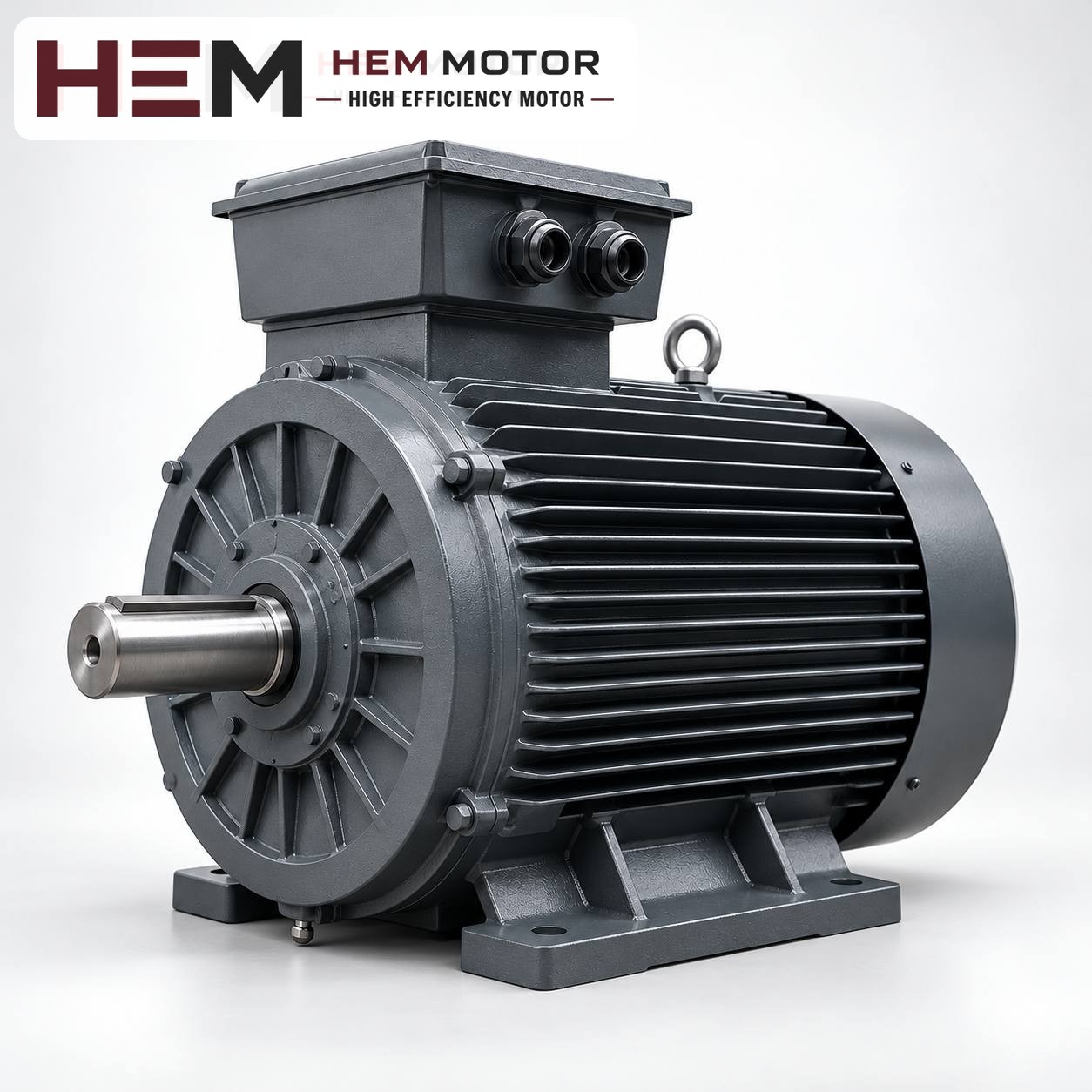

What strains the pump motor on a bottle washing machine is often not the electrical load but the motor's surroundings: steam rising from hot caustic solution, label pulp stripped off in the pre-wash, condensation forming during night stops, and pumps lined up along the machine's side wall warming one another. The right selection is therefore two steps: first read the flow–head and speed requirement of the pump in each washing zone from its nameplate, then decide where the motor will sit in this hot, chemical environment, with which protection and with which options.
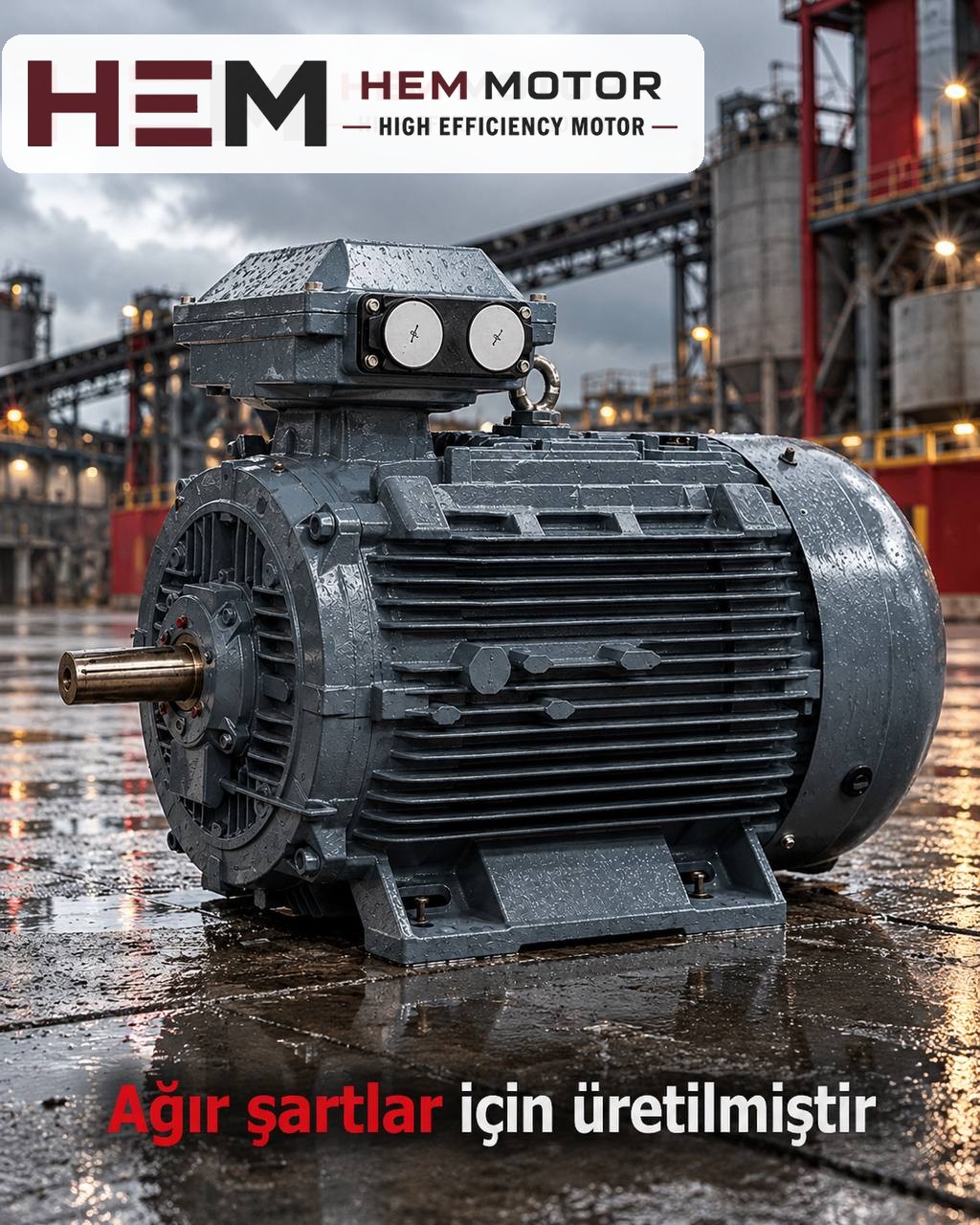
How many pumps run on a bottle washing machine?
A soaker-type (immersion and spray) bottle washer passes each bottle through zones of different temperature and chemical content in turn. Each zone has its own spray pump, and they are not of the same power:
- Pre-soak and pre-wash: Removes coarse dirt and the first part of the label. Label pieces floating in the water affect the pump in this zone most.
- Caustic bath circulation: Circulates the hot sodium hydroxide solution in the tank and passes it through the strainer. The solution is somewhat denser than water.
- Hot and warm rinse: Lowers the bottle temperature step by step and removes caustic residue.
- Cold and fresh water final rinse: Usually uses mains or treated water; the pump works in a cleaner medium.
- Label separator: A screen or belt drive that separates label pulp from the caustic bath; it is not a pump but a separate small drive motor.
The number of zones varies with machine capacity; on large lines the number of pumps can approach ten. In spare planning, recording each pump's nameplate one by one is far safer than assuming “they are all the same motor”.
Operating conditions that change pump load
These pumps are centrifugal, and the motor load depends on the resistance of the nozzle network. In a washing machine this resistance does not stay constant during the day:
- Nozzle clogging: When label fibre and sand partly close the nozzles, circuit resistance rises and flow drops. In a centrifugal pump this usually lowers the motor current; an unexpected drop in current is a sign of clogging.
- Suction strainer filling up: If label pulp closes the suction side, the pump cavitates; noise, vibration and fluctuating current appear. This is not a motor problem, but it puts vibration load on the bearings.
- Nozzles being cleaned or removed: Resistance drops at once, the pump rises to high flow and the motor draws its highest power. That is why current should be checked at the first start after maintenance.
- Solution density: Shaft power is proportional to liquid density. At the same flow and head, the caustic bath pump needs somewhat more power than a water pump; the difference is small but can exceed a motor selected at the limit.
Motor power is therefore selected for the right-most operating point on the pump curve, that is, operation with clean nozzles. The pole count is kept as well: the impeller and nozzle pressure are designed for the motor speed, and when a 4-pole motor is fitted to a 2-pole spray pump, the spray pressure becomes ineffective.
How do hot water and caustic vapour affect the motor?
Motors usually stand on the side of the machine, directly above or next to the tanks. The pump casing is full of hot solution, and steam rises through the gaps in the covers. Three effects the motor faces in this environment should be considered separately:
Heat
On a monobloc pump, heat passes from the hot casing to the motor flange; motors lined up side by side also warm each other's cooling air. Space must be left between motors for airflow, and the front of the fan cover must not be blocked. If the ambient temperature is high, the value is stated with the order; for plants that want to monitor winding temperature, a PTC or PT100 winding sensor is an option that can be selected at the order stage.
Moisture and condensation
A motor that warms up during production cools down when the machine stops at night, and the humid air trapped inside condenses. When this cycle repeats every day, winding insulation and bearing grease are damaged. For humid plants with long stoppages, an anti-condensation heater can also be selected at the order stage. HEM Motor's standard models come with IP55 protection and class F insulation; a position that is continuously wet or submerged is outside this protection class.
Chemicals
Caustic vapour and splashes act over time on the paint surface, the terminal box gasket and the cable entry. If caustic regularly splashes onto the motor, the source of the splash (cover gasket, overflow, gland) should be eliminated first. If the position requires a stainless frame or a coating specific to a chemical environment, this duty requires a special motor; it may fall outside the scope of the standard series in HEM Motor's 2026 catalogue, so ask us with the nameplate and application details.
Frame, mounting and wiring
In wet, vibrating washing sections, cast iron frame models offer a structure more resistant to impact and external influences. Monobloc pumps attached horizontally to the tank side wall use a flange (B5, B35) connection, while pumps placed vertically on top of the tank use shaft-down vertical mounting. Mounting arrangements are offered according to the frame and the flange size is confirmed with the order.
The position of the terminal box also matters: a terminal box with the cable entry facing upwards can let condensed water run inside. The cable should be connected so that it forms a drip loop below the entry, and the gland and gasket should be checked during maintenance. You can review suitable HEM Motor models and current prices on the buy electric motors page.