English
 Türkçe

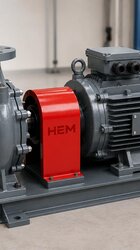
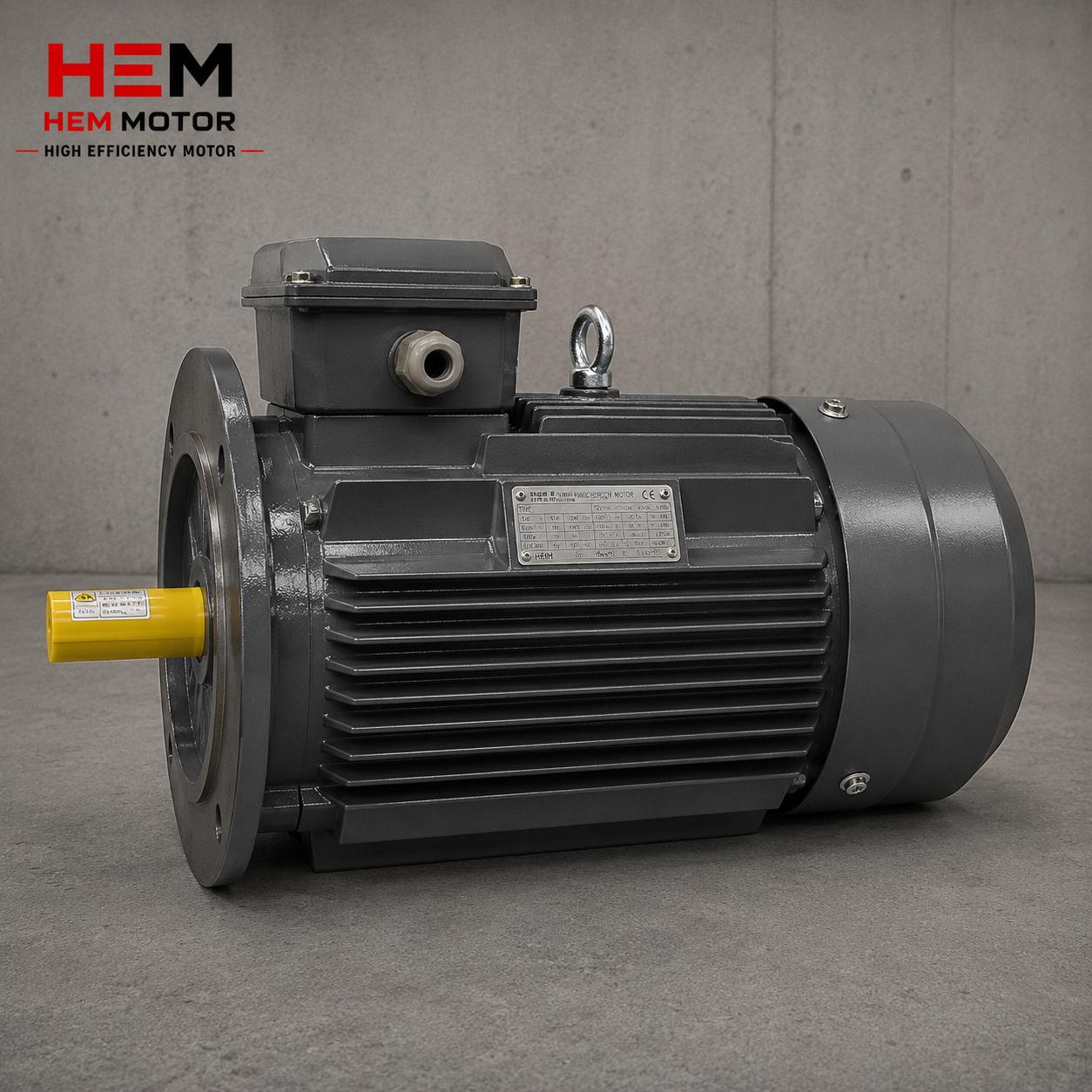

Ordering a motor in the horizontal version and then trying to fit it to a vertical pump or fan is one of the most common and most costly mistakes in the field. Because the motor's mounting position is not just a preference; it is a design decision that directly determines the oil-seal direction, the bearing load and the water/leak protection. In this article we explain, from a buyer's viewpoint, vertical-mounted electric motor selection, mounting positions such as V1/V5/V3, the difference between shaft-down and shaft-up, the oil seal and drip cover that are critical in the vertical position, flange types and, most importantly, how to state the correct IM code so the wrong motor does not arrive.
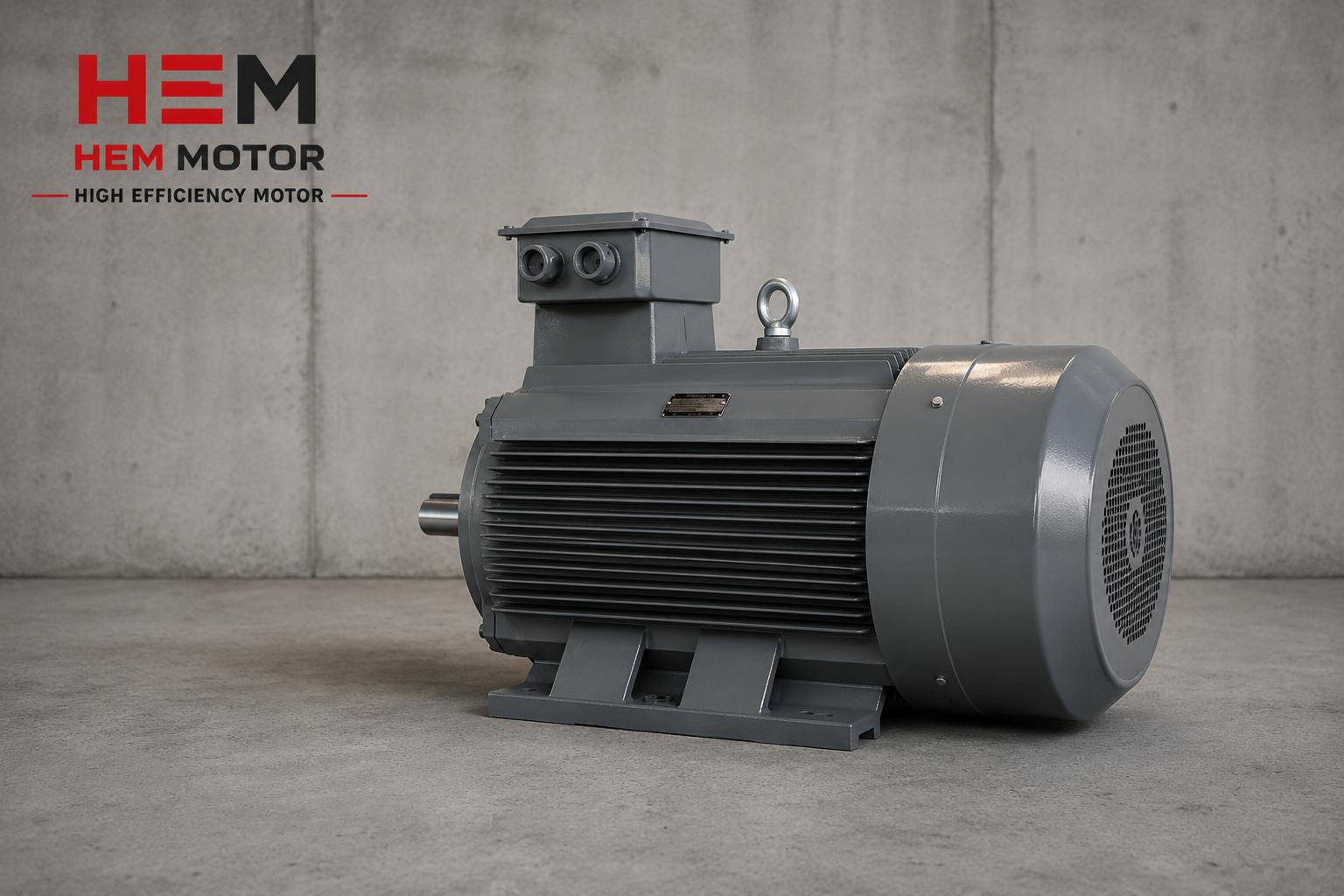
Why Is Mounting Position a Design Decision?
An electric motor's mounting position defines which way the shaft and flange face. Horizontal positions (foot-mounted B3, flange-mounted B5/B14) are common; but most pump and fan applications need the motor in the vertical position. In vertical mounting, gravity loads the bearings and sealing elements differently than in the horizontal position. So a vertical motor is not just a rotated horizontal motor; bearing selection, lubrication and seal direction are designed for the vertical position. You can find the general logic of mounting types in our B5 vs B14 mounting type selection article and on the product side in the electric motor mounting types page.
V1, V5 and V3 Vertical Mounting Positions
Vertical mounting positions are defined by IM (International Mounting) codes in the IEC standard. The most common vertical positions are:
- V1 (IM 3011 / IM V1): large flange on top, shaft pointing down. The most common position on vertical pumps. The motor connects via the flange with the motor on top and the pump below.
- V5: a foot-mounted motor fixed to a vertical wall/bracket with the shaft pointing down. Usually used on foot (B3-derivative) frames.
- V3 (IM 3031 / IM V3): flange on the bottom, shaft pointing up. Preferred in some fan and mixer applications.
- V6: vertical mounting of a foot motor with the shaft pointing up.
The critical distinction here is whether the shaft points down or up, because this completely changes the sealing and protection needs.
Oil Seal and Drip Cover in the Shaft-Down Position
In the vertical, shaft-down (V1, V5) position, the biggest risk is that water, dust and leakage from above enter the motor along the shaft. Two critical elements prevent this:
Oil Seal (Shaft Seal)
The oil seal at the shaft exit, in the vertical position, both protects the inside of the motor from the outside and prevents grease/oil leakage. In a vertical shaft-down application the seal constantly faces gravity and possible water drops; so a reinforced or double seal is preferred in vertical motors. We covered the topic in detail in our oil seal and sealing article.
Drip Cover (Rain Cover)
In the vertical shaft-down position, a drip cover is fitted to the fan cowl at the top of the motor. This cover prevents water and solid particles falling from above from entering through the fan inlet. In the open air, on cooling towers or in washed-down environments, a drip cover is almost mandatory when ordering a vertical motor. It must be evaluated together with the IP protection class; our IP protection class selection article guides you here. This detail is especially important on outdoor and fan motors; see our cooling tower and chiller fan motors article.
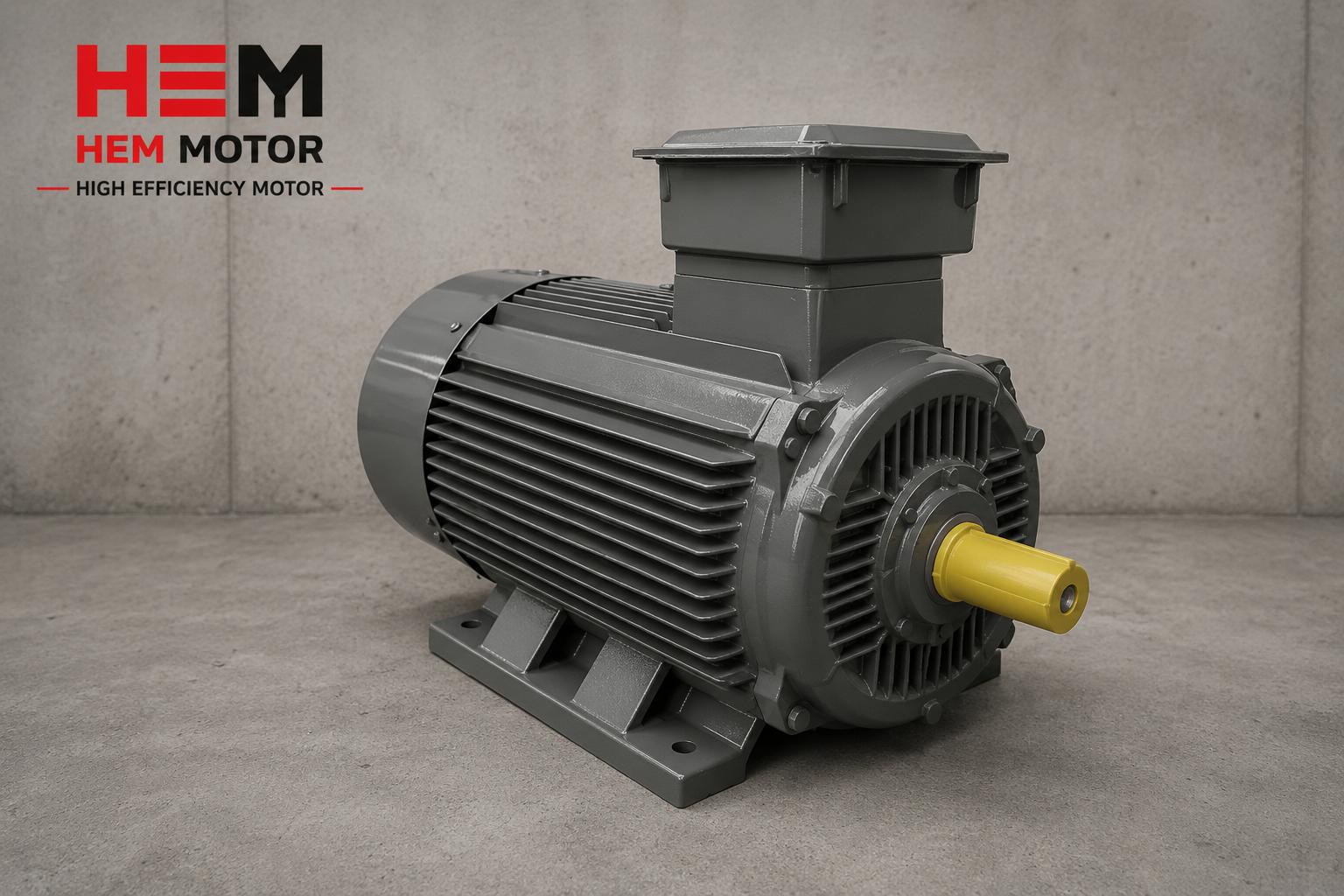
Flange Types and Vertical Connection
Vertical motors are usually flange-mounted. There are two basic flange types: large flange (B5 derivative) and small flange (B14 derivative). In the vertical V1 position the large flange is on top and the motor sits on the pump via this flange. In flange selection, the bolt circle, pilot diameter and flange thickness compatibility are critical; the wrong flange means the motor will not seat on the pump. We covered flange compatibility in our B5 vs B14 article. Shaft diameter, key and coupling compatibility are also decisive for the pump connection; see our shaft diameter and key dimensions article.
Vertical Drive in Pumps and Fans
The most common use of vertical motors is vertical-shaft pumps and axial fans. In vertical-shaft centrifugal pumps, deep-well pumps and booster sets, the motor usually runs in the V1 shaft-down position. For correct motor selection in these applications, see our centrifugal pump motor selection, deep-well pump motor selection and booster motor replacement articles. On the fan side, for vertical axial fans our centrifugal and axial fan motor selection article guides you. In the HEM Motor range, pump electric motors and industrial fan motors are offered with options suited to vertical positions.
The Correct Order Code (IM Code)
The most critical step in ordering a vertical motor is to state the mounting position clearly with the IM code. Saying just vertical is not enough; whether the shaft is down or up, foot or flange, and whether a drip cover is needed must be written clearly. For example, for the V1 position the code IM V1 (IM 3011), the drip cover requirement and the flange type must be stated in the order. A wrong IM code leads to a motor arriving that cannot be mounted in the field. To avoid this mistake, our avoid wrong motor delivery: nameplate matching and pre-quote information to give when requesting a quote articles make your job easier. When replacing an old vertical motor, follow the steps in our old-brand motor direct replacement article.
Bearings and Axial Load in Vertical Mounting
Vertical mounting loads the bearings differently than the horizontal position. In a horizontal motor the weight bears on the bearing in the radial (sideways) direction; in a vertical motor the weight of the shaft and the attached pump impeller loads the bearing in the axial (lengthwise) direction. So vertical motors often need a bearing arrangement able to carry axial load. A wrongly selected bearing wears quickly and vibrates in the vertical position. We covered bearing type and life in our bearing types and life and cast-iron motor bearing and bearing life articles. In vertical pump applications, the axial thrust created by the pump impeller must also be taken into account; so it is safest to order the vertical motor with the bearing arrangement recommended by the pump manufacturer.
IP Protection and Outdoor Conditions
Vertical shaft-down motors often run in the open air, on cooling towers or in washed-down environments. So IP protection class selection is critical in vertical mounting. While standard IP55 is enough for many environments, IP65/IP66 may be needed where there is direct water jetting or heavy dust. A drip cover and the correct IP class together protect the inside of the motor from water and dust coming from above. We covered the topic in detail in our IP protection class selection article. In open-air and humid environments corrosion is also a risk; our corrosion protection and open-field use article guides you here. A cast-iron body provides both mechanical strength and corrosion resistance in vertical outdoor applications.
Vertical Geared Drive and Mixers
Vertical motors are used not only in pumps and fans but also in vertical mixers and geared drives. In agitator and mixer applications the motor usually runs in the vertical position with a reducer at low speed. In this case the mounting position and flange compatibility of the motor and reducer must be planned together. For reducer selection and mounting positions, see our reducer mounting positions and lubrication and worm gear reducer motor matching articles. For a geared solution in vertical drives needing low speed, our geared motor vs separate motor and reducer article helps. The HEM Motor worm gear reducers range is offered with IEC flange options compatible with vertical motors.
Commissioning and Checks on a Vertical Motor
When mounting a vertical motor in the field, make sure the drip cover is fitted, the shaft direction is correct and the flange seats fully on the pump. Checking the rotation direction is also important; the wrong direction runs the pump or fan backwards. You can find commissioning steps in our commissioning and first-start checklist and rotation direction in our rotation direction and phase sequence articles. Check at delivery that the shaft and flange of the vertical motor were not damaged in transit; our shipping damage checklist is a practical guide here. A vertical motor ordered with the correct IM code, the correct flange and the correct bearing arrangement seats without problems on first mounting and runs safely for years.
Frequently Asked Questions
Can I use a horizontal motor in a vertical position?
Although most motors can be mounted vertically in mechanical terms, in vertical shaft-down use the oil-seal direction, bearing load and water protection differ. Using it vertically without confirming which IM positions the manufacturer approved for that motor can shorten bearing and seal life. The best practice is to use a motor ordered for the vertical position.
Is a drip cover needed on every vertical motor?
In the vertical shaft-down position, in environments where water or dust comes from above, it is almost always needed. In a closed, clean and dry environment it may not be needed; but in open-air, washed-down lines or cooling towers it should always be requested.
Is saying just vertical enough in the order?
No. The word vertical does not clarify the shaft direction and the flange/foot type. Always state the IM code (for example IM V1) and the shaft direction, flange type and drip cover requirement. Otherwise a motor in the wrong position may arrive.
Get a Quote
If you want a motor in the correct IM position, with a drip cover and the right flange for your vertical pump or fan application, share your requirement. The HEM Motor team recommends the best vertical motor based on your mounting position, shaft direction, flange type and application. Call +90 (532) 345 49 86 for a quote or use our contact page.
Vertical Motor Ordering Checklist
- Is the mounting position stated with the IM code (e.g. IM V1)?
- Is it clear whether the shaft points down or up?
- Are the flange type and dimensions suitable for the pump/fan?
- Is a drip cover needed, and added to the order?
- Is the oil seal suitable for the vertical position (reinforced/double)?
- Is the IP protection class chosen correctly for the environment?
- Are the shaft diameter, key and coupling compatible with the pump shaft?