English
 Türkçe



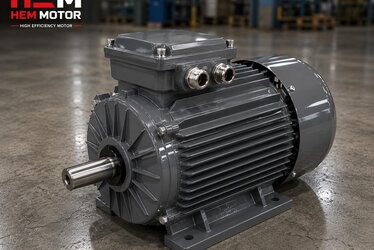
When building a low-speed, high-torque drive, a classic question arises: should you buy a single-piece geared motor from the factory, or is it better to combine a separate motor with a separate reducer in the field? The answer to this question is not only technical; it relates directly to the purchasing process, stock management, ease of installation and, most importantly, how quickly you can recover when a breakdown day comes.
In this article we compare the two approaches impartially from a purchasing and maintenance perspective. We also explain why the most common solution in the Turkish field — fitting a standard motor to the PAM flange of a worm reducer — combines the strengths of both worlds.
The Fundamental Difference Between the Two Approaches
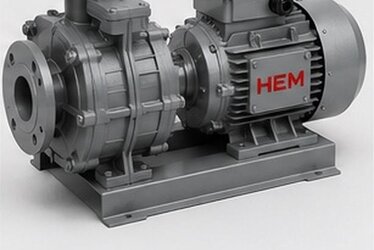
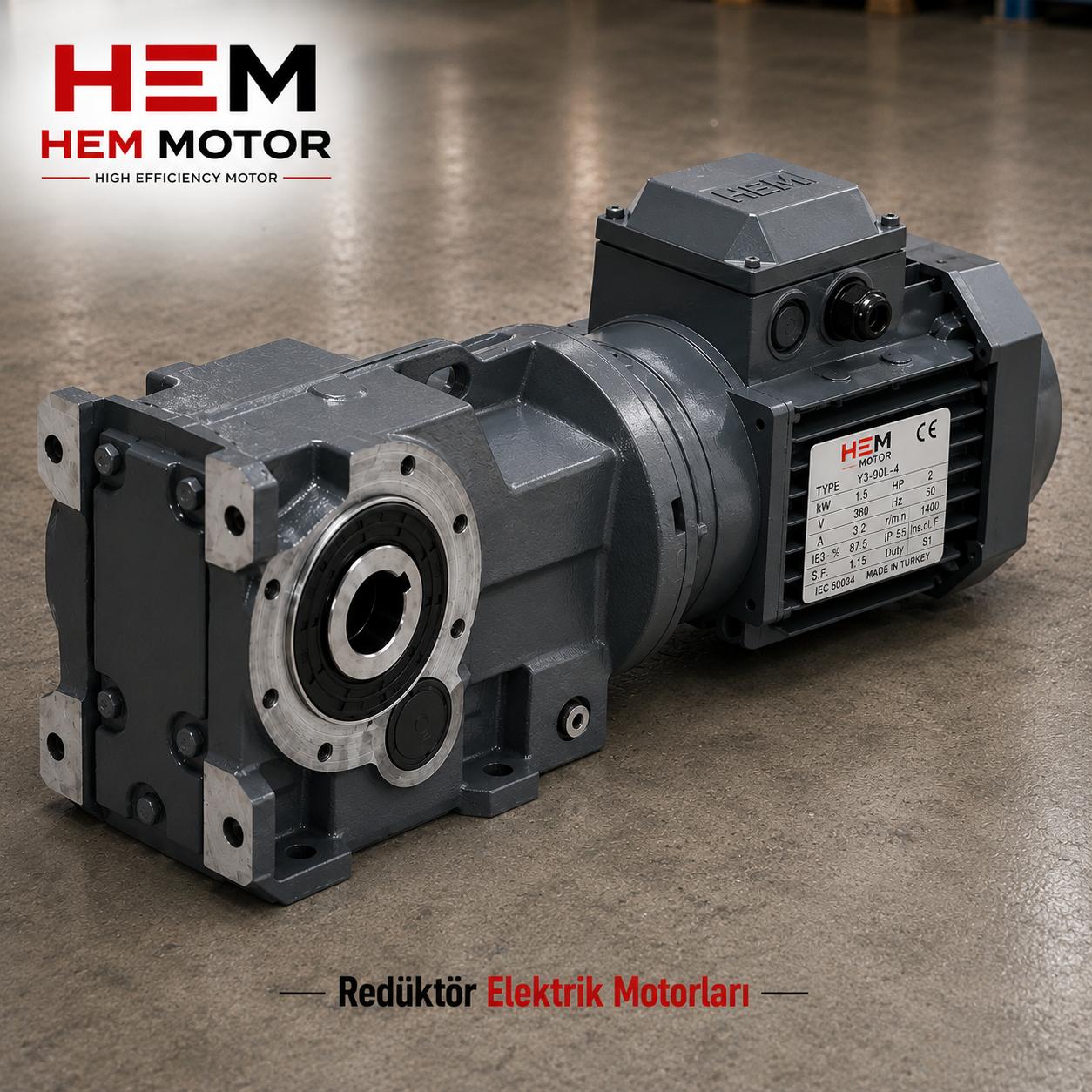
In a geared motor (motoreducer), the motor and reducer are produced as a single body at the factory; most often the motor shaft is integrated directly into the reducer input. In the separate arrangement, a standard electric motor is connected to an independent reducer via a coupling or flange.
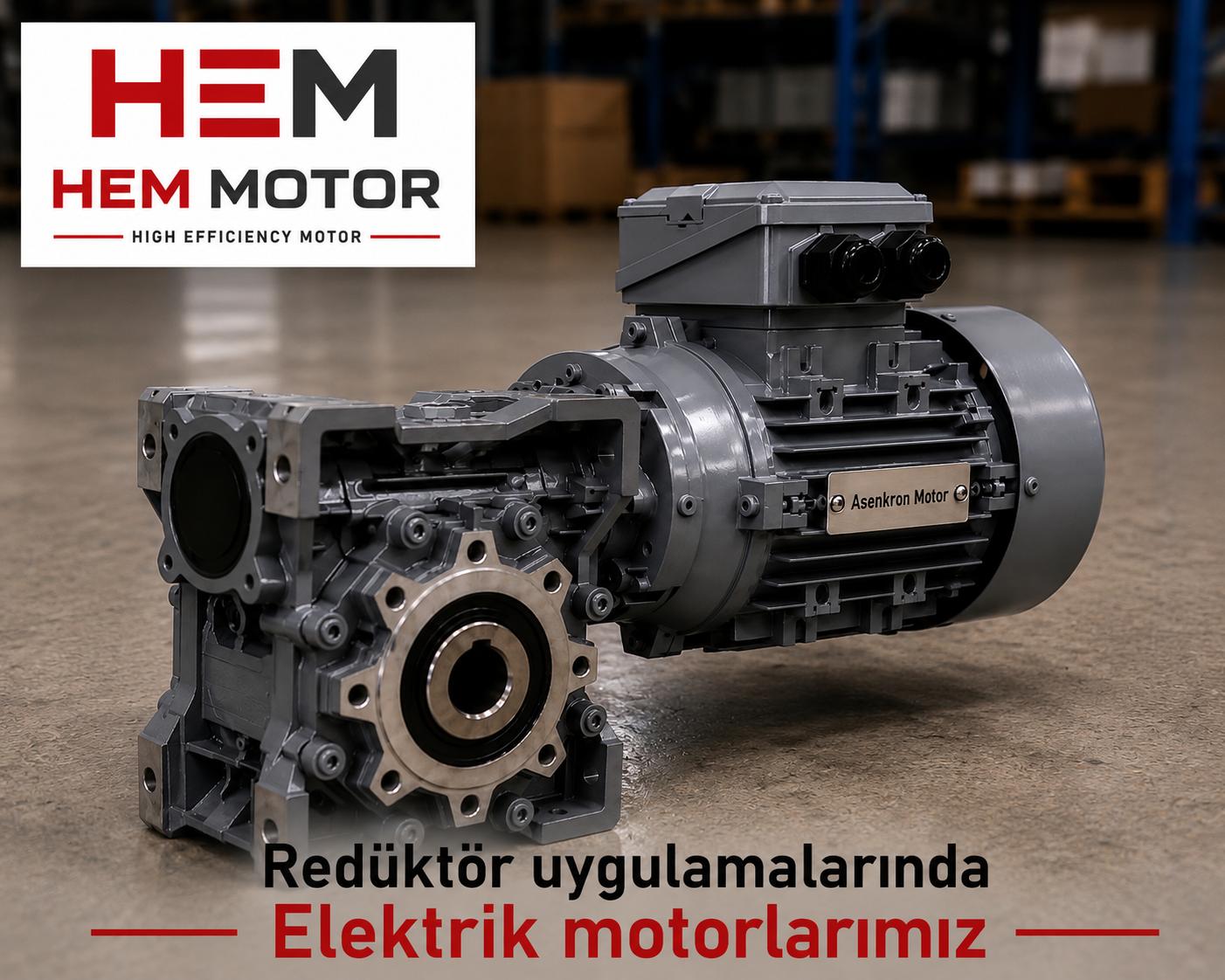
This structural difference is reflected at every stage of the product:
- Compactness: The integrated motoreducer is smaller and has no alignment worries.
- Flexibility: In the separate arrangement, you can replace the motor or the reducer on its own.
- Stock: While standard motors are available everywhere, a special integrated motoreducer sometimes comes on backorder.
Comparison From a Purchasing View
On the purchasing side, three things are decisive: lead time, stock availability and total cost. An integrated geared motor is ordered as a single line item, which simplifies the purchasing process. However, as the power-ratio-flange combination becomes more specialized, the lead time of this single-piece product can stretch.
In the separate motor + reducer approach, the standard motor is almost always available from stock. If the reducer side is also a standard PAM-flanged body, it too can be supplied quickly. This arrangement provides flexibility, especially for operations that want to manage reducer supply and motor supply separately.
Comparison From an Installation View
The integrated motoreducer is the easiest option to install; because it is a single piece, there are no coupling alignment, adjustment or centering operations. It arrives at site, bolts on by its feet or flange, and runs.
Joining a separate motor to a separate reducer with a coupling, by contrast, requires careful alignment. If the axial and angular misalignment goes out of tolerance, the coupling and bearings wear prematurely. It is precisely here that the method of fitting a motor to a worm reducer's PAM flange comes into play and greatly simplifies installation.
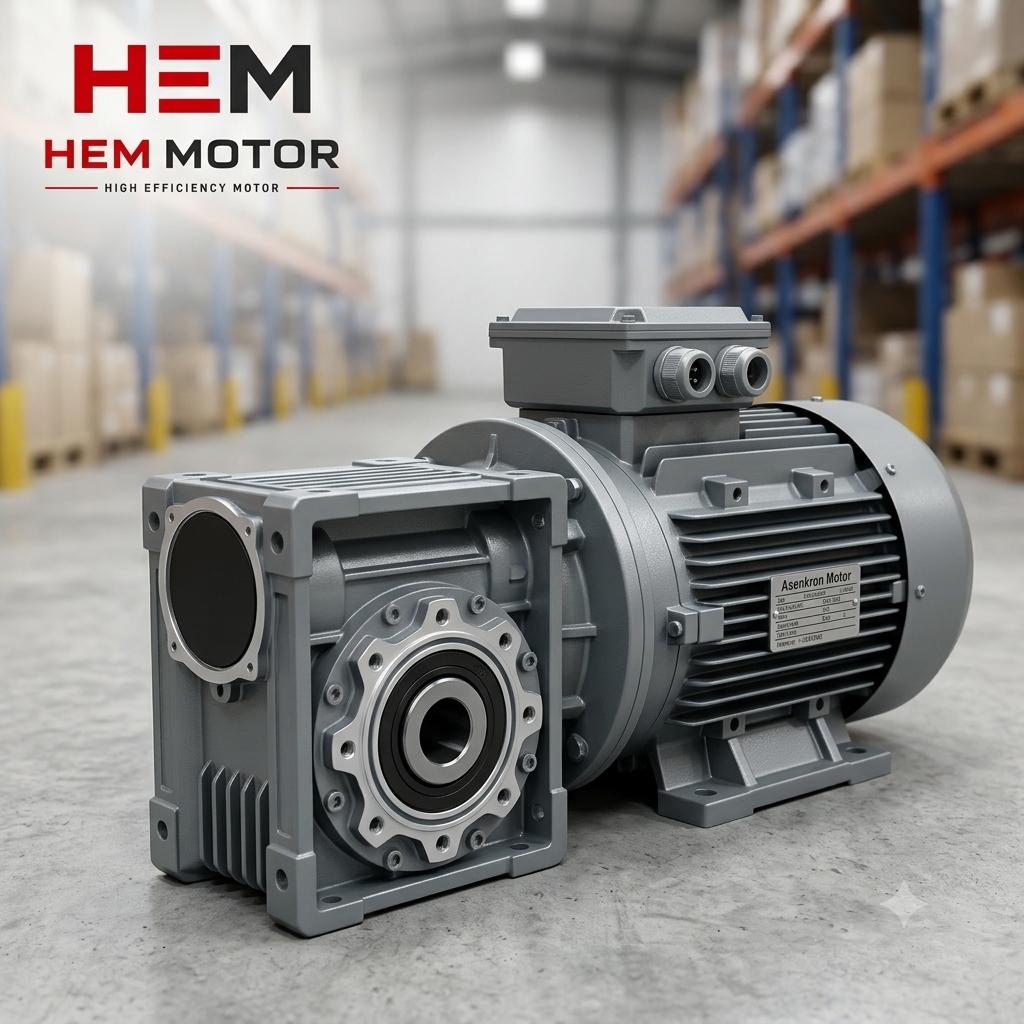
The Most Common Solution: PAM-Flanged Worm Reducer
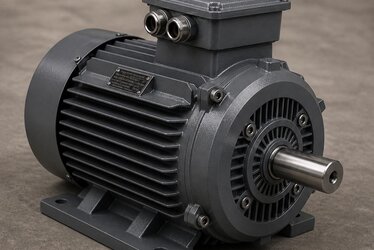
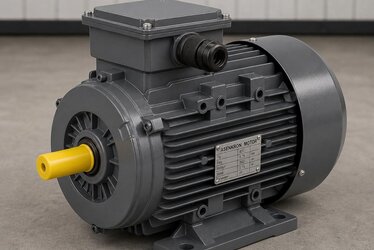
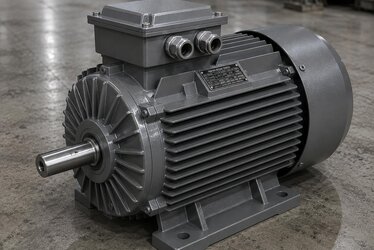
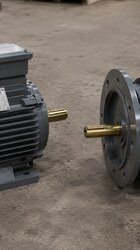
In Turkiye, the most common solution for low-speed, high-torque drives is to fit a standard IEC motor to the PAM flange on the input side of a worm reducer. In this method, the reducer input is standardized to match the motor's B5/B14 flange and shaft diameter exactly. The motor is bolted directly to the reducer with an adapter and coupling sleeve; no separate coupling alignment is needed.
The advantages this approach brings:
- Stock flexibility: Because the motor is a standard IEC unit, it is available from stock at any time.
- Easy installation: The flange self-centers, with no alignment worries.
- Independent replacement: If the motor burns out, you remove only the motor; the reducer stays in place.
- Compactness: A tidy assembly close to the integrated arrangement is achieved.
So this solution combines the compactness of the integrated motoreducer with the replaceability of the separate arrangement in a single product.
The Maintenance and Breakdown-Day Perspective
The most critical difference between the two approaches most often shows up on a breakdown day. In an integrated motoreducer, when the motor burns out, you often have to remove the whole assembly and sometimes replace the entire unit, because the motor may not be available separately from the reducer. This means both cost and downtime.
In the PAM-flanged or coupled separate arrangement, however, the operation is simple when the motor burns out: the reducer stays in place, and only the standard motor is removed and replaced with a new one from stock. Production recovers far faster. For this reason, on continuously running critical lines, the replaceable arrangement offers a major maintenance advantage. Getting clear quote and stock information when choosing the right combination speeds up the decision process.
Which One in Which Situation?
- Many identical drives, compact need: An integrated motoreducer may make sense.
- Critical, continuously running line, fast spare need: The PAM-flanged separate arrangement stands out.
- Operation wanting a standard motor from stock at any time: Separate motor + reducer is advantageous.
- Limited alignment ability, installation simplicity important: The PAM-flanged worm reducer is ideal.
In conclusion, both approaches have their place; but in the Turkish field, the PAM-flanged worm reducer stands out as the most balanced solution thanks to ease of installation, maintenance flexibility and stock assurance. For a broader product range, you can review our electric motor and reducer solutions page.
Frequently Asked Questions
Can any standard motor be fitted to a PAM-flanged reducer?
PAM flange dimensions are produced to match specific motor frames per the IEC standard. So the motor's flange type (B5/B14), frame size and shaft diameter must match the reducer's input flange. When the right combination is selected, a standard IEC motor connects directly to the reducer without any coupling alignment.
Which arrangement recovers faster on a breakdown day?
The separate arrangement — that is, a PAM-flanged or coupled motor-reducer — recovers far faster on a breakdown day. When the motor burns out, the reducer stays in place and only the standard motor is replaced. Because standard motors can usually be supplied quickly from stock, downtime is shortened. In the integrated arrangement, the whole assembly often has to be replaced.
Should the integrated motoreducer never be preferred?
On the contrary, the integrated motoreducer has its place too. In applications with many identical, compact units and limited alignment ability, the single-piece arrangement is practical. The decision should be made according to the criticality of the application, the spare-part strategy and the installation conditions. For those who want to balance the advantages of both arrangements, the PAM-flanged solution is a strong middle ground.