English
 Türkçe

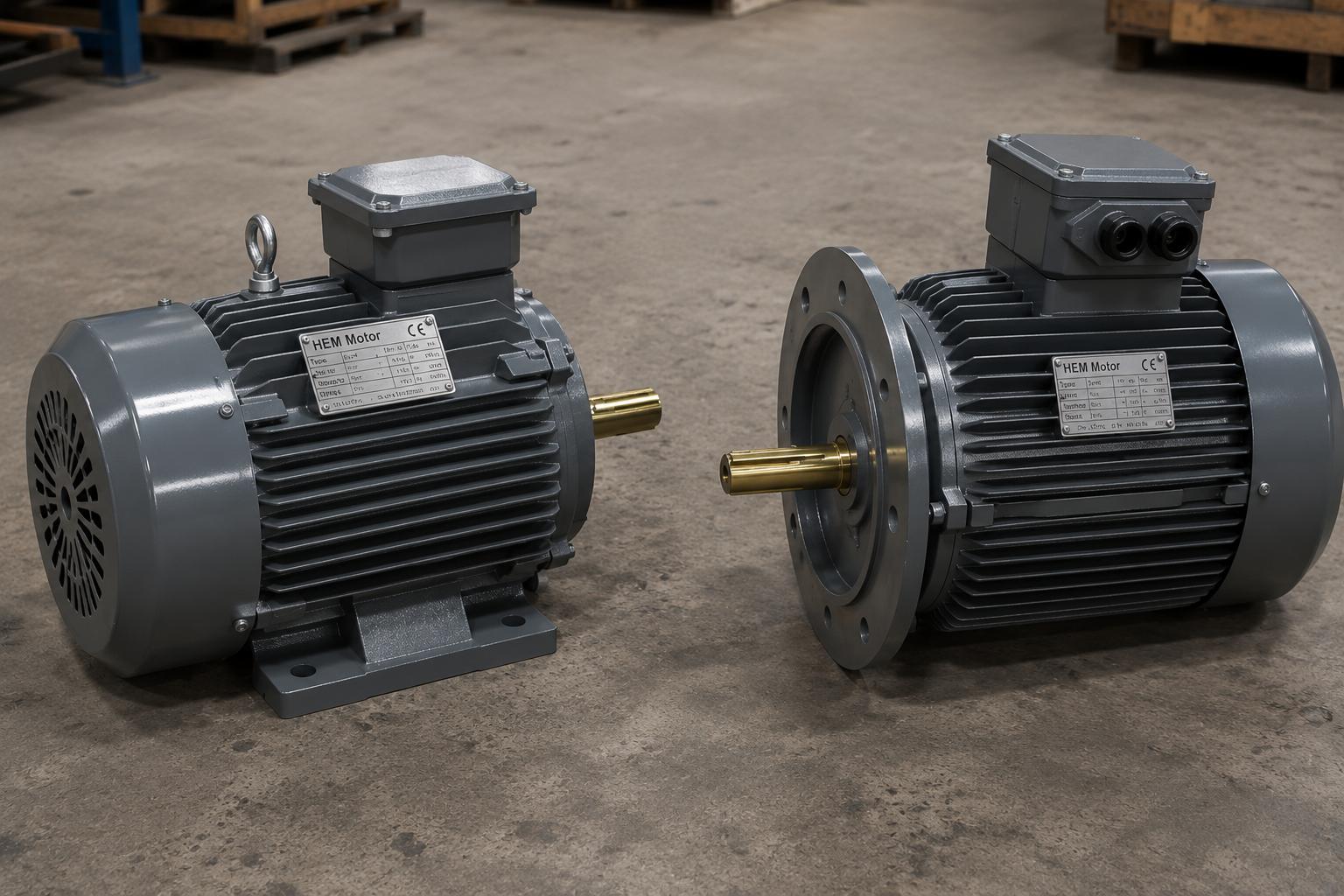

Specifying the power and speed correctly is only half the job when ordering an electric motor. The detail that actually makes a motor usable is the one most frequently skipped in orders: the shaft diameter and the key dimensions. Even a motor selected with the correct kilowatt rating and the correct speed is useless on site if its shaft does not seat into your machine's coupling, pulley or reducer. In this article we look, from the buyer's perspective, at why shaft and key dimensions are so critical, which values must be stated clearly at the moment of ordering, and what a wrong shaft size can cost your business. Our aim is to help you request a quote with the right information and obtain a compatible motor the first time.
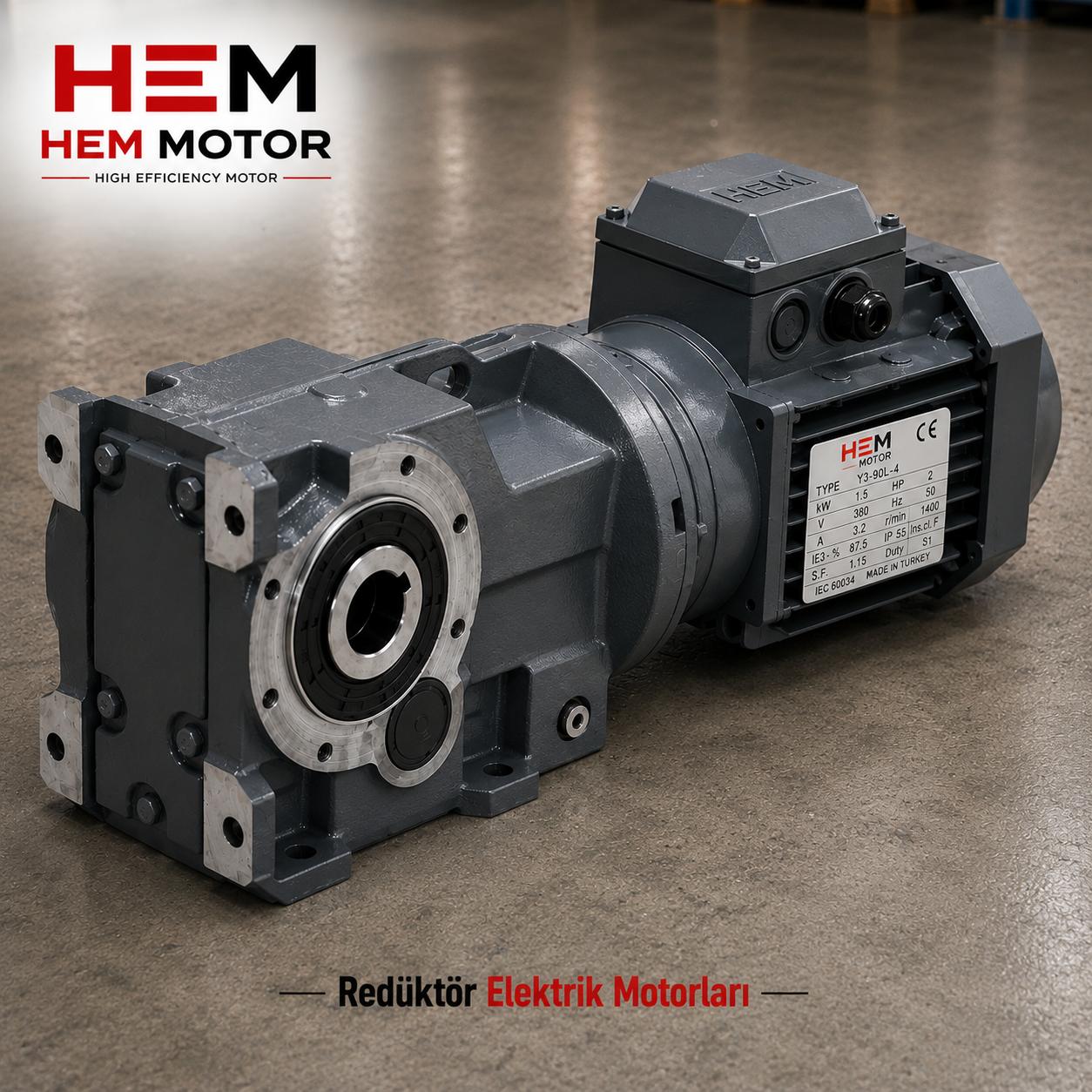
Why Is the Shaft the Most Critical Connection Point?
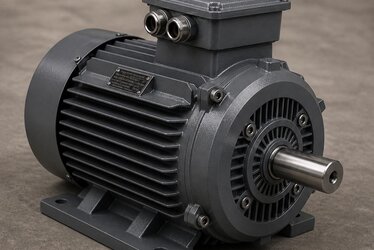
The shaft is the only physical contact point through which an electric motor transfers the torque it produces to the machine. No matter how solid the frame, how high-quality the winding, or how high the efficiency class, the motor only works if its shaft connects correctly to the machine element. If the shaft diameter is wrong, the coupling will not seat, the pulley stays loose, the reducer connection fails to hold, and the motor never makes full contact with the machine.
For this reason, the shaft diameter and key size are as decisive in the purchasing process as power and speed. Most buyers choose a motor by kW and speed but skip the shaft data in the order. The result is usually the same: when the box is opened the motor shaft does not fit the machine, installation halts, and the line waits.
What Exactly Does Shaft Diameter Mean?
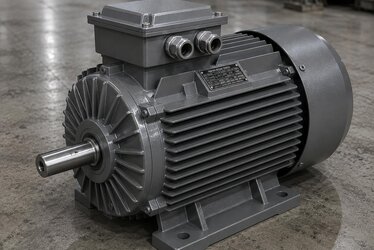
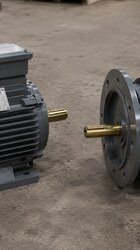
Shaft diameter is the outer diameter of the motor's projecting output shaft, expressed in millimetres. In motors built to the IEC standard, each frame size has a defined standard shaft diameter; for a given frame size the shaft diameter is standardised. However, in special applications or with different mounting types this diameter can change. The coupling, pulley hub or reducer input bore is machined to this diameter; therefore even a few millimetres of deviation makes installation impossible.
Key and Keyway: The Real Carrier of Torque
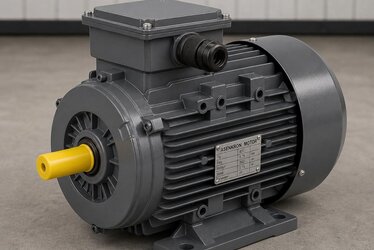
The second element, as important as shaft diameter, is the key and keyway. The key acts as a lock between the shaft and the coupling/pulley hub, ensuring torque transfers without slipping. The width and depth of the keyway cut into the shaft must match the slot in the coupling hub exactly. With the wrong key size, the connection either does not seat at all or develops play under load, creating vibration and wear.
- Key width: Standardised based on shaft diameter; a wrong width prevents the key from entering the slot or leaves it loose.
- Key height: Insufficient height weakens torque transfer; excessive height stops the hub from seating.
- Keyway length: The slot on the shaft must suit the length of the element to be connected.
Although these details look standard, they must always be stated in the order to avoid surprises when different applications and special shaft types come into play.
Shaft Data to State for a Correct Order
When a line stops, time is the most valuable thing. To obtain a motor correctly the first time, the following three shaft-related values must be communicated clearly alongside power and speed:
- Shaft diameter (mm): The outer diameter of the output shaft. Can be measured from the existing motor with a calliper.
- Key dimensions: The width and depth of the keyway; confirm via the existing key element.
- Shaft length: The length from the exit point of the frame to the shaft tip; critical especially for coupling and pulley length.
When you provide these three pieces of information together with power, speed and mounting type (foot-mounted, flange-mounted, etc.), the right product can be supplied quickly from stock or production. The clearer the information you give your supplier, the more accurate an electric motor prices quote you receive and the more you avoid surprise incompatibilities.
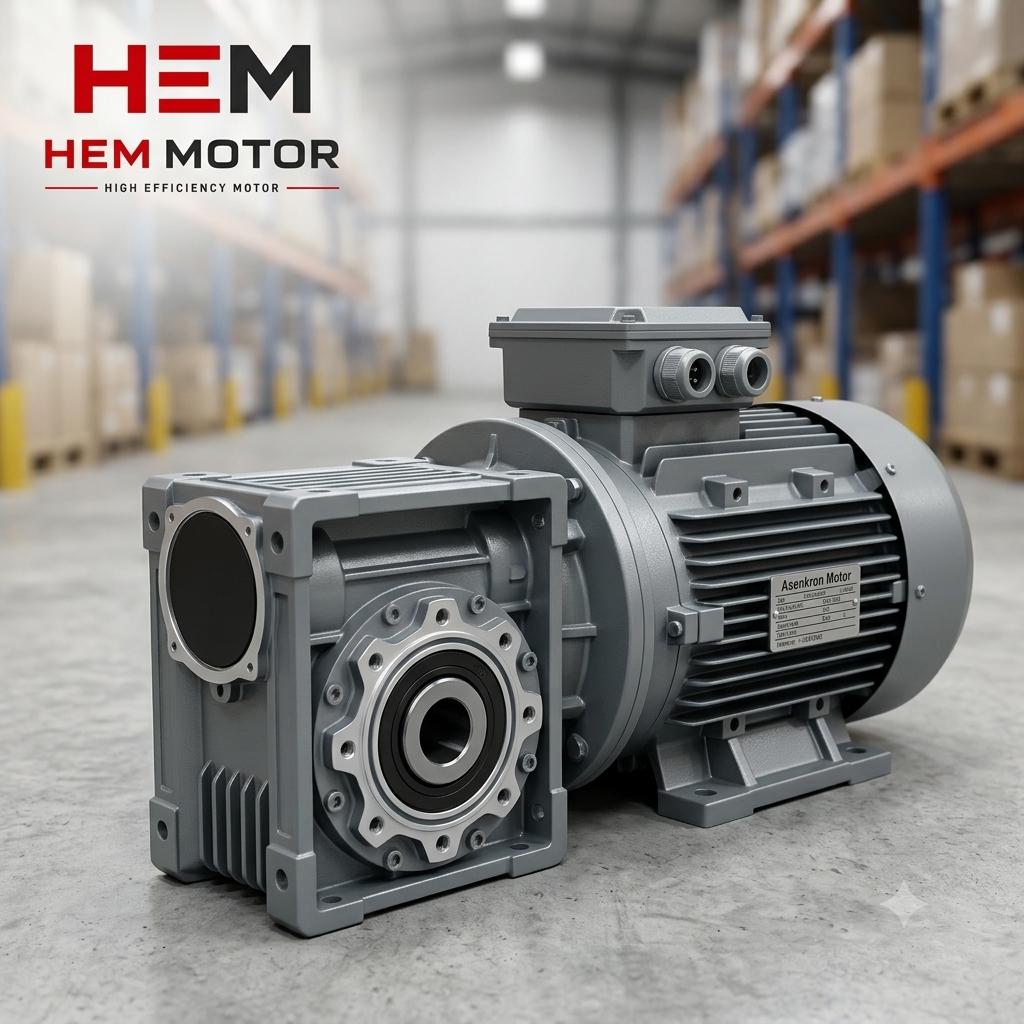
The Cost of a Wrong Shaft Size to the Business
A motor that arrives with the wrong shaft size is useless on site even if everything looks correct on paper. The consequences can be summarised as follows:
- The installation team cannot connect the motor and the line stays down far longer than planned.
- If the shaft is re-machined, the warranty is at risk and misalignment can occur.
- Forced installation prematurely wears the coupling and bearings and increases vibration.
- Production loss continues until a correct new motor is supplied.
These costs are often many times the price of the motor. That is why providing the correct shaft data up front is the cheapest insurance policy.
Measuring the Existing Motor's Shaft Correctly
If you are replacing a failed motor, the safest route is to measure the existing motor's shaft directly. Use a calliper to measure the shaft diameter, the keyway width and the shaft length; if possible, also photograph the existing motor's nameplate. An equivalent motor selection made with this data fits exactly on site. To benefit from fast delivery from stock when choosing a correct equivalent, simply communicate these measurements fully to your supplier.
Stock, Supply and Manufacturer Assurance
Motors in standard power, speed and shaft sizes are usually delivered quickly from stock. For special applications where the shaft diameter or key size is non-standard, the motor is prepared with a production order and correct shaft machining. In both cases, what matters is defining the need clearly from the start. A supplier working with manufacturer assurance confirms the shaft and key dimensions and provides you with a motor that seats trouble-free on site. This both shortens your lead time and prevents surprises during installation.
Frequently Asked Questions
Can I not order a motor if I don't know the shaft diameter?
You can, but a motor that arrives before the shaft diameter, key size and shaft length are clarified may not fit your machine. The healthiest approach is to measure the existing motor's shaft or to give the supplier the coupling/pulley hub dimensions of the machine. An order placed with this data minimises the risk of incompatibility.
Isn't the shaft diameter already fixed on a standard motor?
The IEC standard defines a specific shaft diameter for each frame size, but values can change with special mounting types, double-shaft applications or different shaft lengths. So instead of assuming it is standard, it is safest to confirm the measurement.
If a wrong shaft size arrives, can I machine the shaft on a lathe?
Although technically possible, machining the shaft afterwards carries the risk of misalignment, imbalance and loss of warranty. Obtaining the correct motor from the start with the right shaft diameter and key size is both safer and more economical in the long run.