English
 Türkçe

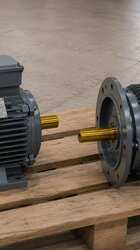
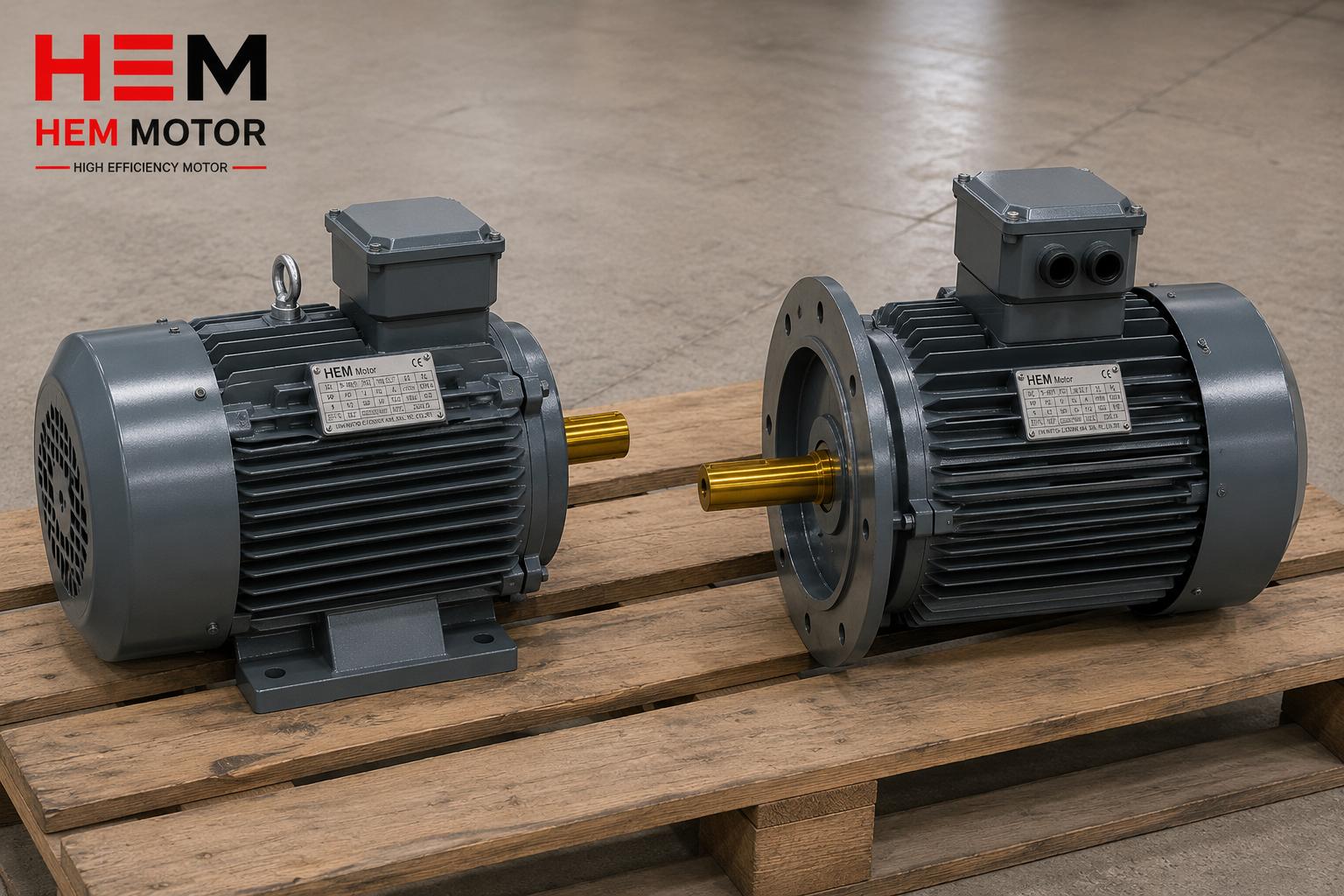

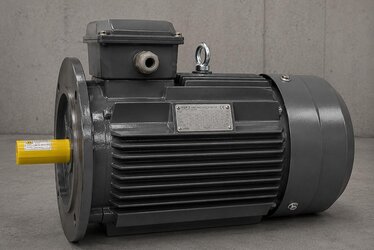
When a new electric motor comes off the truck, most operations carry it straight to the warehouse or assembly area, thinking "it's new anyway, nothing will go wrong." Yet the journey the motor makes from factory to site can create the most critical damage without leaving any visible trace. A careful five-minute inspection at delivery prevents damage-claim processes that could drag on for weeks, needless labour loss and, worst of all, a production stoppage that surfaces at first startup on site. In this article we cover, step by step, what to check on a motor unloaded from a truck, the most insidious damage of all (a bent shaft), how to write the damage report, how to run the insurance process and the final pre-startup checks.
The most dangerous aspect of transport damage is that it is mostly invisible. While the packaging stands perfectly intact, the motor's shaft inside may have been bent by jolting, its bearing struck or its winding dampened. This is why a delivery inspection must go far deeper than a glance asking "is the box torn?" A properly done inspection also determines clearly whether responsibility lies with the carrier, the supplier or the operation.
Why Is the Delivery Instant So Decisive?
Transport is the most uncontrolled stage in a motor's life. While every parameter is measured on the production line, on the road the motor leaves your supervision. Forklift forks lifting from the wrong point, a tipped pallet, stacking, sudden braking and rough-road impacts are all forces transmitted to the body and especially to the shaft. Once damage is accepted with an unconditional signature, responsibility largely passes to the operation; saying "this damage happened on the road" becomes much harder. This is why the delivery instant is the single, strongest control point of damage management.
- Clarity of responsibility: damage found at delivery is the carrier's or supplier's responsibility; with damage noticed later, the burden of proof falls on the operation.
- Fast compensation: damage recorded instantly speeds the insurance process by days.
- Production continuity: damage caught at delivery gives the chance to request a replacement before the motor enters assembly.
- Cost control: damage noticed only after it has been run and burnt out puts both the motor and connected equipment at risk and multiplies the cost.
The Most Dangerous Damage: A Bent Shaft
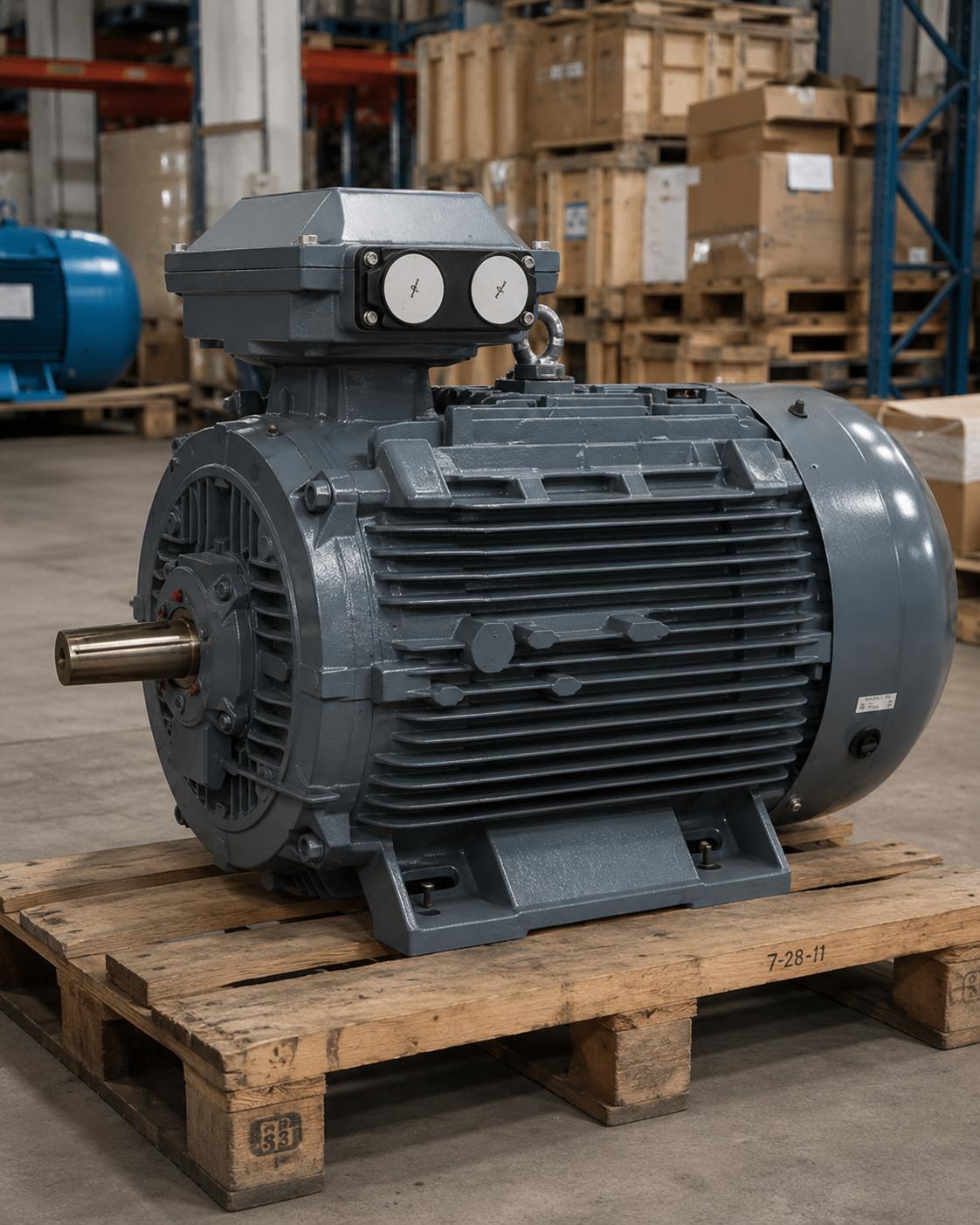
The most insidious and most serious transport damage is a bent shaft. When a motor is dropped or the shaft takes a heavy blow, the shaft can bend at an angle too small to see with the eye. From outside the motor looks flawless; the packaging is sound, the body unscratched. But when this motor is assembled and run, the bent shaft produces constant vibration, kills bearings early, strains the coupling and causes damage in the connected reducer or pump as well.
The way to catch a bent shaft at delivery is a simple check: the shaft is turned slowly by hand and you feel for runout, catching or irregularity during rotation. If possible, a dial gauge is held against the shaft end to measure runout. This small check catches, right at the door, a problem that could otherwise cost weeks of a vibration hunt on site and bearings replaced again and again. A suspected bent shaft is a finding that must be written into the report.
Step-by-Step Delivery Checklist
When taking delivery of a motor off the truck, the following order ensures the most critical points are swept quickly and completely. The inspection moves from outside in, from the most visible to the most insidious.
1. Packaging and Appearance
- Are there signs of tipping, wetting or crushing on the pallet?
- Has the impact sensor on the packaging (if any) been triggered?
- Is there a crack, dent or broken cooling fin on the motor body?
- Is the terminal box cover in place, the gasket sound and the cable glands in position?
2. Shaft and Mechanical Check
- Does the shaft turn freely, smoothly and without runout when turned by hand?
- Is the fan cover dented or rubbing on the fan?
- Are the feet and flange straight, crack-free and complete?
- Are the keyway and key on the shaft undamaged and the protective cap in place?
3. Electrical and Moisture Check
- Is the inside of the terminal box dry, with no trace of moisture or water?
- Are the winding and insulation resistance measured to confirm whether it has taken on moisture?
- Do the nameplate details (power, speed, voltage, protection class) match exactly what was ordered?
This checklist verifies both the motor's match to the order and its transport integrity at the same time. Making sure the right motor has arrived in the right condition prevents the assembly crew from wasting time. Referencing the technical data on our electric motor product pages to compare the ordered model against the nameplate is a practical method.
The Damage Report and Insurance Process
When damage is found, correct documentation determines the entire compensation process. An incomplete or late report can void even a justified claim. The damage report should contain:
- Instant recording: the damage is recorded in writing while the truck is still on site and the driver is a witness; delivery date, time and vehicle plate are written down.
- Photos and detail: the damaged area, packaging and nameplate are photographed from different angles; photos should start before the motor is unpacked, with clear date and time.
- Qualified signature: the delivery note is signed with a "received with reservation for damage" note; an unconditional signature is avoided.
- Fast notification: the report is sent to the supplier and carrier without delay; the claim weakens as time passes.
In transport damage, responsibility usually falls under the carrier's insurance; but to invoke it, a timely and correctly documented notification is essential. The most common mistake here is commissioning the motor "in case it works"; running a damaged motor both weakens the right to compensation and can turn small damage into major failure. When an urgent replacement is needed for a damaged motor, getting a fast supply and quote from strong stock minimises the production stoppage.
Final Checks Before First Startup
Even after a motor that has passed delivery inspection is assembled, a few final steps must not be skipped before first startup. These steps prevent unnoticed damage from harming the live system:
- Insulation resistance measurement: a motor that has sat in storage or been carried in a damp environment may have a dampened winding; it is always measured before starting.
- Turning the shaft by hand: the shaft should turn freely and evenly, with no catching, rubbing or noise.
- Terminal connections: ensure the connection bridges are in the correct position (star/delta).
- Rotation direction check: in direction-sensitive applications such as pumps and fans, rotation direction is confirmed with a brief run.
- No-load run and alignment: the motor is first run unloaded; abnormal noise, vibration and heating are observed and coupling misalignment is checked.
These final checks not only confirm the motor arrived sound on site, but also secure a smooth transition into production. When the care that begins at delivery is completed at first startup, the motor begins a long, trouble-free service.
How Does the Right Supplier Reduce Damage Risk?
Most damage arises at the packaging and loading stage. This is why your supplier's packaging standard is as important as the motor selection. Securing cast-iron-bodied motors to the pallet, protecting the shaft end with a cap, packing the terminal box to avoid impact and shipping heavy bodies via the right transport channel significantly lower the damage rate. Moreover, a supplier working with strong stock zeroes out the real cost (lost production) by quickly shipping an exact replacement once a damage report is filed. Reviewing our broad electric motor range in advance to evaluate suitable motor and spare options builds a solid basis for a fast replacement at the moment of damage. Choosing the right supplier is not only about shipping a sound motor, but about building a supply chain that stands with you at the moment of damage.
The Spreading Effect of Hidden Damage on Site
The most misleading aspect of transport damage is that it does not stay limited to a single part. A bent shaft in particular can turn into a chain of destruction when run. For this reason damage not caught at delivery threatens not only that motor but the entire connected line. The ways hidden damage spreads across the site are:
- Vibration propagation: a bent shaft produces constant vibration; this vibration is transmitted to the coupling and from there to the connected reducer or pump, wearing the bearings there too.
- Cascading bearing failure: a shock-struck bearing runs at first but its life is shortened; within months it fails suddenly, creating an unplanned stoppage.
- Insulation deterioration: a dampened winding may run at first, but its insulation value drops over time and can turn into a winding fault in the following weeks.
- Growing misalignment: a damaged motor disrupts axial alignment with connected equipment, causing extra wear along the whole drive line.
This chain effect shows clearly why a damaged motor must not be commissioned "in case it works." Filing a report without running the suspect motor and requesting a replacement is the only safe way to protect both the motor and the expensive equipment connected to it.
Turning Delivery Inspection Into a Corporate Routine
The power of the delivery check comes from it becoming a corporate routine rather than a habit tied to one person. An experienced technician may do the check by instinct; but if that person is on leave or has left, the check is simply not done. To eliminate this risk, the delivery inspection should be tied to a written procedure:
- Standard checklist: a form covering all steps from packaging to insulation measurement, used at every delivery, is prepared.
- Responsibility assignment: who takes delivery and who approves the report is clearly defined.
- Photo archive: photos of every delivery are kept with a date stamp; should hidden damage emerge, they form retrospective evidence.
- Fast notification channel: who notifies the supplier and carrier, how and within what time is decided in advance.
This routine takes the delivery inspection out of the realm of chance and individuals and turns it into an assurance step carried out with the same rigour every time. Damage risk thus becomes manageable from end to end, from the motor leaving the factory to settling on site.
Frequently Asked Questions
If the packaging is intact, can the motor really be damaged?
No, intact-looking packaging does not guarantee an undamaged motor. Sudden braking, a drop or a hard blow in transport can bend the shaft inside, strike the bearing or dampen the winding without leaving any trace on the outer box. This is why a delivery inspection must not stop at examining the outside; the shaft should be turned by hand to feel for runout, the terminal box checked for moisture and, if possible, the insulation resistance measured.
Why should I sign the delivery note with reservation?
A qualified signature means adding a note to the delivery note such as "received with reservation for damage." This note protects your right to claim if damage emerges later, even though you could not fully inspect the motor at that moment. With an unconditional signature, responsibility largely passes to the operation and saying "this damage happened on the road" becomes hard. Especially with heavy, quickly unloaded motors, a qualified signature is the most important safeguard of the compensation process.
Why should insulation resistance be measured before first startup?
The motor may have been carried in damp environments from production to site, or sat in storage for a long time; during this the winding can take on moisture. If a motor with a dampened winding is run directly, a winding fault and even burnout can occur in the first instant. The insulation resistance measurement confirms the winding is dry and sound before starting. This simple measurement is the most effective way to protect an expensive motor and its connected equipment in the very first second.