English
 Türkçe

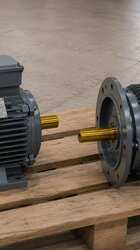
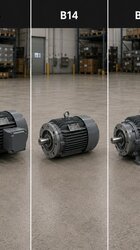
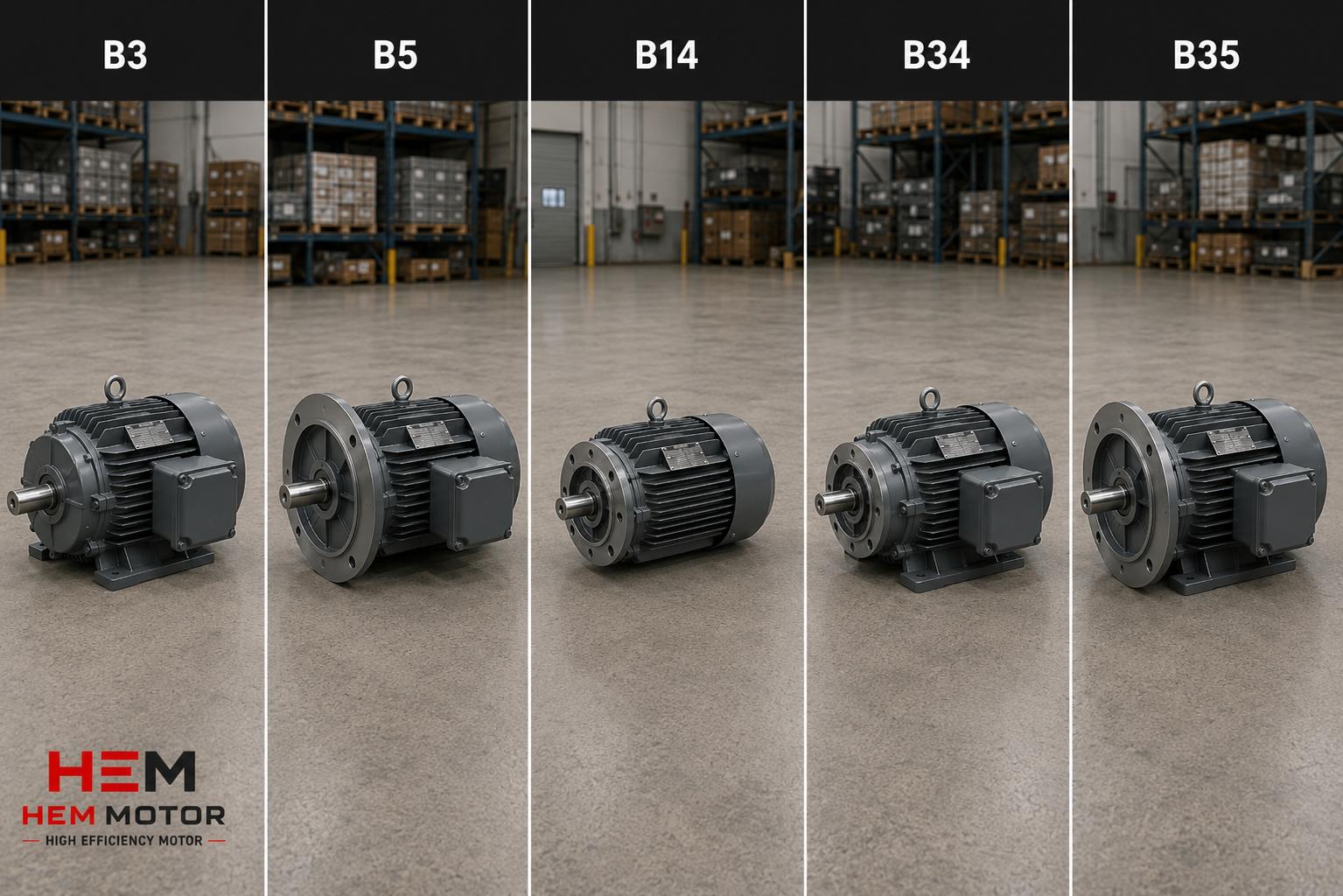

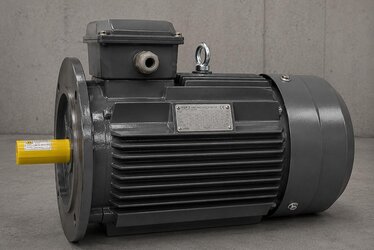
In selecting an electric motor for machine builders, power and speed are usually calculated correctly; the real mistakes most often begin with a seemingly simple detail, namely the mounting (flange) type. When a motor of the right power but the wrong flange arrives on site, it halts your assembly line. At that moment you are left with two bad options: return the motor and wait for a new delivery, or hastily have an adapter plate made and settle for a mechanically forced solution. Both are losses of time and money. In this guide we explain, from a manufacturer's perspective, the difference between the B5 flange and the B14 flange, which machine uses which, and the measurement checklist you must verify before ordering.
Motor Mounting Types and the Place of the Flange
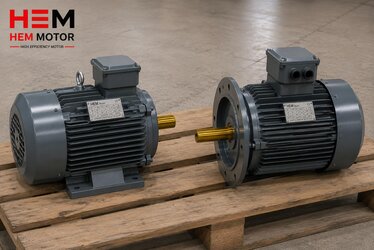
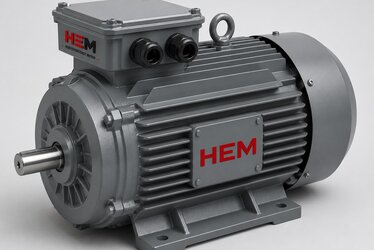
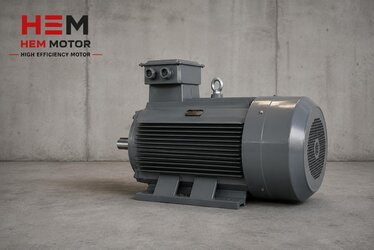
Electric motors are produced in different mounting configurations. The most common are foot mounting (B3) and flange mounting. Flange-mounted motors are bolted directly to a machine, reducer, or pump body through a round plate on the front of the motor. This way, the motor is connected integrally to the machine without a separate base and coupling alignment. There are two basic standards for this flange: B5 and B14.
What Is a B5 Flange?
The B5 flange is a connection type with a large diameter where the bolts are inserted from the back of the flange toward the front (through clearance holes). The outer diameter of the flange is large, and the bolt holes are open holes near the outer edge of the flange. It is generally preferred at higher powers and in applications requiring high torque transmission. It is very common in pump and reducer connections.
What Is a B14 Flange?
The B14 flange is a smaller-diameter connection type where the bolts are inserted from front to back into threaded (blind) holes. The outer diameter of the flange is closer to the motor body, offering a more compact appearance. It is generally used at smaller powers, in machines with narrow mounting space. Thanks to the threaded holes, mounting can be done from the front face of the flange.
Which Is Used in Which Machine?
To make the right choice, you must know the application. Here are typical areas of use:
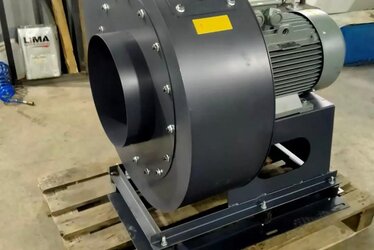
- Where B5 is preferred: Centrifugal pumps, worm and helical reducers, high-power conveyor drives, applications requiring safe transmission of large torque.
- Where B14 is preferred: Small machines, compact pump groups, narrow mounting spaces, low-to-medium power industrial equipment, situations where the motor must be screwed from the front face.
What matters is choosing a flange that is exactly compatible with the mating flange of the machine you will connect the motor to. If your machine is designed for B5 holes, a B14 motor will not fit; the reverse is also true. That is why machine design and motor flange must be thought through together from the start. For a broad motor range in suitable flange types, you can review our electric motor prices page.
Flange Sizes and the IEC Standard
Both B5 and B14 flanges are produced in standard sizes according to the motor frame size. These sizes are defined in the IEC standard. For example, a motor's flange designation usually includes a number together with FF or FT codes (FF for B5, FT for B14), and this number indicates the diameter of the bolt hole circle. When ordering, simply saying "B5" or "B14" is not enough; you must also state the exact size code of the flange.
Pre-Order Measurement Checklist
To prevent downtime caused by the wrong flange, always verify these measurements before ordering:
- Flange type: B5 or B14?
- Flange outer diameter (M): The total outer diameter of the flange.
- Bolt hole circle diameter (P): The diameter of the circle formed by the centers of the bolt holes.
- Pilot (spigot) diameter (N): The step diameter that centers the motor on the machine.
- Number and diameter of bolt holes: Usually 4 holes, but it must be verified.
- Hole type: Open clearance hole (B5) or threaded blind hole (B14)?
- Shaft diameter and length: Compatibility of the output shaft with the machine.
By passing this list to your supplier, you can procure a fully compatible motor from the start and spare yourself post-delivery assembly surprises. With requests submitted with the correct measurements, the suitable product is quickly reserved from stock. For stock and fast supply, you can request a quote through our electric motor prices page.
Why Is an Adapter Plate Only a Temporary Solution?
When the wrong flange arrives, some manufacturers have an adapter plate made. However, this solution moves the motor away from the machine, which can disturb shaft alignment, create extra vibration, and shorten bearing life. Even if it works mechanically, it does not replace a motor with the correct flange. The healthiest path is to choose the right flange from the start.
Frequently Asked Questions
Can B5 and B14 motors be used interchangeably?
No. The flange diameters, hole circle, and hole type are different. A B14 motor will not fit directly onto a machine designed for B5 holes, or vice versa. Only a forced solution with a special adapter plate is possible, and that is not recommended.
Is it enough to just say "B5" when ordering?
No. The same flange type comes in different sizes across different frame sizes. You must also state the flange outer diameter, bolt hole circle diameter, and pilot diameter. Without the full size code (such as the FF or FT number), the correct product cannot be guaranteed.
How do I know which flange my machine requires?
Look at the existing motor's nameplate and the machine's mating connection surface. Measure whether the bolts pass from the back of the flange (B5) or from the front (B14), and measure the hole circle diameter. The safest approach is to verify the machine design dimensions against the checklist.