English
 Türkçe


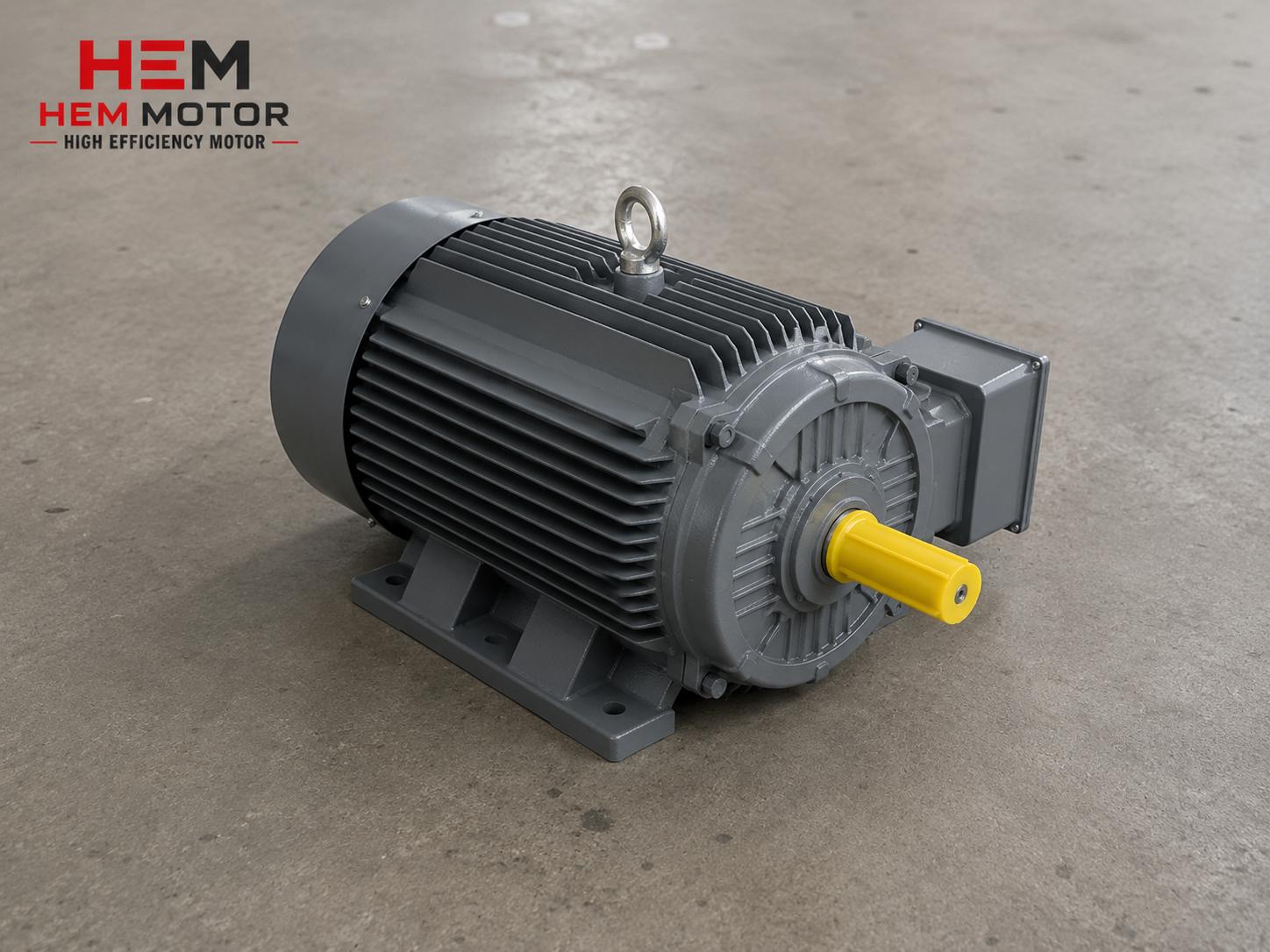

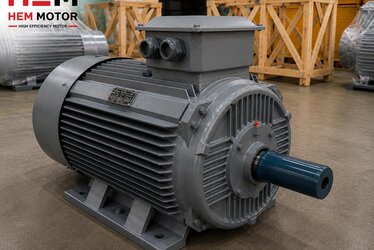
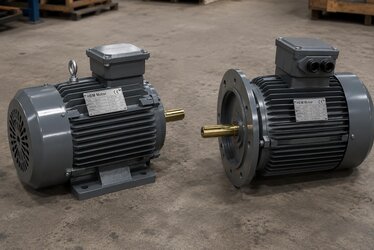
When buying a motor that will run in a dusty crushing plant, an oily machine shop or a damp water plant, the critical question to ask is this: "Can dust, water or oil get inside through the motor shaft outlet?" Because no matter how solid a cast iron body motor is, if the sealing is weak, the bearing and winding are damaged in a short time by contaminants coming from outside. Sealing elements such as the right oil seal (shaft seal) and V-ring directly determine the life of the motor. In this article we examine the oil seal and sealing logic in cast iron motors, its relationship with the IP protection class, protection in dusty/oily/damp environments, and how the bearing is thereby protected, from a purchasing perspective. As HEM Motor, with our manufacturer and supplier identity, we help you correctly choose the efficient electric motor with the sealing features suited to your environment.
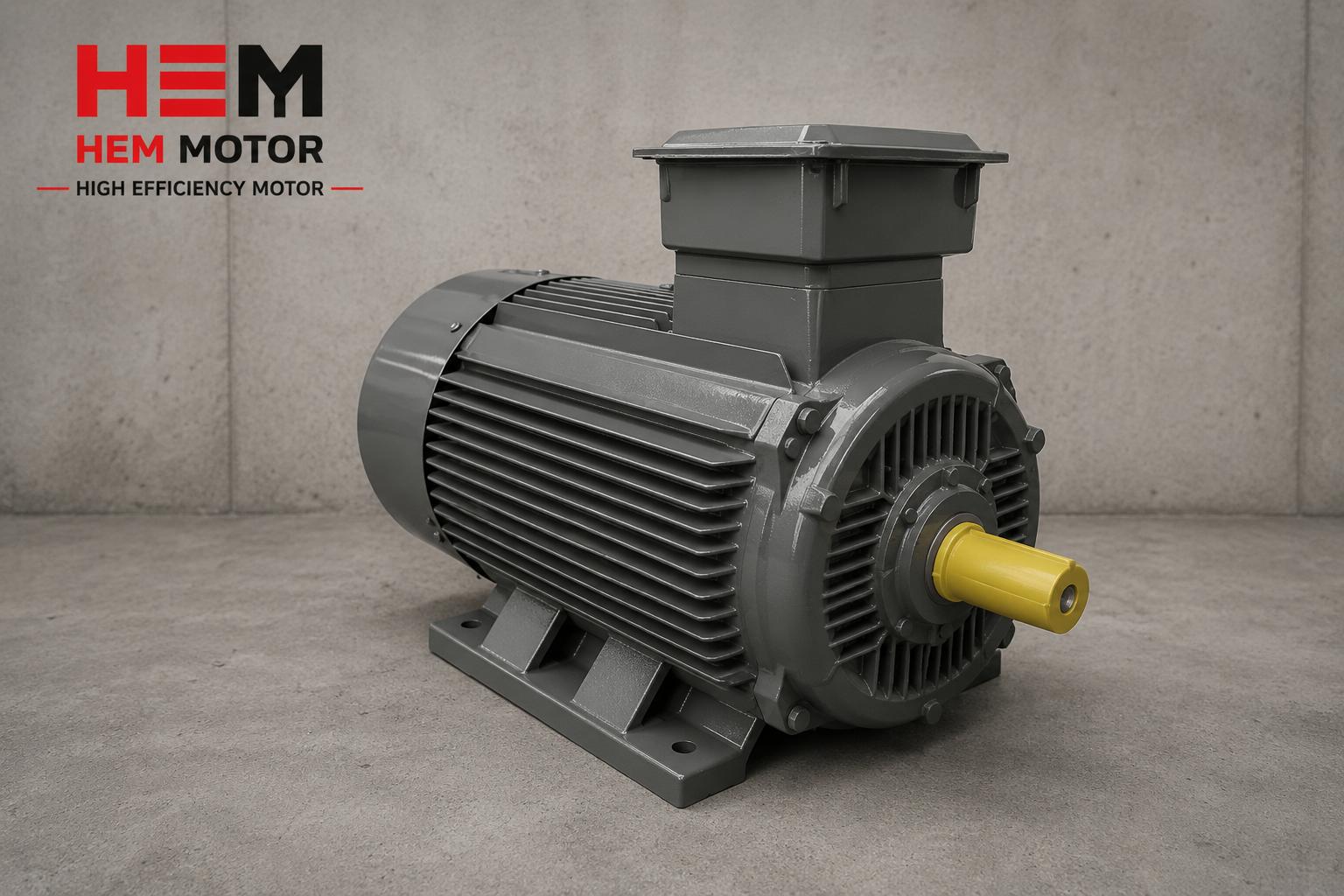
Oil Seal and V-Ring: How Do They Protect the Shaft Outlet?
The most vulnerable point in an electric motor is where the rotating shaft exits the body. Here there is a gap between the body and the rotating shaft; if this gap is not made tight, dust, water and oil get inside through it and reach the bearing. The oil seal (radial shaft seal) closes this gap with a flexible lip touching the shaft and prevents both the leakage of bearing oil out and the entry of external contaminants in. The V-ring is an additional protection element fitted onto the shaft that forms a barrier as it rotates; it sets up a first line of defense in front of the seal especially against dust and water splashes.
These two elements together place the shaft side of the motor under protection according to the environmental conditions. In a motor that will run in a dusty or oily environment, body strength alone is not enough; the sealing elements must be selected to suit the environment. The main factor determining bearing life is preventing contaminants from reaching the bearing; we addressed this in our article on bearing and bearing life in cast iron motors. Good sealing provides the bearing with both a dry and clean working environment.
Why Is Cast Iron Body Important Together With Sealing?
A cast iron body provides high mechanical strength and vibration damping; this supports the motor staying solid in harsh environments. However, the durability of the body only matters if the internal volume is protected from external factors. When the strength of the cast iron body and the tightness of the oil seal work together, the motor is long-lived in dusty and damp environments. We addressed the choice between cast iron and aluminum body according to environmental conditions in detail in our article on cast iron or aluminum body; in harsh environments, the cast iron body stands out when combined with correct sealing.
The Relationship Between IP Protection Class and Sealing
The motor IP protection class (for example IP55, IP65, IP66) defines the protection level of the body against dust and water; however, this protection largely depends on the quality of the seal and body gaskets at the shaft outlet. IP55 is common in standard industrial motors; it largely prevents dust entry and withstands water jets from all directions. In dustier or wash-down environments, higher protection such as IP65 or IP66 may be needed. So the IP class and oil seal selection complement each other: the right IP class is achieved together with sealing elements suited to the environment.
Our article on IP protection class selection in electric motors explains which IP class is needed according to environmental conditions. In hot and dusty environments the insulation class also comes into play; our article on motor in hot and dusty environments: insulation class (F/H) and cast iron body evaluates these conditions together. The right IP class, the right insulation and the right sealing together mean a reliable motor in a harsh environment.
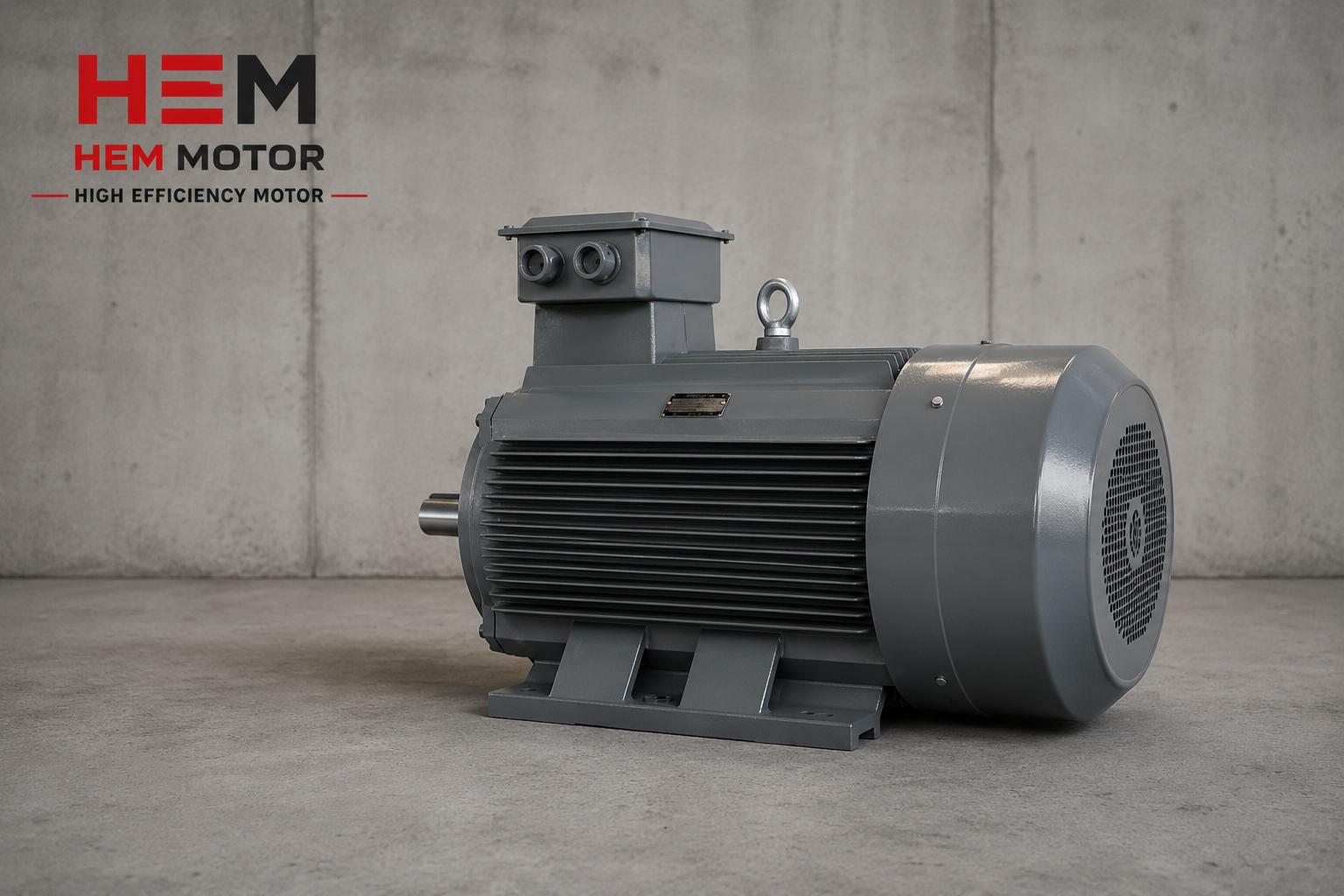
Dusty Environment: Crusher, Cement and Mill
Stone crushing plants, cement factories and mills are the harshest dust environments for a motor. In these environments, fine dust gets inside through the smallest opening, wears down the grease of the bearing and rapidly shortens bearing life. For this reason, in crusher and mill motors, models with high IP protection, reinforced seals and cast iron bodies should be preferred. A seal supported by a V-ring against dust entry protects the bearing for a long time.
We addressed how dust, moisture and impact together affect motor protection in a stone quarry and mine site in our article on motor protection in a stone quarry and mine site. Our article on cement factory electric motors explains motor selection in intensely dusty facilities such as cement factories. In these applications, sealing directly determines the downtime and maintenance cost of the motor; the right seal selection is the basis of production continuity.
Oily and Damp Environment: Workshop, Pump and Water Plant
In oily environments (for example chip-machining workshops, hydraulic units), the danger is that cutting fluid and oil splash onto the motor and wear the seal. In damp environments (pump rooms, water treatment plants), water and condensation try to reach the bearing. In both cases, the right oil seal and the appropriate IP class keep the inside of the motor dry and clean. Choosing an oil-resistant seal material prevents the seal from hardening early and leaking in oily environments.
In damp and condensing environments the motor must also be protected against corrosion; our article on corrosion protection and open-field use in cast iron body motors covers this topic. We explained the selection of blower, mixer and pump motors in water treatment and wastewater plants in our article on water treatment and wastewater plant motors. The right sealing protects both the bearing and the winding in a damp environment.
The Terminal Box Is Also Part of the Sealing
Sealing is not limited to the shaft side; the terminal box is also a point where dust and moisture can get inside. If the cable entry glands, blanking plugs and cover gasket are not fully sealed, moisture or dust enters the box and causes corrosion at the connection points. For this reason, in a motor that will run in a harsh environment, the IP protection of the terminal box and the right gland selection must not be neglected. We addressed this in detail in our article on the motor terminal box and cable connection; the right gland completes the IP protection to the same level as the shaft seal.
Sealing and Bearing Protection: The Purchasing Gain
Good sealing turns directly into bearing protection; if dust, water and oil do not reach the bearing, the bearing is much longer-lived. Bearing failure is one of the most common causes of motor downtime; therefore the investment made in sealing is really an investment that lowers downtime cost. When buying a motor that will run in a harsh environment, you should question not only body strength but also the seal type, the presence of a V-ring and the IP class. These details determine how many years the motor will run trouble-free in the environment.
We addressed the causes of early motor failure and how to recognize quality when buying in our article on electric motor lifespan and the causes of early failure; sealing weakness is at the top of these causes. Setting up the shaft diameter, key and coupling compatibility correctly also ensures the shaft side works properly; our article on shaft diameter, key and coupling in cast iron motors explains this mechanical matching. The right sealing and the right mechanical compatibility together mean a long-lived motor.
Pre-Order Checklist
When ordering a motor for a harsh environment, clarify the following information: the dust/oil/moisture state of the environment, whether wash-down is done, the ambient temperature, the required IP protection class and the mounting type. This information ensures the motor is selected with the right seal, the right V-ring and the right IP class. An order placed with missing information can come back as early bearing failure in the field; our article on information to provide when requesting a quote completes this list. A correctly defined environment means a motor matched with the right sealing.
A motor with a cast iron body, high IP protection and a seal suited to the environment runs safely for a long time in dusty and oily environments. When choosing between IE3 motors and IE4 motors, also evaluate the sealing features suited to the environmental conditions together. As HEM Motor, define your environment and let us determine together the motor with the right protection.
Seal Wear and Maintenance: When Should It Be Replaced?
The oil seal is a wear part that touches the continuously rotating shaft; over time its lip hardens or wears and the sealing weakens. The first sign of a worn seal is often an oil trace or dust buildup at the shaft outlet. Catching this sign early gives the opportunity to replace the seal before a contaminant reaches the bearing. Seal life is shorter especially in dusty and oily environments; for this reason it is important to visually check the shaft outlet during periodic maintenance.
Tying seal replacement to a maintenance schedule prevents unexpected bearing failures. Our article on the electric motor maintenance and periodic check schedule helps you put these checks in order. In motors running in harsh environments, the seal and bearing should be at the center of the maintenance plan; because these two parts largely determine how many years the motor will last in the environment. A simple seal replacement done at the right time prevents a much more expensive bearing or winding failure.
The Relationship Between Mounting Type and Sealing
The mounting type of the motor is also important for sealing. In a vertically mounted motor (with the shaft facing down), the risk of water or oil dripping onto the shaft outlet from above increases; in this case an additional drip cover or a higher IP class may be needed. In horizontal mounting, dust and splashes come more from the side. For this reason, stating the mounting orientation and the direction from which contaminants come when ordering the motor makes it easier to choose the right sealing solution.
You can find the mounting types and connection codes on our electric motor mounting types page. Also verify the correct frame size and power matching in cast iron body motors with our article on frame size and power matching in cast iron body motors. When the right mounting, the right body and the right sealing come together, the motor delivers the longest life in a harsh environment.
Frequently Asked Questions
What is the difference between an oil seal and a V-ring?
The oil seal closes the gap between the body and shaft with a flexible lip touching the shaft; it prevents both the leakage of bearing oil and the entry of external contaminants. The V-ring is an additional protection element fitted onto the shaft that forms a barrier as it rotates; it sets up a first line of defense in front of the seal especially against dust and water splashes. Together they protect the shaft side much better in a harsh environment.
Which IP protection class is needed in a dusty environment?
IP55 is common in standard industrial motors and largely prevents dust entry in most dusty environments. In environments with intense fine dust such as crushers, cement and mills, or in wash-down facilities, higher protection such as IP65 or IP66 should be preferred. The right IP class should be selected together with an oil seal and V-ring suited to the environment; if you share your environmental conditions, we determine the suitable protection together.
How does sealing affect bearing life?
A large part of bearing failures stems from dust, water and oil getting inside. A good oil seal and V-ring keep these contaminants away from the bearing, keeping the grease clean and the bearing long-lived. So the investment made in sealing turns directly into bearing protection and less downtime. When buying a motor for a harsh environment, always question the seal type and IP class.
Get a Quote
In a cast iron body motor, the right oil seal, V-ring and IP protection class protect the bearing and winding in dusty, oily and damp environments and extend the life of the motor. Share the dust, oil and moisture conditions of your environment with us; let us determine together the motor with the right sealing features. HEM Motor is with you with its manufacturer and supplier identity. For a fast and accurate quote, call: +90 (532) 345 49 86 or reach us through our contact page.