English
 Türkçe





In a quarry or mine, the real issue an electric motor faces is not power but protection. Choosing the right power is relatively easy; the hard part is building the protection strategy that keeps that power alive for years. Because in these environments the motor is threatened on three fronts at once: the fine dust suspended in the air, the condensation moisture born of the day-night temperature swing, and the constant impact and vibration coming from equipment such as crushers, screens and conveyors.
A poorly protected motor can fall out of service within months despite all the power on its nameplate. Its cooling fins can clog with dust and overheat, it can accumulate water inside and weaken its insulation, or vibration can loosen its terminal and mounting connections and cause failure. Each of these three threats requires a different countermeasure, and when these measures are applied together the motor genuinely achieves a long life on site.
In this article we cover motor protection in quarries and mines under the headings of IP and IK classes, anti-condensation heaters, breathers, vibration mounts and air-filter maintenance, grounded in field realities. Our goal is to keep the motor running under harsh conditions and minimize unplanned downtime.
First Threat: Fine Dust
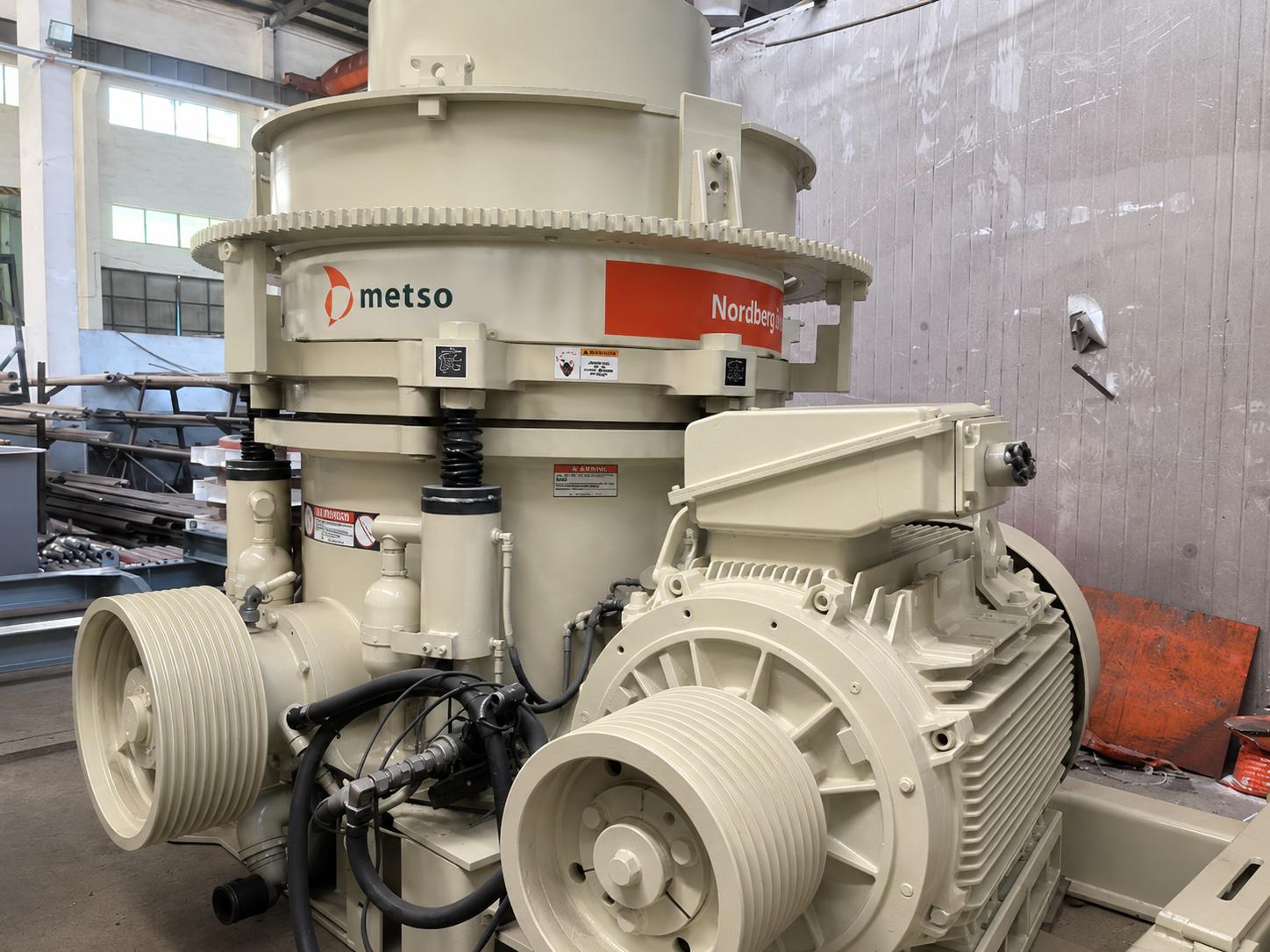
The silica and quartz dust suspended in the air of a quarry is an extremely abrasive, fine-grained material. This dust causes harm in two ways: first, by filling the gaps between the cooling fins on the motor frame, it blocks heat rejection and overheats the motor; second, by seeping in through the smallest opening and reaching the bearings and windings, it causes wear and insulation damage.
For this reason a high IP class is critical in quarry motors. While IP55 is accepted as a minimum, IP65 (complete dust-tight sealing) is preferred at the most aggressively dusty points. But selecting the motor alone is not enough; regular cleaning of the cooling surfaces is also mandatory. Dust-induced overheating is the most common cause of premature failure in outdoor motors.
- Cooling fin cleaning: Regular cleaning with compressed air preserves heat rejection.
- High IP class: Physically blocks dust ingress.
- Fan cowl check: An air grille filled with dust makes the fan spin uselessly.
- Filter maintenance: In enclosure-mounted motors, a clogged filter stops cooling completely.
The damage dust does to a motor is often slow and insidious; it emerges not in a day but by accumulating over weeks. That is why the most valuable practice for quarry operations is regular, planned cleaning. The thin layer of dust between the cooling fins can seriously reduce heat rejection even if it is not visible to the naked eye. Operators usually notice the problem only when the motor stops; yet with regular checks this point is never reached. In dusty sites, the enclosed (TEFC) frame type is almost mandatory in motor selection; open-frame motors fail quickly in these environments.
Filtered and Unfiltered Solutions
In some heavily dusty applications, an air filter is added to the motor's air intake. The filter traps coarse dust in the air drawn by the fan and protects the cooling surfaces; however, the filter itself must also be cleaned or replaced regularly, otherwise it clogs and blocks cooling entirely. In unfiltered solutions, the responsibility rests entirely on periodic cleaning. Which approach is chosen depends on the dust density and the maintenance capability.
Second Threat: Condensation Moisture
Because mine and quarry sites are outdoors, the day-night temperature difference is large. The motor heats up through the day and cools at night; in this cycle the air inside breathes and draws moist air from outside, and water condenses inside the frame. In a motor that stands idle, this water accumulates over time, corrodes the terminal block and lowers the winding insulation resistance. The result is often a short circuit that strikes in the first rainy season.
Anti-Condensation Heater
The most effective countermeasure against this threat is the anti-condensation (space) heater. This small heater, which switches on when the motor stops, keeps the inside of the frame a few degrees warmer than the surroundings and prevents condensation. Especially in long-idle standby motors and seasonally operated equipment, the anti-condensation heater is the cheapest insurance that saves the motor. Our content on corrosion protection outdoors covers this topic in greater depth.
Breather / Drain
Another measure is a controlled breather and drain plug. The breather balances the pressure inside the frame and reduces uncontrolled drawing of moist air; the drain plug allows accumulated water to be expelled from the lowest point. The mounting position of the motor matters too: it should be oriented so that the drain hole is at the bottom.
Third Threat: Impact and Vibration
Crushers, vibrating screens and conveyors continuously generate vibration and impact. When this mechanical energy is transferred to the motor, two things happen: the bearings wear prematurely and the bolted connections (mounting feet, terminal screws, lid bolts) loosen over time. A loosened mounting foot creates misalignment that accelerates bearing and shaft damage; a loosened terminal screw can heat up and arc, leading to a winding fire.
This is where the IK class (resistance to mechanical impact) comes in. The IK class shows how much external impact the motor frame can withstand; a high IK class matters on sites where falling rocks and operational knocks occur. Against vibration, mechanical solutions are used.
- Anti-vibration mount: Isolates the motor from the base, reducing vibration transmission.
- Lock nuts and spring washers: Prevent bolts from loosening under vibration.
- Periodic torque check: The torque of all connections should be checked at set intervals.
- Alignment: Coupling or belt-pulley alignment is the foundation of reducing vibration.
The insidious side of vibration is that it is often the symptom of another problem. Increasing vibration can mean a loosening foot, a worn bearing or a deteriorating alignment. That is why periodically measuring the vibration level gives early warning before a failure even forms. In modern facilities this monitoring, carried out with vibration measurement devices, greatly reduces unplanned downtime. On motors connected to high-impact equipment such as crushers, this monitoring is almost mandatory.
Bearing Selection and Lubrication
On vibrating sites, the bearing is the most heavily stressed part of the motor. Instead of standard bearings, reinforced bearings resistant to heavy load and vibration can be preferred. In lubrication, two points are important: the right grease type and the right lubrication interval. In a dusty environment, grease acts both as a lubricant and as a barrier that prevents dust from entering the bearing. Over-lubrication is as harmful as under-lubrication, so the interval and quantity recommended by the manufacturer must be followed. Motors with re-greasable bearings provide an advantage for long-term field use.
Outdoor Corrosion and Paint Protection
Alongside dust, moisture and vibration, a fourth factor threatening outdoor motors is corrosion. Rain, snow and humid air erode the paint of the motor frame over time, and rust begins on the metal beneath. For this reason, a reinforced paint system (for example a coating suitable for the C3/C4 corrosion category) should be preferred in quarry and mine motors. Corrosion is not merely an aesthetic problem; as it progresses it damages frame integrity and sealing. Our content on corrosion protection of cast-iron motors outdoors is a comprehensive resource on this.
- Paint category: A coating suitable for a heavy corrosion environment should be chosen for outdoor use.
- Scratch repair: Every scratch in the paint is a starting point for rust; it should be repaired quickly.
- Cast-iron frame: A solid, impact-resistant frame is preferred on harsh sites.
A Holistic Protection Strategy
The countermeasures against the three threats should be planned not separately but as a whole. When a correctly selected motor, a suitable IP/IK class, an anti-condensation heater, vibration mounts and regular cleaning come together, motor life becomes predictable even on the harshest site such as a quarry. These measures should be applied systematically within a periodic maintenance schedule.
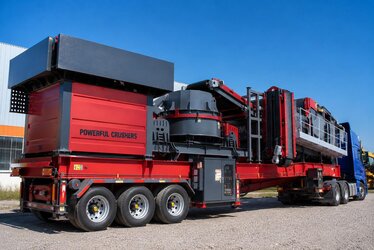
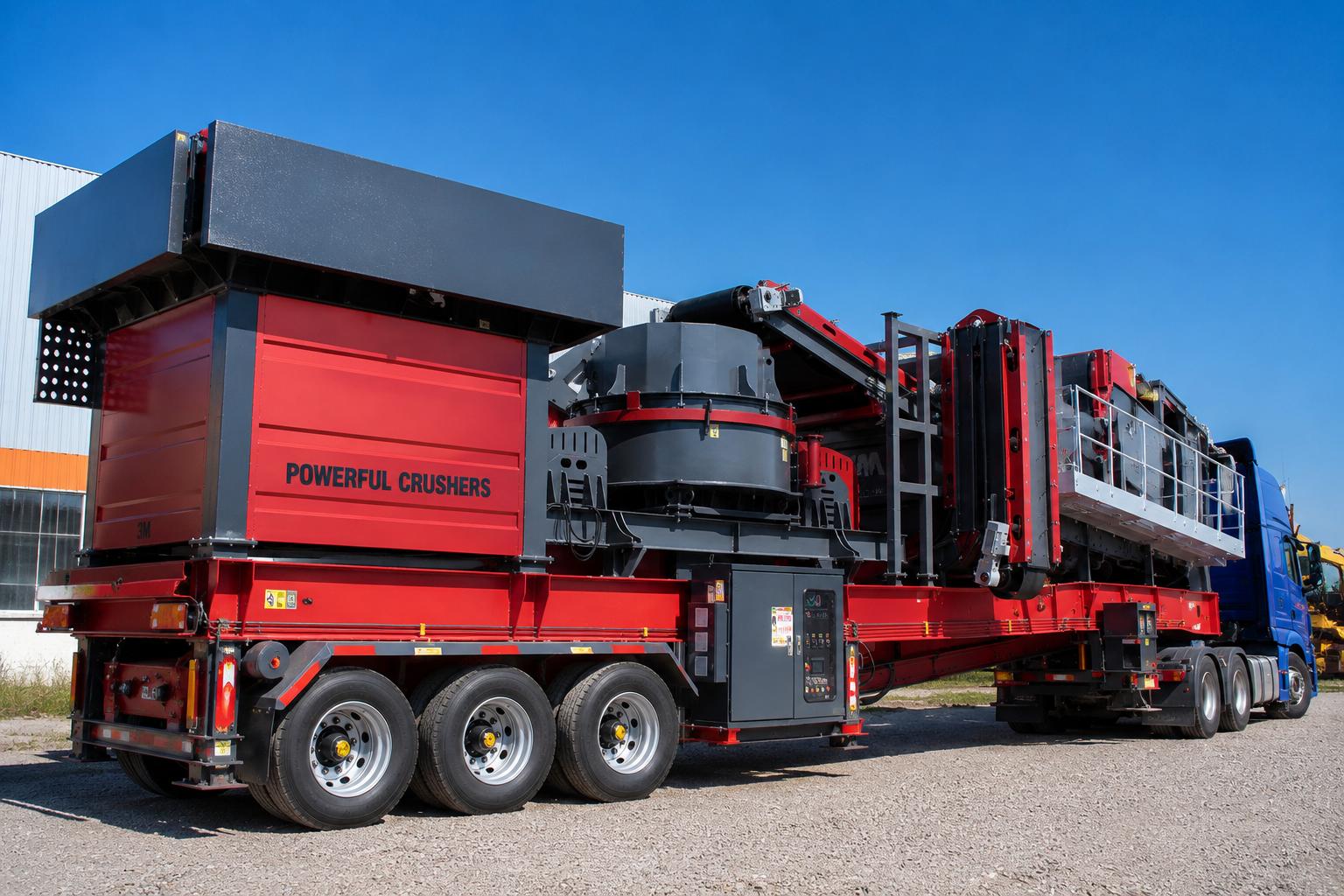
In mobile and portable crushing plants, fast motor supply is also a critical matter; the stoppage of a line directly affects daily production. Our content on motor supply in mobile crushers and portable plants is instructive here.
At HEM Motor, we quickly supply motors with the right protection class suited to the harsh conditions of quarries and mines from our wide stock. For information about our solutions, you can visit our homepage.
Frequently Asked Questions
Which IP class is sufficient for a quarry?
As a general rule IP55 is accepted as a minimum; however, at the most aggressively dusty and washdown points IP65 should be preferred. What matters is not only the class on the label but whether the installation (terminal box, glands) actually delivers that class in the field. A high IP class becomes meaningful together with regular cleaning of the cooling surfaces.
Is an anti-condensation heater necessary in every motor?
In a motor that runs continuously and never cools down, condensation risk is lower. But in motors that operate seasonally, stop at night or wait in standby, the anti-condensation heater is extremely important. On outdoor sites and in mines it is the cheapest and most effective measure to prevent water accumulating inside the motor.
How does vibration damage a motor?
Continuous vibration causes two main types of damage: it wears bearings prematurely and loosens bolted connections. Loosened mounting feet cause misalignment and shaft damage, while loosened terminal screws create a winding-fire risk through heating and arcing. Vibration mounts, lock nuts and periodic torque checks prevent this damage.