English
 Türkçe

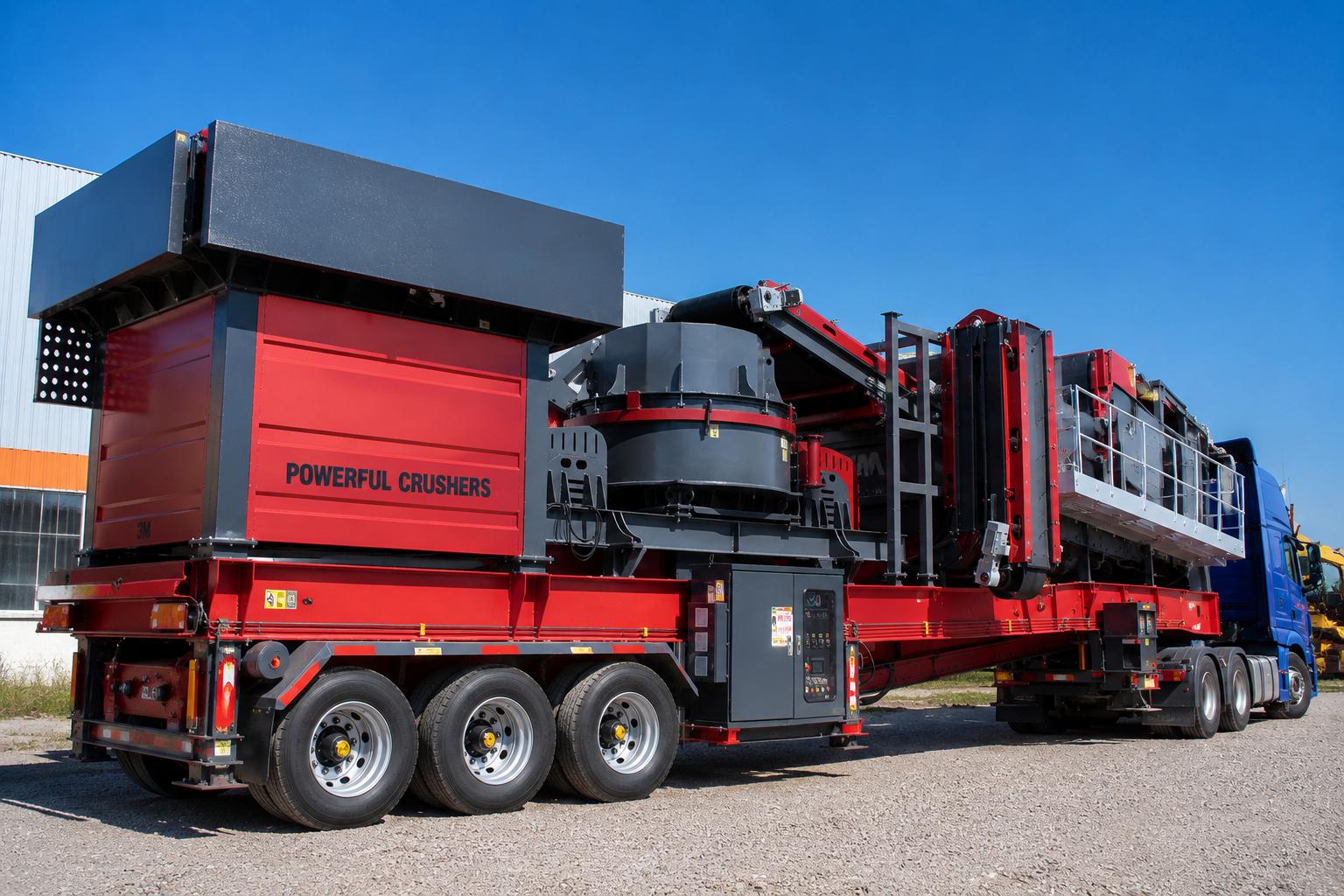

An impact crusher sits at the heart of heavy-duty processing of rock, basalt, limestone and recycled material, breaking them apart through impact energy. At the core of these machines is a heavy, high-speed rotor fitted with hammers or blow bars. The enormous kinetic energy stored by the rotor and its attached flywheel is released the instant the feed material strikes the rotor, shattering the rock. This very working principle sets the rotor drive motor selection of an impact crusher apart from any ordinary industrial application. A wrongly chosen motor means overheating, winding burnout, bearing failure and plant downtime. A correctly chosen motor means years of uninterrupted production. At HEM Motor, we design our heavy-duty motors for crushers and stone-crushing plants with precisely these demanding conditions in mind.
In this article we explain why the motor driving an impact crusher rotor is special, covering high inertia (GD²/J), flywheel starting and impact load in technical depth, and helping you select the correct power, the correct number of poles and the correct protection. As you evaluate our current elektrik motoru fiyatları and stock availability, our aim is to anchor your decision on a solid engineering foundation.
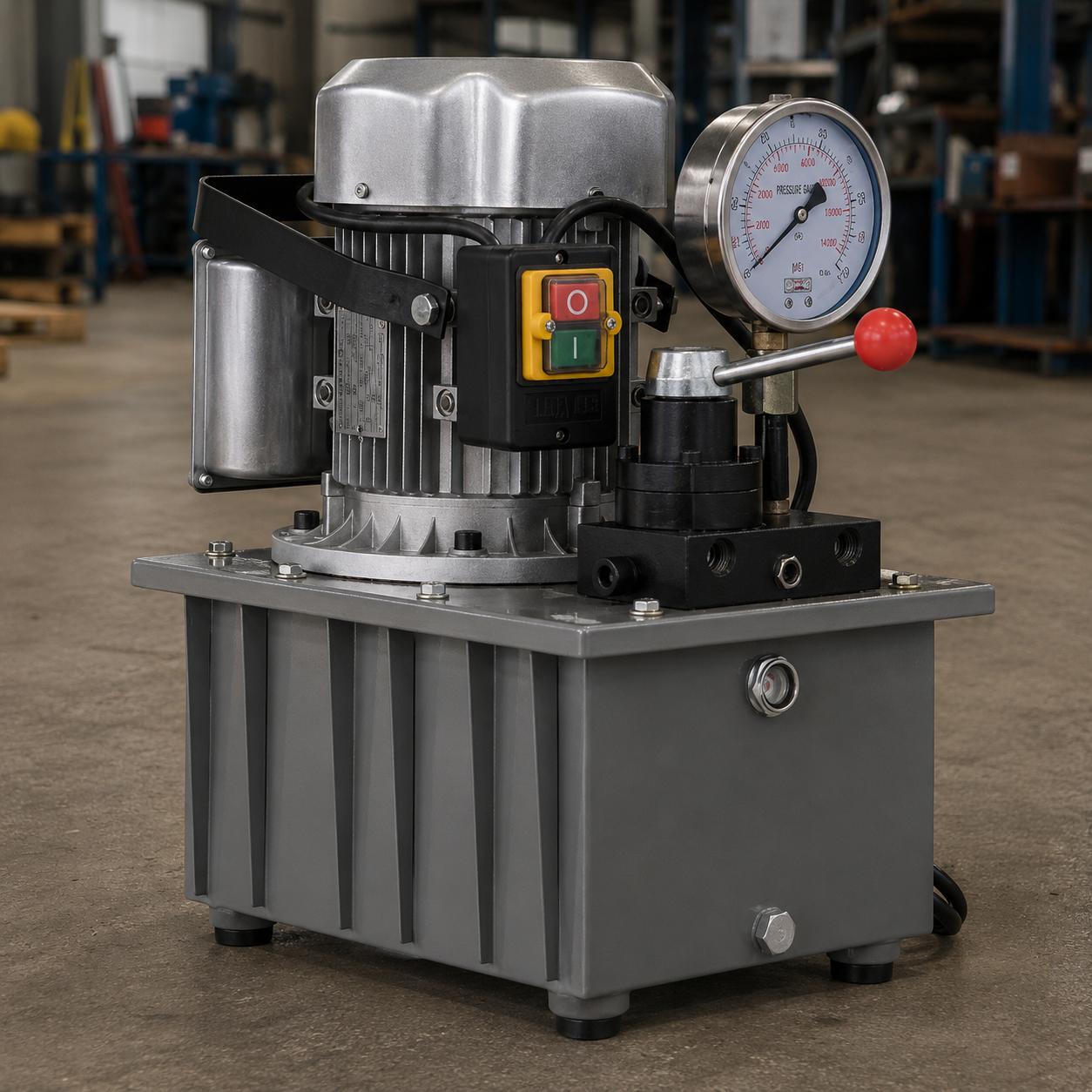
What Is an Impact Crusher and Its Rotor?
An impact crusher is a type of crusher that breaks material not by compression but by impact energy. While a jaw crusher squeezes rock between two jaws, an impact crusher performs crushing by the hammers or blow bars on a high-speed rotor striking the material. The fractured pieces are thrown against impact aprons and crushed a second time. This method is preferred especially for limestone, basalt and concrete recycling to achieve a high reduction ratio and cubical aggregate.
The most critical component of the system is the rotor. The rotor is a rotating mass of several tons onto which the hammers are fixed. In most impact crushers, one or two flywheels are attached to the rotor shaft in addition to the rotor itself. The combined mass of the rotor and flywheel stores a very large amount of kinetic energy while turning. This stored energy smooths the effect of each impact during crushing and prevents the motor from facing a sudden torque demand on every strike. In engineering terms, this means the system carries a high moment of inertia (GD² or J).
Three Factors That Make Impact Crusher Motor Selection Special
1. High Inertia and Long Run-Up Time
The rotor and flywheel together form a very high inertia mass. Bringing this mass from standstill up to operating speed takes far longer than starting a small pump or fan. While a typical pump motor reaches speed in 1-2 seconds, a heavy impact crusher rotor may reach speed over a run-up time of 10 to 30 seconds or even longer. During this long run-up the motor draws a high starting current of 5-7 times the rated current.
The critical issue here is thermal. The motor winding has a thermal limit that determines how long it can carry the high starting current; this limit is usually expressed through the tE time and the locked rotor time. If the rotor run-up time exceeds the permitted locked rotor time of the motor, the winding overheats during starting and degrades over time. For this reason an impact crusher motor needs:
- High starting torque to bring the rotor up to speed quickly,
- Class F insulation and a robust winding structure to withstand long run-up,
- Correct power selection ensuring the run-up time stays below the locked rotor time.
2. Impact (Shock) Load and Momentary Overload
The instant the feed material strikes the rotor, a sudden torque spike is imposed on the motor. This impact load creates short-duration surges well above the normal operating torque. Unlike a motor carrying a constant steady load, an impact crusher motor is subjected to repeated overload shocks within seconds. The motor is therefore expected to provide:
- A high service factor and overload capacity,
- High pull-out torque so that speed does not drop excessively during torque spikes,
- Reinforced bearings and a robust mechanical construction to withstand vibration and shock.
A standard general-purpose motor fatigues quickly under this impact load profile. A heavy-duty crusher motor, on the other hand, is engineered precisely to meet this stress.
3. The Role of the Flywheel
The flywheel is one of the least understood yet most important elements of impact crusher motor selection. The flywheel is a heavy disc attached to the rotor shaft that stores kinetic energy as it rotates. Its function is twofold:
- It smooths load peaks: The extra energy needed when material strikes the rotor is largely supplied from the energy stored in the flywheel rather than being drawn suddenly from the motor. The flywheel slows down slightly, and once the impact passes the motor accelerates it again. As a result the momentary torque demand seen by the motor is significantly reduced.
- It aids run-up and stabilizes speed: The inertia mass of the flywheel helps keep speed constant between impacts, ensuring the rotor hammers always work with sufficient impact energy.
This function of the flywheel directly affects motor selection. Thanks to the flywheel the motor does not have to absorb the highest impact peak on its own, which keeps the motor rated power within reasonable limits. However, since the flywheel is also part of the inertia that lengthens the run-up time, the starting strategy must be planned around this additional inertia. To examine this balance in more detail, we recommend our article on darbeli yükte volan ve atalet ile motor seçimi.
Starting Method: DOL, Star-Delta, Soft Starter and VFD
High inertia load makes the choice of starting method critical. The wrong starting method either stresses the grid or prevents the motor from reaching speed, leading to overheating.
Direct-On-Line (DOL) Starting
DOL is the simplest method but it severely stresses both the grid and the motor under high inertia load. The high current drawn at startup continues throughout the long run-up time, which can cause voltage dips and winding heating. While usable on low-power crushers, it is generally not preferred for large impact crushers with heavy rotors.
Star-Delta Starting
Star-delta reduces the starting current and torque to roughly one third. While this looks reassuring from a current standpoint, it can be risky for high inertia load: the reduced torque may fail to bring the heavy rotor up to the desired speed or may dangerously prolong the run-up time. If the transition to delta occurs before the rotor reaches full speed in the star stage, a large current and torque surge results at the moment of transition. For this reason, star-delta should only be used on impact crushers with careful engineering calculation and within a suitable inertia range.
Soft Starter
The most commonly preferred method in impact crusher applications is the soft starter. The soft starter limits the starting current by raising the voltage along a controlled ramp and safely manages the long run-up time. The high inertia rotor is brought up to speed gradually with controlled torque, reducing both the grid shock and the mechanical shock. A correctly set soft starter also protects the belt-pulley system and the bearings.
Variable Frequency Drive (VFD)
A VFD is used in plants where speed control or very smooth starting is required. By gradually increasing the frequency from zero, it brings the rotor up to speed with minimum current and allows the rotor speed to be adjusted when needed. However, due to its cost and harmonic management it may not be necessary in every plant; for most impact crushers a soft starter is sufficient. Our article covering the choice between starting methods in depth, konkasör motoruna yol verme yöntemleri, is a comprehensive guide on this subject.
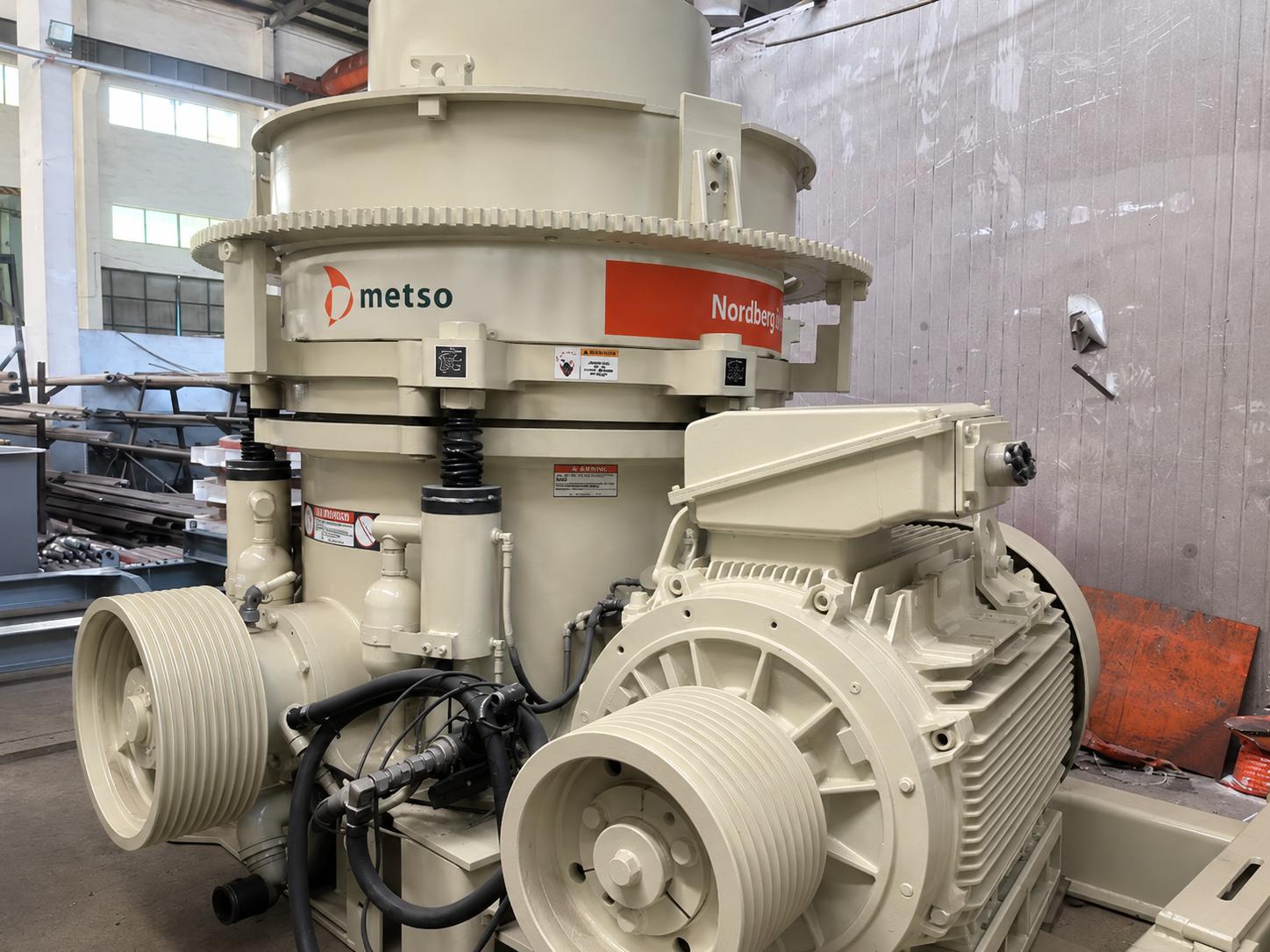
Construction and Design of an Impact Crusher Motor
An impact crusher motor must be specially designed for heavy-duty conditions. The standout construction features of the motors HEM Motor produces for crushers and stone-crushing plants are:
- Cast iron body: A cast body resistant to high vibration and mechanical shock that dissipates heat efficiently. Plastic or aluminium bodies are not suitable for this environment.
- IP55 / IP65 protection class: High protection that prevents stone dust and water spray from reaching the winding. IP65/IP66 is recommended in dusty pit and quarry environments.
- Class F insulation: An insulation system that withstands the high temperatures generated during long run-up and continuous full load.
- 100% copper winding: Full copper winding for low losses, high thermal resistance and long life.
- Reinforced bearings: A strengthened bearing structure to withstand the radial load from belt tension and the shock from impact load.
- High starting torque: A high torque characteristic to bring the heavy rotor up to speed within an acceptable time.
Number of Poles and Speed Selection
For impact crushers, 4-pole (~1500 rpm) motors are generally preferred. The motor speed is transmitted to the speed required by the rotor through a belt-pulley (V-belt) system at a ratio. The belt-pulley both transmits torque to the rotor and provides the desired speed ratio; it also offers mechanical flexibility and protection under impact load. Pulley diameters are selected according to the rotor operating speed. Since belt tension imposes a radial load on the motor shaft, selecting the correct frame size and shaft diameter is critical for bearing life.
Power (kW) Selection and Margin
The power of an impact crusher motor is determined by the crusher type, rotor size, capacity and the hardness of the material being crushed. While small mobile impact crushers operate in low power ranges, large stationary plant crushers may require motors reaching hundreds of kW. Key principles to observe in power selection:
- Leave margin for impact load: The motor must safely handle not just the average load but also the torque spikes. A safety margin above the calculated average power is therefore left.
- Check inertia and run-up time: The starting torque of the selected power must be able to bring the rotor + flywheel inertia up to speed within the locked rotor time.
- Correct frame and shaft: A frame size and shaft diameter capable of carrying the radial load created by belt tension must be selected.
For a more detailed comparison of power selection by crusher type, you can benefit from our konkasör motoru kW seçimi guide. If you wish to review our product range, our taş kırma eleme tesisi motorları and madencilik sektörü elektrik motoru pages offer options suited to your application.
Dust, Field Protection and Cooling
Stone-crushing plants are harsh environments dominated by dust, moisture and a wide temperature range. Therefore:
- IP65 / IP66 protection: Prevents fine stone dust from infiltrating the winding and bearings.
- Dust seal: Provides additional sealing at the shaft exit, extending bearing life.
- Ambient temperature: A motor that will operate at high ambient temperature must be selected with derating in mind.
- Continuous full-load cooling: The motor must have a fan and cowl design that provides adequate cooling at continuous full load.
Why HEM Motor?
HEM Motor supplies heavy-duty crusher motors for crushers and stone-crushing plants with manufacturer assurance. Our motors with reinforced bearings, high starting torque, cast iron body and Class F insulation are designed to meet the demanding working profile of an impact crusher. Thanks to our fast supply from stock approach, when a motor failure occurs in the quarry you do not wait through long lead times; you minimize the cost of downtime. We determine the appropriate power, pole count and protection class together, and offer the most accurate solution with a quotation tailored to your project. In a selection that directly affects the efficiency of your plant, moving forward with correct engineering support rather than a wrong motor is the most economical decision in the long run.
Frequently Asked Questions (FAQ)
What does the flywheel do in an impact crusher?
The flywheel is a heavy disc attached to the rotor shaft that stores kinetic energy as it rotates. When material strikes the rotor, the flywheel supplies most of the extra energy needed; this reduces the momentary torque spike seen by the motor and keeps the speed stable between impacts. This in turn allows the motor to be selected at a more reasonable power.
Is star-delta used on an impact crusher motor?
It can be, but it requires care. Because star-delta reduces the starting torque to one third, it carries the risk of failing to bring the high inertia rotor up to speed or dangerously prolonging the run-up time. On crushers with large rotors, a soft starter is usually a safer and more controlled option.
Which pole count and speed is suitable for an impact crusher motor?
For most applications 4-pole (~1500 rpm) motors are preferred. The motor speed is transmitted at a ratio to the speed required by the rotor through a belt-pulley (V-belt) system. The correct pulley diameter and belt tension determine both the speed ratio and the radial load on the bearings.
Should a soft starter or a VFD be preferred?
If only controlled starting and low inrush are needed, a soft starter is sufficient and economical for most impact crushers. If changing the rotor speed or multi-stage control is required, a VFD is preferred. Both methods stress the motor less than DOL and star-delta under high inertia load.