English
 Türkçe

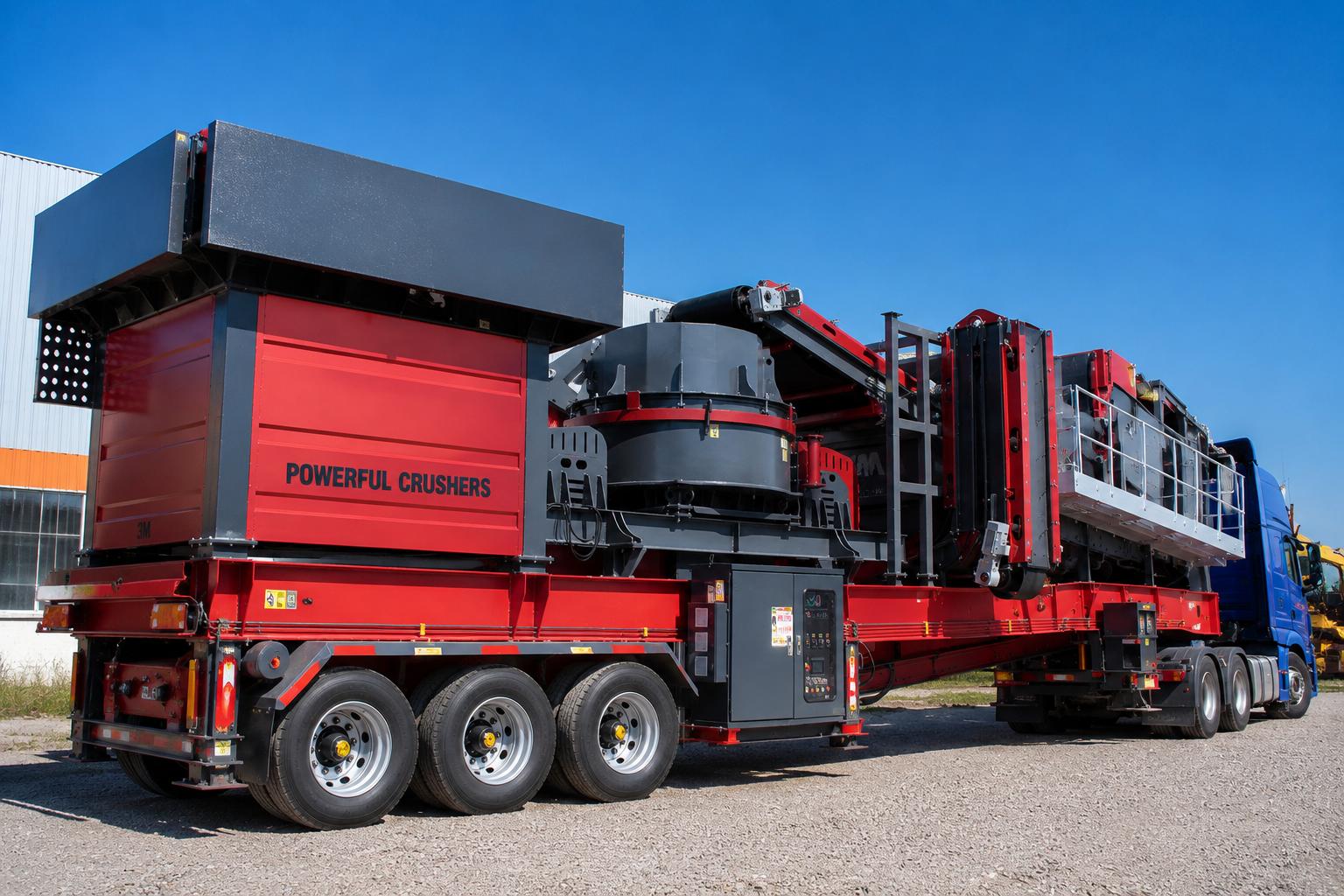

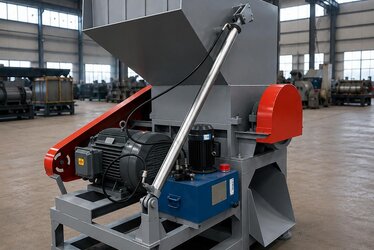
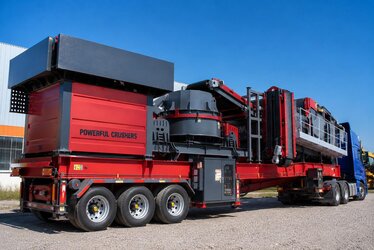
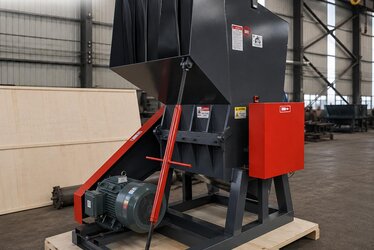
From an electrical standpoint, a crusher plant is one of the most demanding industrial environments imaginable: dozens of large electric motors operate on the same site, fed by a single transformer or, in mobile setups, a single diesel generator. The primary jaw or impact crusher, the secondary and tertiary crushers, vibrating screens, feeders and conveyor belts stretching tens of meters are all driven by high-power motors. When every one of these motors is switched on directly and at the same time, the result is a serious problem that pushes the plant's electrical infrastructure to its limits. This is precisely where the concept of staggered starting becomes essential.
In this article we will examine in detail why motors in stone-crushing and screening plants must be energized one by one and in a specific logical order, how the inrush current demand affects the transformer and generator, how to build correct starting sequence logic, and which type of motor should be chosen for this process to run smoothly. Our goal is to explain the root cause of common field problems such as voltage dip, transformer overload and generator stalling, and to offer practical, applicable solutions.
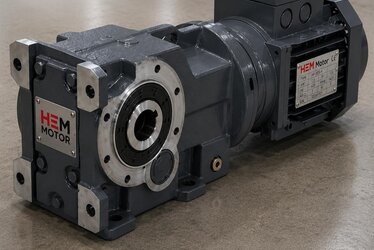
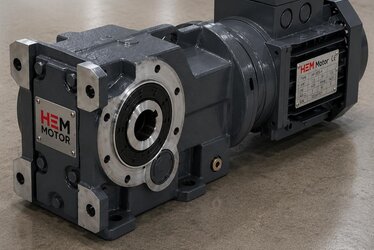
At HEM Motor, the cast iron bodied, high starting torque motors we manufacture in IE3 and IE4 Super Premium efficiency classes for crusher plants are engineered specifically to run reliably under these harsh conditions. When the right motor selection meets the right sequential starting strategy, the plant is operated both more reliably and more economically.
Why Does a Crusher Plant Have So Many Large Motors?
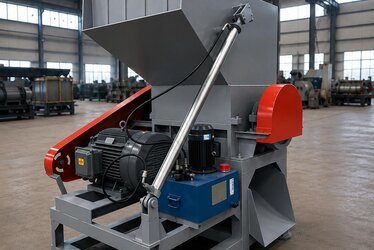
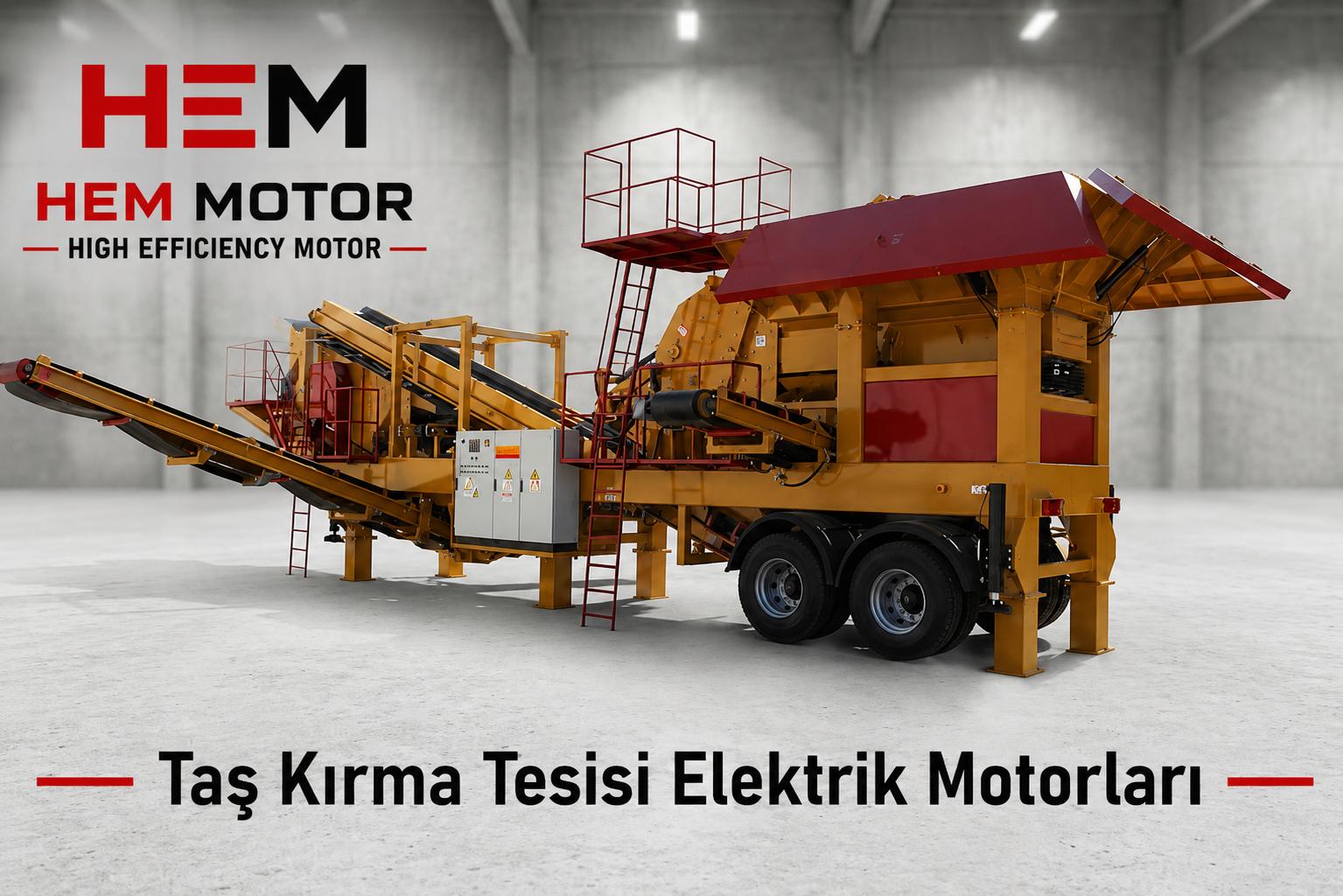
A stone-crushing and screening plant works like a chain that progressively reduces material size. Each stage is a separate machine with its own drive motor. The main motor groups found in a typical plant are:
- Primary crusher (jaw/impact): usually carries the largest motor in the plant. Ratings of 90 kW, 132 kW, 160 kW and even 250 kW and above are common on site. Because of the large flywheel and heavy rotor, it overcomes very high inertia during starting.
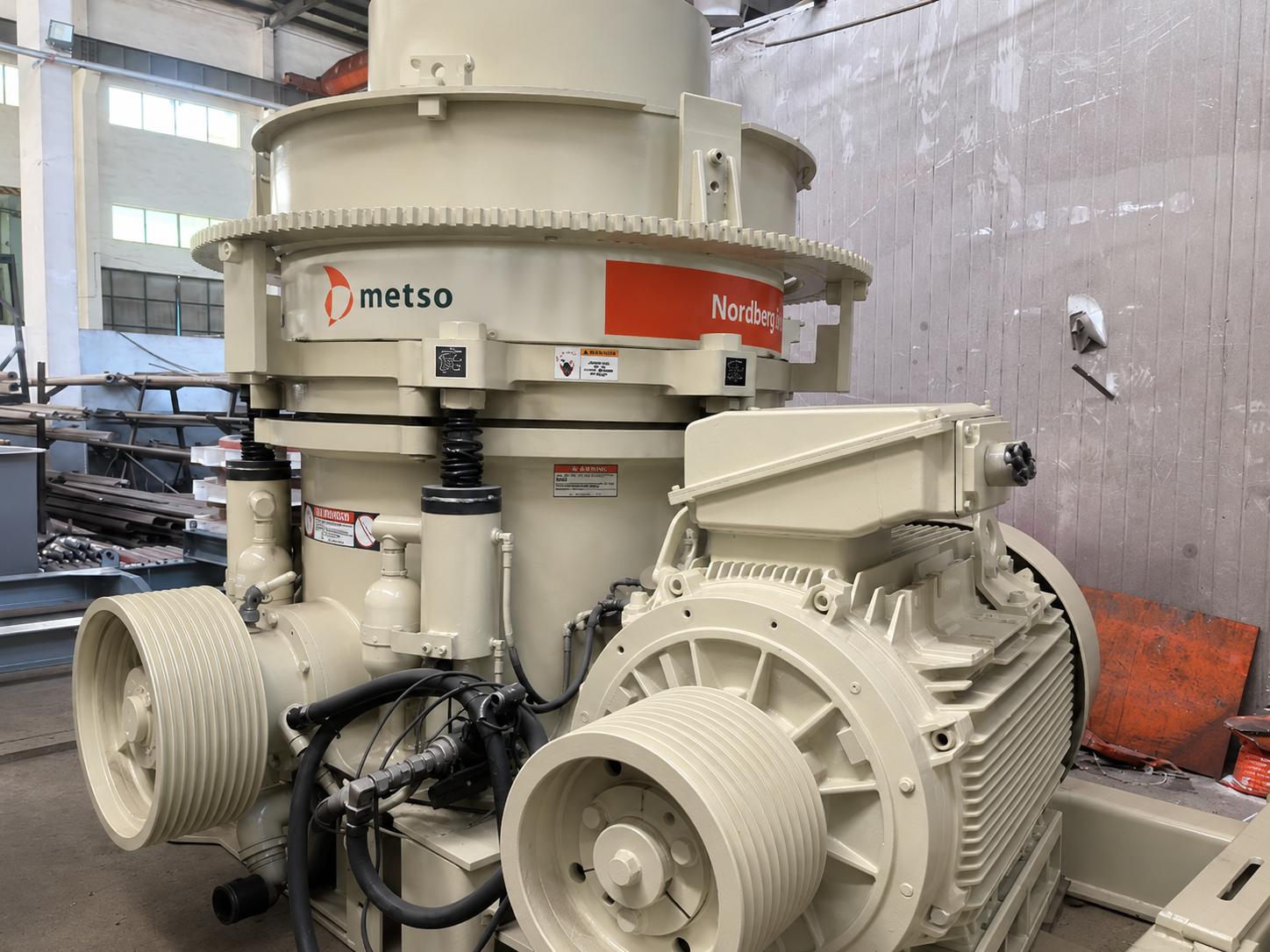
- Secondary and tertiary crushers: cone or impact type crushers reduce the product to the desired fractions. These are also driven by powerful motors in the 75–200 kW range.
- Vibrating screens: screens that separate material by size require high starting torque to set their eccentric masses in motion.
- Bin feeders and vibrating feeders: these units regulate material flow and feed the crushers evenly.
- Belt conveyors: conveyors tens of meters long carry material from one unit to another. They are the most numerous motor group in the plant.
The total installed power of all these motors can easily reach between 800 kW and 2000 kW. This is why feeding the plant from a single transformer, or a single generator in mobile setups, creates a serious engineering problem at the moment of startup.
The Problem Created by Simultaneous Direct-On-Line Starting
When an asynchronous motor is started direct-on-line (DOL), it draws a current equal to 6 to 8 times its rated current in the first instant. This is called the inrush current or starting current. For a single small motor this short pulse causes no problem; but when all the large motors in a crusher plant are switched on at once, the situation changes completely.
Enormous Instantaneous Current Demand and Voltage Dip
Suppose the 160 kW primary crusher motor draws roughly 290 A at rated load. On a DOL start this value spikes momentarily to 1800–2300 A. When the secondary crusher, screens and conveyors are added, the total instantaneous current demand exceeds many times over what the transformer or supply line can carry. The result is a sudden, deep drop in the grid voltage, in other words a voltage dip.
A voltage dip creates a vicious circle: as voltage falls, motors cannot produce starting torque; motors that cannot accelerate keep drawing high current for longer, which depresses the voltage further. Contactors on the same line may drop out, control relays may release, and the entire plant can shut down.
Transformer Overload and Demand Penalties
Simultaneous starting creates a very high instantaneous transformer load. The transformer's thermal protection or the main breaker's magnetic protection may interpret this surge as a fault and trip. In addition, energy supply contracts impose penalties based on the maximum instantaneous power (demand) drawn. High starting surges push the measured demand value upward, leading to significant demand penalties on the monthly electricity bill.
Stalling in Generator-Fed Mobile Plants
In mobile crusher plants, power usually comes from a diesel generator. A generator's tolerance to inrush current is far lower than the grid's. When all motors try to start at once, the generator frequency and voltage collapse; the diesel engine stalls and the set shuts down. For this reason, generator selection and correct matching of motor ratings are critical; our article on generator kVA - motor kW matching can guide you through the inrush current calculation.
The Solution: Sequential (Staggered) Starting
Sequential starting means energizing all motors one by one, not simultaneously, with defined time delays and in a logical order. A PLC or smart relay based control system starts the motors in an interlocked sequence. Each motor reaches its rated speed before the next one is engaged.
The main benefit of this approach is this: the plant's total instantaneous current demand becomes equal only to the starting current of the single motor that is currently starting, instead of the sum of all motors' starting currents. As a result, the transformer and generator face a much smaller surge, voltage dip is minimized, and demand penalties are avoided.
Correct Sequencing Logic: Against the Material Flow
The most critical issue in staggered starting is the order in which the motors are started. The golden rule is: start against the material flow, that is from downstream toward upstream. In practice this means:
- The final product (discharge) conveyors are started first.
- Then the conveyors beneath the screens and in between are energized.
- Next the vibrating screens are started.
- After that the secondary and tertiary crushers start (empty).
- Finally the primary crusher and the feeder that supplies it are engaged.
There are two fundamental reasons for this sequence. First, material must not be dropped onto a conveyor before it starts running; otherwise a loaded conveyor cannot accelerate and material piles up. Second, a crusher should not start with material on it. An empty crusher start removes the material resistance that would further increase the motor's already high starting load. For this reason the feeder is always started last and only after the crusher has reached full speed.
Interlocked PLC Sequence and Time Delays
Staggered starting is not merely a timing sequence; interlock logic is built between each motor. The next motor is not allowed to start until the previous one provides a "running and ready" signal. Delays of 3 to 10 seconds are typically placed between motors. This interval must be long enough for the previous motor's inrush current to fall to rated level and for the voltage to recover. The PLC also automatically stops all upstream units when any motor faults or a conveyor stops, preventing material blockage and damage.
Combining Soft Starting on the Large Crusher Motor
Sequential starting reduces the total demand by separating motors in time; however, the plant's largest motor, the primary crusher, can draw a very high starting current on its own. This is where soft starter or star-delta starting methods come into play.
- Soft starter: accelerates the motor smoothly by ramping the voltage gradually. It reduces the starting current from 6-8 times rated down to 2.5-4 times. On crushers with heavy flywheels it also reduces mechanical shock and belt wear.
- Star-delta: a more economical method; it first starts the motor in star connection at low current, then switches to delta as speed rises. It reduces the starting current to roughly one third, but because it also lowers starting torque it is not suitable for loaded starts; it is ideal for an empty crusher start.
The combination of sequential starting plus a soft starter on the large motor is the most reliable solution in the field. To examine crusher-specific starting methods in more detail, you can read our guide on crusher motor starting.
The Role of Correct Motor Selection in Sequential Starting
No matter how well the sequential starting strategy is designed, the quality and characteristics of the motors used directly determine the success of the system. Crusher plants are perhaps the most demanding operating environment for motors: heavy dust, constant vibration, impact loads and frequent start-stop cycles.
Why Is High Starting Torque Critical?
Crusher and screen motors must set heavy flywheels and eccentric masses in motion from standstill. To overcome this high inertia, the motor must produce high starting torque. The motors HEM Motor manufactures for these applications deliver high starting torque, guaranteeing both empty crusher start and safe acceleration even under a voltage dip. A low-torque motor cannot accelerate when the voltage drops slightly, creating a risk of burnout.
Cast Iron Body, IP55 and Insulation Class F
The dusty and impact-prone environment demands high robustness from the motor body as well. HEM Motor's cast iron bodied motors resist mechanical shock and vibration. The IP55 protection class shields the windings against dust and water jets, while class F insulation provides a safe margin at high temperatures. Reinforced bearings offer long life against vibration and radial loads. A wide power range from 0.55 kW to 355 kW, and speed options with 1500 rpm as primary plus alternatives, make it possible to choose the right motor for every unit in the plant.
When determining compatible power and speed combinations for all the units in your plant, our content on crusher plant motor selection and screen and feeder motors offers a practical starting point.
Relief in Transformer and Generator Sizing
Perhaps the most concrete commercial benefit of sequential starting is the relief it provides in transformer and generator sizing. In a simultaneous DOL start scenario, the transformer or generator feeding the plant must be selected large enough to handle the instantaneous starting surge. This means an expensive supply infrastructure far above the installed power.
With staggered starting, the supply source is sized only to handle the starting surge of a single large motor plus the rated load of the other motors already running. In most cases this means a transformer or generator one size smaller and more economical can be chosen. The initial investment cost falls, the contract power is optimized, and monthly demand penalties are eliminated.
Spare Parts and Compatible Motor Sourcing
A crusher plant cannot tolerate downtime over its economic life; every stoppage means lost production and therefore lost revenue. For this reason, sourcing the plant's motors from the same manufacturer, in compatible power and mounting dimensions, provides a major advantage. Keeping spares for critical motors makes it possible to replace a unit within hours of a failure. At HEM Motor we offer compatible, quickly available motors across a wide power range for crusher and stone-crushing-screening plants. You can contact us for current electric motor prices and motor selection tailored to your application.
Frequently Asked Questions
Does sequential starting completely eliminate the inrush current of all motors?
No, each motor still draws its own starting current as it accelerates. However, thanks to sequential starting, these currents are distributed over time, so the plant's total instantaneous current demand is much lower than if all motors started at once. In practice the supply source only ever sees the starting surge of the single largest motor. If a soft starter or star-delta is also used on the large crusher motor, even this surge is significantly reduced.
Why are the motors started against the material flow?
Because a conveyor or crusher must already be running before material reaches it. If the upstream feeder runs first, the conveyors and crushers that have not yet started fill with material; loaded machines cannot accelerate, motors are overstressed and blockages occur. Starting from downstream ensures each unit is empty and ready to receive the material. In particular, an empty crusher start minimizes the already high starting load on the crusher motor.
My generator keeps stalling on my mobile plant — is the problem with the motors?
In most cases the problem is not the motors but simultaneous starting and the generator-to-motor power matching. When all motors try to start at once, the generator voltage and frequency collapse and the diesel engine stalls. Applying staggered starting and using soft starting on the large motor largely solves this problem. The generator kVA rating must also be correctly chosen to cover the largest motor's inrush current.