English
 Français
 Türkçe
 Español
 Русский

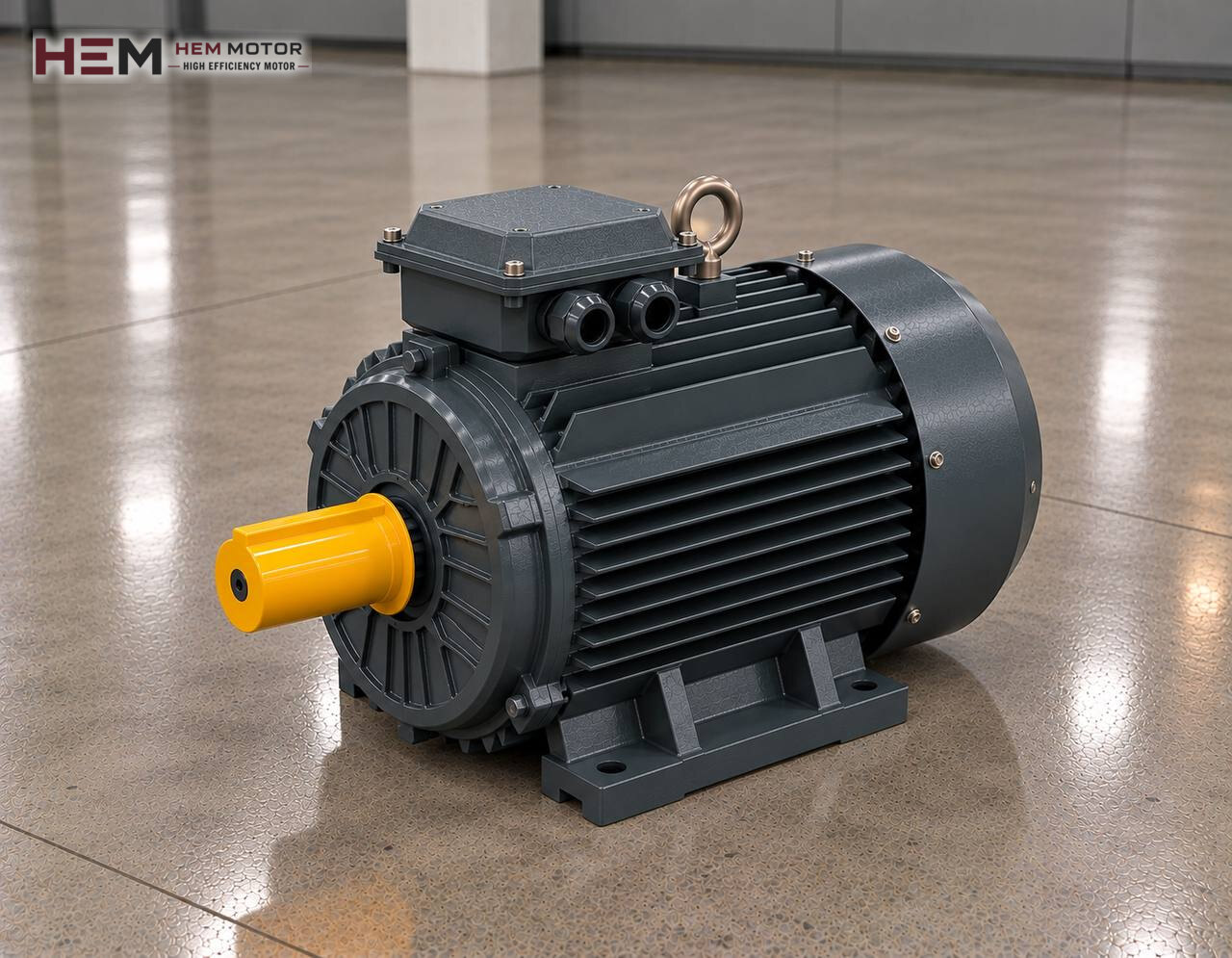
In beverage, dairy and brewery plants that refill returnable glass bottles, a large bottle washing machine usually stands in front of the filler. This page focuses on the three-phase motors that turn the chain drive, the pumps and the auxiliary movements inside that machine; the other machines of the sector are gathered on the electric motors for food processing and preparation machines page.

How Does a Bottle Washing Machine Work?
In a large bottle washer the bottles are placed mouth down in rows of pockets mounted between two long chains. The chain carries these pockets through soaking tanks filled with hot caustic solution, then through hot and warm water spray zones, and sets the bottles back on the conveyor on the clean side. If bottles enter and leave at the same end, it is a single-end machine; if at opposite ends, a double-end machine – the double-end layout separates the dirty and clean sides.
In smaller plants, especially for olive oil, vinegar and craft beer, semi-automatic machines that clean the bottle inside and out with rotating brushes, or rotary rinsers that invert new PET bottles and rinse them with air or water, are used. In both groups the number and load of the motors are very different from those of a large washer.
Main Chain Drive: Slow, Heavy and Synchronised
The most important motor of a large washer is the main drive that moves the pocket chain. The chain moves slowly, but it carries hundreds of full pockets, the resistance of the liquid as they pass through the tanks and the friction in the guides. The motor handles this load through a high-ratio reducer. When the machine restarts after stopping full, all of that mass has to be set in motion at once, which is why starting torque matters.
The main drive also runs in mechanical or electrical synchronism with the bottle separator on the infeed table, the discharge mechanism and sometimes the label removal system. So that speed can be adjusted to the filler, the drive is usually fed by a frequency inverter. If the motor is to turn at full torque for long periods at low speed, its own fan may not be enough for cooling and a separate fan may have to be added; if the cable between motor and inverter is long, an output filter is considered. Include these details with your order; general information is on the inverter-compatible motors page.
Spray and Circulation Pumps
Most of the motors in a washer belong to pumps. The solution of each soaking tank is circulated through a heater and a filter; each spray zone has its own pump that jets water into and onto the bottles. These pumps are usually centrifugal and run at constant load throughout the shift. The pump motor's power and speed come from the pump's operating point; for selecting the motor side see the centrifugal pump electric motor and pump electric motors pages.
Because the solution is hot, the pump casing and flange heat up too; on close-coupled pumps this heat passes straight into the motor's front end shield. The liquid temperature permitted by the pump manufacturer and the ventilation of the compartment where the motor sits must be considered together.
Label Removal, Vapour Extraction and Auxiliary Drives
Paper labels that come off the bottles in the soaking tank are taken out of the solution by a screen belt or a label press. This belt is a low-power geared drive that turns continuously; because it carries a wet, fibrous load, motor current rises when it clogs. The vapour extraction fan on top of the machine expels the hot, humid air from the tanks; this fan runs continuously and its motor should be kept out of the humid air stream.
The bottle conveyor chains on the infeed and discharge tables are small drives run together with the rest of the line. What they all have in common is that the motor is kept around the wet zone but separate from it.
Hot Caustic Vapour, Condensation and Protection
The area around a bottle washer is one of the most humid parts of a food plant. Vapour from the hot caustic solution condenses on cold surfaces and leaves moisture on motor fins and in the terminal box. The IP55 protection of HEM motors is against dust and splashing water; it is not intended for pressure-water washing, direct exposure to chemical solution or places that require hygienic design. In such conditions measures by the machine builder, such as a protective cover or a separate motor compartment, or a special motor are needed; state this in your order.
An anti-condensation heater against moisture building up inside the frame during stoppages, and a PTC or PT100 sensor monitoring winding temperature for the main drive and frequently starting auxiliary drives, are order options. Paint is supplied in RAL 7012 and RAL 7024; if additional protection for a harsher chemical environment is wanted, let us discuss it at the quotation stage.
Mounting and Reducer Connection
On the main chain drive the motor usually sits on the input flange of a shaft-mounted reducer; on pumps, either the pump uses the motor shaft directly in a close-coupled design or pump and motor are foot-mounted on a baseplate and joined with a coupling. So the same machine can contain both flange and foot motors. HEM Motor offers B3, B5, B14, B34, B35 and V1, V3, V5, V6, V15 positions according to frame size; flange and shaft dimensions are mutually confirmed at the order stage. For the reducer side the electric motors for gear reducers page helps.
Example HEM Models for Bottle Washing Machines
| Drive | Motor load | Value to check when ordering | Example HEM model |
|---|---|---|---|
| Label removal screen belt | Wet, fibrous, low power | Reducer flange, clogging current | 0.75 kW 80M2-4 cast iron (1,420 rpm) |
| Small brush bottle washer | Brush rotation, continuous | Supply voltage, brush speed | 1.1 kW 90S-4 cast iron (1,445 rpm) |
| Spray zone pump | Constant flow, continuous | Pump operating point, liquid temperature | 4 kW 112M-2 cast iron (2,905 rpm) |
| Soaking tank circulation pump | Hot solution, continuous | Close-coupled or coupled | 5.5 kW 132S1-2 cast iron (2,930 rpm) |
| Main chain drive of a large washer | Slow, heavy, starting full | Inverter, lowest speed, PTC | 7.5 kW 132M-4 cast iron (1,460 rpm) |
The models were chosen to give an idea. The right motor for each drive in the machine is finalised from the power and speed given by the washer manufacturer and from the pump or reducer data; the operating environment is also part of this decision.
Information to Prepare for a Quote
Write to us which machine and which drive you need a motor for (main chain, spray pump, circulation pump, label belt, vapour fan), the power (kW) and speed (rpm) on the nameplate, the supply voltage, the mounting type (flange, foot or close-coupled pump) and how many you need. Also state whether the motor is in the washing or vapour zone. Photographing and sending the nameplate of the existing motor makes choosing an equivalent easier.
Current prices of the models are on the electric motor shop pages; use the contact page to reach us by WhatsApp and phone.
Frequently Asked Questions
Why does the main drive motor of a bottle washer fail often?
The most common causes are repeated restarts of the full machine, long running at very low speed on an inverter, and vapour and condensation reaching the motor. Number of starts, current drawn and ventilation of the motor compartment should be checked together.
Should all pump motors in the washer have the same speed?
No. Each pump's speed comes from its own operating point; spray pumps and circulation pumps can run at different speeds. When replacing, keep the nameplate speed of the old motor.
Is it a problem to place the motor next to the vapour extraction fan?
The hot, humid air expelled by the fan should not pass over the motor. The motor should stand outside this flow, where it can draw clean air; if needed, ask for an anti-condensation heater.
Can a single-phase motor be used on a small brush bottle washer?
In small businesses without a three-phase supply the 0.18–5.5 kW single-phase series can be considered; details are on the single-phase 220 V motor page.