English
 Français
 Türkçe
 Español
 Русский

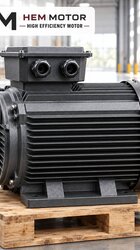
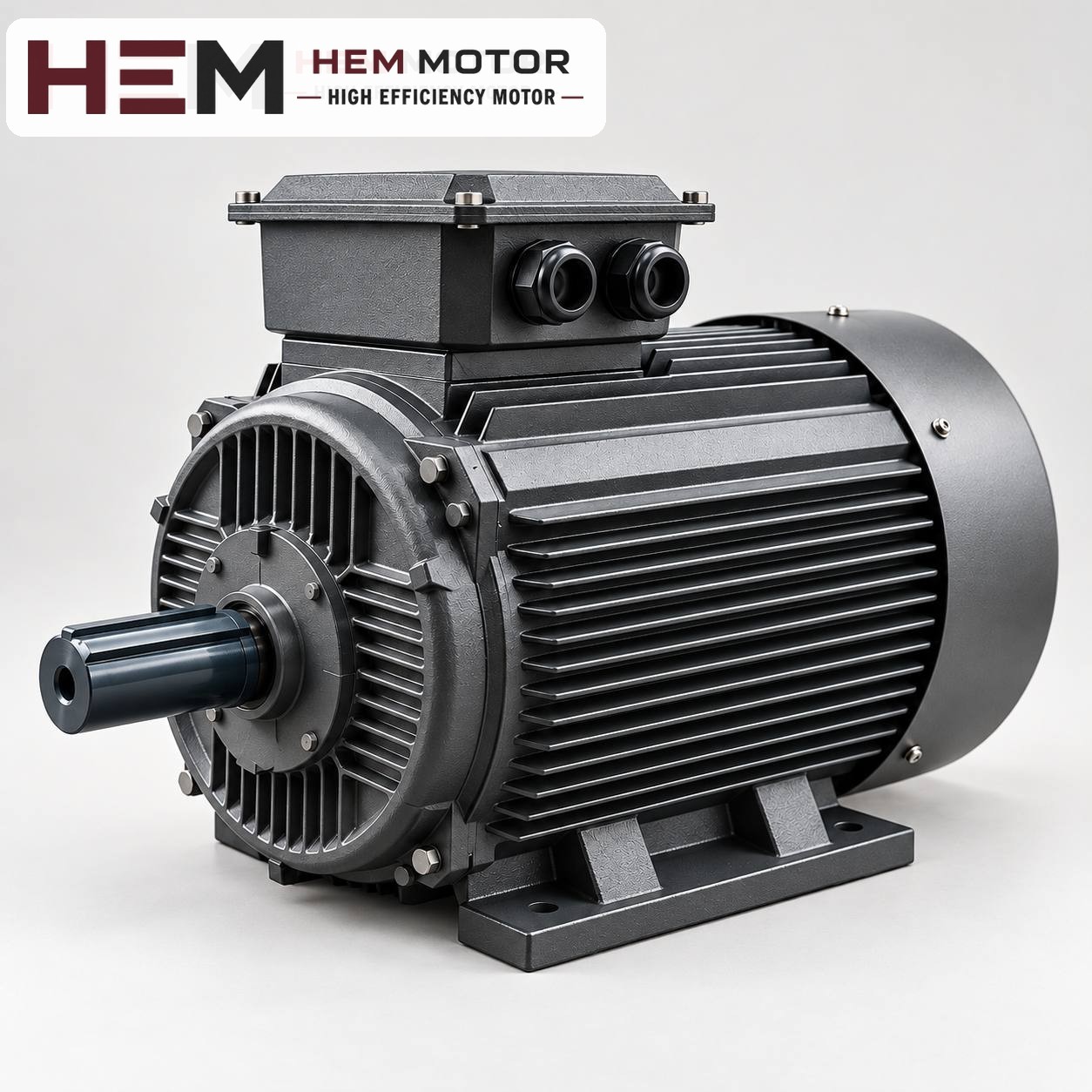

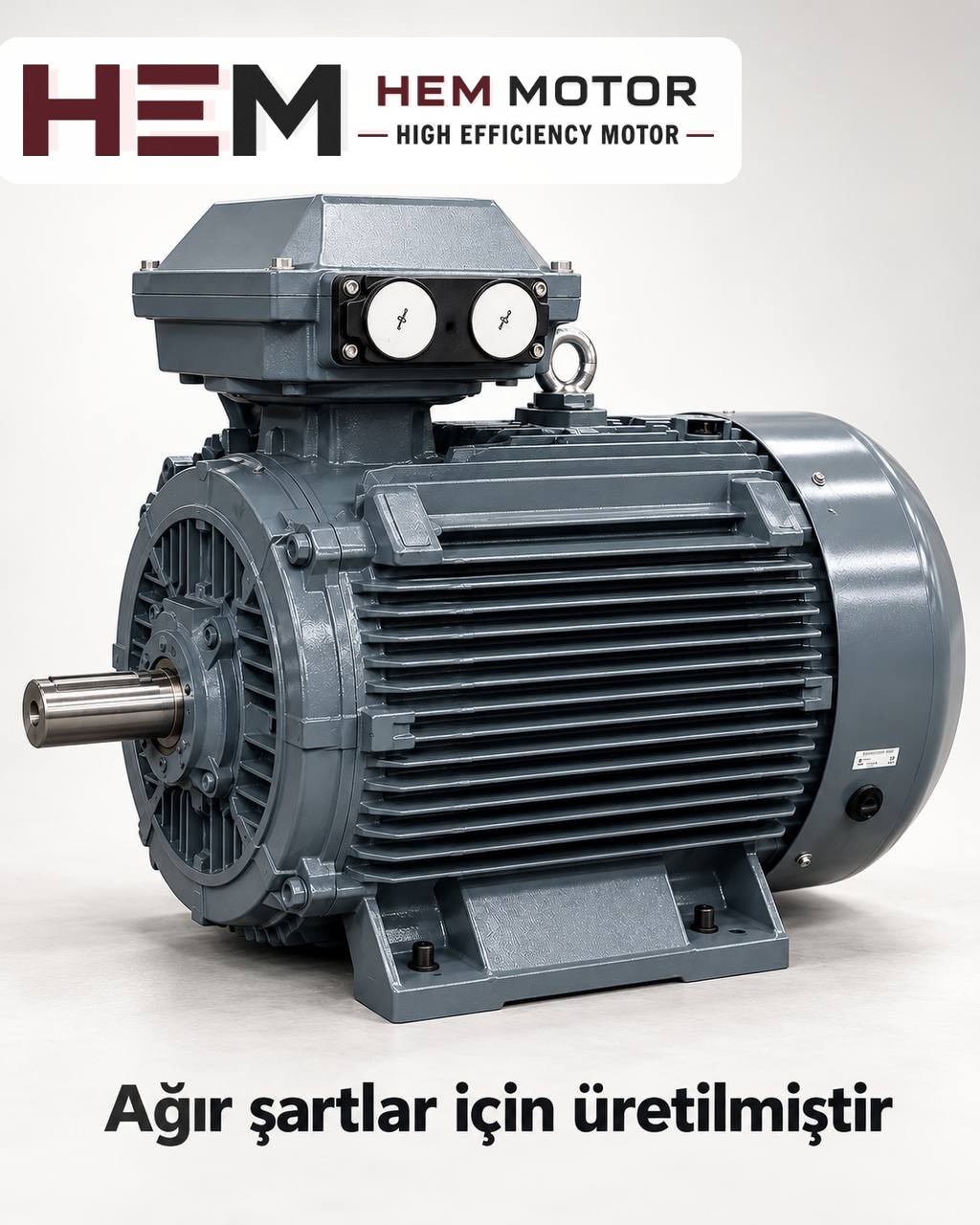
Motor selection for a washed food conveyor starts with how much water the motor will be exposed to and by which cleaning method. A standard three-phase motor with IP55 protection can be used on many lines when it is placed in a protected position above or beside the belt, where the water jet is not aimed directly at it. On lines where the motor is washed directly with pressurised water or foaming chemicals, or stands in the product contact zone, a hygienically designed (stainless or washable) special motor is needed.
Define the cleaning regime first
The expression "washed conveyor" can describe different conditions. Before selecting the motor, write down clearly how the line is cleaned, because each regime puts a different load on the motor:
| Cleaning regime | Effect on the motor | Assessment for a standard IP55 motor |
|---|---|---|
| Wiping with a damp cloth, light splashing | Occasional drops and humidity | Can generally be used in a suitable position. |
| Rinsing with a low-pressure hose | Water from all directions, pooling around the motor | Assessed if the motor is outside the jet and protected. |
| Washing with high-pressure or hot water | Direct pressure on seals and cable entries | Exceeds the limit of a standard motor if aimed directly at it. |
| Foaming detergent, acid or alkaline chemicals | Chemical effect on paint, seals and frame surface | The chemical and concentration should be stated with the order; a special motor may be needed. |
IP55 means protection against dust and resistance to water jets from any direction. This does not mean that the motor can be washed at close range with a high-pressure washing gun. Pressurised water strains the seals and cable glands; the pressure difference that forms inside as the motor cools after washing can also draw moisture in.
Mounting position: keeping water away from the motor
On a washed line, what determines motor life most is where and in which orientation it is mounted. The same motor that fails quickly under the belt standing in a puddle can run for years above and beside the belt.
- Height: Do not place the motor close to the floor and the dripping line. If possible, position it beside the upper level of the belt, out of the direction in which wash water flows.
- Terminal box: The cable entry should face downwards so that water running along the cable is not directed into the terminal box. Connect the cable with a downward drip loop before the entry.
- Fan side: The motor is cooled by its own fan (IC411). Do not block the front of the fan cover; make sure the cover does not face a pit that collects water. You can find more on cooling in our cooling methods article.
- Vertical mounting: In shaft-up mounting (V3, V6), water can run down the shaft towards the motor's front end shield. If a vertical position is required, state this with the order; for shaft-down applications see our vertical mounting article.
- Product contact zone: The motor should not be placed directly above the zone where open food product passes; the risk of grease or paint particles falling is not acceptable for hygiene.
Mounting arrangements (B3, B5, B14, B34, B35 and vertical V1/V3/V5/V6/V15) are offered according to the frame; the flange size is confirmed with the order. Remember that the gearbox is in the same environment; the gearbox breather plug and seals are also affected by wash water.
Condensation: the invisible water after washing
When a hot motor is washed with cold water, or when a line running in a cold room is cleaned with hot water, condensation can form inside the motor. This water gradually reaches the winding and bearings; the failure often appears weeks after washing. The following measures reduce this risk:
- If possible, carry out washing after the motor has stopped and cooled a little.
- If the line will stand idle for a long time, make sure the motor is dry before restarting; the checks in our article on storing spare motors also apply after long standstills.
- If additional features such as condensate drainage or a winding heater are needed, ask about them separately with the order; such options are not listed on the standard model pages.