English
 Français
 Türkçe
 Español
 Русский

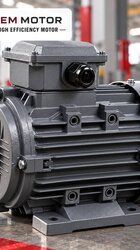
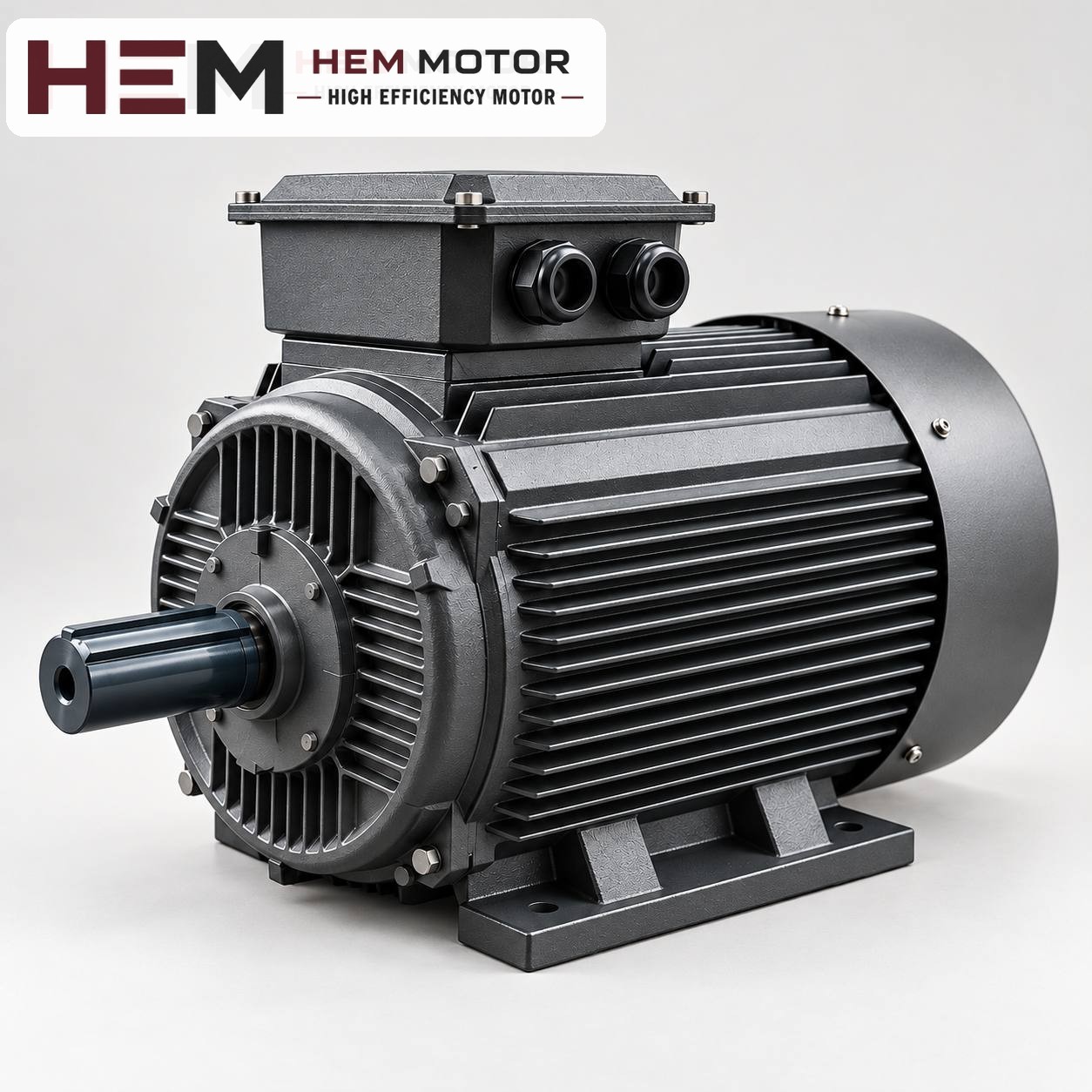

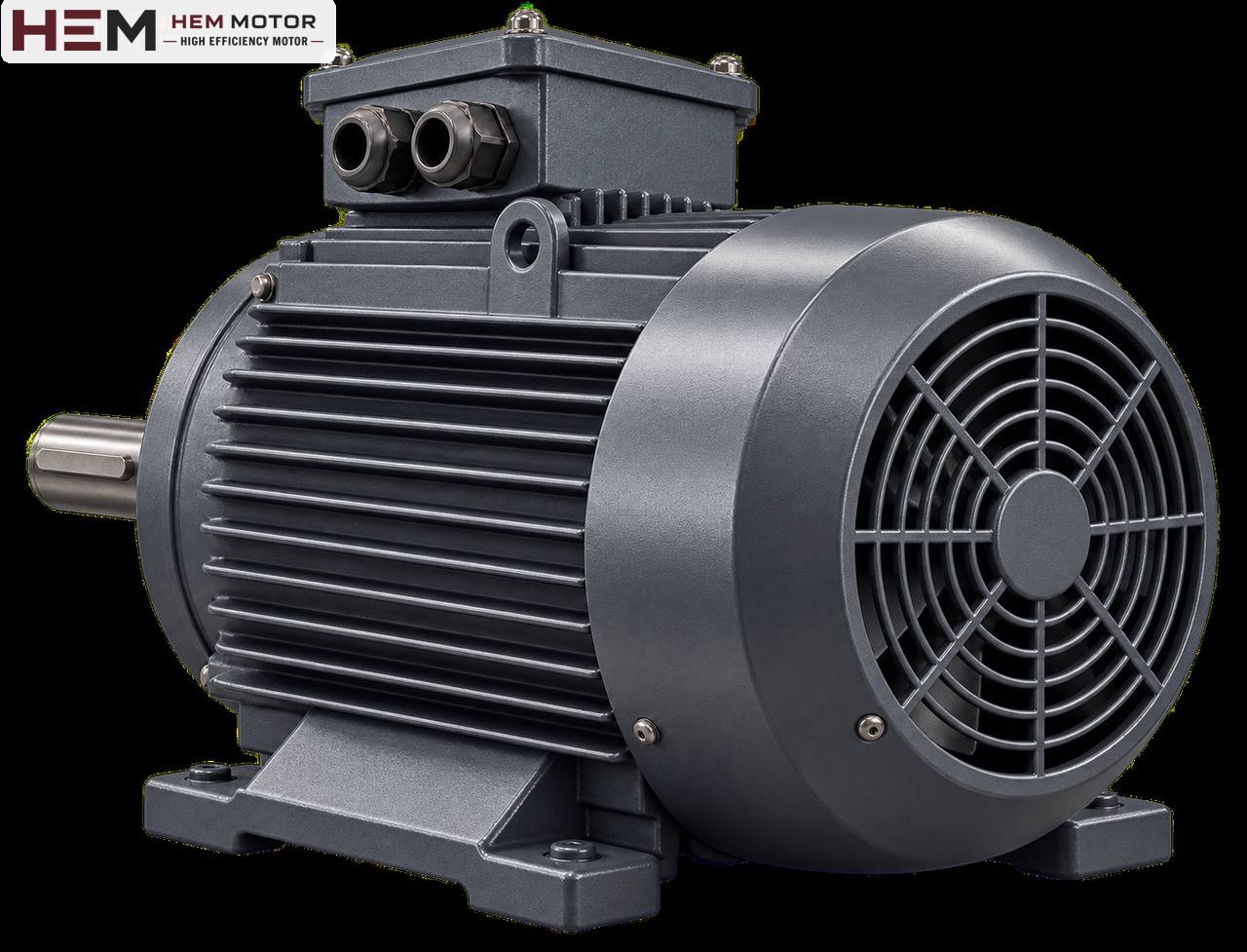
In a purifier (semolina cleaning machine), motor selection depends on how the machine shakes its sieve box. If the sieve box is driven by an eccentric shaft and a belt, a standard three-phase induction motor is used and the power, speed and mounting of the old motor are kept. If the box is shaken by two vibration motors bolted directly to its body, these are special motors and are not replaced with a standard motor. The machine's second motor load is the aspiration fan that draws in the air; that is a separate selection matter.
What does a purifier do and where does the motor work?
A purifier is the machine that separates semolina from bran particles coming from the roller and break passages. An inclined or horizontal sieve box vibrates back and forth; while the semolina moves along the sieve, air is passed through from below. Light bran particles are lifted by the air flow, clean semolina passes through the sieve and coarse particles are separated at the end of the sieve. Two movements do this job together: sieve vibration and aspiration air.
For this reason a purifier usually has two motor loads:
- Sieve drive: The motor or motors that drive the mechanism vibrating the box.
- Aspiration: The machine's own fan or the fan on the plant's central aspiration line. In many mills several purifiers are connected to a single central fan; in this case there is no fan motor on the machine.
First determine the drive type
The first question to ask before replacing the motor is how the sieve is shaken. On site this distinction is easily made by looking at the machine.
| Drive type | How to recognise it | Motor |
|---|---|---|
| Eccentric / crank drive | The motor sits on a fixed base; it turns an eccentric shaft via a belt, and the shaft pushes the box via connecting rods | Standard three-phase induction motor; power, speed and mounting are kept the same as the old motor |
| Vibration motor drive | Two motors bolted to both sides of the box, with unbalanced weight covers on the shaft ends; there is no belt | Vibration motor (special motor); not replaced with a standard motor |
A vibration motor is a separate type of motor that produces vibrating force with unbalanced weights fitted to the shaft ends and is built with bearings and a frame reinforced to withstand this force. The two motors rotate in opposite directions and, synchronised together, produce a straight linear vibration. The bearings of a standard induction motor are not designed for this load. This task requires a special motor; it may fall outside the scope of the standard series in HEM Motor's 2026 catalogue. You can ask us with the nameplate details.
Motor replacement on an eccentric-drive purifier
On these machines the motor turns the eccentric shaft via a belt and pulley. The vibration frequency comes from the motor speed and the pulley ratio and directly affects product flow on the sieve. The following sequence is therefore followed when replacing:
- Number of poles: If the old motor is 4-pole (1,500 rpm synchronous), the new one must also be 4-pole. A different number of poles changes the vibration frequency with the same pulley.
- Power: The old motor's nameplate power is the basis. Since the sieve box is light, these motors are low-power; a larger motor does not increase vibration.
- Belt load: The pulley is fitted directly on the shaft end, and belt tension puts a side load on the motor bearings. Fitting the pulley close to the shaft shoulder and not over-tensioning the belt protects bearing life.
- Mounting: The motor is mostly fixed to a slide rail in foot-mounted (B3) form; the rail adjusts belt tension. Mounting arrangements are offered according to the frame, and the flange size is confirmed with the order.
The machine's vibration can also pass into the motor frame. If the base the motor is fixed to is loose, the foot bolts and terminal connections loosen over time; check the base as well during the replacement.
Aspiration fan motor
If the machine has its own fan, this motor carries a different load from the sieve drive motor: fan torque increases with the square of the speed and the fan runs continuously at full speed. When replacing the fan motor, the impeller diameter, speed and duct losses are decisive. Raising the speed increases the air flow, but increases the required power much faster and overloads the motor. Selecting a motor of the same power as the old motor at the same speed is the safest route.
If there is too much aspiration air, good semolina is drawn off together with the bran; if there is too little, bran mixes into the semolina. The air is usually adjusted with a damper, not by playing with the fan motor speed. If an inverter is to be used for speed control, HEM Motor's three-phase series are suitable for frequency inverters; if the inverter-motor cable is long, a dv/dt or sine filter is considered and these conditions are stated with the order. Details are given in the question on inverter operation.