English
 Français
 Türkçe
 Español
 Русский

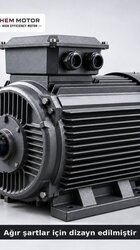
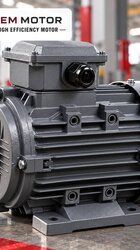
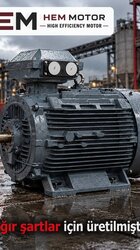
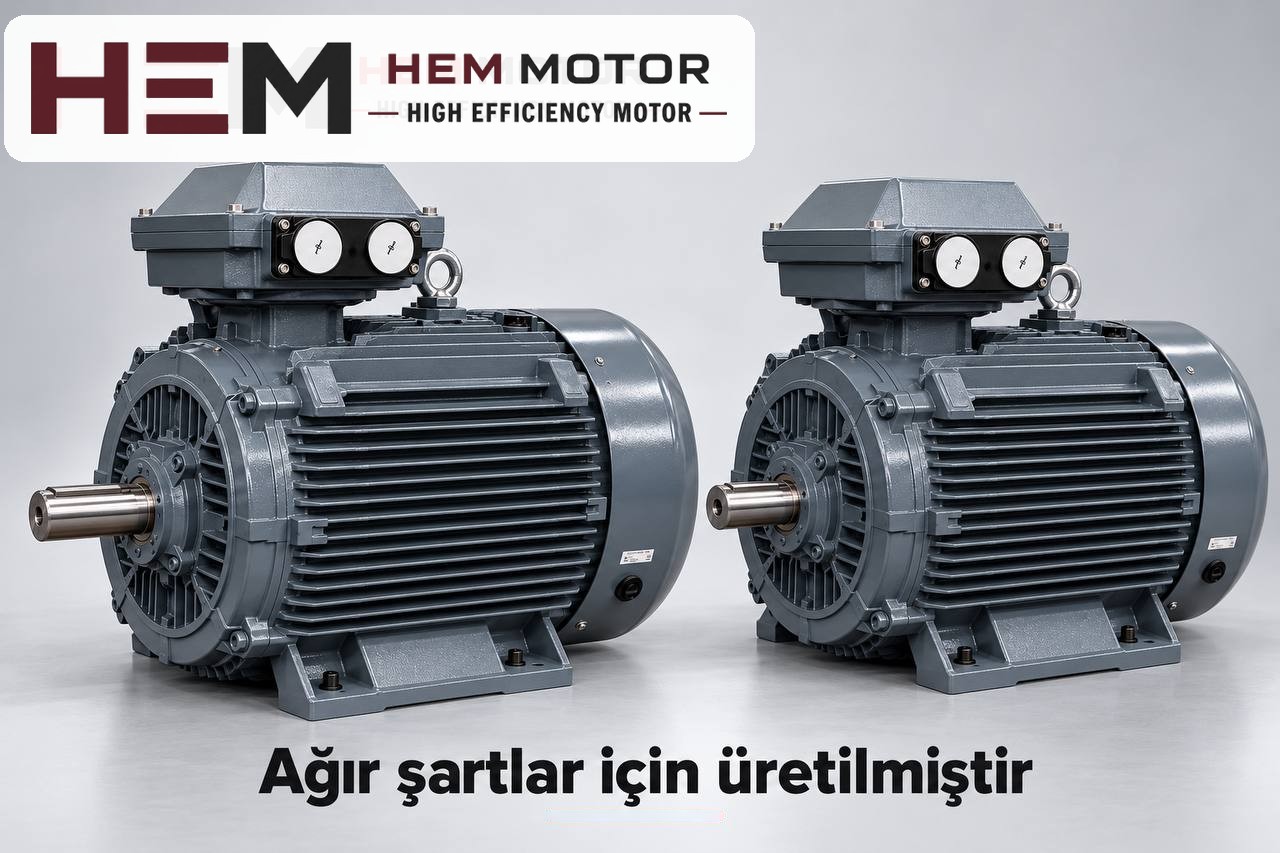

In a vertical shaft impact crusher (VSI), the rotor is driven by belt either by a single motor or by two motors placed on either side of the crusher. In a single-motor arrangement, selection focuses on rotor speed, pulley ratio and starting time. In a twin-motor arrangement, the two motors must also share the load equally; this requires the two motors to be the same model, to run with the same belt tension and to start and stop together.

What turns the rotor in a vertical shaft crusher?
In a vertical shaft crusher, material is fed from above into a rotor spinning at high speed and is thrown by centrifugal force against the walls of the crushing chamber or onto its own bed of material. Crushing happens through this impact speed. That is why rotor tip speed is the main variable determining product shape and size.
The rotor sits on a vertical main shaft that runs in its own bearing housing. The motors are placed horizontally next to the crusher body and turn the pulley under the main shaft with V-belts. Rotor speed comes from motor speed and the pulley ratio: rotor speed = motor speed × motor pulley diameter ÷ main shaft pulley diameter. Rotor speed is specified by the manufacturer according to the material and product type; it can be adjusted within a certain range by changing pulleys.
Single motor or twin motors?
The crusher manufacturer decides which arrangement is used; this arrangement is kept when choosing a spare motor. Still, knowing the difference between the two makes it easier to understand why the motors are treated differently.
| Topic | Single-motor drive | Twin-motor drive |
|---|---|---|
| Layout | Motor on one side of the crusher | Motors on two opposite sides of the crusher |
| Load on the main shaft bearing | Belt pull comes from one direction | Opposing belt pulls largely balance out |
| Motor frame | Total power in one frame, larger frame | Power split over two frames, smaller frames |
| Control | Single starter and protection | Both motors start and stop together, mutual interlocking |
| Spare motor | Single model | Two motors of the same model; matching matters if one fails |
The biggest advantage of the twin-motor arrangement is that the belt load on the main shaft bearing is balanced from both sides. That is why this arrangement is common on high-capacity vertical shaft crushers.
How is load sharing achieved with twin motors?
When two induction motors drive the same shaft by belt, how much load each motor takes depends on its own slip curve. Shaft speed is common; even a small difference between the motors' rated speeds makes one motor take more load than the other. The motor with the higher rated speed delivers more torque at the same speed and heats up more.
That is why the following rules apply in a twin-motor drive:
- Same model: Both motors must have the same power, the same number of poles and the same model code. Pairing a motor from a different manufacturer or a different series can upset load distribution even if the nameplate power is the same.
- Same pulley diameter: The two motor pulleys must have the same diameter. A small difference in pulley diameter adds to the difference in slip.
- Equal belt tension: The side with slack belts slips and leaves its load to the other motor. Belt sets are replaced together and tension is set the same way on both sides.
- Monitoring by current: During commissioning and periodic maintenance, the current of both motors under load is measured and compared. A marked difference points to a belt or pulley problem.
When one motor fails
If one motor on a twin-motor crusher fails, the new motor must match the old one. If the new motor's rated speed differs from that of the remaining motor, load sharing may be upset. For this reason some operators replace both motors together or keep two spares of the same model. Which route to take is decided by assessing the motors' age, winding condition and nameplate values together.
Starting and control
The rotor of a vertical shaft crusher is heavy and runs at high speed; even an empty start takes time to overcome its inertia. The starting time is longer than for a fan of the same power, and current stays high during this time. Thermal protection must be chosen for this long start; otherwise the protection may trip during starting.
In a twin-motor arrangement the control has additional tasks:
- Both motors must start at the same time. If one motor starts first, it tries to accelerate the rotor on its own and is overloaded.
- When one motor's protection trips, the other motor must also be stopped. Continuing to run a loaded crusher on one motor overloads the remaining motor.
- Each motor must have its own thermal protection; connecting both motors behind a single protection device can hide an overload on one of them.
Star-delta, a soft starter or a frequency inverter can be used as the starting method. For star-delta on a 400 V supply, the motor nameplate must read 400/690 V (Δ/Y). For drive operation, our three-phase series are suitable for speed control with a frequency inverter; for long periods at low speed with full torque an external fan may be needed, and if the cable between drive and motor is long a dv/dt or sine filter is considered; these conditions are stated with the order. If both motors are fed from one drive, separate thermal protection for each motor is still required.