English
 Français
 Türkçe
 Español
 Русский

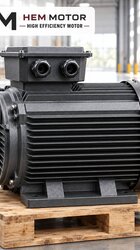
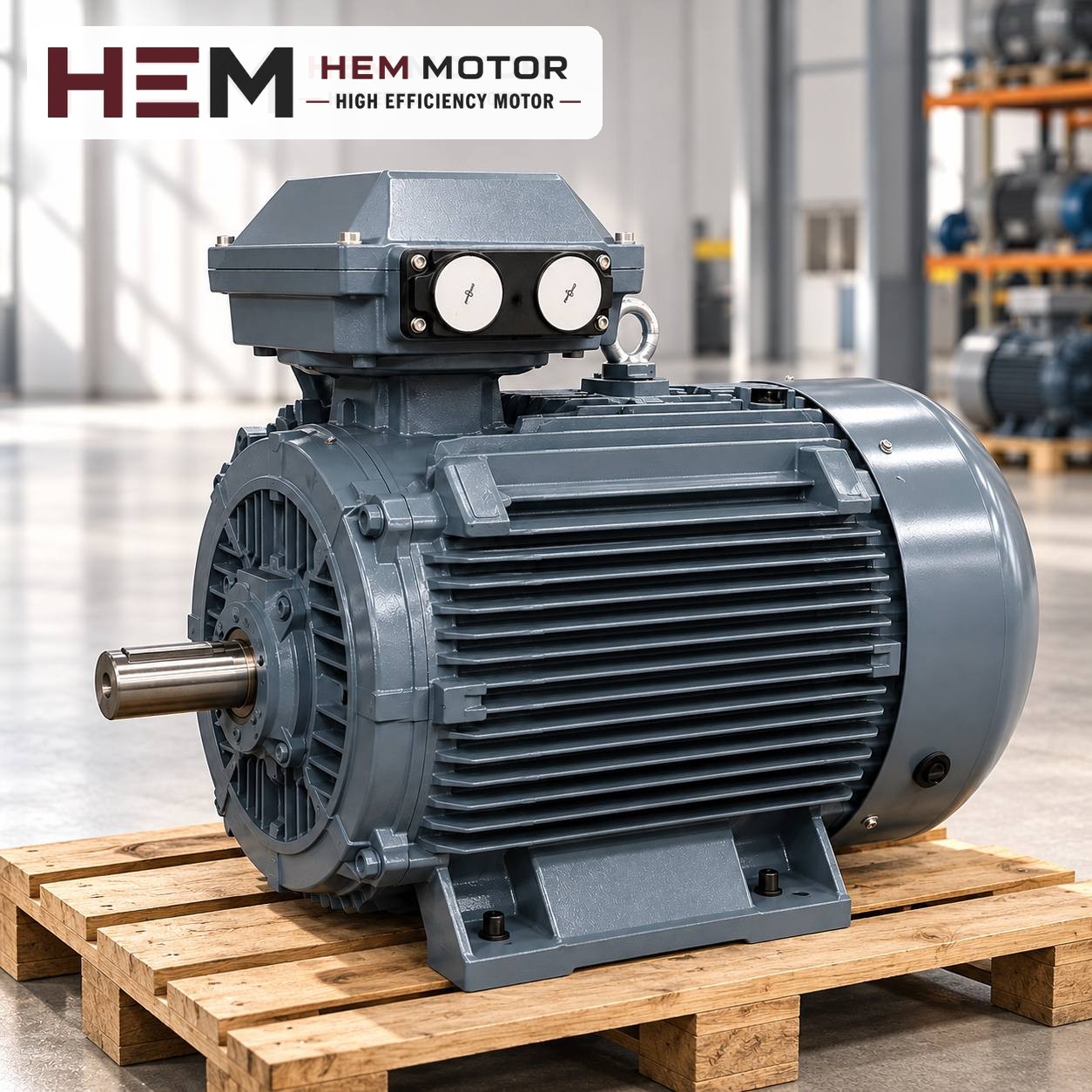

Replacing the motor of a planetary mixer depends less on the motor's power than on reading the gearbox and the mixer's duty cycle correctly. In a planetary mixer the motor drives a gearbox that moves the mixing tool both around its own axis and around the bowl; the speed setting, load type and run-rest times determine how this gearbox and the motor will wear. The right motor is one that fits the existing gearbox mechanically, delivers the same speed and can withstand the mixer's short but heavy working cycles.
How does the drive train of a planetary mixer work?
In a planetary mixer the mixing tool (whisk, flat beater or dough hook) performs two movements at once: it spins quickly around its own axis and travels in a slower orbit around the bowl. This "planetary" movement is produced by a planet gear arrangement rotating around a fixed internal gear.
The motor can drive this arrangement in three different ways:
- Stepped gearbox: the motor runs at a fixed speed; the operator turns a lever to select one of two or three speed steps. Common on small and medium bakery mixers.
- Belt and variator: the motor drives a variable-diameter pulley through a belt; speed is adjusted steplessly. Frequently seen on older machines.
- Frequency inverter: motor speed is changed by the drive and the gearbox has a single step. This has become common on newer machines.
Before replacing the motor you need to know which arrangement your machine uses, because the load the motor sees and the critical check point are different in each.
What to check on the gearbox side
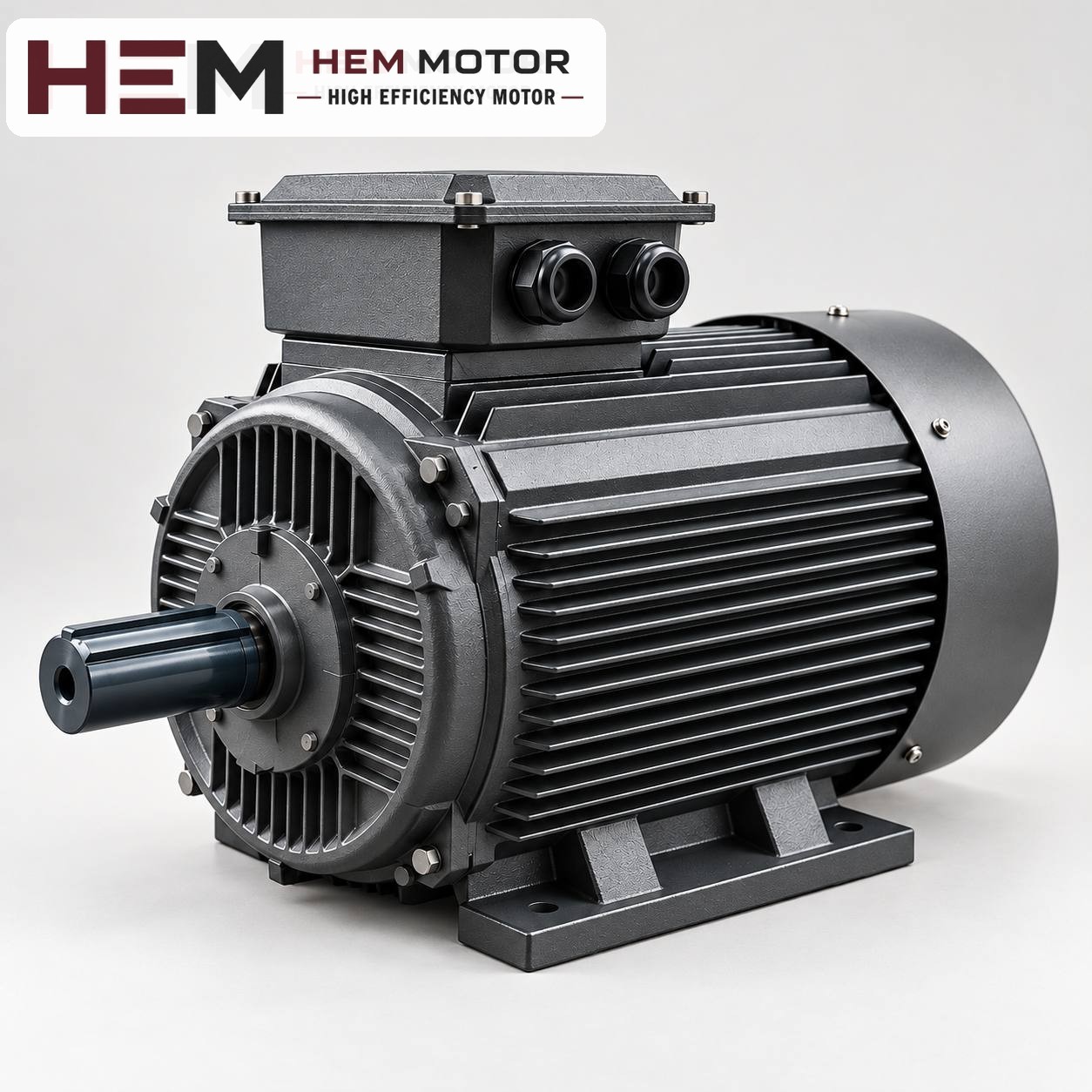
On planetary mixers the motor is usually flange-mounted on top of the gearbox, often in a vertical, shaft-down position. In a replacement, the following points should be read or measured from the existing motor.
Flange and shaft
The motor flange type (B5 flange with through holes or B14 small face flange with tapped holes), flange diameter, shaft diameter and key length must match the gearbox input exactly. Mounting arrangements are offered according to the frame and the flange size is confirmed with the order; compare the dimensions with the technical drawings.
Vertical operation
If the motor works shaft down, the vertical mounting arrangement (V1/V3/V5/V6/V15 options are offered according to the frame) must be stated in the order. In this position the seal condition is also checked so that gearbox oil does not leak towards the motor shaft; if oil reaches the motor bearing, it shortens motor life.
Speed
The gearbox ratios were calculated for the speed of the existing motor. If the same box is driven by a 2-pole motor instead of a 4-pole motor, the tool speed doubles in every step; the mix splashes and the dough hook is overloaded. The pole count must be kept in a replacement.
On some planetary mixers the speed steps are obtained inside the motor with a two-speed winding; the nameplate shows two powers and two speeds. Such two-speed motors require a special motor; they may fall outside the scope of the standard series in HEM Motor's 2026 catalogue, so ask us with the nameplate and application details.
Duty cycle: short but heavy cycles
A planetary mixer is not a continuously running machine. In a typical cycle ingredients are added, the machine mixes at low speed for a few minutes, then whips at high speed, stops, the bowl is changed and it starts again. This pattern has two consequences for the motor.
- Number of starts: many starts are made in a shift. At every start the motor draws several times its rated current and the winding heats up. If the number of starts per hour is high, this must be stated in the order.
- Starting under load: if the machine is started with stiff dough or cold butter in the bowl, the tool meets high resistance before the motor has picked up speed. Starting in the low speed step and then accelerating protects both the motor and the gears.
A shorthand for describing the duty is the ratio of the motor's running time to its rest time. For example, a hypothetical mixer that runs for 6 minutes and stops for 4 minutes has a 60% duty ratio. The higher this ratio and the more frequent the starts, the less margin the motor has for heating. If you tell us the running time, rest time and number of starts, we can assess together whether a motor of the existing power suits this duty.
Speed step and torque relationship
With a stepped gearbox the motor turns at the same speed in every step; what changes is the tool speed and the torque transmitted to the shaft. The low step gives high torque and is used for stiff dough; the high step gives little torque and is for light mixes such as cream and egg whites.
A common mistake is mixing stiff dough in a high step. The resistance the tool meets is then reflected to the motor through a lower gear reduction; motor current rises and the thermal relay trips. Following the step-capacity table in the operating instructions, rather than enlarging the motor, usually solves the problem.
| Situation seen on site | Possible cause | First action |
|---|---|---|
| Motor struggles when the dough hook is fitted | Bowl overfilled or step too high | Check the capacity table and the speed step |
| Motor frame very hot at the end of the day | High number of starts, short rest | Measure the duty cycle and state it in the order |
| Oil coming from the motor flange | Gearbox input seal worn | Renew the seal and clean before refitting the motor |
| Noise and knocking when changing steps | Step changed while the motor is running | Change the step with the machine stopped |
On machines with a variator or inverter, the motor's own fan also slows down as speed falls. According to the general statement on our website, our three-phase series are suitable for speed control with a frequency inverter; for long periods of full-torque operation at low speed an external fan may be needed, and if the cable between drive and motor is long a dv/dt or sine filter is considered. If the power and speed of the existing motor are known, review suitable HEM Motor models and current prices.