English
 Français
 Türkçe
 Español
 Русский

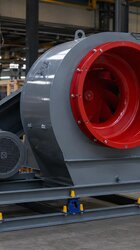
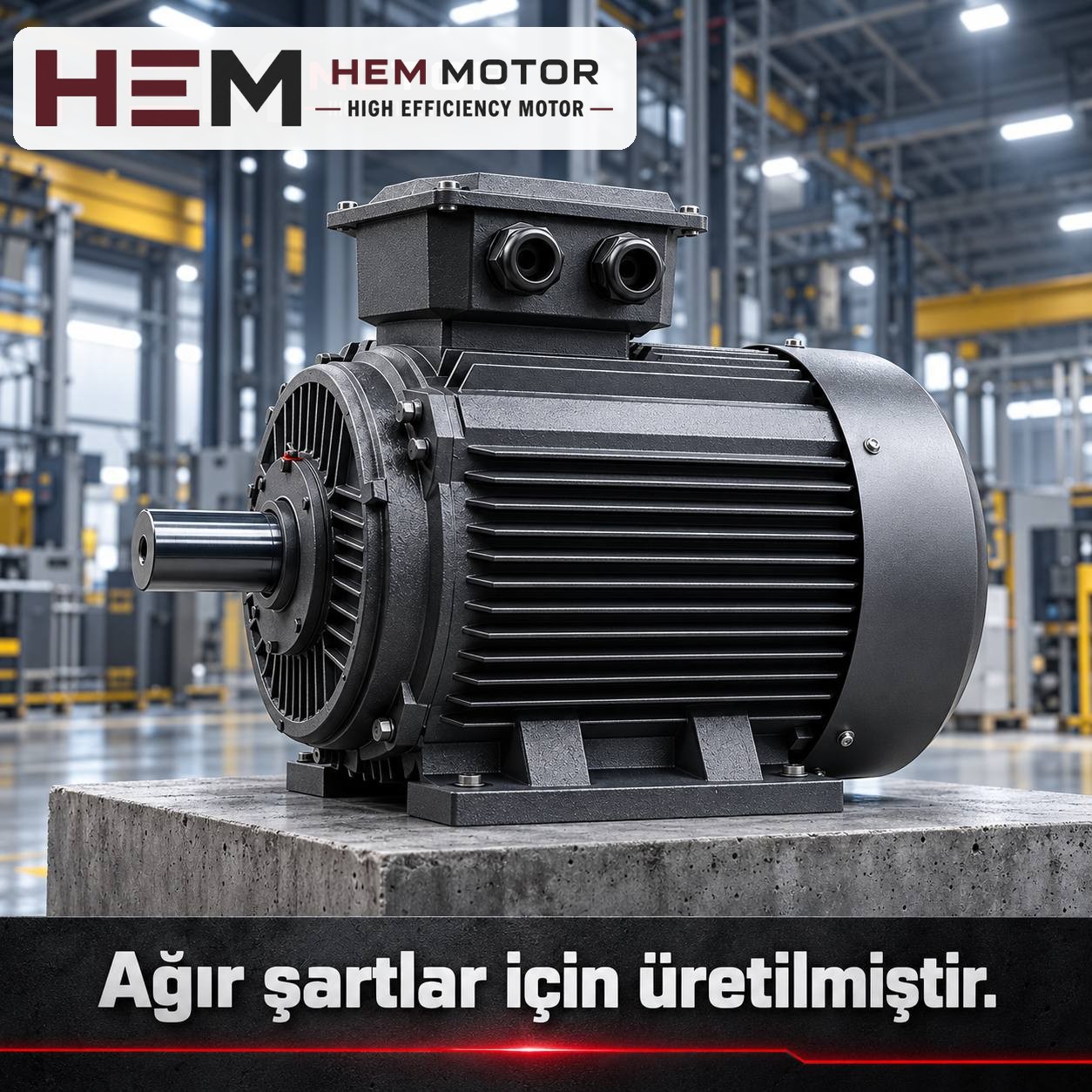

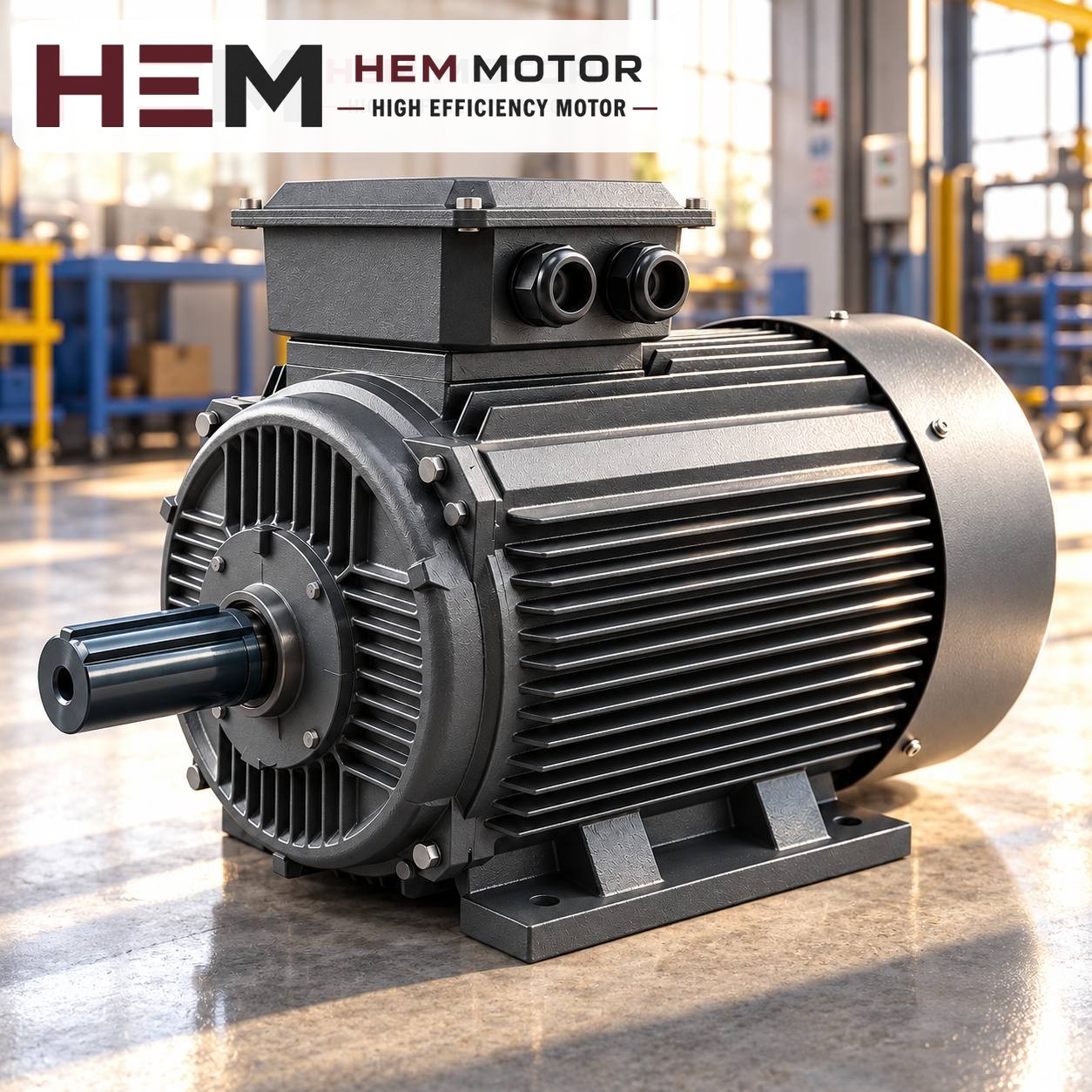
A screw (auger) conveyor pushes bulk material with a spiral flight turning inside a tube or trough. In continuous operation its load is fairly steady; the difficult moment is when the screw restarts after stopping full. Material that is packed inside the tube, has absorbed moisture and formed lumps, or has settled and compacted resists the flight as it begins to turn. So when choosing a screw conveyor motor, before the continuous running power you need to understand the torque demanded from the motor at the moment of starting and how that torque is transmitted through the reducer. This article covers the factors that determine starting load, the effect of starting methods on it and the information to gather before ordering.
What determines the starting load of a screw conveyor?
Turning an empty screw is easy; the difficulty comes from the behaviour of the material. The main factors that increase starting load are:
- Fill level: The fuller the screw tube when it stopped, the greater the mass of material in front of the flight. If the inlet was left open and the tube has filled completely, the starting load rises noticeably.
- Type of material: Fine powders such as cement, lime and flour pack down as they stand; damp sand or clay forms lumps; grain and pellets flow relatively freely. The same screw demands very different starting torque with different materials.
- Incline: Compared with a horizontal screw, on an inclined or vertical screw more of the material's weight bears on the flight; starting and running load increase together.
- Standing time: In a screw that has stood full overnight or over a weekend, the material settles. The first start in the morning is heavier than the starts during the day.
- Bearing and hanger condition: On long screws, if the intermediate hanger bearings are worn or packed with material, the friction load is passed on to the motor.
These factors cannot be read from the name of the machine. Two machines both called a "cement screw" can behave completely differently at start-up, with different lengths, diameters and inclines. The power decision should be based on the screw manufacturer's calculation or the existing motor's nameplate.
The difference between starting torque and rated torque
The rated torque on the motor nameplate is the torque the motor can deliver continuously at rated speed. At the moment of starting an asynchronous motor can produce more torque than this; the ratio depends on the motor design and is stated in the catalogue. What matters on a screw conveyor is that the torque demanded at start-up stays below the motor's starting torque and that the motor reaches rated speed quickly enough. If the motor stays at low speed under load for a long time, it draws high current and the winding heats up rapidly.
The reducer does not change this relationship; it only scales it: the torque reaching the screw shaft is multiplied by the reducer ratio. In other words, the reducer is a large torque multiplier, but it cannot deliver more than what the motor can give at start-up. You can compare motors' rated torques by kW and speed in the torque table.
The effect of the number of poles
At the same power, a 6-pole motor delivers about one and a half times the rated torque of a 4-pole motor, because it produces the same power at a lower speed. However, since the screw's rotational speed is determined together with the reducer ratio, if the number of poles changes the reducer ratio must change too. When replacing the motor on an existing screw, keeping the number of poles is the safest course.
How does the starting method affect starting?
The second major factor that determines whether a screw conveyor motor will start without trouble is the starting method.
| Method | Starting current | Starting torque | Point to watch on a screw |
|---|---|---|---|
| Direct-on-line | High | The motor's full starting torque | The strongest method for a loaded start; the supply and reducer see a sudden shock. |
| Star-delta | Low | About one third | With packed material the motor may fail to turn in star; a current surge occurs at the changeover to delta. |
| Soft starter | Adjustable | Falls with voltage | For heavy starts the setting must be made carefully; otherwise the motor stalls under load. |
| Frequency inverter | Limited | High torque can be delivered at low speed | The most suitable method for heavy starts; cooling is assessed for long running at low speed. |
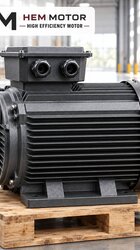
We summarised whether an external fan and a filter are needed with a frequency inverter in the question on use with an inverter; these conditions must be stated with the order. If the existing panel is star-delta, the new motor's nameplate voltage must be suitable for it: at HEM Motor, models from 4 kW upwards are rated 400/690 V (Δ/Y) and run in delta on a 400 V supply.