English
 Français
 Türkçe
 Español
 Русский

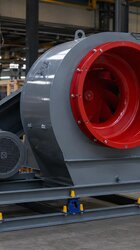
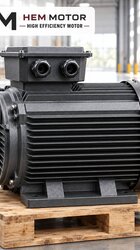
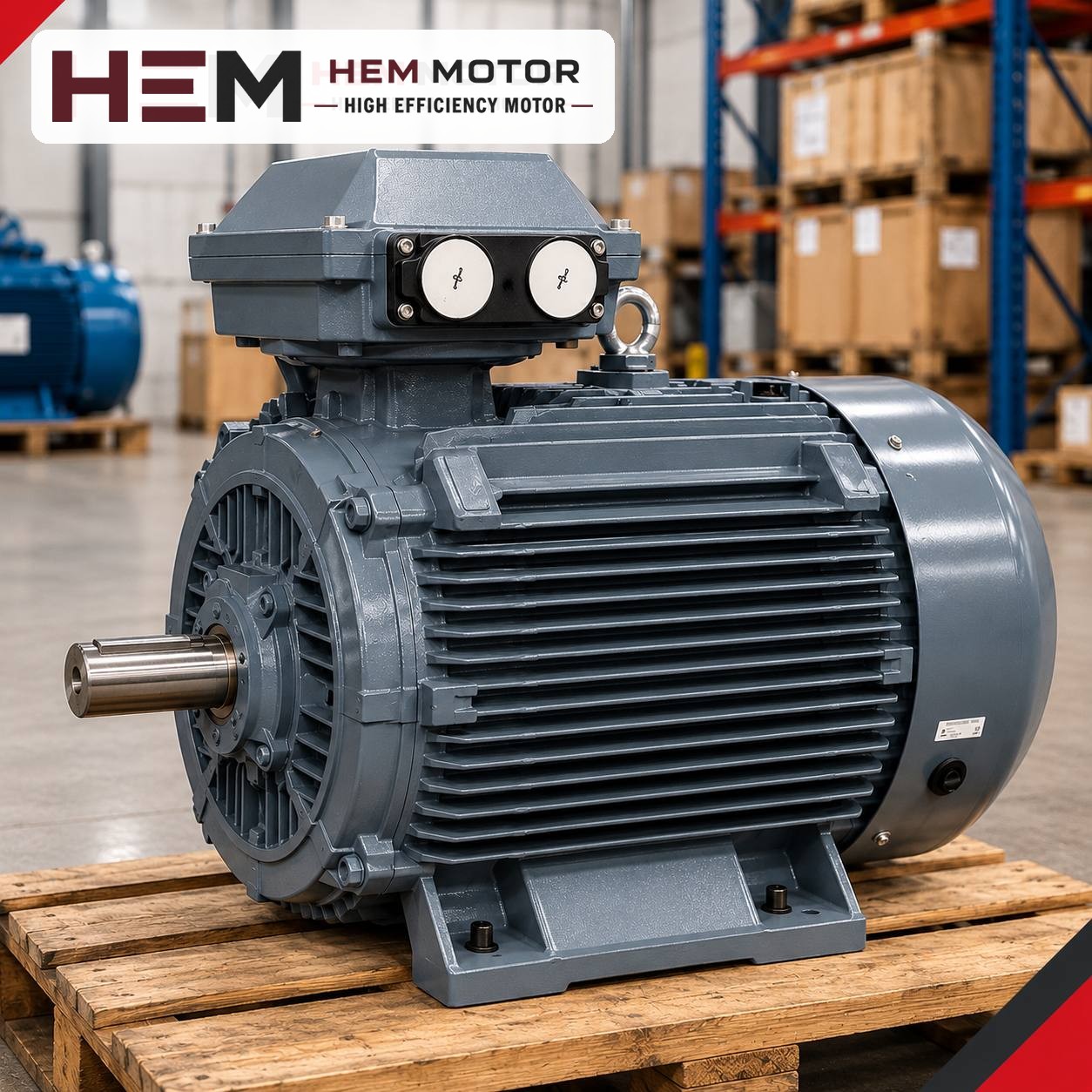

In a plastic shredder the rotor turns only a few dozen revolutions per minute, but it needs very high torque to tear the material. This torque is not produced by the motor alone but by the motor and gearbox together: the speed of a standard 4-pole three-phase motor is reduced by the gearbox, and torque increases in the same proportion. That is why the main decision in a shredder drive is the gearbox ratio and the gearbox's resistance to shock loads; motor power is one link in this chain.
How does the difference between a shredder and a granulator change motor selection?
Two types of machine are often confused in plastic recycling. A granulator cuts material with a high-speed bladed rotor down to a size that passes through a screen; the motor is usually connected to the rotor via belt and pulley, and the rotor's inertia is part of the job. A shredder, by contrast, tears large pieces, drums, profiles and film bales with slow-turning hooked or toothed blades. Their motor requirements differ:
| Feature | Shredder | Granulator |
|---|---|---|
| Rotor speed | Low (via gearbox) | High (via belt or direct) |
| Drive train | Motor + gearbox (+ coupling or belt) | Motor + belt and pulley |
| Decisive quantity | Gearbox output torque | Rotor inertia and starting |
| Behaviour when jammed | Rotor stops, frequently reversed | Belt slips or thermal relay trips |
This article focuses on the shredder drive: high torque at low speed, gearbox compatibility and reversing.
How is torque multiplied in the gearbox?
A gearbox reduces speed by its ratio and increases torque by roughly the same ratio; the difference is gearbox efficiency. The simple relationship is: output torque ≈ motor torque × gearbox ratio × efficiency. Output speed is found by dividing the motor's rated speed by the ratio.
A hypothetical calculation example: a 22 kW, 4-pole motor has a rated torque of 142.9 Nm and a rated speed of 1,470 rpm. If this motor is used with a 20:1 gearbox with an assumed efficiency of about 0.95, the rotor turns at about 73 rpm and a rated torque of about 2,700 Nm is obtained at the gearbox output. A smaller motor could deliver the same rotor torque with a 40:1 gearbox, but the rotor speed would be halved. Rotor speed is the machine's design value; changing the ratio changes capacity and cutting behaviour.
Starting and breakdown torque
The starting and breakdown torque of an induction motor are above rated torque, and these values are given in the motor catalogue. When a hard piece loads the rotor of a shredder, the motor briefly delivers torque above rated; this peak is passed on unchanged to the gearbox and shafts. For this reason, not only the gearbox's rated torque but also its resistance to peak and shock torque is checked. For model-specific torque values see the torque table.
Gearbox selection and coupling: who absorbs the shock?
The load in a shredder is not smooth; every blade impact creates a torque wave. The gearbox that carries this load is selected using the application (service) factor its manufacturer specifies for shock loads. This gearbox factor is a different concept from the service factor on the motor nameplate and is read from the gearbox catalogue.
- Gearbox type: For high torque and shock, planetary or bevel-helical gearboxes are generally used. Worm gearboxes may be limited in this application in terms of efficiency and shock resistance.
- Fluid (hydraulic) coupling: When fitted between the motor and gearbox, it softens starting, lets the motor run up without load and damps part of the shock during a sudden jam.
- Torque limiter: Protects the drive train against an unbreakable object such as a metal part. Belt and pulley transmission also provides a limited slip margin, but continuous belt slip means heating and wear.
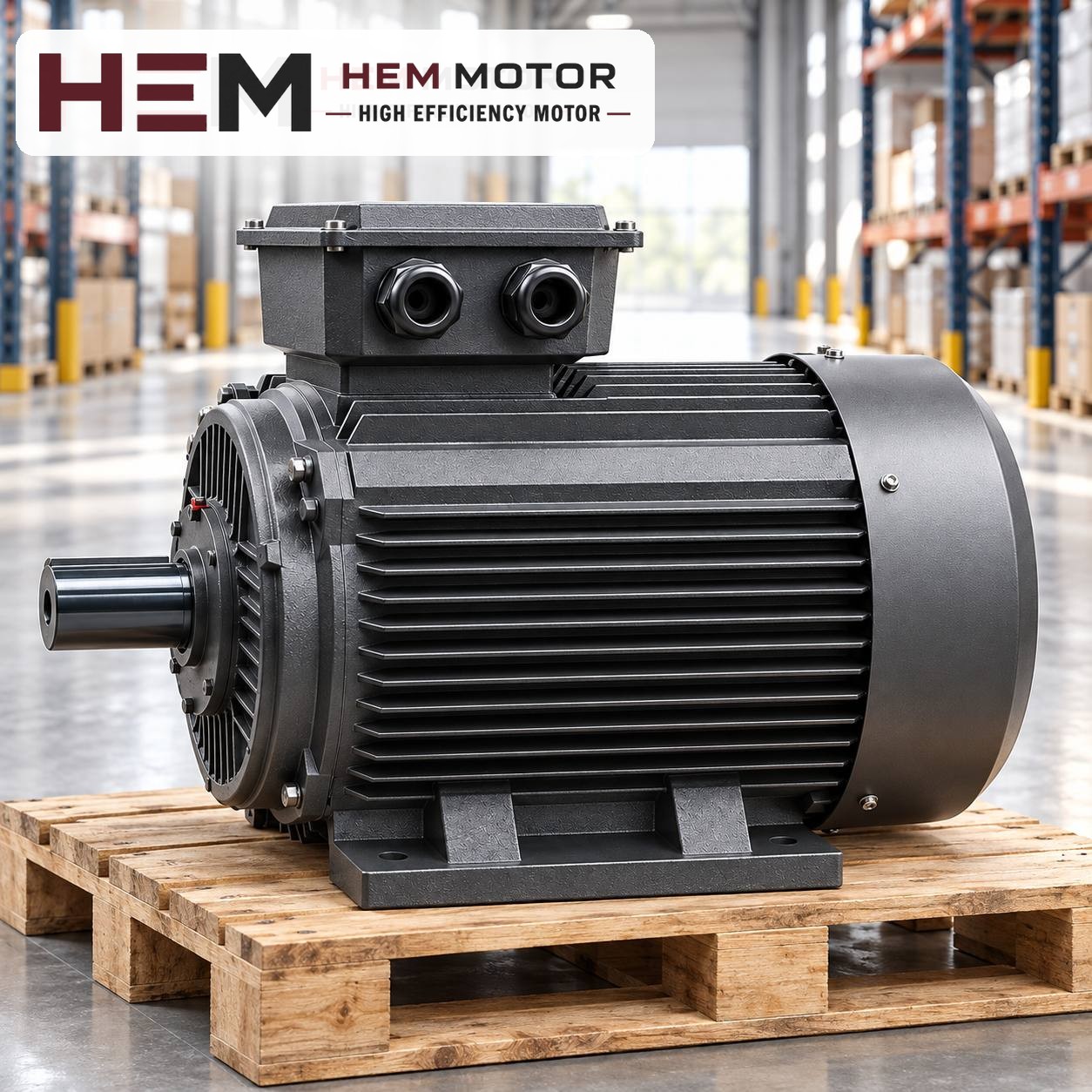
- Motor-gearbox connection: With a direct flange connection, the IEC frame and flange size must match the gearbox input. Mounting arrangements are offered according to the frame; the flange size is confirmed with the order. For geared drive options see the electric motors for gearboxes page.
Reversing and jam management
Shredders usually detect a jam from a rise in current: when motor current exceeds a set value, the control stops the rotor, briefly reverses it and then runs it forward again. This cycle can be repeated many times in a shift, and it is what really strains the motor.
- Reversing should be done after the rotor has fully stopped; abruptly reversing a running motor creates a current and torque surge.
- Frequent reversing accumulates starting heat. A frequency inverter reduces this heat and mechanical shock with ramps. HEM Motor's three-phase series are suitable for speed control with an inverter; for long periods at low speed with full torque an external fan may be required, and if the inverter-motor cable is long a dv/dt or sine filter is considered. These conditions are stated with the order; details are in the question on inverter operation.
- If a twin-shaft shredder has two separate motors, load sharing and synchronous operation are handled on the control side; the motors must have the same power and speed.