English
 Français
 Türkçe
 Español
 Русский

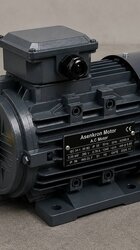



Most companies walk into a dealership meeting with one question in mind: what is the discount? Yet whether a motor dealership makes money depends far more on the things the contract leaves unsaid. Where exactly does the territory end? What happens to stock that doesn't sell? Who removes and ships a motor that fails under warranty? Which price applies to open orders when the list changes? If these points are not settled before signing, the first dispute usually arrives with the first faulty motor.
This guide is written for a business considering an electric motor dealership or distributorship. It covers what to ask the manufacturer, what to get in writing and which risks to price in beforehand. It describes how a balanced relationship is built, not the terms of any particular manufacturer.
Dealer or distributor: why the label matters
The two words are often used interchangeably, but in a contract they carry different obligations. A dealer usually sells to end users such as factories, maintenance workshops and machine builders. A distributor typically supplies sub-dealers and key accounts across a region, holds more stock and takes on part of the local technical support.
The role you accept shapes how much stock you are expected to carry, how pricing is structured and whether other outlets can be opened in your area. So the first question in the meeting should be: "What exactly is my role under this model?"
Run your own numbers first
Before judging the manufacturer's offer, know your side of the equation:
- Customer base: which industries operate in your area? Quarries, flour mills, irrigation, food, textiles all use different power and speed ranges.
- Typical order: do your customers buy one replacement motor at a time or place project-sized orders?
- Capital tied up: the value of the motors you would keep on the shelf and the cost of financing them.
- Technical people: is there someone who can match the right motor from a photo of an old nameplate and visit a site when needed?
Selling motors is mostly a matching job. A customer asking for a 4-pole 15 kW motor may need a B35 flange, a 400/690 V winding or IP56. An outlet that cannot catch those details loses its margin to returns and complaints. We have listed the details worth collecting from customers in our article on what a motor quote request should include.
Questions to put on the table
Territory and exclusivity. Define the territory in concrete terms: province, district, industrial zone or specific industries. If exclusivity is granted, state the conditions under which it can be withdrawn. A common source of friction is the manufacturer selling directly to a large plant in your area; agree in advance how that is handled.
Targets and commitments. If there is an annual purchase target, ask whether it is measured in units or turnover and what happens if it is missed. A target that changes the discount tier is very different from one that ends the dealership.
Stock, orders and returns. Find out which ratings and speeds the manufacturer keeps in its own warehouse and which codes you are expected to hold. Can a wrongly ordered or slow-moving motor be returned or swapped for another code? Our comparison of stock delivery versus production orders explains how lead times differ.
Price list changes. The contract should say how many days' notice is given before a price change and whether confirmed but unshipped orders keep the old price. If there is a currency clause, specify which date's exchange rate applies.