English
 Français
 Türkçe
 Español
 Русский


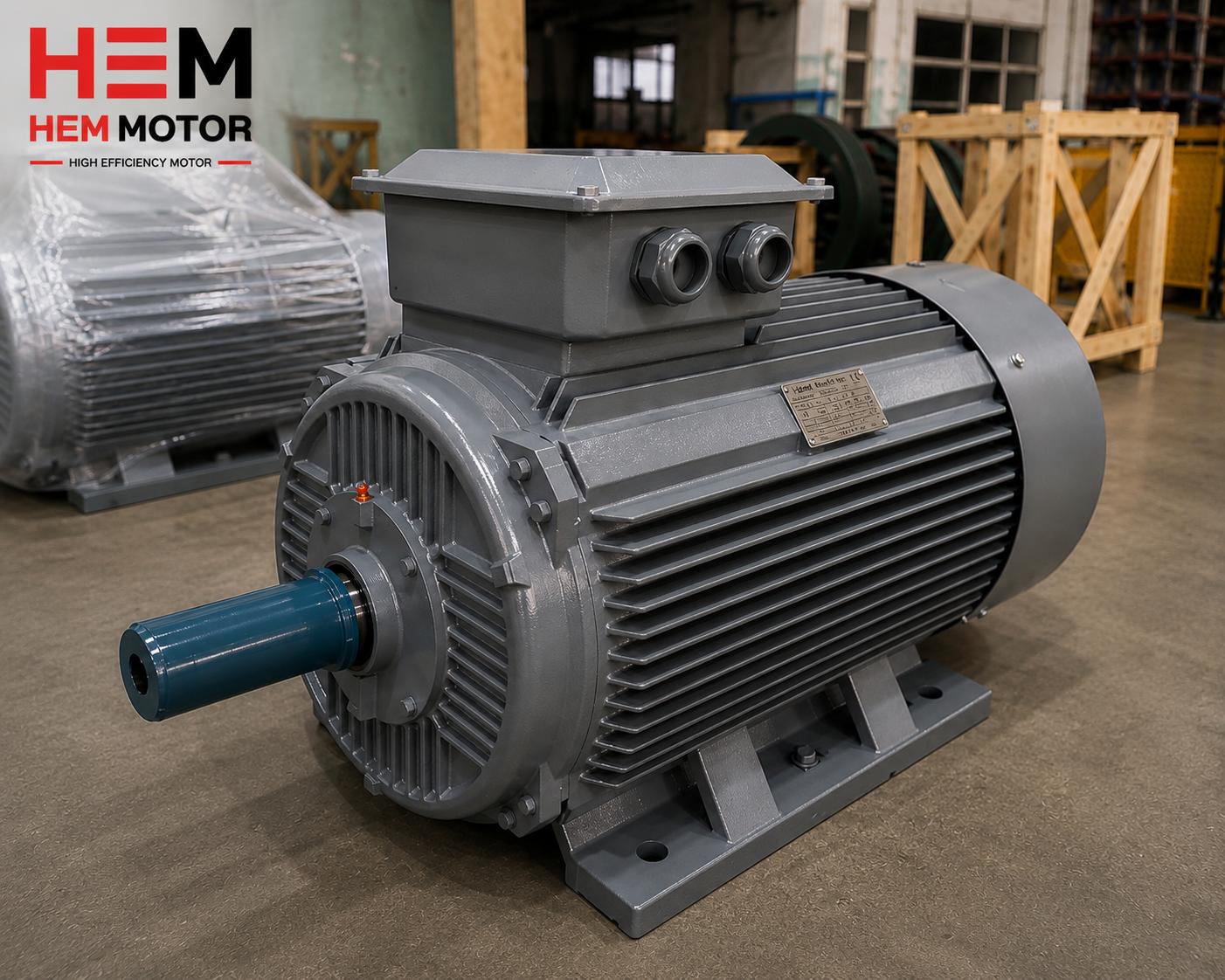

The message that slows an after-sales case down the most is usually a single line: "The motor we bought last month has burnt out, please replace it." The supplier's only possible reply is a list of questions. Which motor, which serial number, on which machine, how was it connected, what did the protection do, where is the motor now? That exchange can take days, while the machine stands idle and the failed motor often sits in a workshop with its terminal box open and its winding already inspected.
After-sales service is something the supplier offers, but it is also a process the buyer manages. This article looks at it from the buyer's side: what to clarify at purchase, what to collect when a motor fails, and which steps in a return (RMA) speed things up or hold them back.
Questions to settle before you buy
After-sales support rarely gets much attention while price and lead time are being negotiated. Yet a few questions asked at that stage tell you most of what you will face on the day of a failure:
- Who is the contact? Where and how is a fault reported: the sales contact, the technical team or a dedicated service address?
- Are warranty terms in writing? When the period starts, what is excluded and what commissioning conditions apply should come in writing with the quote or invoice. For the scope itself, see what an electric motor warranty covers.
- Where is the motor assessed? Is it sent back, or can it be inspected on site? Who pays for transport?
- What happens meanwhile? Whether a replacement is supplied during the assessment and how it is settled afterwards.
- Documents: do test reports, declaration of conformity, wiring diagram and commissioning instructions come with the delivery?
We recommend raising the same points when buying from HEM Motor. Scope can vary with product, quantity and project, so agreeing it in writing at the quotation stage helps both sides.
When a motor fails: before anyone opens it
If a warranty claim or replacement is possible, the first rule is simple: do not open the motor or send it for rewinding before speaking to the supplier. Once the winding has been stripped or the bearing replaced, the evidence is gone. The pattern of a burnt winding, marks on the bearing tracks or soot in the terminal box are what show whether a fault came from manufacture or from service conditions.
While removing the motor, record:
- A photo of the terminal box before disconnection: link positions (star or delta), cable lugs, tightness.
- A clear photo of the nameplate with power, voltage, current, speed and serial number.
- The state of the protection in the panel: did the overload trip or a fuse blow, and at what setting?
- How the motor was mounted: coupling or belts, alignment, vertical or horizontal.
- Insulation and winding resistance readings, if available.
Why these details matter is explained in electric motor failures and root causes.
Putting the fault report together
The first message to the supplier should bundle all of this. A useful report includes the invoice or delivery note number and date, the motor serial number, the machine and application, the commissioning date and approximate running hours, the starting method (direct, star-delta, soft starter or drive, plus cable length when a drive is used), how the fault showed itself, the supply voltage and anything unusual at the time such as outages or storms, and the photos and readings.
With that in hand, the supplier can answer with a next step rather than more questions: send the motor in, we will look on site, or this looks like a connection issue, please check the following.
Your part in the return (RMA) process
RMA stands for return material authorisation: the supplier logs the returned product and assigns it a reference. Details vary, but the buyer's responsibilities are much the same everywhere:
- Get the reference before shipping. An unannounced motor can sit unclaimed in a warehouse. Put the reference on the delivery note and on the outside of the package.
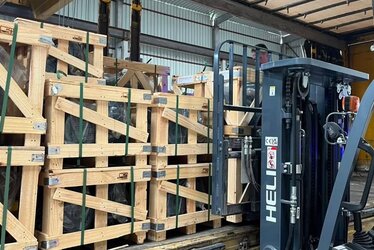
- Pack it properly. A failed motor can still be damaged in transit. Protect the shaft end, fix the motor to a pallet and close the terminal box; transport damage clouds the assessment.
- List what goes with it. If pulleys, coupling halves or flanges are included or removed, note them.
- Ask for a written outcome. The result should state the cause, whether it falls under warranty and what will be done. That report is also useful for preventing the next failure.
A replacement motor deserves the same incoming inspection as the original; incoming acceptance inspection shows how to organise it.