English
 Français
 Türkçe
 Español
 Русский
 العربية
 Deutsch
 Italiano

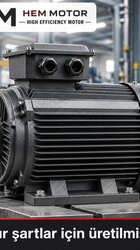
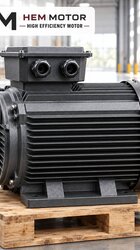
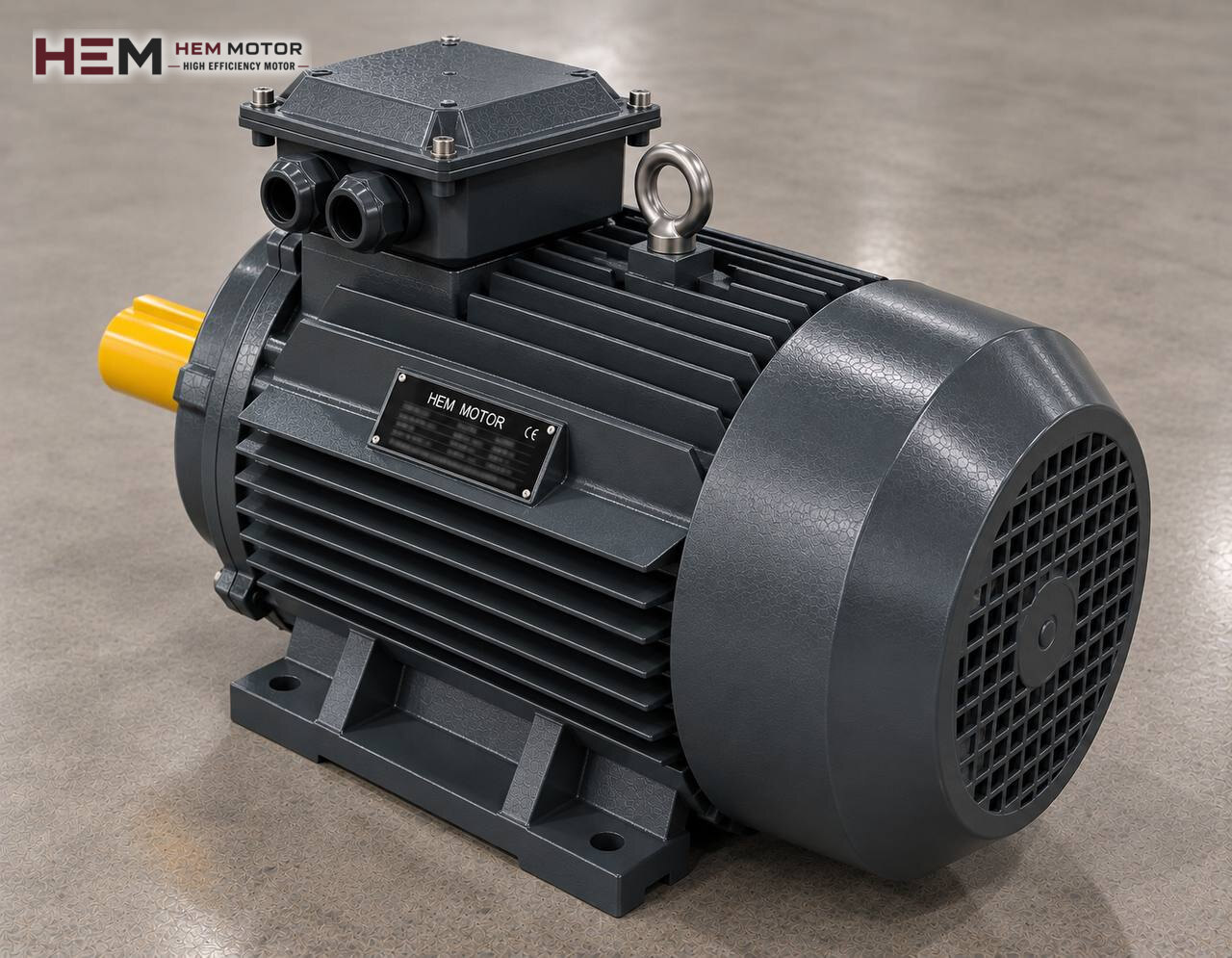

In food production plants, the energy cost of electric motors falls most through three routes: choosing the right efficiency class for the large consumers that run day and night, such as refrigeration compressors, chiller and CIP pumps and condenser fans; adjusting speed instead of throttling a valve or damper on pumps and fans whose flow changes through the day; and making it a habit to stop conveyors and mixers that run empty on the line. Most of the bill usually comes not from the production machines but from the utilities. Below we explain which motor to look at first, how to measure and in what order to plan the investment.
Which motors really consume the electricity in a food factory?
In a dairy, juice, bakery or ready-meal plant, the filling machine, slicer or packing line is what catches the eye; but the motors of these machines are usually small and tied to shifts. The ammonia or freon compressors feeding the cold rooms, the chiller circuit cooling process water, the boiler house feed pumps, the compressed air compressor and the ventilation fans run even at weekends.
Because the electricity bill is the product of motor power and the hours that motor runs, a mid-sized pump turning at weekends easily outstrips a big machine that works only on the day shift.
| Consumer | Typical operating pattern | Load character | First measure to consider |
|---|---|---|---|
| Refrigeration compressor | 24/7, varying with the season | Long periods at part load | Efficiency class, capacity control |
| Chiller and glycol pumps | 24/7 | Variable flow | Speed control instead of valve |
| CIP pump | Cyclic at the end of each shift | Varies with program step | Speed profile per step |
| Condenser and evaporator fans | Continuous | Depends on outdoor temperature | Pressure-controlled speed |
| Conveyors and mixers | Throughout the shift | Frequent idle running | Automatic stop, correct power |
A hypothetical calculation gives an idea: if a 7.5 kW glycol pump draws an average of 6 kW for 8,000 hours a year, its annual consumption is about 48,000 kWh. If a 15 kW packing machine in the same plant runs on one shift at half load for 2,000 hours a year, it stays around 15,000 kWh. This simple multiplication sets the priority.
Measure first: how much does each electric motor draw?
Before starting an energy project, a motor list should be drawn up: rated power, speed, operating hours and the machine it drives. Then the large consumers are logged for a few days with a clamp meter or a portable energy analyser. Comparing the nameplate power with the real value seen in the log shows how heavily the motor is loaded. A motor running far below its nameplate for months produces more losses per kilowatt and draws unnecessary reactive current from the grid.
The measurement should also capture shift changes, cleaning hours and weekends. In food plants, CIP pumps and hot water pumps come on during night cleaning, while refrigeration keeps running at full power even though production has stopped. An investment made without seeing this profile may mean spending money on the wrong motor.
Why does efficiency class matter in compressor and chiller motors?
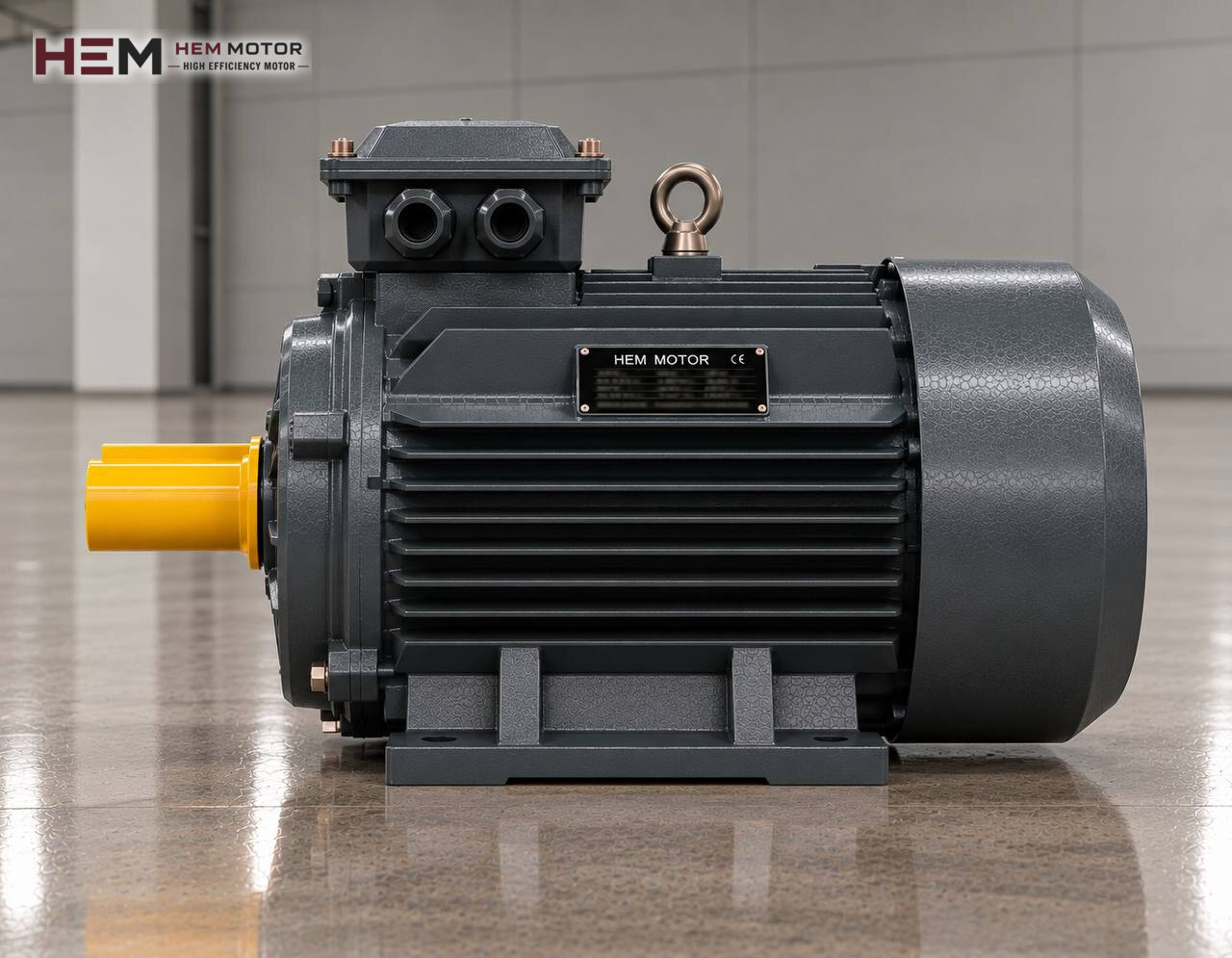
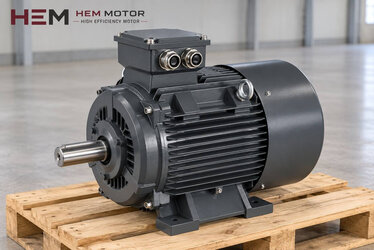
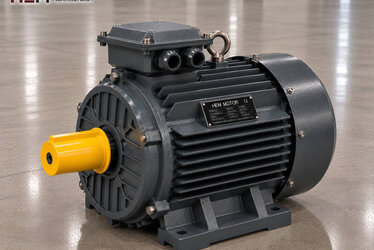
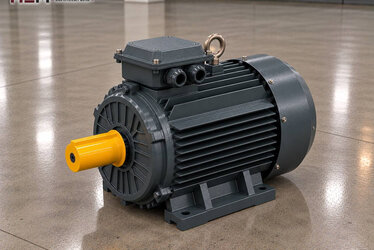
Because cold room and blast freezer compressors are drives that turn for most of the year and are the largest single consumer in the plant. On these drives even an efficiency gain of a few percentage points shows up on the meter once it accumulates over the year. When the motor of an open-type screw or reciprocating compressor burns out or wears, replacing it with an equivalent in a higher efficiency class is the first step. The HEM Motor three-phase range offers IE3, IE4 and IE5 efficiency classes; which class suits which power is clarified in the order.
Replacing the motor is only part of the picture. If compressor capacity is not matched to the load, if the system runs at a lower suction pressure than necessary or if the condenser is dirty, even the most efficient motor wastes energy. Cleaning condenser surfaces, the correct refrigerant charge and timely defrosting matter as much as motor selection. You can filter power and frame options suited to compressor and pump drives in our electric motor store.
Why is speed control better than throttling a valve on pumps and fans?
In the chiller circuit, glycol lines and condenser fans, demand changes with the time of day, the season and the production load. Reducing flow by throttling a valve is like pressing the brake while pressing the accelerator in a car: the motor still draws almost the same power, and the excess is lost inside the valve as turbulence and heat. In centrifugal pumps and fans, flow falls together with rotational speed, while shaft power drops roughly with the cube of the speed reduction (general knowledge; confirm with the pump manufacturer's curves). That is why even a small reduction in speed reads clearly on the meter.
To adjust speed, a frequency converter is placed between the panel and the motor. Our three-phase ranges are suitable for speed control with a converter. If the pump will turn slowly for long hours and still demand full torque, the shaft-mounted cooling fan may not be enough and a separate fan is added; if the converter panel is far from the motor, a dv/dt or sine filter comes onto the table. Writing these conditions in the order ensures the motor is prepared accordingly.
Linking condenser fan speed to condensing pressure stops the fans from running needlessly at full speed on cool nights.