English
 Français
 Türkçe
 Español
 Русский

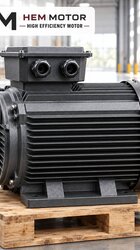
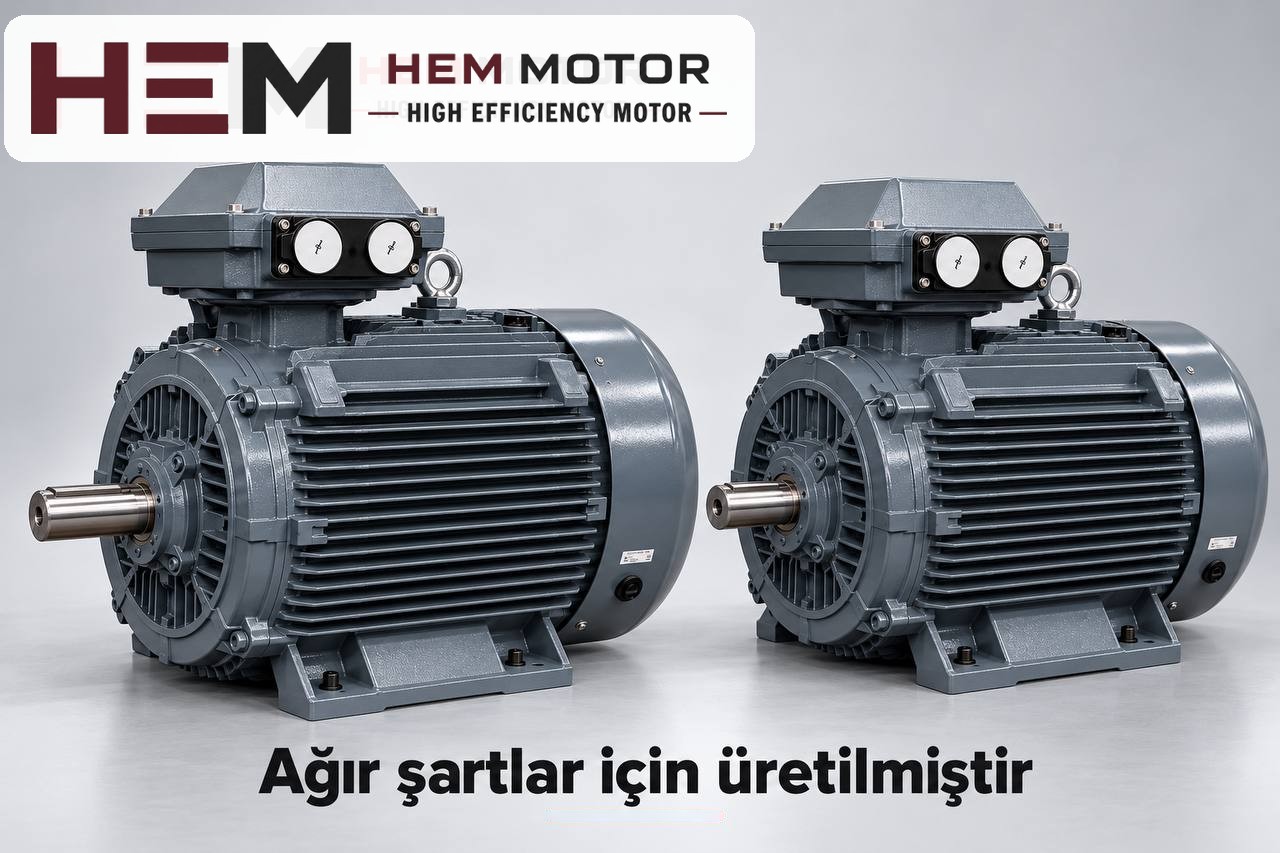

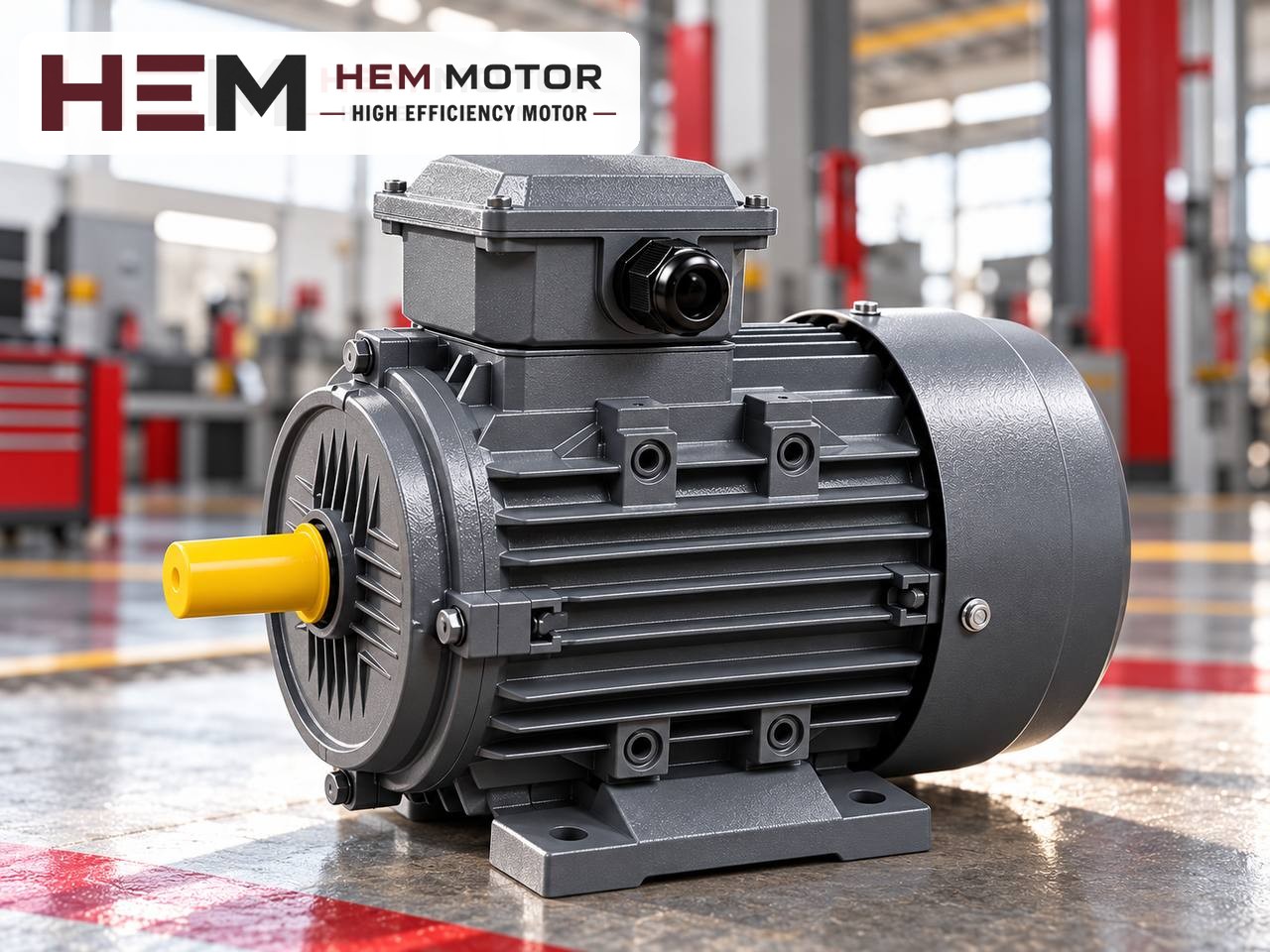
In a barn manure scraper, the motor is part of a drive unit that works very slowly but with very high pulling force. For a correct selection, before the motor power, the output speed and torque of the gearbox, the system's forward-reverse (reversing) operation, starting with frozen manure in winter and the humid, ammonia-laden environment are assessed together. The motor is mostly a 4-pole, low-power three-phase induction motor; the real work is done by the high-ratio gearbox and the overload protection.
How does a manure scraper system work?
In free-stall and tie-stall barns, a scraper blade moves along the manure channel or the concrete walkway. The blade is connected to the drive unit by a pulling element made of chain, steel cable or a cable-chain combination. The drive unit usually stands at one end of the barn, often in a small enclosed compartment: it consists of the motor, the gearbox and a cable drum or chain sprocket.
The scraper pushes the manure into the collection pit at one end of the barn and then returns. This movement is repeated several times a day by a timer relay or control panel. The blade speed is low; slow movement is required so that the animals are not disturbed and the manure does not overflow. The motor speed is therefore reduced to a very low output speed by a high-ratio gearbox.
Selecting the gearbox and motor together
In this application the answer to "how many kW?" comes from the gearbox. Multiplying the blade's pulling force by the drum or sprocket diameter gives the torque required at the gearbox output. The gearbox ratio reduces the motor speed to the desired drum speed; the motor power is then determined from the output torque and speed, taking gearbox efficiency into account. This calculation belongs to the system manufacturer; channel length, manure type (liquid or straw-rich) and blade width change the result.
- Worm gearbox: Common on manure scrapers thanks to its compact design and high ratios. Because its efficiency is low, a larger motor may be needed for the same output torque. At some ratios it resists back-driving, but this does not replace a brake.
- Helical or bevel-helical gearbox: Efficiency is high, so the motor can be smaller for the same work. Installation dimensions are different.
- Motor-gearbox connection: The motor is mostly connected to the gearbox input with a B5 or B14 flange. The IEC frame and flange size must match the gearbox input; mounting arrangements are offered according to the frame and the flange size is confirmed with the order.
When replacing, the safest route is to keep the old motor's power, number of poles and flange. Changing the motor speed changes the blade speed; a faster blade is undesirable both for animal safety and for manure overflow. For geared drive options, see the electric motors for gearboxes page.
Forward-reverse operation and overload
The scraper changes direction in every cycle. The motor is reversed with reversing contactors or an inverter; at the end points a limit switch or sensor stops the movement. Points to watch in this operation:
- Pause at reversal: The motor must not be reversed before it has fully stopped. Abruptly reversing a running motor produces a higher current and mechanical shock than a normal start; a short pause is left in the control circuit.
- Snagging and jamming: The blade can catch on an obstacle, a frozen lump of manure or an animal's foot. Thermal protection protects the motor, but to protect the chain and cable a mechanical shear pin, torque-limiting clutch or current monitoring relay is used. These safety arrangements are the responsibility of the system manufacturer.
- Thermal setting: The thermal relay is set according to the rated current on the motor nameplate. Frequent tripping usually indicates a mechanical problem rather than an undersized motor. For protection details see our article on thermal relay and fuse selection.
Winter conditions: starting with frozen manure
In open or semi-open barns, manure can freeze in the channel in winter. The frozen mass holds the blade and the starting load becomes much higher than normal. Upsizing the motor is the first solution that comes to mind, but the chain, cable and gearbox carry the same load; upsizing the motor can shift the weak link to the mechanical side. Increasing cycle frequency in winter prevents the manure from standing long enough to freeze and is often a sounder solution. State the ambient temperature with the order for the motor's cold starting.