English
 Français
 Türkçe
 Español
 Русский

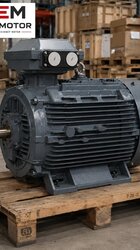
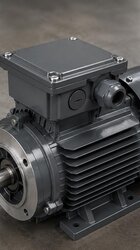

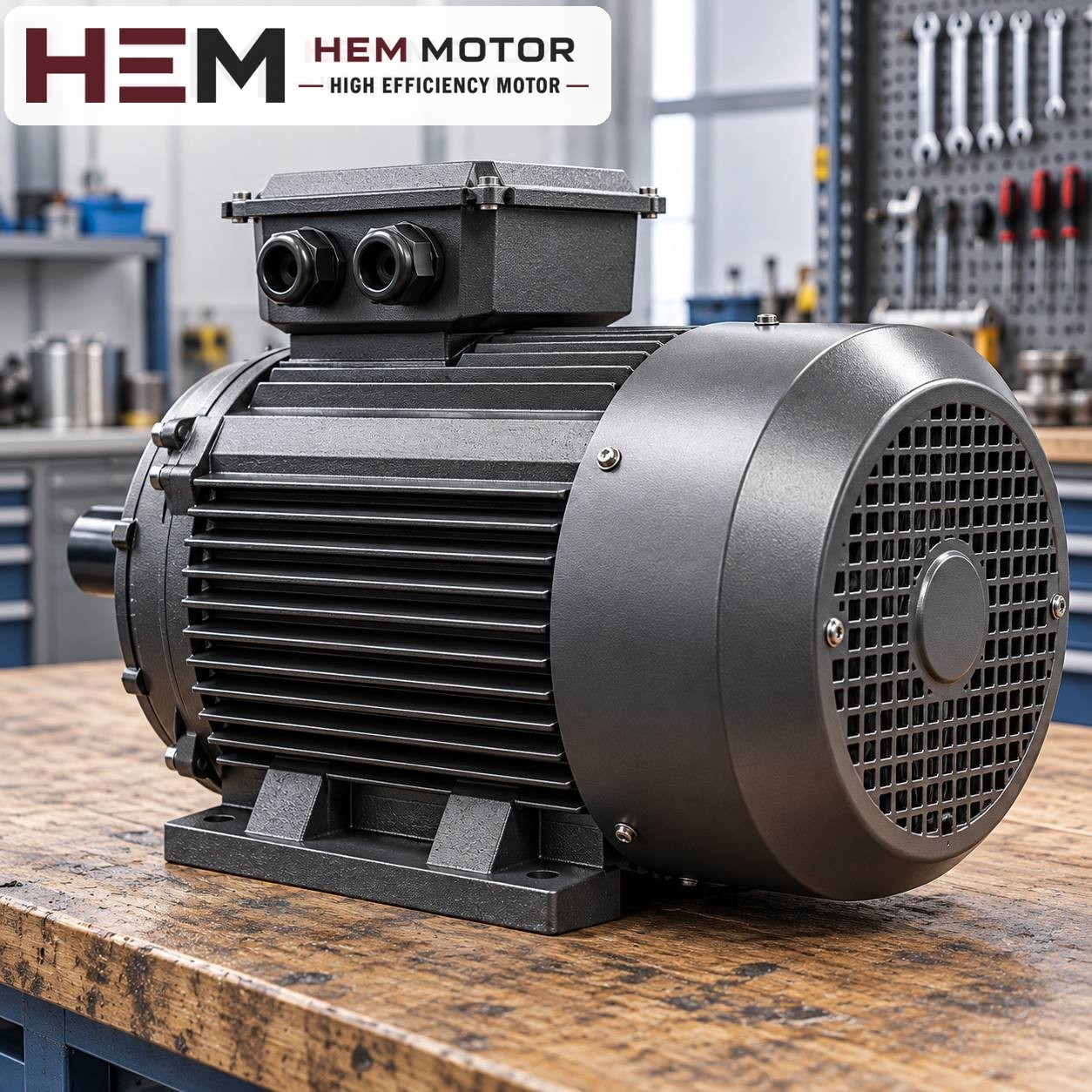

There is no single "seed cleaner motor" in a seed cleaning and grading machine; the machine consists of several motors, each carrying a different load: the drive that shakes the sieve box, the air separation fan, the indented cylinder, the feeder and the elevator. For a correct selection, first identify which motor performs which task, then keep the old motor's speed and mounting for each one. Seed processing adds one more criterion: handling the seed without breaking or damaging it, which requires care regarding speed and starting.
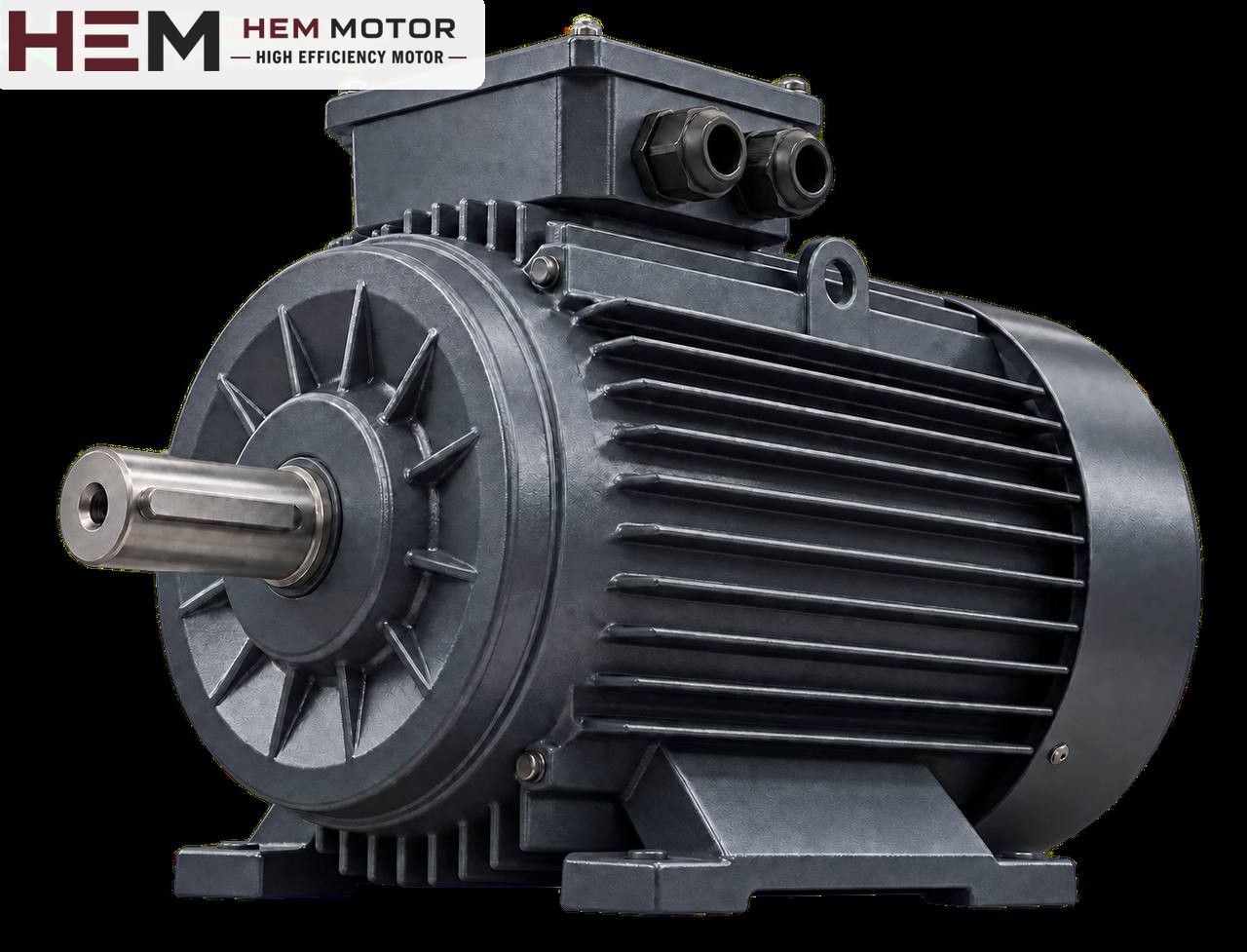
Motors on a seed grading line and their load characteristics
A seed cleaning line separates the product step by step according to differences in size, weight and shape. The motor of each stage carries a different load:
| Unit | Task | Load characteristic | Criterion for motor selection |
|---|---|---|---|
| Air-screen pre-cleaner | Size separation with sieves, separation of light particles with air | Eccentric drive; oscillating load | Number of poles and pulley ratio are kept |
| Aspiration fan | Drawing off dust, husks and light seed | Fan load, rises quickly with speed | Fan speed and impeller diameter; same power at the same speed |
| Indented cylinder (trieur) | Separating broken and long/short kernels with pockets | Slow-turning cylinder with gearbox | Cylinder speed is a design value; gearbox input flange |
| Gravity (specific weight) table | Separation by weight | Vibrating deck and fan | Check the deck drive type; the fan is selected separately |
| Feeder, screw conveyor, elevator | Product transport | May start loaded | Starting load and gearbox compatibility |
This table is used to determine which group the motor to be replaced belongs to. For example, even if the indented cylinder motor and the fan motor have the same power, they cannot replace each other; one turns slowly through a gearbox, the other runs at high speed directly or via a belt.
Protecting the seed: why is speed critical?
With feed or milling grain, a small amount of kernel breakage is acceptable. With seed, however, broken or cracked kernels lower the germination rate. That is why in a seed cleaner a motor speed that is "a little faster" is not an advantage:
- If the indented cylinder turns too fast, kernels fall out of the pockets too early or are damaged by impact; separation deteriorates.
- Elevator buckets at high speed throw the kernels hard against the discharge spout.
- If sieve oscillation increases, the kernel's residence time on the sieve is shortened and cleaning quality falls.
When replacing, keep the old motor's synchronous speed. A difference of a few rpm between the rated speed on the nameplate and that of the new motor is normal; a different number of poles, however, clearly changes the machine speed.
Speed adjustment for different products
If different seeds such as wheat, chickpeas or sunflower are processed on the same cleaner, the manufacturer usually provides pulley sets or adjustment dampers. Speed can also be adjusted with an inverter: HEM Motor's three-phase series are suitable for speed control with a frequency inverter; for long periods at low speed with full torque an external fan may be required, and if the inverter-motor cable is long a dv/dt or sine filter is considered. State these conditions with the order. For details see the question on inverter operation.
Supply and frame selection on mobile seed cleaners
Some seed cleaning machines are mobile units mounted on trailers and moved from village to village. Two issues stand out with these units:
- Power source: If there is no mains supply on site, a generator is used. The combined starting current of the motors strains the generator's capacity; switching on large motors one after another reduces voltage drop. Check that the voltage on the motor nameplate (such as 230/400 V Δ/Y) matches the supply on site.
- Weight and vibration: On a transported machine, the aluminium frame is preferred for its lightness. On units subject to road vibration and frequent dismantling, the rigidity of the cast iron frame may come to the fore. Both frames have IP55 protection and class F insulation.
On a unit working outdoors, a canopy that protects the motor from rain and direct sun reduces water ingress into the terminal box and overheating. For mobile machines that stand idle for long periods, the recommendations in our article on storing spare motors can also be applied to protect the motor against moisture.
Dust, seed treatment and cleaning
The dust from seed cleaning is fine and abrasive; pieces of husk and awn build up on the motor's fan cover. Keeping the cooling path clear is the simplest measure for motor life. Some lines have a seed treatment unit after cleaning; for motors in an area with heavy treatment vapour, state the ambient conditions with the order. IP55 protects against splashing water, but chemical vapour and washdown conditions may exceed the scope of a standard motor.