English
 Français
 Türkçe
 Español
 Русский
 العربية
 Deutsch
 Italiano

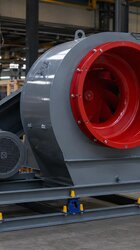
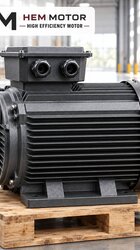


The quickest way to cut the energy cost of electric motors in a woodworking and furniture plant is to look at the dust extraction fan, the compressed air system and the CNC vacuum pump before the cutting machines; these three groups keep running even in the hours when no part is being machined. The second step is to stop idling planer, thicknesser and circular saw motors and, at replacement, to size power to the machine's real load. Below we walk through this order using the daily flow of a furniture workshop.
Which machines draw most of the electricity in a furniture plant?
In a panel furniture plant, board sizing, edge banding, drilling and CNC machining, sanding, finishing and packing run one after another. A solid wood workshop adds timber drying, planing, thicknessing, moulding and band sawing. The motors doing the cutting catch the eye; yet the line on the meter is often set by the auxiliary systems turning in the background.
| System | Task of the electric motor | Operating pattern | Typical source of energy loss |
|---|---|---|---|
| Central dust extraction | Radial fan, rotary valve, filter cleaning | Continuous throughout the shift | Gates left open on machines not in use |
| Compressed air | Screw compressor | On including at night | Hose leaks, higher pressure than needed |
| CNC router and nesting | Vacuum pump, chip conveyor | Same whether the table is full or empty | Full vacuum with no board on the table |
| Main machining | Planer, thicknesser, circular and band saw drive | Intermittent load | Idling between parts |
| Drying and finishing | Kiln fans, booth exhaust fan | Constant load for long hours | Speed not adjusted to moisture and temperature |
You do not need an expensive analyser to start measuring: if the loaded and idle current of each large motor is noted with a clamp meter alongside the shift schedule, the first list emerges.
A clamp meter is enough for this. This list shows which motor deserves investment first.
How do gates left open on central dust extraction inflate the bill?
The extraction fan is designed as if every outlet on the duct were open. Yet for most of the shift only some machines are cutting; when the outlets of the rest stay open, the fan moves air for nothing. If automatic gates linked to the machines close, it becomes possible to lower the fan speed according to duct pressure. Speed cannot drop until the gates close.
When fan speed drops slightly, the power drawn falls markedly; according to the affinity laws, power has an exponential relationship with speed (general information; confirm with the machine manufacturer). That is why extraction with a frequency converter is one of the applications with the fastest visible payback in a furniture plant.
Conveying velocity needs attention here: lowering speed too far makes chips settle in the duct and block it, so the lower limit should be set by the ductwork installer.
As the bag or cartridge filter fills, the fan's operating point shifts and suction weakens. If filter cleaning is neglected, operators open more outlets to boost suction and the problem grows.
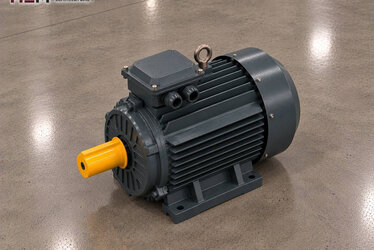
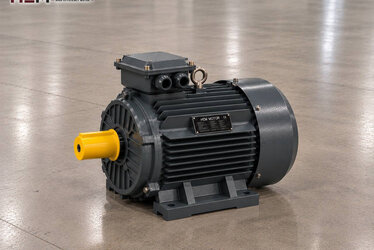
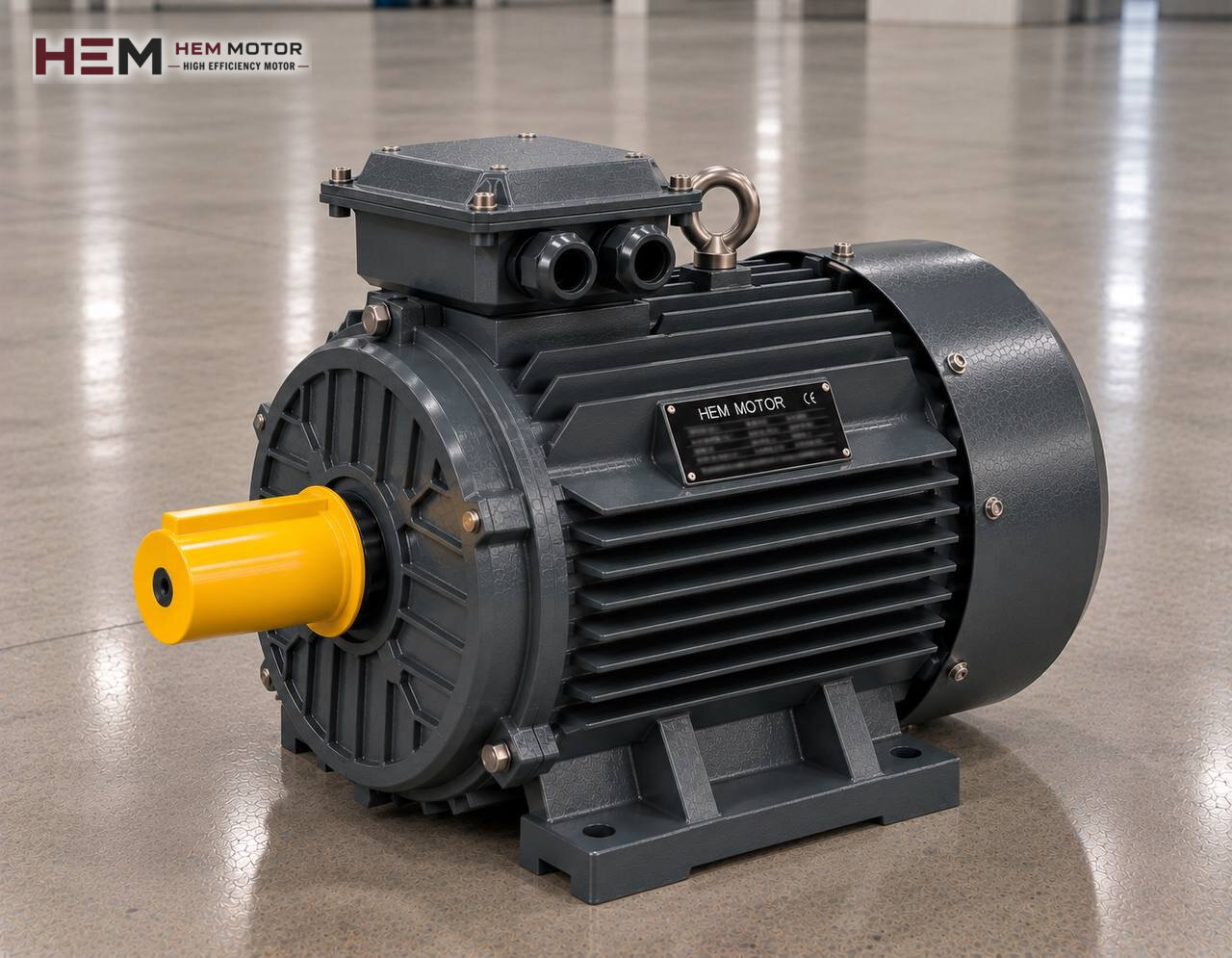
For a medium-sized central extraction fan, the 15 kW cast iron frame 160L-4 can be considered; its rated speed is 1465 rpm and its voltage is 400/690 V. Options suited to different fan types are on the fan and extractor motors page.
What does idling cost on planers, thicknessers and circular saws?
An idling electric motor keeps drawing energy for magnetising current, friction and fan losses. In a solid wood shop, the craftsman passes a piece through the thicknesser, measures it and prepares the next one; meanwhile the machine idles. Every pause adds idle minutes. Getting into the habit of switching machines off between batches and arranging the workflow to shorten waiting time is the first step that needs no investment.
The second issue is the oversized motor. A planer motor that was once moved up a size "just in case" often runs well below its rated power. In this region efficiency and power factor fall and the risk of a reactive energy penalty rises.
At replacement, power should be set by the current measured on the hardest wood at the deepest cut, together with the machine manufacturer's value.
On belt drives, a loose or worn belt slips and turns energy into heat. Pulley alignment and belt tension should be written into the periodic maintenance list.
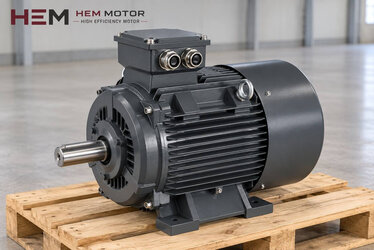
The 5.5 kW aluminium frame 132S1-2 is an example for thicknessers and planers; it turns at a rated speed of 2930 rpm. Other powers and speeds suited to woodworking machines are on the woodworking machine motors page, and all combinations are in our electric motor store.
Why do compressed air and the CNC vacuum pump create a continuous load?
Hose leaks in the shop keep the compressor running even after the shift ends. Spray guns, pneumatic staplers, the cylinders of the edge bander and the clamps on the CNC table all run on compressed air. Watching how often the compressor starts at the weekend, while the machines are stopped, gives a rough idea of how much is leaking.
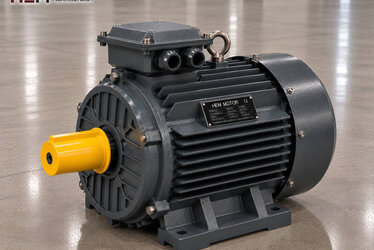
Pressure setting is also often overlooked: keeping the whole network at high pressure for the one consumer that needs it wears the compressor motor for nothing. For a medium-sized screw compressor, the 11 kW cast iron 160M-4 with a rated speed of 1465 rpm is an example. On load/unload compressors, the number of starts per hour should be included in motor selection.
On nesting CNC routers, the vacuum pump runs at the same power whether or not there is a board on the table. An empty table still pulls full vacuum. Speed control according to vacuum level, or a control that puts the pump on standby when no board is present, reduces this load.
The router spindle, however, is a high-speed special drive; this duty needs a special motor and may fall outside the standard range in HEM Motor's 2026 catalogue, so consult us with the spindle nameplate and usage details.