English
 Français
 Türkçe
 Español
 Русский
 العربية
 Deutsch
 Italiano

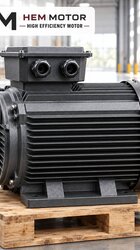
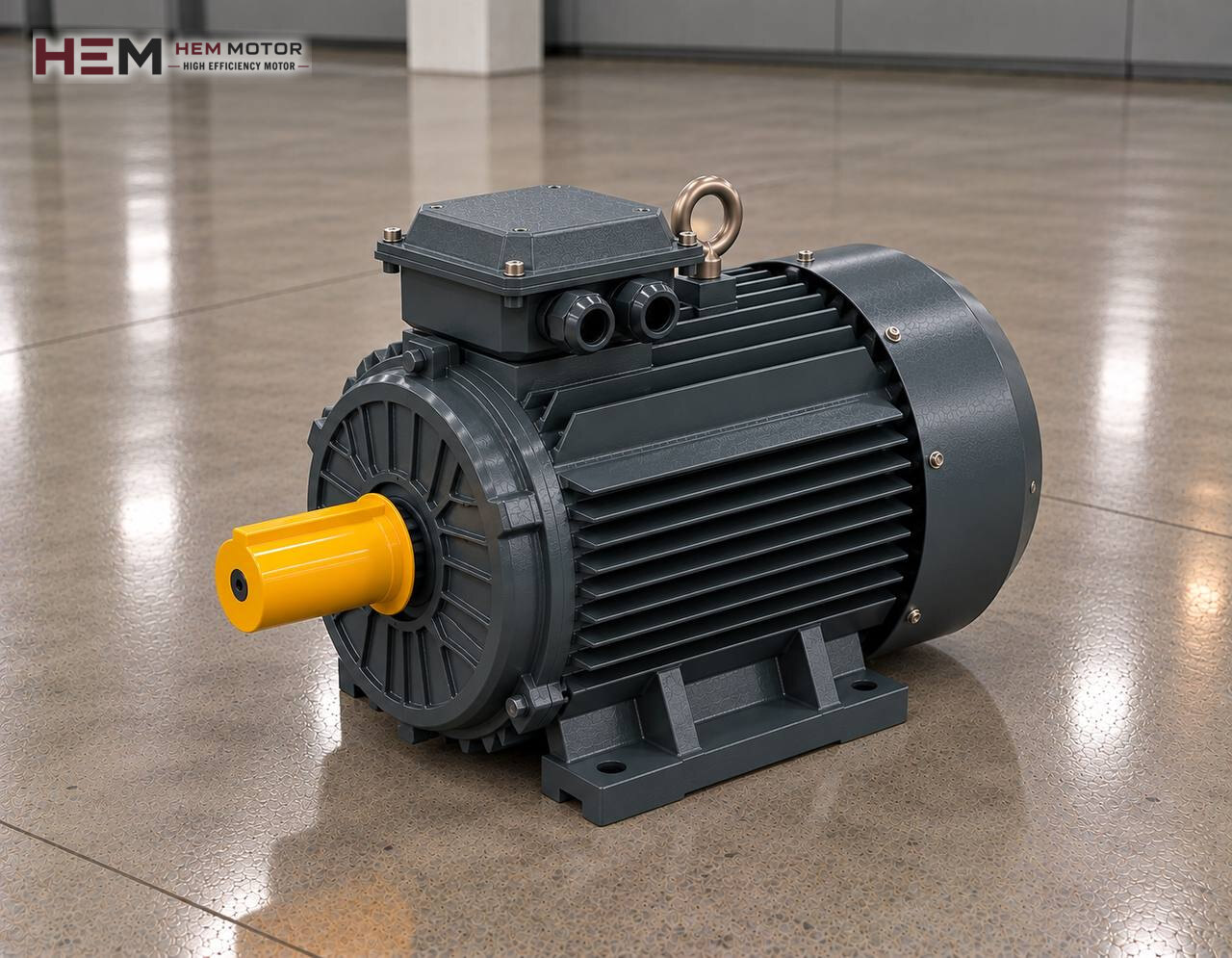

The energy cost of electric motors in flour and feed mills is reduced by first measuring the kilowatt-hours spent per tonne and then tackling the largest consumers (pellet press, hammer mill, roller mills and pneumatic conveying fans) one by one. What inflates the bill is often not the motor itself but lines running empty, throttled fan dampers, worn grinding surfaces and production piled into expensive tariff hours. Below, we follow the route from wheat silo to flour bag, and from ingredient dosing to the pellet bag, station by station, showing where electricity is wasted at each one.
How do you map the kilowatt-hour split across the mill and the feed line?
The first step is to divide the plant's monthly consumption by the tonnage produced; the resulting kWh/t figure becomes the yardstick for every improvement. Then a portable energy analyser is connected to the main feeders in the panels to record a one-week profile: which motor runs how many hours, how much current it draws, and which keeps turning when there is no production. In a flour mill most of the picture falls on the roller mill battery and the pneumatic conveying fans; in a feed mill, on the pellet press and the hammer mill. This is how idle-running motors show up.
| Plant | Large consumer | Typical load behaviour | Energy leak |
|---|---|---|---|
| Flour mill | Roller mills | Continuous, varying with feed | Worn rolls, poorly set gap, idle roll pair |
| Flour mill | Pneumatic conveying fan | Continuous, fixed speed | Damper throttling, air leaks, old fan |
| Flour mill | Plansifter, bran finisher, aspiration | Continuous, low to medium power | Machines forgotten during stops |
| Feed mill | Pellet press | Heavy, varying with recipe | Poor conditioning, worn die |
| Feed mill | Hammer mill | Heavy, varying with feed | Idling, uneven feeding |
| Both | Elevator, screw, chain conveyor | Constant, long hours | Empty lines kept running |
Where does energy leak in the roller mill battery?
A flour mill has dozens of roll pairs spread over the break, reduction and semolina passages, each turned by its own electric motor, mostly through belts. When the roll surface dulls or the flute profile wears, the gap is narrowed to achieve the same grind; the motor draws more current, the product heats up and more intermediate stock returns between passages. Tracking the roll grinding and fluting schedule together with ammeter readings makes this loss visible.
Roll pairs that keep running even when little product arrives are another inconspicuous consumer. If the mill is running below capacity, taking unnecessary passages out of service and regularly checking belt tension and pulley alignment frees the motor from needless load. A loose belt slips and generates heat; an over-tensioned belt tires the bearing and increases friction losses. Belt adjustment is an energy item too.
How do pneumatic conveying and aspiration fans inflate the bill?
In modern mills intermediate stock is carried between floors by air; the high-pressure fan or rotary lobe blower that does this runs twenty-four hours a day and is often connected to one of the largest single motors in the plant. A fan chosen with a safety margin in the line design is run throttled by a damper when in reality less air is needed. Throttling with a damper reduces the air but does not lower the power drawn by the motor in the same proportion; the loss turns into heat in the fan impeller. At a throttled damper, power turns into heat.
On fans whose airflow can vary, lowering the speed with a frequency converter reduces power much faster than airflow, in line with the fan laws (general information; confirm with the fan manufacturer). Our three-phase series are suitable for speed control with a converter; if the motor will run for long periods at low speed with high torque, a separately powered cooling fan may be needed, and if the cable between panel and motor is long, a dv/dt or sine filter is considered. Passing this information along with your order is enough.
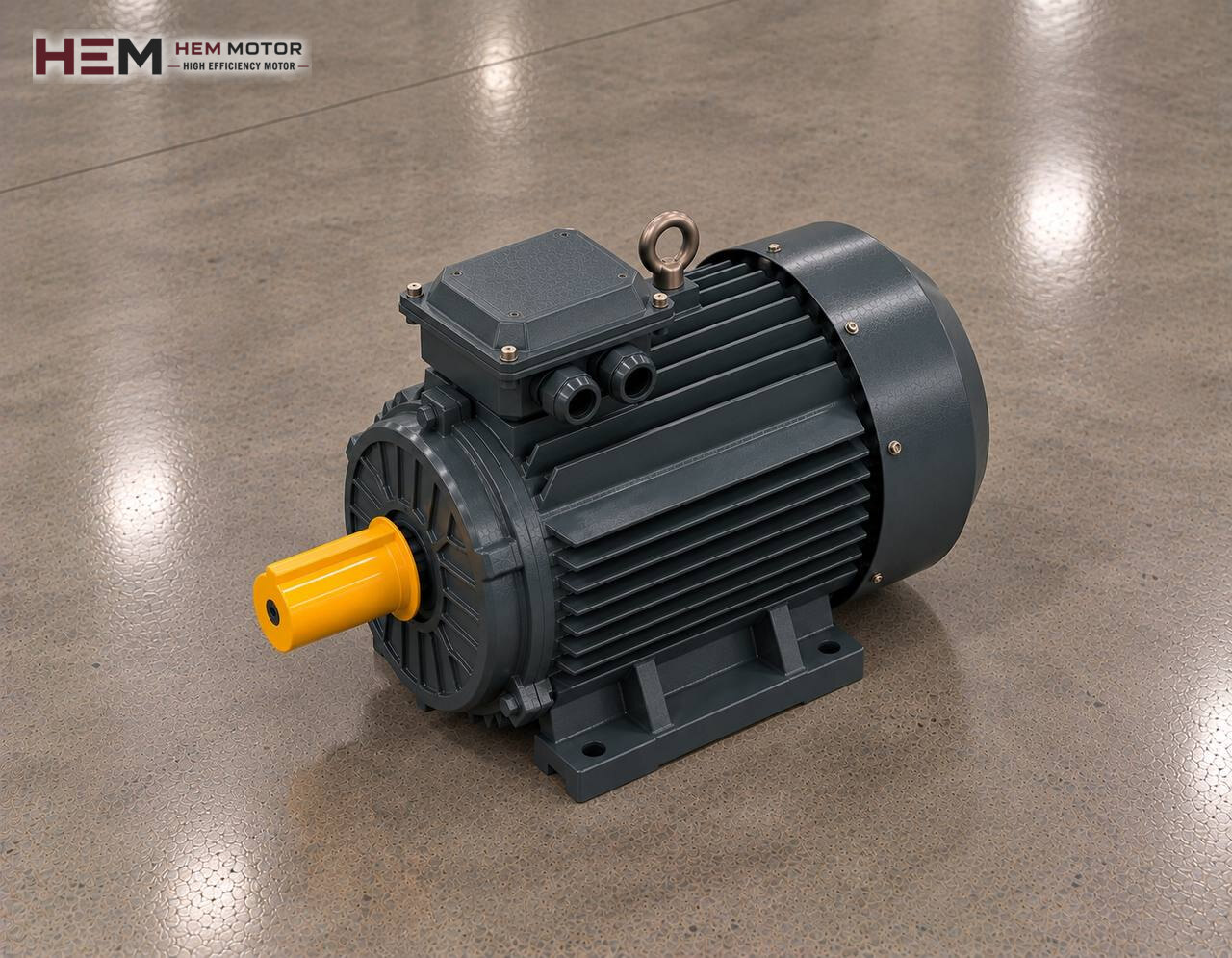
Leaking cyclone lids, worn-through bends and slide gates left open along the line make the fan work for nothing. As filter bags clog, the pressure loss grows; tying bag replacement to differential pressure measurement protects both the fan motor and aspiration efficiency. Other motor options specific to milling equipment can be found on the flour mill electric motors page.
How can consumption per tonne at the pellet press be lowered?
The fastest route is to fix conditioning and track die wear. The largest electric motor in a feed mill is usually on the pellet press. The press forces the steamed mash from the conditioner through the die holes; if the mash has not reached sufficient temperature and moisture, friction rises, motor current increases and more energy is spent for the same tonnage. Adjusting steam quality, conditioner retention time and the fat content of the recipe often delivers results faster than replacing the motor.
Die and roller wear also quietly increase consumption. As the gap between roller and die opens, the product slips, press throughput drops, yet the motor keeps running loaded. Logging the press motor current together with hourly tonnage reveals the slow drift in the kWh/t figure early and bases the replacement of wear parts on data.
A hypothetical example: if a 110 kW press main motor draws an average of 90 kW for 5,000 hours a year, annual consumption comes to 450,000 kWh. If, once conditioning is corrected, the same tonnage can be pressed in less time or at lower current, the difference comes straight off this figure. Do not calculate percentages before measuring your own plant's values. Measure first, then calculate.
What do idle minutes at the hammer mill and on the dosing line cost?
A mill left idling between batches uses electricity without producing anything. In a feed mill the hammer mill is often left idling between recipe batches; the long restart time feeds this habit. Yet a large mill motor at idle still draws a not insignificant share of its rated power. Adding automatic standby logic to the dosing and batching software together with the mill feeder makes stopping the mill during long breaks practical.
A feeder that adjusts feed rate according to mill current keeps the motor at an efficient load point; uneven feeding makes the motor run alternately idle and overloaded. The choice of screen hole also determines the cost of fine grinding: grinding finer than the animal species requires is written straight onto the bill in kilowatt-hours. A finer screen than needed means extra kilowatt-hours.