English
 Français
 Türkçe
 Español
 Русский
 العربية
 Deutsch
 Italiano

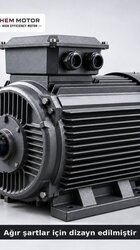
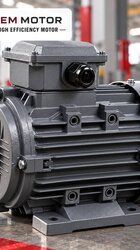
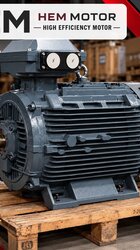
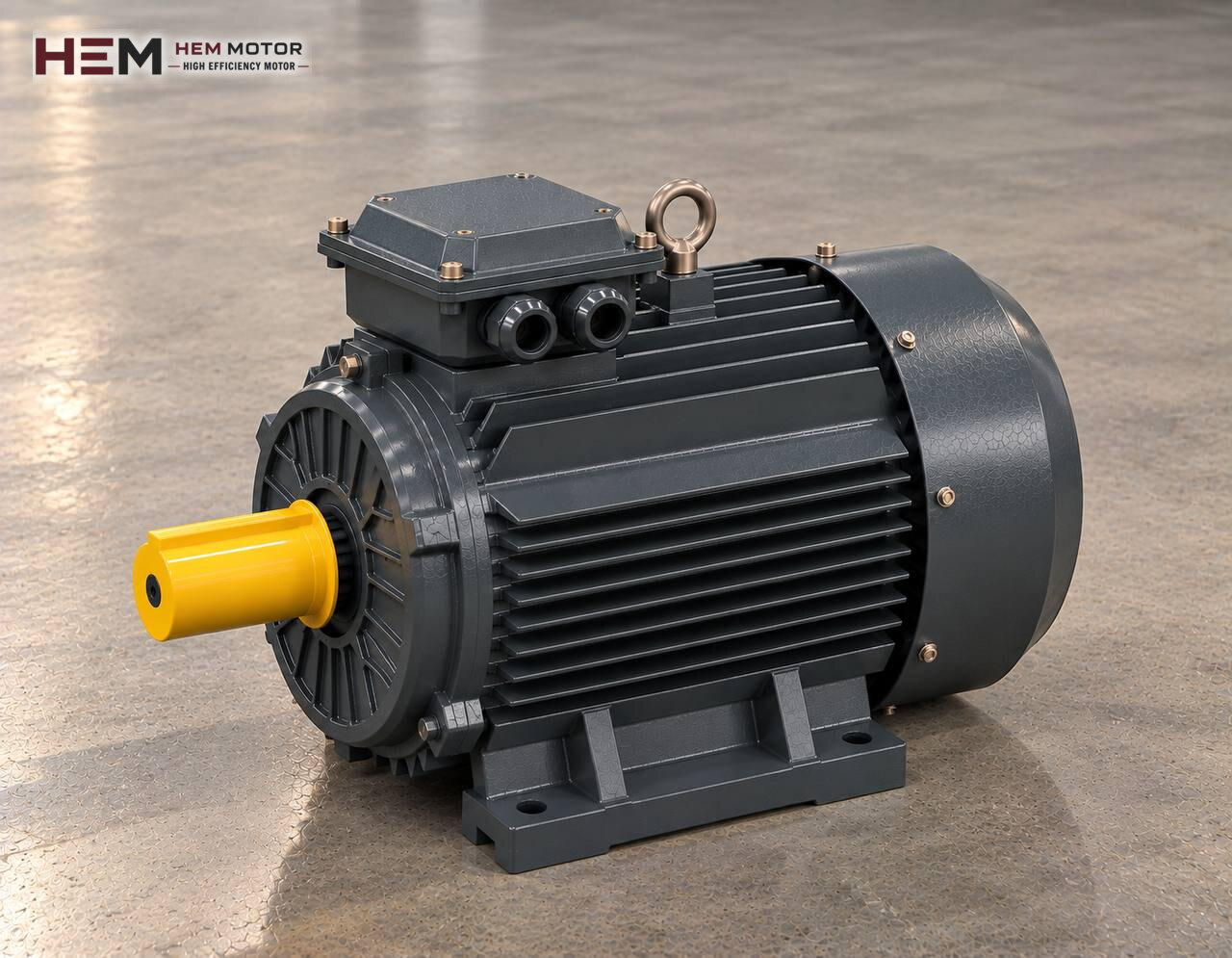

A spare electric motor plan for a crushing and milling line means finding which machines cut off the entire flow when they stop, and then setting up either a ready motor on the shelf or a fast repair arrangement for those drives. A jaw crusher, impact crusher, hammer mill, roller mill and ball mill may be in the same power class, yet their downtime effects differ. The plan groups motor nameplates by frame number and number of poles, aiming to protect many machines with only a few spares.
Where does the downtime chain break on a crushing line?
In a quarry, when the primary crusher stops, the screens, secondary crushers and stockpile belts behind it are running empty within minutes; trucks start to queue. One motor halts the entire quarry. In a flour or feed plant, a single roll stand stopping in the roller mill battery upsets the balance of the passages and slows the whole flow diagram. In a feed mill with a hammer mill, the pellet press is left without feed once grinding stops.
The spare plan therefore follows the flow, not the machines. The first step is to put the flow sheet in front of you and write, next to every motor, the answer to the question "what happens if it stops?". A crusher with an intermediate bin providing a few hours of buffer does not carry the same spare priority as a primary crusher with no buffer at all.
Which motor gets a spare first on jaw, impact and cone crushers?
The primary jaw crusher comes first in most plants. Because of its flywheel and belt drive its motor starts heavily; when a stone jams, the motor is strained and the winding heats up. The load is heavy and shock-laden. This motor is usually six- or four-pole and its power is among the largest in the plant. Keeping such a motor on the shelf may look expensive, but a complete quarry shutdown while waiting for order and delivery often costs more.
Impact crushers and vertical shaft crushers carry a rotor spinning at high speed; frequent problems stem from bearings and belts. Rotor speed wears the bearings. Cone crushers work at the secondary or tertiary stage; if there are several cone crushers using the same motor, a shared spare becomes possible. The stone crushing plant electric motors page offers a starting point for general motor information on crusher drives.
How does spare planning differ for roller, hammer and ball mills?
On a roller mill one shared spare protects many drives, while hammer and ball mills are handled separately. Roller mills usually have many drives that resemble one another. For twelve or sixteen roll motors of the same kilowatt rating and speed, a single spare motor protects the whole battery. One motor covers the entire battery. This is the most efficient point of spare planning on the mill side. Options for flour mill drives are collected under flour mill electric motors; power and pole options suited to roll motors can be viewed side by side in the store.
A hammer mill runs at high speed and takes impacts when a foreign object enters the grinding chamber; in feed plants its failure rate is comparatively high. Bearings are the first part to wear here. A ball mill turns a heavy drum; starting is demanding, and some plants use a slip-ring or high-voltage motor. Such a drive belongs to the special motor class; it may fall outside the standard series in HEM Motor's 2026 catalogue, so send us the nameplate and application details and ask.
From nameplates to a spare pool: how many motors are enough?
Once the nameplates of all crusher and mill motors have been entered in a table, those with the same kilowatt rating, number of poles, IEC frame number, mounting type and voltage are grouped. Even if dozens of different motors appear on paper, this grouping often reduces the number of variants noticeably. The list shrinks and the shelf gets lighter. In each group, the shelf decision is taken by looking at the downtime impact of the most critical machine.
| Group | Example machines | Recommended spare approach |
|---|---|---|
| Main crusher without buffer | Primary jaw crusher, single cone crusher | Ready motor on the shelf, pulley fitted |
| Identical drives | Roller mill battery, twin impact crushers | One shared spare per group |
| High-speed drives taking impact | Hammer mill, vertical shaft crusher | Spare motor or spare bearing set |
| Auxiliary drives | Feeder, belt, screw conveyor, elevator | Shared spare based on frame standard |
| Special drives | Ball mill main motor, vibrators | Separate list and repair plan |
In a shared spare arrangement, one motor must fit every machine it is compatible with. The series offers foot-mounted B3, flange-mounted B5 and B14, combined B34 and B35, and vertical V1, V3, V5, V6 and V15 arrangements according to frame size; the flange dimension is finalised at ordering.
The same IEC number is the first sign of compatibility, but a motor should not count as a shared spare until shaft diameter and length, foot holes, flange and nameplate values have been compared.