Electric Motors Suited to Harsh Operating Conditions in Cement and Building Materials Plants

Electric Motors Suited to Harsh Operating Conditions in Cement and Building Materials Plants

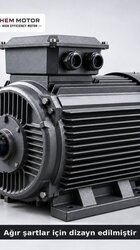
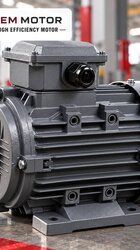
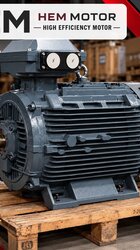
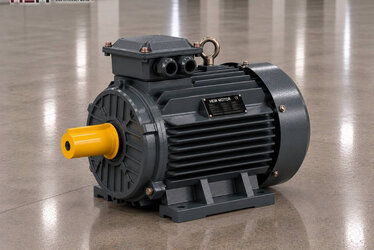
An electric motor suited to the harsh conditions of cement and building materials plants is one that can withstand fine clinker and raw meal dust, high ambient temperature around the rotary kiln, vibration from mills and crushers, and rain and condensation in the open yard all at once. In practice this means a cast iron frame, a tightly closed terminal box, cooling fins that can be kept clean and, where needed, a sensor monitoring winding temperature. Which measure is required depends on where in the plant the motor stands.

How do raw meal, clinker and cement dust spoil cooling?

Cement dust is extremely fine and hardens when it meets moisture. A layer of dust stuck to the motor's fan cover and frame fins prevents heat from passing into the air. Even if the motor runs at nameplate power, winding temperature rises. Packing, clinker handling and the cement mill outlet are the heaviest points in this respect.

In these areas, regular cleaning of the fins with compressed air by the maintenance team is as important as motor selection. If a wall or machine part stands in front of the fan cover, airflow narrows; the mounting layout should be planned accordingly.

If the nameplate is covered with dust, no data can be read during replacement; recording the nameplate information in advance is a good habit.

How does the heat around the rotary kiln and clinker cooler affect the motor?

When ambient temperature rises above the nameplate value, the motor struggles to deliver the same output.

The rotary kiln drive station, the grate drives of the clinker cooler and the cooler fans work in the hottest surroundings of the plant. The nameplate values of standard motors are given for a defined ambient temperature; where this temperature is exceeded, selecting a larger power or improving the cooling air may be needed for the motor to deliver the same output. This assessment is made with the data of the machine manufacturer and the project engineer.

Our series comes with class F insulation. At points with continuously high temperature, an insulation class rated for higher temperatures can be requested as a special order option. PTC or PT100 sensors placed in the winding alert the protection system when the temperature limit is approached. Positions very close to the kiln shell and in direct contact with hot gas require a special solution instead of a standard motor.

Which frame should be chosen for mills, crushers and vibrating screens?

A rigid cast iron frame is chosen for these constantly shaking machines.

In raw material preparation, limestone and clay crushers, the raw mill and vibrating screens produce constant shaking. This vibration loosens base bolts, strains bearings and over time can undo terminal connections. A cast iron frame is far more rigid than aluminium in this environment. It also withstands impacts.

During alignment, misalignment between the motor and the driven machine must be carefully eliminated and the base must be flat and solid. On pulley drives, belt tension must not load the bearing more than necessary. Details for crusher applications are on the stone crushing plant electric motors page.

Plant areaDominant challengeMeasure on the motor side
Crusher and raw material storage hallImpact, vibration, coarse dustCast iron frame, solid base, regular bolt checks
Raw meal and cement millContinuous heavy load, fine dustFin cleaning, winding sensor, adequate power margin
Rotary kiln and coolerHigh ambient temperatureCooling air, PTC/PT100, special order for a higher insulation class if needed
Packing and dispatchHeavy cement dust, frequent stop-startSealed cable entry, closed unused glands
Outdoor belts and stockpileRain, sun, condensationAnti-condensation heater, IP56 special order option

What happens to the motor when a screw conveyor, bucket elevator or air slide clogs?

The motor suddenly goes into overload. On cement screw conveyors and bucket elevators this happens when the material becomes damp and sticks or the outlet clogs. The current quickly rises well above the nameplate value. Correct setting of the thermal protection and motor protection circuit breaker saves the motor from burning out at such a moment. Setting values are determined from the motor nameplate and project information.

On bucket elevators the motor usually stands high up on a platform exposed to rain and wind. Here the cable entry should face downwards so that water does not seep into the terminal box. Air slide fans and bag filter fans carry dusty air, so sealing at the shaft passage of the fan housing matters to keep dust from reaching the motor side. For conveying lines inside the plant, see the conveyor belt electric motors page.
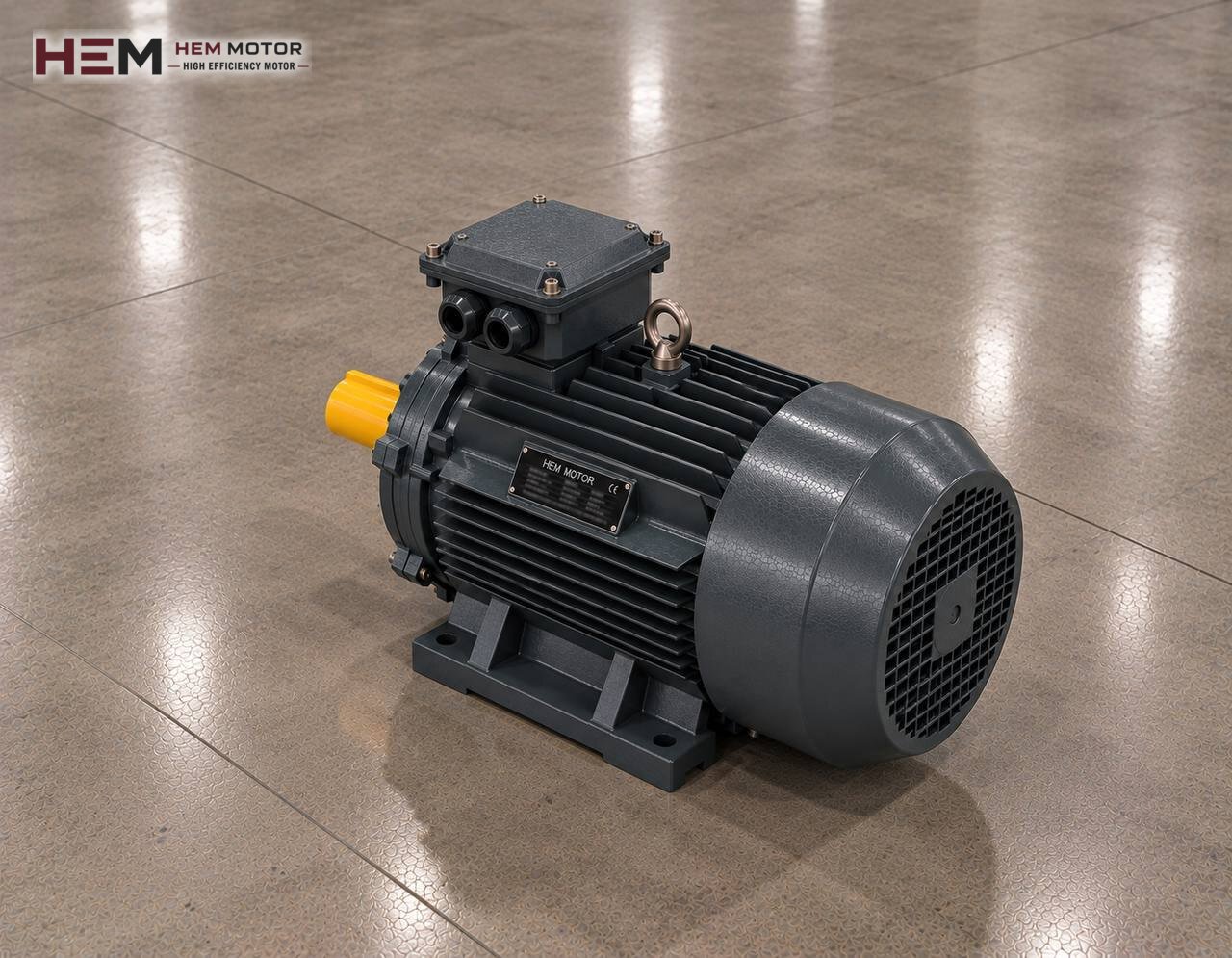

Electric motor driving a screw conveyor in a cement plant
Electric motor driving a cement screw conveyor (representative image).

Prices and technical data are on the product pages; choose a model and order online.

How is moisture kept under control in an outdoor motor?

After a long stop, insulation resistance is measured before the motor is started.

Belt conveyors in the aggregate and clinker stockyard, concrete plant feed belts and the clay preparation machines of brick and tile factories work outdoors. Inside a motor that warms up by day and cools at night, moisture condenses and the winding insulation resistance drops. Measuring insulation resistance before running the motor after long stops catches a possible fault early.

Standard IP55 protection covers most of these site conditions. At points with frequent rain and hose washing, IP56 can be requested as a special order. An anti-condensation heater keeps moisture away by holding the winding slightly above ambient temperature while the motor is idle. Options for concrete plant drives are gathered on the concrete plant electric motors page.

When do drive-fed fans and separators need extra cooling?

If the separator turns at full torque for long periods at low speed, the motor's own fan cannot produce enough air and a separate cooling fan is needed.

Mill separators and kiln induced draught fans run with a frequency converter in most plants. Our three-phase series are suitable for this use. If the cable between the drive room and the motor is long, an output filter is considered. Writing these conditions on the order form ensures the motor arrives on site with suitable equipment.

Which electric motor models can serve as examples for a cement plant?

Example models for common duties are listed below; the exact power should be verified with the machine manufacturer's data and site measurement. You can compare other powers and speeds in the HEM Motor shop.

  • For a bucket elevator or separator drive, the 45 kW cast iron 225M-4 with a rated speed of 1485 rpm can be considered; its voltage is 400/690 V.
  • For a cement screw conveyor or clinker transfer belt, the 15 kW 160L-4 may be considered; its rated speed is 1465 rpm.
  • For a bag filter fan or air slide fan, the 7.5 kW 132M-4 at 1460 rpm is a suitable starting point.

How is a motor kept long-lived on a dusty, hot line?

Clearing dust from the fins, tightening base bolts and measuring insulation after a long stop keep the motor long-lived. These three jobs prevent most failures on site. In a cement and building materials plant, what determines motor life is often the later cleaning and inspection as much as the choice made at purchase.

If you share the nameplate of your kiln, mill or elevator motor as described on the find an equivalent from the nameplate page, we will settle together the equipment that suits the dusty, hot area. All cast iron series are listed by power and speed in our electric motor shop.

Frequently Asked Questions

Why does dust on the fins of a cement mill motor matter?

Dust stuck to the fins blocks heat dissipation, and the motor overheats even when running at nameplate power. Regular cleaning directly affects winding life.

Which extra options can be requested for motors around the rotary kiln?

A PTC or PT100 winding sensor and, if needed, insulation rated for higher temperatures can be requested as a special order. If ambient temperature is high, power selection should be done together with the project engineer.

What protects the motor when a bucket elevator clogs?

A correctly set thermal relay or motor protection circuit breaker opens the circuit on overcurrent. The setting value is determined from the current on the motor nameplate.

Is IP55 enough for an outdoor stockpile belt motor?

In most cases it is; if there is frequent rain or washing, the IP56 special order option can be considered. An anti-condensation heater also reduces moisture during stops.

HEM Motor Models Related to This Article

The cards show example models related to the topic. A suitable motor is not chosen by power alone: compare speed, voltage, mounting, shaft and connection dimensions on the product page; if unsure, send a photo of the existing motor’s nameplate on WhatsApp.

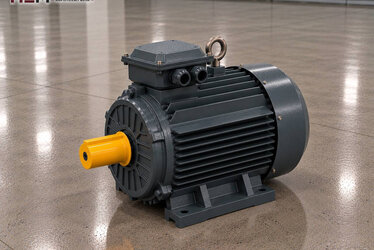
45 kW 1500 rpm Cast Iron Frame Electric Motor 225M-4

225M-4

45 kW · 1500 rpm

  • Cast iron frame · IEC 225M
  • 1485 rpm · IP55
  • Mounting: B3 foot; flange (B5/B14/B35) depending on frame, confirmed with the order

US$1,656.00 (€1,515.60)

View product
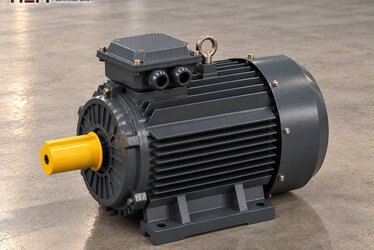
15 kW 1500 rpm Cast Iron Frame Electric Motor 160L-4

160L-4

15 kW · 1500 rpm

  • Cast iron frame · IEC 160L
  • 1465 rpm · IP55
  • Mounting: B3 foot; flange (B5/B14/B35) depending on frame, confirmed with the order

US$665.08 (€608.69)

View product
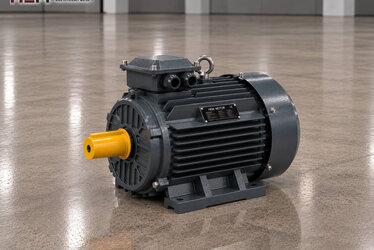
7.5 kW 1500 rpm Cast Iron Frame Electric Motor 132M-4

132M-4

7.5 kW · 1500 rpm

  • Cast iron frame · IEC 132M
  • 1460 rpm · IP55
  • Mounting: B3 foot; flange (B5/B14/B35) depending on frame, confirmed with the order

US$387.29 (€354.46)

View product

Similar Articles