English
 Français
 Türkçe
 Español
 Русский

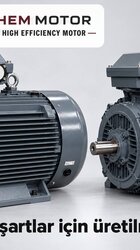
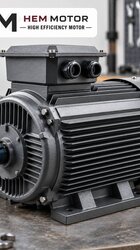
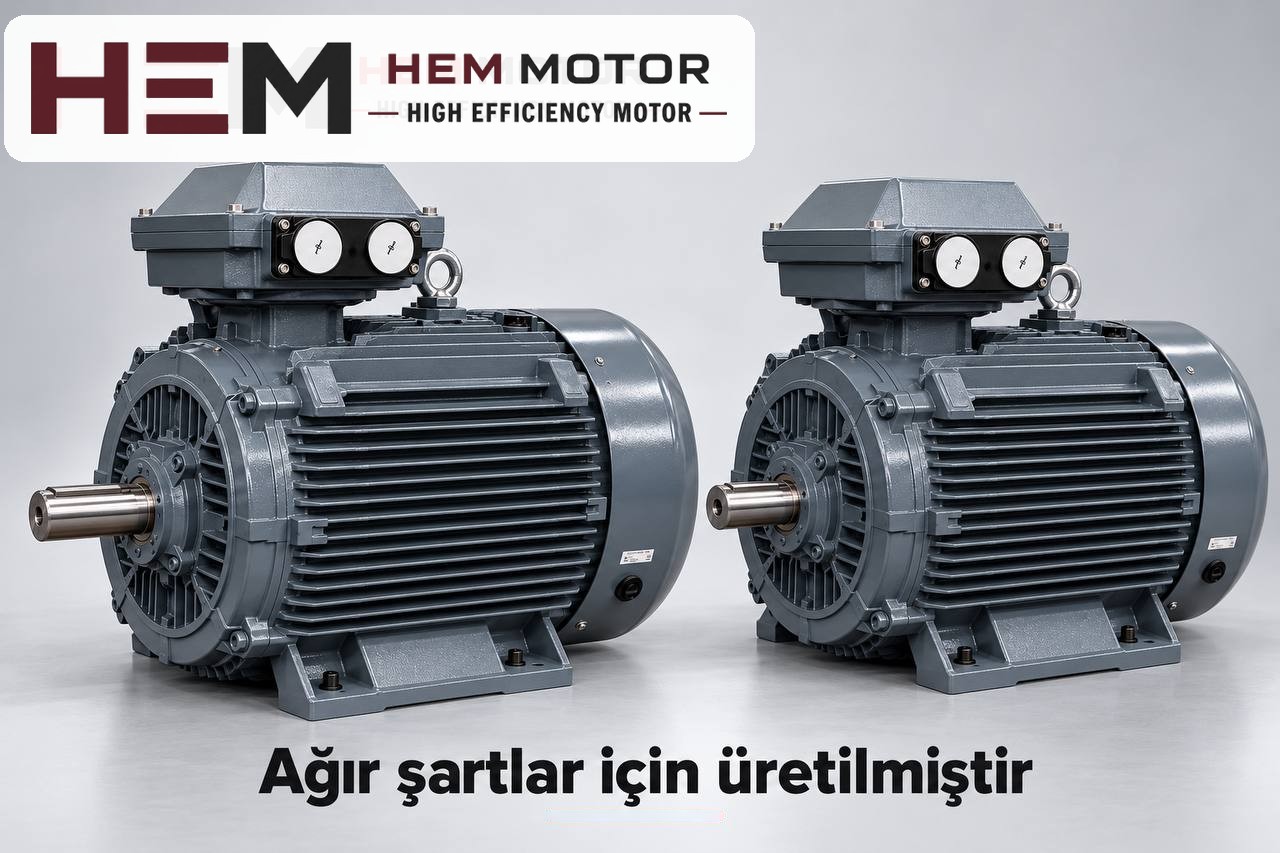

11 kW (15 HP) is a special threshold in HEM Motor's range: the aluminium frame series starts at 0.25 kW and ends exactly at this rating, while the cast iron series continues from 0.55 kW up to 355 kW. Anyone looking for an 11 kW motor is therefore at the largest power step where they can choose between two different frames with identical electrical values. In this article we put both frames side by side with the same code and the same nameplate values, and show step by step that the difference lies not in the electrical data but in the mechanical design and the operating conditions.
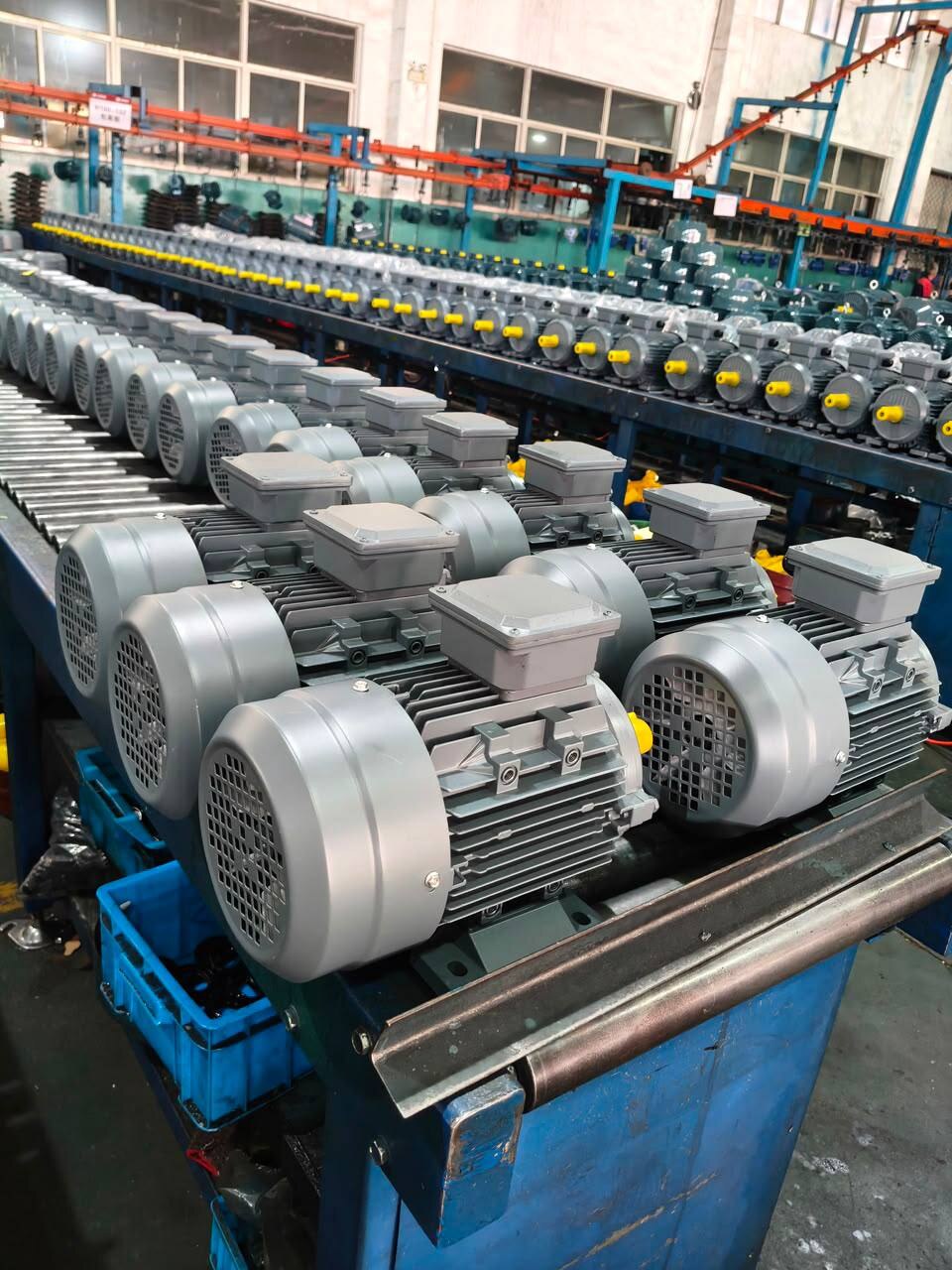
Two frames at 11 kW, identical nameplate values
At HEM Motor, 11 kW is offered at 1,000, 1,500 and 3,000 rpm synchronous speed, and each speed is available with both an aluminium and a cast iron frame. Even though the frame material changes, the model code, IEC frame size, rated current and rated torque stay the same. All six models have IP55 protection, class F insulation and run on a 400/690 V (Δ/Y), 50 Hz supply.
| Model code | Synchronous / rated speed | IEC frame | Rated current (400 V) | Rated torque | Product page |
|---|---|---|---|---|---|
| 160L-6 | 1,000 / 970 rpm | 160L | 22.0 A | 108.3 Nm | Aluminium · Cast iron |
| 160M-4 | 1,500 / 1,465 rpm | 160M | 20.4 A | 71.7 Nm | Aluminium · Cast iron |
| 160M1-2 | 3,000 / 2,945 rpm | 160M | 19.6 A | 35.7 Nm | Aluminium · Cast iron |
The table tells you this: when you replace one of two motors with the same code by the other, nothing needs to change on the panel side. Thermal protection, cabling and the starting arrangement remain the same. The decision rests entirely on the mechanical and environmental conditions the frame must withstand.
Where does the difference appear?
Aluminium and cast iron are two different shells carrying the same electromagnetic parts (stator winding, rotor, shaft and bearings). The shell material determines how the motor reacts to external forces, heat and its surroundings. These differences can be grouped under four headings.
Rigidity and vibration
Cast iron is a heavier and more rigid material; it damps vibration better and resists deformation under repeated loads on the feet. The aluminium frame is light; in applications that run smoothly, are coupled and sit on a steady base, this lightness is an advantage. Where the motor will stand on a constantly shaking frame near a crusher, a screen or a machine with impact loads, cast iron is the safer choice.
Belt tension and shaft load
When an 11 kW motor is connected by belt and pulley, a significant side load acts on the shaft and the bearings. This force is transferred to the frame through the feet and end shields. In belt-driven layouts with frequent tension adjustment and a pulley that overhangs towards the shaft end, the cast iron frame carries this load more comfortably. The aluminium frame can also be used with a pulley; however, the belt must be correctly tensioned, the pulley fitted as close to the motor as possible, and the tensioning bolts must not strain the frame.
Environment and surface
Aluminium does not rust; in humid but chemically neutral environments its surface stays in good condition for a long time. On the other hand, some alkaline cleaning chemicals and salty atmospheres can attack an aluminium surface. The cast iron frame is protected by paint; if the paint is damaged by impact or wear, the surface can rust, so paint damage should be monitored on dusty and damp sites. Whichever material you choose, continuous water jets, heavy chemical vapour and high ambient temperature may go beyond the scope of a standard IP55 motor; state these conditions separately in your order.
Handling and installation
An 11 kW aluminium frame motor is noticeably lighter than its cast iron counterpart. This difference makes work easier where the motor is placed on a platform by hand, removed and refitted often, or hung on a machine by its flange. Lifting and positioning a cast iron frame usually requires planning lifting equipment.
Decision list: which frame under which conditions?
- Consider aluminium: centrifugal pump, fan or packaging machine working in an enclosed and relatively clean area; coupled, properly aligned connection; a motor that is moved often or hung by its flange.
- Consider cast iron: sites with dust, impacts and continuous vibration; heavy belt tension; heavy-duty machines in stone, mining, recycling and woodworking; an installation where the motor will stay on the same frame for years without being removed.
- If you are undecided: look at the frame material and failure history of the old motor. If the old motor cracked at a foot or its end shield seat was damaged, the problem is most likely mechanical load; in that case cast iron makes sense.
A warning: the foot of a motor bolted forcibly onto an uneven base can crack regardless of the frame material. Choosing a frame does not compensate for a poor base.