 English
 Français
 Türkçe
 Español
 Русский
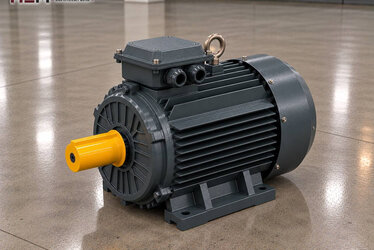
Gang Saw Motor
A gang saw (frame saw) splits a block of marble or granite into many slabs in a single pass by driving a set of tensioned blades back and forth. This page covers the three-phase mo... More Details

A gang saw (frame saw) splits a block of marble or granite into many slabs in a single pass by driving a set of tensioned blades back and forth. This page covers the three-phase mo... More Details

A calibrating machine evens out the thickness of a slab coming from a gang saw or block cutter at every point; a honing and polishing machine then brings that levelled surface to a... More Details

A piece of stone destined to become a worktop, a stair tread, a window sill or a vanity top reaches the customer with its edge on show once it has been cut. The machines that strai... More Details

Before a marble, granite or travertine slab becomes a saleable product, it is divided into strips of a set width and pieces of a set length. Two machines share this work: the strip... More Details

A CNC stone processing machine is a program-controlled machine that uses diamond tools to produce work such as kitchen countertops, sink cut-outs, reliefs, lettering or three-dimen... More Details

Small tiles, mosaic pieces and borders cut from travertine, marble or limestone are put through an antiquing process so that they lose their freshly cut, sharp look and take on the... More Details

A bridge saw is a stone machine whose cutting head hangs from a bridge travelling on two side beams; it cuts marble, granite and engineered stone slabs to size. The other machines ... More Details

A block cutter is known in the Turkish stone trade as the “este”. It turns a raw quarry block straight into slabs or thick slices with large-diameter diamond blades; unlike a gang ... More Details

A slab polishing line is the final station that gives a calibrated marble or granite slab its mirror-like gloss. The line has many heads arranged one after another, each working wi... More Details

Tile and mosaic cutting machines divide a large slab or a narrow strip into the small pieces used for wall and floor cladding, down to mosaic tesserae only a few centimetres across... More Details

Brushing, bush hammering and flaming are three different ways of giving a marble or granite slab a textured, non-polished surface: one ages the surface with abrasive brushes, one r... More Details

The pores, cracks and natural voids of marble and travertine slabs are filled with resin before polishing; on granite and fragile marbles a mesh is often bonded to the back face wi... More Details

In a stone plant, a slab changes place many times between leaving the block and entering the crate: from the gang saw to calibration, from polishing to cutting to size, then on to ... More Details