English
 Français
 Türkçe
 Español
 Русский
 العربية
 Deutsch
 Italiano

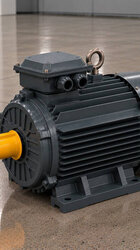
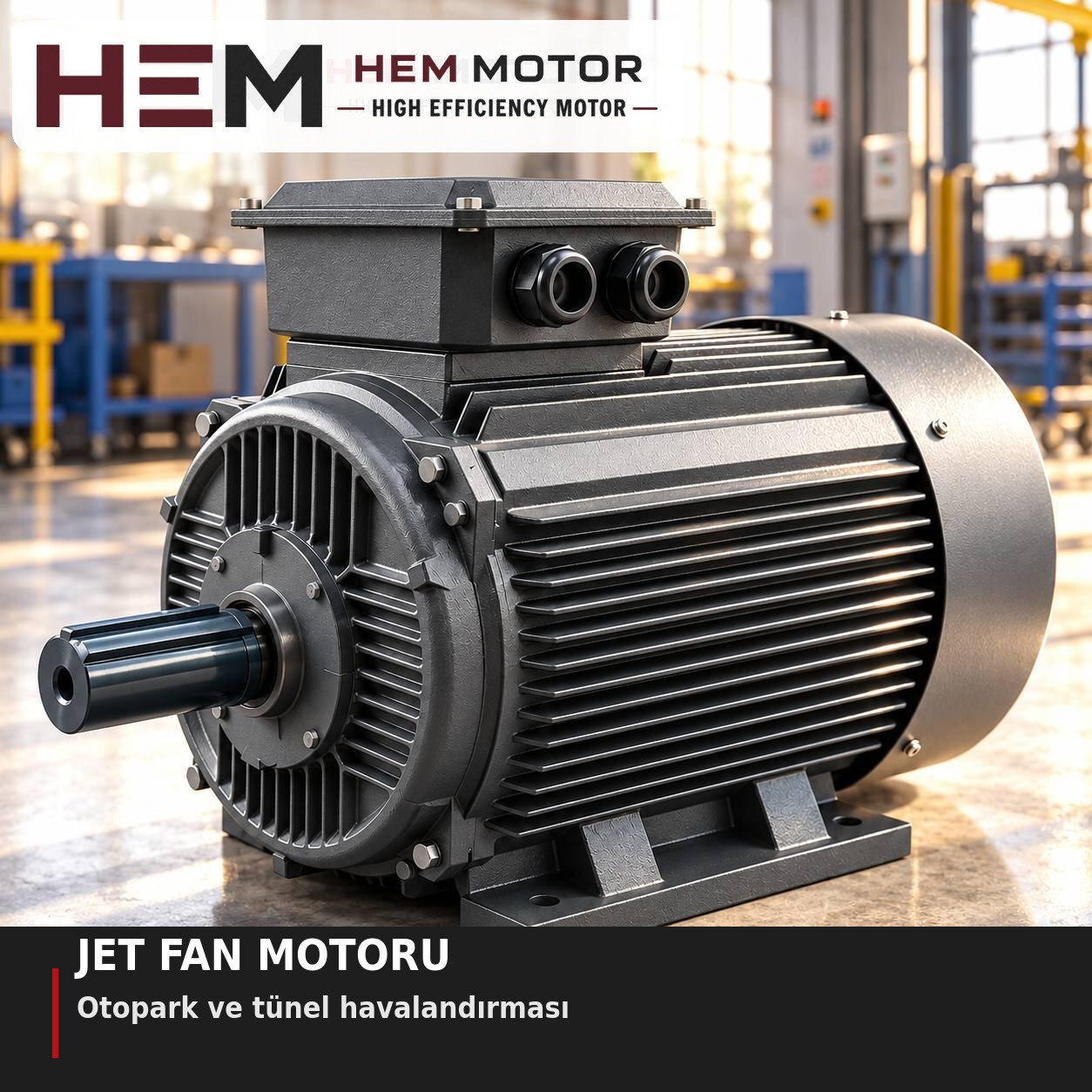

The maintenance interval of an IE5 efficiency-class electric motor is calculated from operating hours, speed and ambient conditions rather than from the calendar, and the spare parts list is built around how much the motor's downtime costs the plant. A high efficiency class does not remove the need for maintenance. A well-planned maintenance routine keeps that efficiency intact in the field.
Does an IE5 electric motor differ from an IE3 motor in terms of maintenance needs?
The mechanical maintenance items are largely the same. Bearing lubrication, cleaning of the cooling path, tightness of terminal connections, insulation resistance and vibration monitoring are done for every efficiency class.
The difference is that, with lower losses, the motor generally runs cooler. As a result, the grease and winding insulation age more slowly.
That advantage only shows in the field if the motor works in the conditions it was designed for. A motor whose fan cowl is blocked with cardboard and whose fins are packed with oily dust will overheat whatever its efficiency class.
A frequent mistake in plants moving to high-efficiency motors is to put the new motor in place without ever reviewing the old one's maintenance plan. For a general overview of the differences between efficiency classes, see the cast iron electric motor range page.
What information is used to calculate the bearing lubrication interval?
For bearings with grease nipples, the lubrication interval is read from the bearing or motor manufacturer's table using bearing type and size, speed, bearing operating temperature and the cleanliness of the environment together. Sealed bearings lubricated for life are not regreased. Maintenance means planning when to replace them.
The table gives a base interval, which is then corrected for conditions. The corrections used most often on site are these (general information; confirm with the bearing manufacturer's instructions):
- For roughly every 15 °C rise in bearing operating temperature, the interval is cut approximately in half.
- With vertical mounting, on a vibrating base or in a dusty, damp environment, the interval is shortened.
- On 2-pole motors, meaning 3000 rpm synchronous speed, the interval is noticeably shorter than on a 4-pole motor in the same frame.
On HEM Motor models, the bearing type, whether grease nipples are fitted and the recommended grease type may vary by frame. Please confirm these details when ordering. If the grease quantity and type are not stated in the motor documents, do not pump in grease by guesswork. Too much grease also heats the bearing.
We have collected the general features of motors in this class on our IE5 Ultra Premium Efficiency Electric Motors page; the efficiency class in which a listed model is supplied is confirmed with the order.
From operating hours to the calendar: worked example
Maintenance intervals are given in hours, but planning is done on the calendar. Annual operating hours are used for the conversion:
Calendar interval (months) = Maintenance interval (hours) / (Daily operating hours × Operating days per month)
Hypothetical example: a base lubrication interval of 8000 hours has been read from the bearing manufacturer's table for a 4-pole pump motor. Because the bearing temperature in the pump room is measured about 15 °C above the table's reference, the interval is reduced to 4000 hours. If the motor runs 22 hours a day and 30 days a month, 4000 / (22 × 30) ≈ 6 months.
If the same motor ran two shifts, 16 hours a day and 26 days a month, the interval would be 4000 / 416 ≈ 9.6 months. That is why the same model can have a different maintenance calendar in two different plants. Redo the calculation every year using the motor's hour meter or the run-hour record in the PLC.
Which measurements should the maintenance plan include, and how often?
Maintenance frequency depends on the motor's duty. Measurements are frequent on motors that run continuously and whose stoppage halts production, and less frequent on auxiliary motors that have a standby. The table below is a starting framework, not mandatory values taken from a standard.
| Check | How it is done | Critical motor | Motor with standby |
|---|---|---|---|
| Frame and bearing temperature | Infrared thermometer or thermal camera, from the same point | Weekly | Monthly |
| Vibration | Vibration meter, three axes at the bearing housings | Monthly | Every three months |
| Phase currents and voltage balance | Clamp meter and voltmeter, each phase separately | Monthly | Every three months |
| Cleaning of the cooling path | Visual check of fan cowl and fins, cleaning with dry air | Monthly depending on environment | Every three months |
| Insulation resistance | Megger, between winding and frame | Once a year and after a long standstill | Once a year |
| Terminal tightness | With a torque wrench after power is isolated and locked out | Once a year | Once a year |
The trend of the measurements matters more than any single value. Record readings taken from the same point under the same load in a table. A bearing temperature that rises slowly but steadily says more than one high reading.