English
 Français
 Türkçe
 Español
 Русский

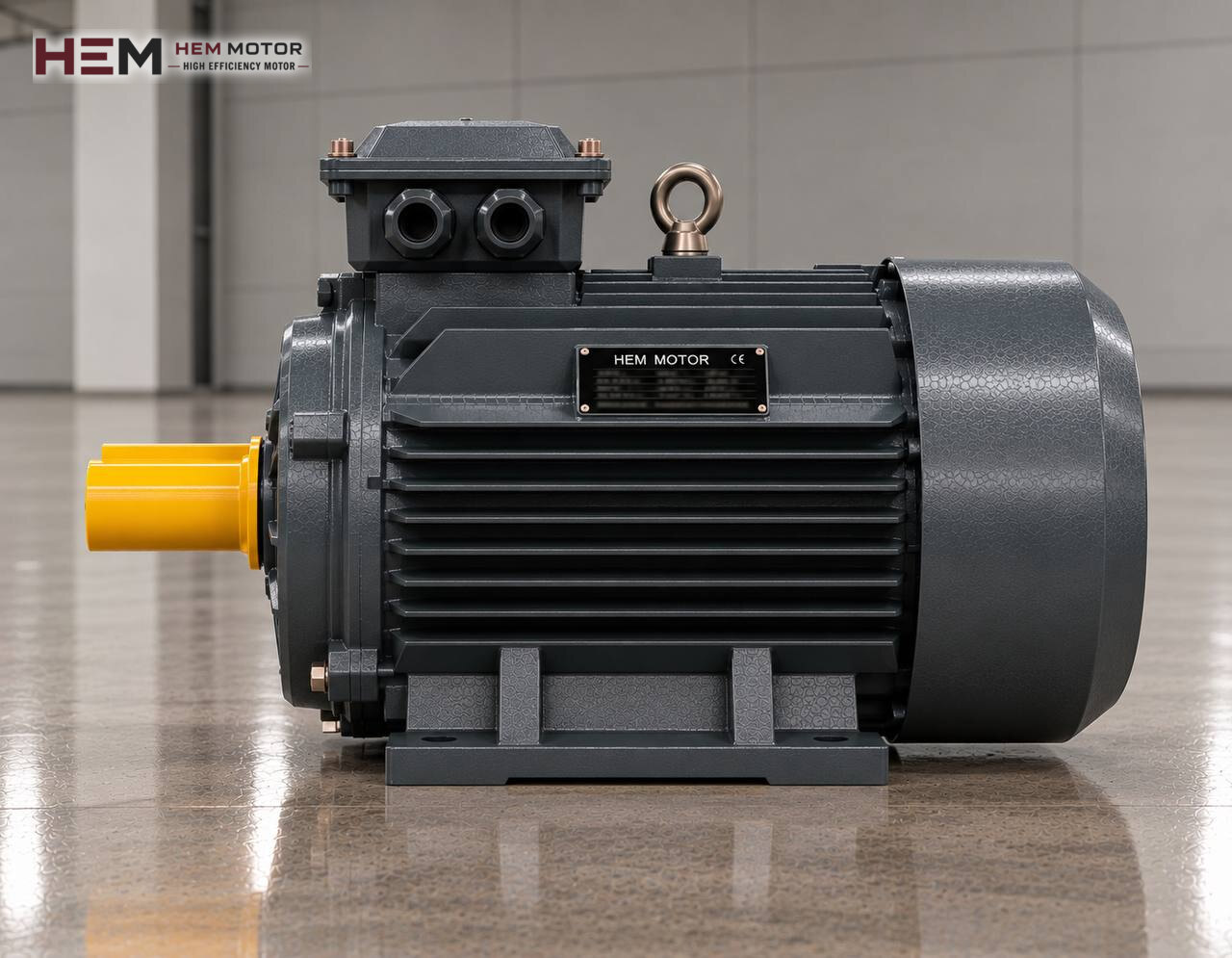
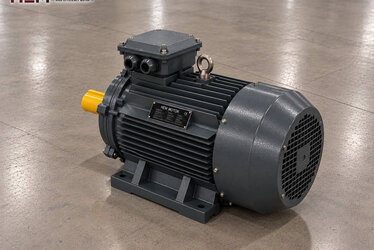
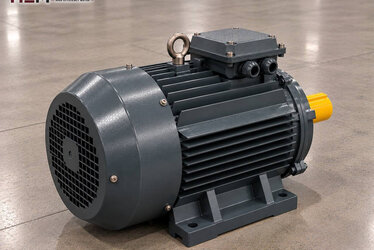
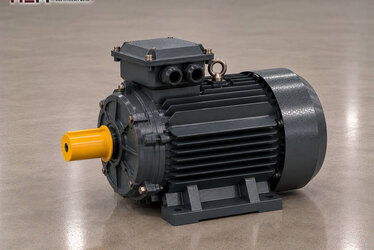
If waste glass bottles, jars and flat glass offcuts are moved without crushing, they take up a lot of space and sorting becomes harder. A glass crushing machine reduces this material to cullet size and prepares it for the following screening and melting stages. This page covers the three-phase motor that drives the machine; for the other machines on site see the waste processing and recycling machine electric motors page.

Mechanisms That Break the Glass
In hammer-type glass crushers, hammers or chains attached to a shaft spin fast and shatter the bottles falling into the hopper. The broken glass leaves through the grate or screen underneath. This type of machine is used mostly for bottle and packaging glass.
In roller crushers two cylinders rotate towards each other and crush the glass as it passes between them. The grain size is changed by adjusting the gap between the rollers. Because it gives a more uniform size, it is preferred for producing blasting media or filler material.
The small bottle crushers used in restaurants and hotels run on a single small motor and drop the crushed glass straight into a drum. Some of these machines are fed from a single-phase supply; our single-phase electric motor series in the 0.18–5.5 kW range can be an option for such small crushers.
The Load on the Motor: Sudden Impacts and a Heavy Rotor
The rotor of a hammer crusher behaves like a heavy mass that stores crushing energy. While the motor brings the rotor up to speed there is a long acceleration time, and the current drawn during this time is high. Once the machine reaches speed, every bottle strike creates a short torque impulse on the shaft.
Dumping a lot of glass into the hopper at once stacks these impulses on top of each other and raises the motor load quickly. If there is an infeed belt, its speed should be matched to the crusher's capacity; on hand-fed machines the operator should wait for the hopper to clear.
On roller crushers the load is smoother, but if a metal cap or a stone gets in with the glass the rollers are suddenly strained. On many machines one of the rollers is mounted on springs or a shear pin; this protection belongs to the machine, not to the motor.
Belt, Pulley and Speed Selection
In most glass crushers the motor turns the rotor through a V-belt. The belt sets the speed ratio and also absorbs part of the impacts. When replacing the motor, if the pulley ratio stays the same you must choose a motor with the same number of poles, i.e. the same speed, as the old one; otherwise hammer speed and grain size change.
Motors in the 1,500 rpm class are common on hammer machines. Slower roller crushers may use a 1,000 rpm class motor or a gear reducer between the motor and the rollers; for geared arrangements the electric motors for gear reducers page offers guidance.
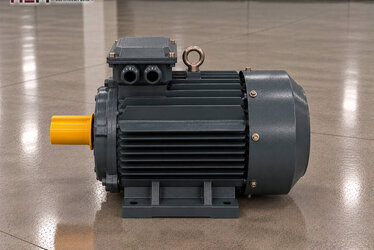
In a belt layout the motor usually sits foot-mounted (B3) on a tensioning slide. Depending on frame size, B3, B5, B14, B34, B35 and vertical V1, V3, V5, V6 and V15 versions are supplied; we confirm the flange and shaft dimensions with you before the order.
Starting Method and Electrical Protection
Because of the heavy rotor, a glass crusher can take several seconds to start. With star-delta starting the torque the motor delivers at first is reduced; this is usually fine with an empty rotor, but lifting a machine that stopped with a full hopper in star becomes difficult. It is therefore a good habit to start the machine with an empty hopper and to empty the hopper before switching off.
The thermal relay setting should be chosen to withstand the long start-up time; otherwise the protection trips while the motor is healthy. On machines that stop and start often during the day or run close to full load, you can request a PTC or PT100 sensor in the winding on order.
A frequency inverter can be used on a glass crusher for a soft start and to adjust hammer speed. Our motors can run on a drive. A motor that will turn slowly under load for long periods may need a separate cooling fan, and when the cable between drive and motor is long a dv/dt or sine filter is considered; add these to your order note. For details see the inverter-compatible electric motors page.
Living with Glass Dust: Bearings, Seals and Cleaning
The fine glass dust produced during crushing is abrasive. When it builds up around the motor it clogs the fan cover grille, covers the fins on the frame and weakens cooling. Even in plants with a dust extraction system, cleaning the area around the motor with dry air or a brush at the end of the shift is recommended.
The seal limits dust entering at the shaft exit. If you notice a change in bearing noise or a rise in frame temperature, stop the motor and inspect it. Placing the motor to the side where less dust reaches it, rather than directly under the crushing chamber, extends its life.
In some plants the glass is washed before or after crushing. A standard IP55 motor is not designed for pressure washing or underwater operation; if the motor is close to the washing area, a protective measure by the machine manufacturer or a special motor is required, so please state this in your order. For machines standing in damp and cold warehouses, an anti-condensation heater is an order option.
Example Motors by Machine Type
| Glass crusher type | Motor's job | Point to check | Example HEM model |
|---|---|---|---|
| Small bottle crusher (venue type) | Turning a light rotor intermittently | Supply type, daily running time | 1.5 kW, 1,445 rpm, 90L-4 |
| Roller glass crusher | Turning the rollers at low speed | Roller gap, transmission ratio | 5.5 kW, 968 rpm, 132M2-6 |
| Hammer glass crusher | Accelerating a heavy rotor and carrying impacts | Start-up time, pulley ratio | 11 kW, 1,465 rpm, 160M-4 |
| Belt-fed line crusher | Keeping the rotor at speed under continuous feed | Shift length, feed rate | 30 kW, 1,475 rpm, 200L-4 |
The rows are examples prepared to give an idea; the right motor depends on the crusher load, the required speed, the mounting arrangement and the environment it works in. The powers reflect the range commonly found on this kind of machine; compare them with your current motor's nameplate. For larger powers you can browse the cast iron frame motor list.
What Your Order Message Should Include
So that we can suggest the right motor for your glass crusher, send the following in one message: machine type (hammer, roller, bottle crusher), motor power in kW, speed, the voltage at your site (three-phase or single-phase), mounting arrangement and the quantity you need. Add the pulley diameters if you know them.
If the nameplate is readable, one photo is enough; follow the steps on the find an equivalent motor from a nameplate photo page. Models and current prices are in our motor shop; WhatsApp and phone details are on the contact page.
Frequently Asked Questions
My glass crusher trips the thermal relay on start-up; is the motor too small?
Not always. A heavy rotor takes a long time to accelerate, and if the thermal relay is not set for that time the protection opens early. First check that the start is made with an empty hopper and check the relay setting; if the problem persists, write to us with the motor's nameplate values.
Can I fit a 3,000 rpm motor to increase hammer speed?
It is not recommended without the machine manufacturer's approval. The rotor, hammers and bearings are designed for a specific speed; increasing the speed raises centrifugal force. To change the grain size, the screen or grate is usually replaced.
Can a small bottle crusher use a single-phase motor?
Yes. If only single-phase supply is available at the venue, a single-phase motor option in the 0.18–5.5 kW range is considered. For model and price, contact us with the machine's nameplate data.
How much does glass dust harm the motor?
If dust builds up on the frame and the fan grille the motor runs hotter; dust entering at the shaft exit shortens bearing life. Regular cleaning and placing the motor away from the dust greatly reduce this effect.