 English
 Français
 Türkçe
 Español
 Русский
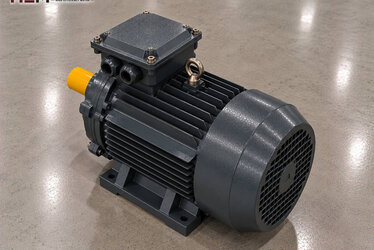
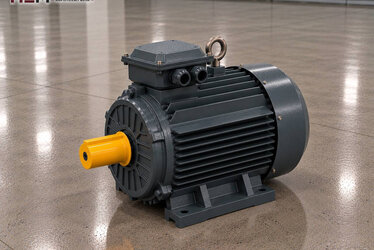
Concrete Block and Paving Stone Machine Motor
Machines that press concrete blocks, pumice blocks, paving stones and kerbs are the concrete-based branch of the group we describe in general terms on our brick, tile and ceramic p... More Details

Machines that press concrete blocks, pumice blocks, paving stones and kerbs are the concrete-based branch of the group we describe in general terms on our brick, tile and ceramic p... More Details
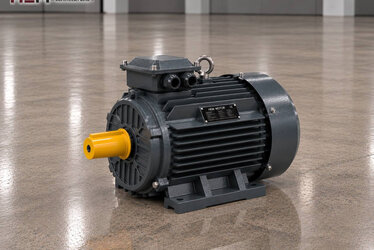
The vacuum press is the machine that turns clay from a plastic mass into a shaped column and is regarded as the heart of the brick and roof tile line; we summarised the whole line ... More Details
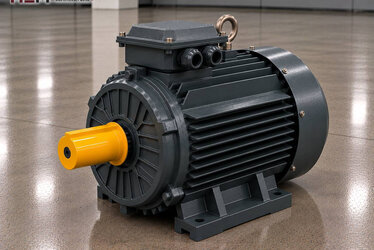
Clay from the pit must first be broken up and refined before it can become a brick or a roof tile; this work is done by the roller machines in the preparation section. You can take... More Details
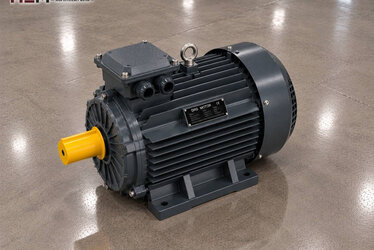
Green bricks and tiles leaving the press must lose most of their water before entering the kiln; if this water is not removed slowly and evenly, the product cracks or warps. In the... More Details
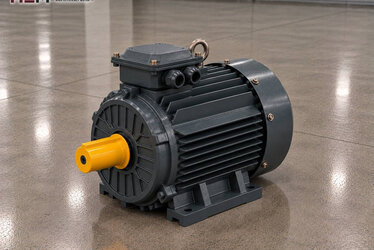
If roots, gravel, pieces of limestone or large clods remain in the clay, a brick tears when it is cut and bursts in the kiln. The rotary screen in the preparation section separates... More Details
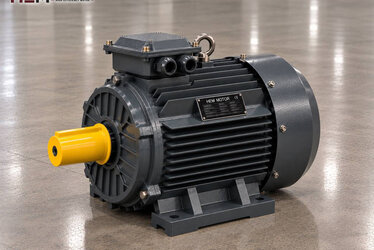
After passing through the crusher and the rollers, clay is still not a uniform body; its moisture varies from place to place, and additives such as sand, ash or sawdust are not yet... More Details
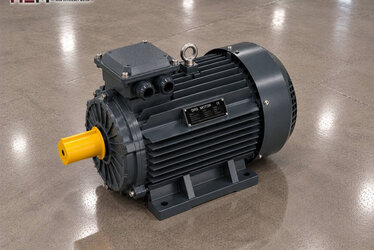
In a brick and tile plant, the head of the preparation line is where clay and additives are first measured in a set proportion and fed into the line. This job is done by the box fe... More Details
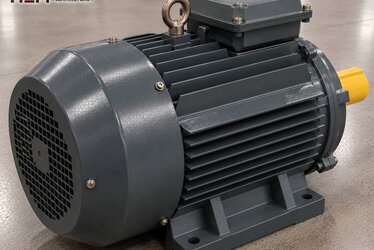
The clay leaving the extruder mouth travels over a roller table as one continuous column; tensioned steel wires divide it into brick or tile lengths. On a wire cutting machine the ... More Details
Green bricks leaving the cutter travel one by one on a belt; before they can enter the kiln they must first be placed on drying racks and, once dry, set onto kiln cars in a fixed p... More Details