English
 Français
 Türkçe
 Español
 Русский
 العربية
 Deutsch
 Italiano

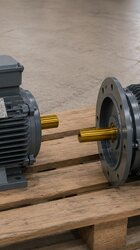
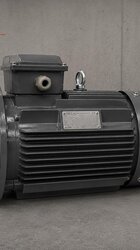
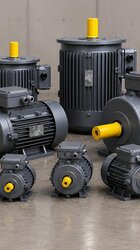
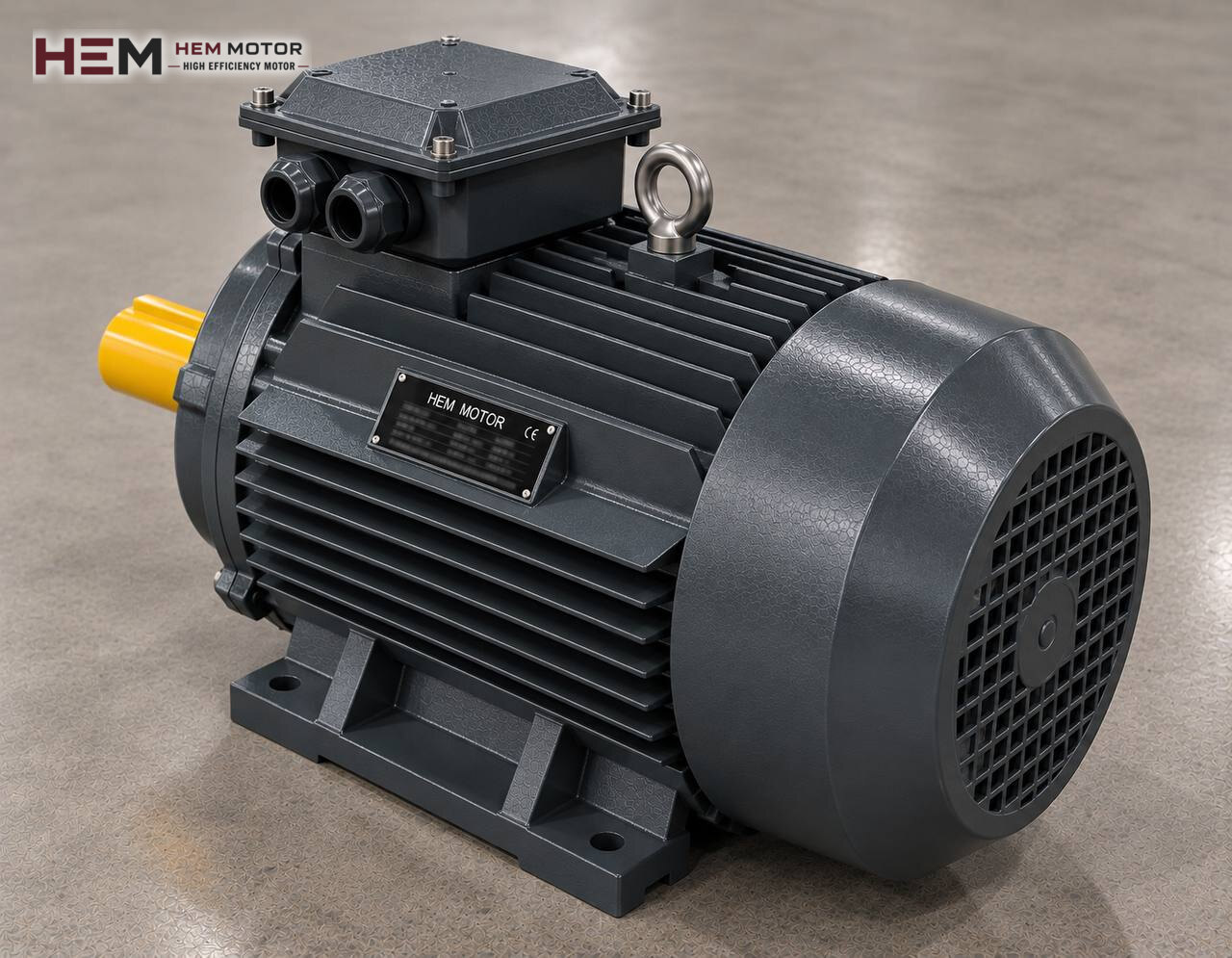

When an electric motor is started for the first time at sub-zero temperatures, three things need checking: winding insulation resistance and any moisture or ice inside, bearing grease thickening in the cold, and the extra torque the load demands at start-up. If the motor has just come out of storage or has stood on a cold site for a long time, it is not put straight onto full load; it is measured first, warmed if possible, then tried briefly with no load or a light load.
Which parts of the motor are affected by sub-zero temperatures?
Cold stresses the mechanical side of the motor far more than the electrical side. Copper and the lamination stack are hardly affected by low temperature; what needs attention is the grease, the seals, the plastic fan and moisture inside the frame.
Grease thickens as it cools. At start-up the bearing balls have to push through thick grease, friction torque rises and the bearing heats up more than normal in the first minutes. Some standard greases lose much of their fluidity below a certain temperature; whether a low-temperature grease is needed is decided by the ambient temperature (general information; confirm with the motor and grease manufacturers).
Rubber seals and V-rings harden, and sealing is temporarily reduced. Plastic fans become brittle; a spanner that hits the fan during installation would leave no mark in summer but can break off a blade in winter.
Why are moisture and ice inside the biggest risk?
In a store that warms by day and freezes by night, the air that enters the motor condenses every time it cools. Water collects at the bottom of the winding and inside the frame, freezes at night and thaws by day. Weeks later you have a motor whose winding insulation is damp and that has ice crystals in its lower part.
Energising this motor directly raises the risk of a flashover between winding and frame. Frozen drain holes also stop water from running out; when the ice melts, water can find its way into the terminal box or bearing housing.
The signs are simple: a thin layer of ice or condensation on the outside of the frame, droplets inside when the terminal box cover is opened. If either is seen, the motor is not started without measuring.
Which measurements are taken before the first start?
The first job is to measure winding insulation resistance with a megger. The measurement is made with the motor disconnected, between each phase and the frame, at a suitable test voltage. The result is affected by temperature; the reading is written in the log together with the ambient temperature.
Then the following checks are made in order:
- The shaft is turned by hand; it should turn stiffly but smoothly. Sticking, jumping or a rubbing noise points to a bearing or ice problem.
- Drain holes are opened; if there are plugs, they are removed to check for water and then refitted.
- The terminal box is checked for moisture, loose links and the sealing of the cable gland.
- The inside of the fan cover is checked for snow or ice build-up.
- Supply voltage and phase sequence are measured; on cold mornings voltage can be low on some sites.
If insulation resistance is low, the motor is dried. Drying is done with the anti-condensation heater, by blowing warm air, or by heating the winding with a controlled low voltage; which suits depends on motor size and what is available on site. The topic is covered more broadly in the article on commissioning and first start-up checks.
How do starting torque and current change in the cold?
The motor's own starting torque hardly changes in the cold. What changes is the torque the load demands.
An example: on a site that drops to minus fifteen overnight, the run-up time of a screw conveyor started first thing in the morning can become clearly longer than the few seconds it takes in summer. The motor is the same motor; the extra time is due to thickened gearbox oil and material frozen inside the screw.
Gearbox oil, thickened fluid inside a pump, a frozen conveyor belt or a screw filled with snow demand much higher torque than normal at start-up. Even if the motor can deliver that torque, acceleration takes longer and starting current stays high for longer. The thermal relay may see this long current as an overload and trip.
Enlarging the motor is not the first answer here. First the load side is warmed or emptied: low-temperature oil goes into the gearbox, belts and screws are cleared of snow, and the pump fluid is kept from freezing. With star-delta starting under a heavy cold load the motor may not accelerate enough in star; on site this shows up as a large current surge at the changeover to delta.