English
 Français
 Türkçe
 Español
 Русский

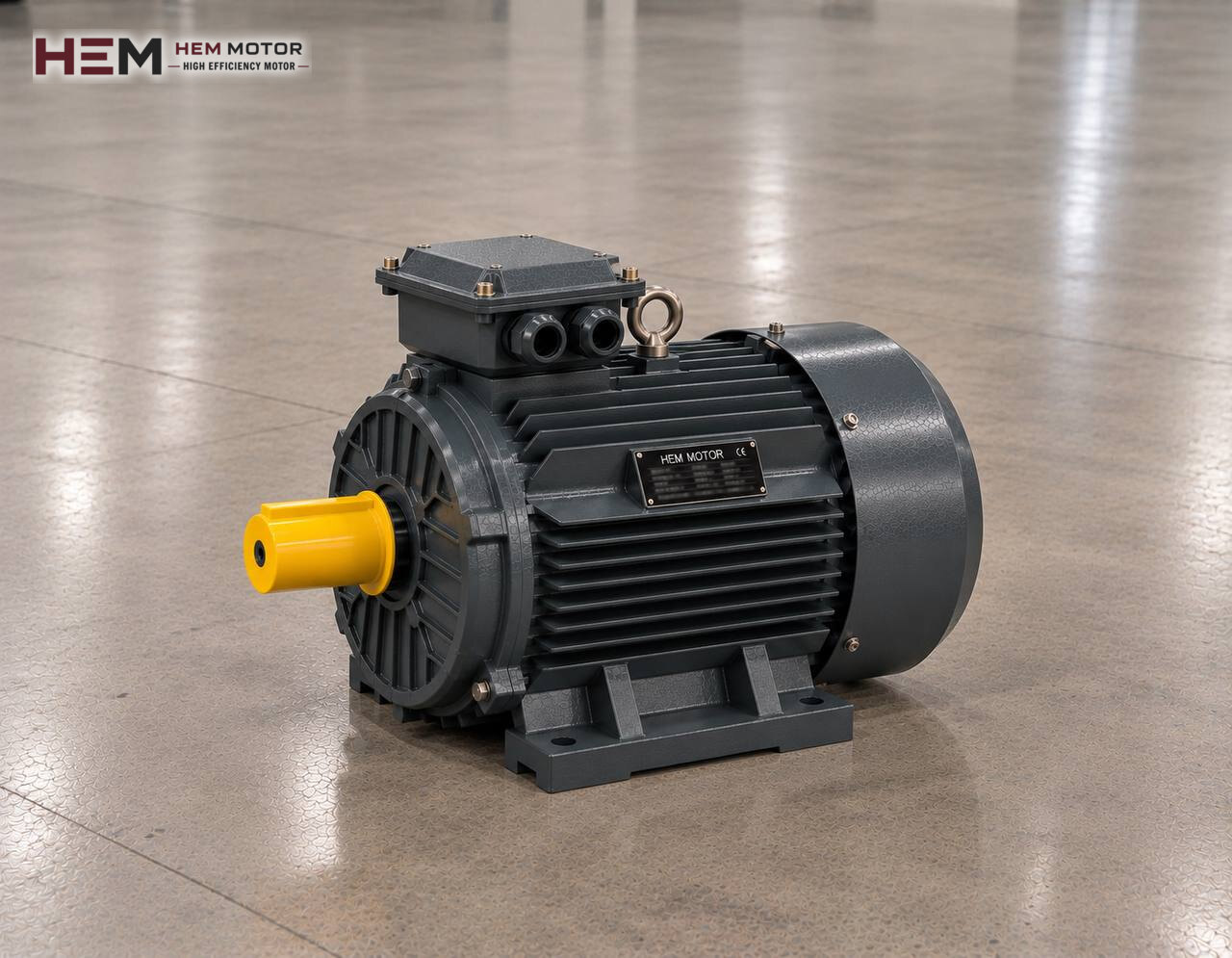
Unlike fixed elevators in a factory, an agricultural elevator works on the farm, at the threshing yard or in a village store, lifting grain, bales or sacks from a point near the ground into a trailer, a granary bin or the upper floor of a hay barn. It is usually mounted on a wheeled chassis, works seasonally and takes its power from a long extension cable. This page covers the motor of these machines; for other machines used in agriculture see the agricultural machinery electric motors page.

Types of elevator used on the farm
Bale and sack elevator
Tines on a chain running along an inclined cage or trough carry straw bales, alfalfa bales or sacks placed at the bottom upward. It is used to fill the upper floors of hay barns and stores. The angle of inclination is adjustable; most models are moved by pushing them by hand.
Portable grain auger
An auger turning inside a long tube takes grain from the threshing floor or a ground pile and delivers it into a trailer or the top of a small silo. It is one of the first machines that comes to mind when "elevator" is said in agriculture; tube length and angle vary greatly from machine to machine.
Small bucket elevator
Next to farm silos and drying setups there are small bucket elevators with sheet-metal casings. They are scaled-down versions of factory-type elevators; the drive is at the top, on the head pulley.
Motor load depends on angle and fill
In an agricultural elevator the motor's job is to lift the load to a given height while overcoming friction in the chain, belt or auger. As the angle steepens, the lifting share grows; in augers, grain slides back at steep angles, so achieving the same throughput needs more torque. The difference between a long and a short tube is not only height: the longer the tube, the more friction in the auger and bearings.
A peculiarity of farm use is that the load arrives irregularly. Bales are placed on a bale elevator at intervals; the intake of a grain auger fills as it is buried in the pile and empties as the pile shrinks. The motor therefore swings frequently between empty and full. An elevator run at the right load and angle handles these swings without trouble; problems begin when the auger intake is buried too deep in the pile or bales are stacked on top of each other.
Rural supply: long cable and voltage drop
The biggest difference from factory elevators is where the power comes from. A long, thin cable run to the threshing yard or store causes a noticeable voltage drop at the moment of starting. When voltage drops, the motor's starting torque drops too; a full auger or a loaded bale chain cannot start, the motor hums and the protection trips. Choosing the cable cross-section according to motor power and distance is as important as choosing the motor.
Where three-phase power is not available, our single-phase electric motor range covering 0.18–5.5 kW is an option for small bale elevators and short augers. The starting behaviour of a single-phase motor depends on its capacitor arrangement; state it in the order for a machine that needs to start loaded. On farms with three-phase supply, a three-phase motor is more comfortable both at start-up and in continuous running.
Outdoor use, seasonal work and storage
An agricultural elevator works intensively for a few months of the year and waits in a corner of a barn or shed for the rest. For the motor, the dangerous period is often this waiting time: moisture settles in the winding and bearings; mice and insects nest inside the fan cover. Before running the motor at the start of the season, opening and cleaning the fan cover and having the winding insulation measured on motors that have stood for a long time is a good habit.
The IP55 frame is protected against dust and splashing water, but it is not suited to being left outdoors in the rain or sitting in mud. If the elevator stays in the field, a shield should be built over the motor, and for vertical shaft-down mounting a rain cover should be specified in the order. For long idle periods in damp stores, an anti-condensation heater is an order option. Straw fragments in threshing dust catch on the motor's cooling fins and block cooling; cleaning the frame when the job is done extends its life.
Connection and mounting
On bale elevators the motor usually sits on a bracket at the lower end and pulls the tined chain through a gearbox or chain sprocket. On portable augers the motor is either at the lower end with a belt or at the upper end directly on the auger shaft; a motor at the upper end changes the machine's weight balance and needs care during transport. On small bucket elevators the drive is again at the top. HEM motors are supplied in B3, B5, B14, B34, B35 and vertical V1, V3, V5, V6, V15 arrangements depending on frame size; shaft diameter and flange size are checked together at the order. For the gearbox side, the electric motors for gearboxes page helps.
On portable machines the cable entry and terminal box are exposed to knocks. Make sure the cable gland is tight and the cable is laid without strain; do not run the motor loaded before checking the direction of rotation.
Example HEM models for agricultural elevators
On a short bale elevator the 1.1 kW 90S-4 delivers 7.27 Nm at 1,445 rpm; the light aluminium frame suits a portable chassis. For a medium grain auger the 3 kW 100L2-4 (1,450 rpm, 19.8 Nm), and for a longer, steeper auger the 5.5 kW 132S-4 (1,460 rpm, 36 Nm) are models worth looking at. For a fixed small bucket elevator beside a silo, the cast iron 7.5 kW 132M-4 produces 49.1 Nm at 1,460 rpm.
| Elevator type | Load and operation | Point to watch in selection | Example HEM model |
|---|---|---|---|
| Bale and sack elevator | Intermittent load, geared chain | Portability, outdoor use | 90S-4, 1.1 kW |
| Medium portable grain auger | Variable fill, belt | Cable cross-section, loaded start | 100L2-4, 3 kW |
| Long, steep auger | High friction, slip-back | Torque reserve, angle | 132S-4, 5.5 kW |
| Small bucket elevator beside a silo | Continuous lifting, fixed | Cast iron frame, rain cover | 132M-4, 7.5 kW |
| Small elevator on single-phase supply | Short, light | Single-phase range, capacitor arrangement | 0.18–5.5 kW single-phase |
The models are for guidance only; the final choice is made according to the machine load, required speed, mounting and operating conditions.
What to write in a motor request
Write the elevator type (bale, auger, bucket), its length and steepest working angle, the product carried, the power (kW) and speed (rpm) of the existing motor, the voltage on site (single-phase or three-phase), the mounting type, pulley, gearbox or flange details and quantity. If the old motor's nameplate is readable, the steps on the send a nameplate photo page are enough.
Current prices are on the buy electric motors page. To reach us by WhatsApp or phone, use the contact page.
Frequently Asked Questions
The auger runs empty but cannot start full; is the motor too weak?
Not always. A long, thin cable drops the voltage at the moment of starting and the motor's torque falls. First have the voltage measured at the motor terminals during start-up; if the cable cross-section is insufficient, a bigger motor will not solve the problem.
Can I start a motor that waited in the store all winter straight away at the start of the season?
First open and clean the fan cover and turn the shaft by hand to check the bearings. If it has stood for a long time in a damp store, it is safer to have an electrician measure the winding insulation.
Is a single-phase motor enough for a bale elevator?
Single-phase motors are common on short, light bale elevators; our range covers 0.18–5.5 kW. If the elevator is long, steep or needs a loaded start, a three-phase motor works more comfortably.
Can I move the motor from the upper end of the auger to the lower end?
That is a machine design change; the auger shaft, bearings and belt arrangement must be built for it. On the motor side we can only match speed and shaft size; assess the change together with the machine builder.