English
 Français
 Türkçe
 Español
 Русский
 العربية
 Deutsch
 Italiano

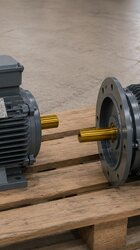
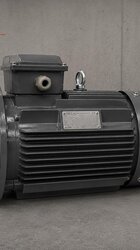
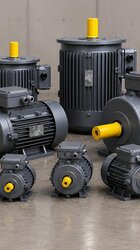
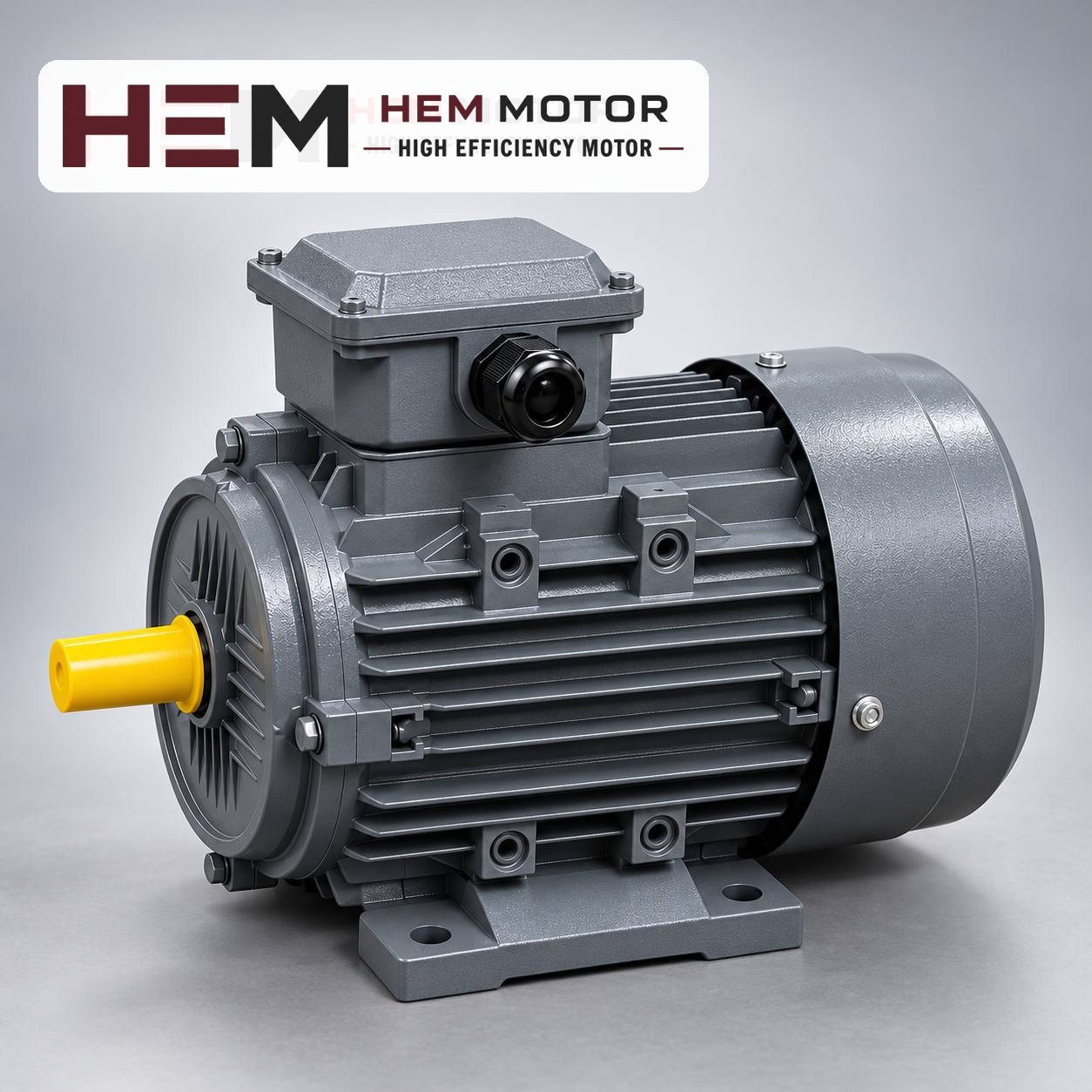

Finding spare parts for an electric motor from its serial number and production data means reading the serial number, year of manufacture, type code and mounting arrangement on the nameplate together, and using the manufacturer's records to establish which bearing, seal, fan, fan cowl, terminal box and end shield the motor was built with. A serial number is not a parts list in itself; but it is the most reliable key for telling apart the versions of the same type code that have changed over the years. If the nameplate cannot be read or there is no record, the job comes down to dismantling, measuring and photographing the motor's own parts.
Which field on the nameplate determines the part?
A motor nameplate usually shows the manufacturer's name, type code, serial number, year or week of manufacture, power, voltage, current, speed, frequency, IP and insulation letter, and mounting arrangement. For spare parts these fields are not of equal value. Two motors with the same power and speed may have different bearings, fans or end shields, because the manufacturer may have changed the frame, the casting mould or the supplier over the years.
The type code tells you the motor's family and frame size; the serial number shows which production batch of that family it belongs to. Many manufacturers embed the year, week or factory code in the first digits of the serial number. Decoding this structure requires the manufacturer's documentation. The rule differs between brands.
How is the serial number decoded step by step in the field?
- Clean the nameplate and take a straight-on photo without reflections; if necessary, take a pencil rubbing on paper.
- Write the type code, serial number and production date on separate lines; take care not to confuse letters and digits (O and 0, I and 1).
- Note the mounting arrangement (B3, B5, B35, etc.) and flange information; these fields directly affect the end shield and flange part.
- Record secondary labels on the frame, raised numbers on the casting and markings on the bearing cover.
- Send the information to the manufacturer or supplier and ask for the part number in writing.
- Before fitting the new part, place it next to the old one and compare them.
The production date is particularly important. Bearing type, seal material or terminal box design usually change after a certain date. Of two motors with the same type code, the end shield of the older one may not fit the newer one; the serial number is the quickest way to make this distinction.
What if the nameplate is gone and there is no record?
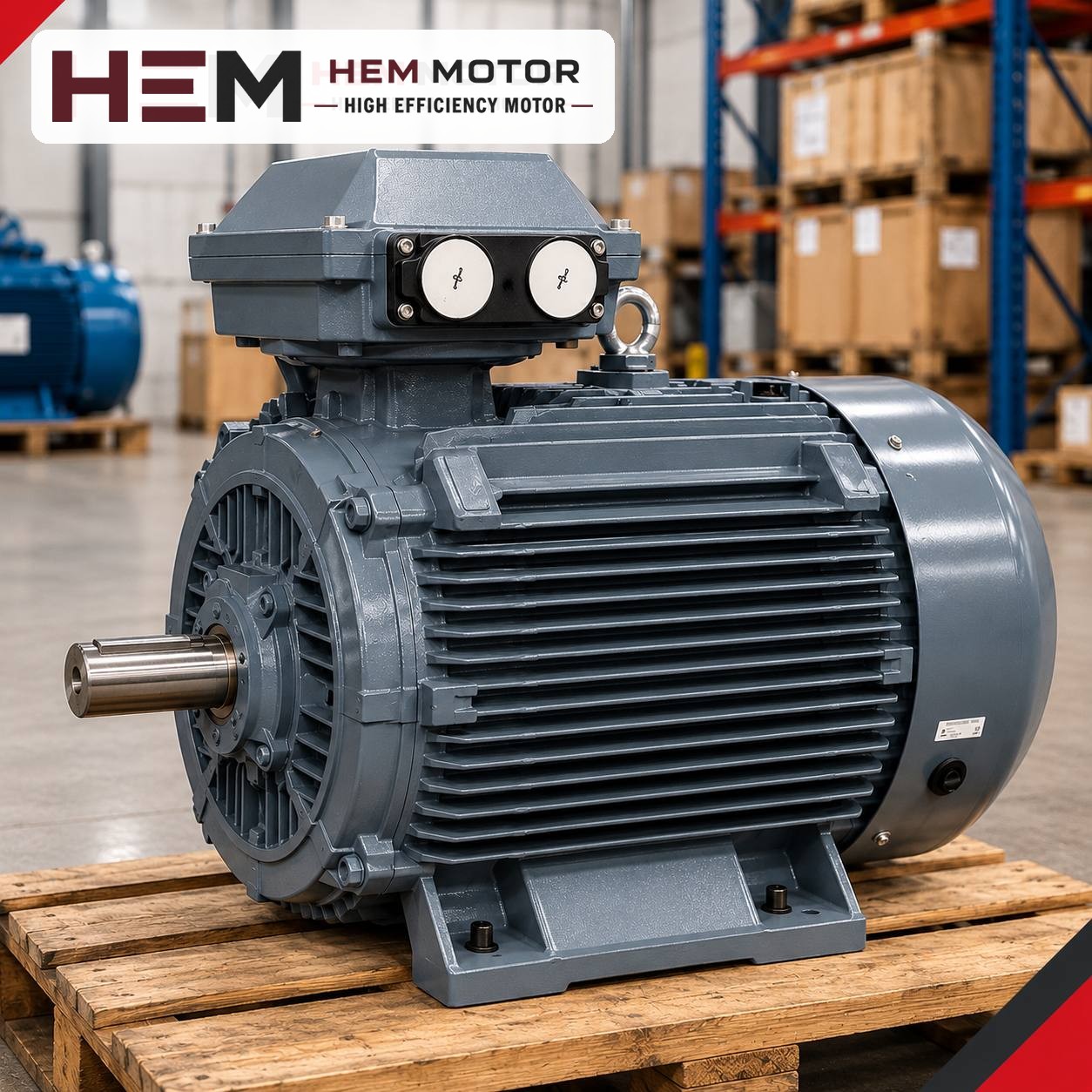
On a painted-over, corroded or lost nameplate the serial number cannot be reached. In that case the motor itself is the source of information. Bearings carry their bearing code; the inner and outer diameter and width of the seal can be measured with a calliper; the way the fan hub sits on the shaft and the number of blades can be documented with photos.
Raised casting marks on the frame, the hole spacing between the feet and the shaft height above the floor make it possible to estimate the IEC frame number. The IEC frame number is the first piece of compatibility information; compatibility is confirmed by comparing mounting type, shaft diameter/length, foot hole spacing, flange and electrical values. You can compare dimensions by frame on the 2D technical drawings page.
Points to watch when measuring
- Before removing a bearing, mark which side it is on (drive end or fan end).
- Take the seal dimension from the metal or rubber body, not from the worn lip.
- For the fan cowl, record the diameter where it seats on the frame and the position of the screw holes.
Which information should be checked first for each part?
| Part | Information to check first | Method if there is no record |
|---|---|---|
| Bearing | Manufacturer list by serial number and production date | Read the code on the bearing |
| Shaft seal | Type code and mounting arrangement | Measure inner diameter, outer diameter and width |
| Fan | Frame number and number of poles | Hub shape, number of blades, outer diameter |
| Fan cowl | Frame number and production period | Seating diameter and screw holes |
| Terminal box and cover | Design version by serial number | Screw spacing and cable entry size |
| Flange or end shield | Mounting arrangement and flange type | Spigot diameter and hole circle |