 English
 Türkçe

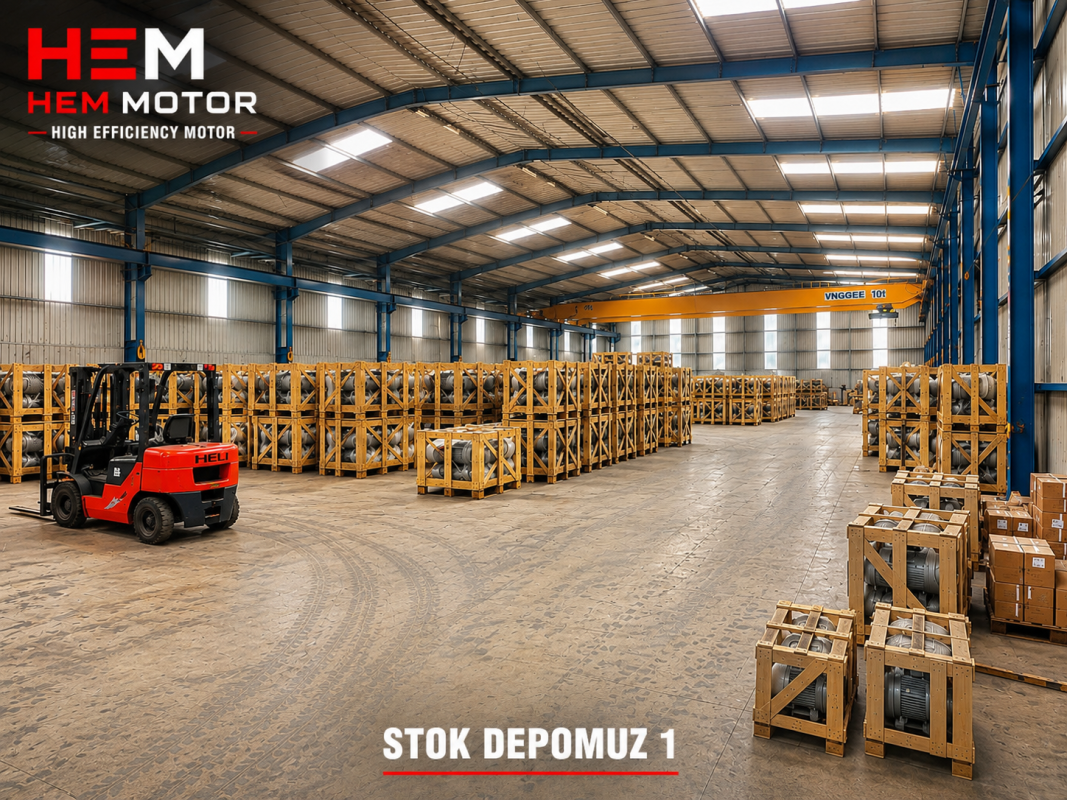
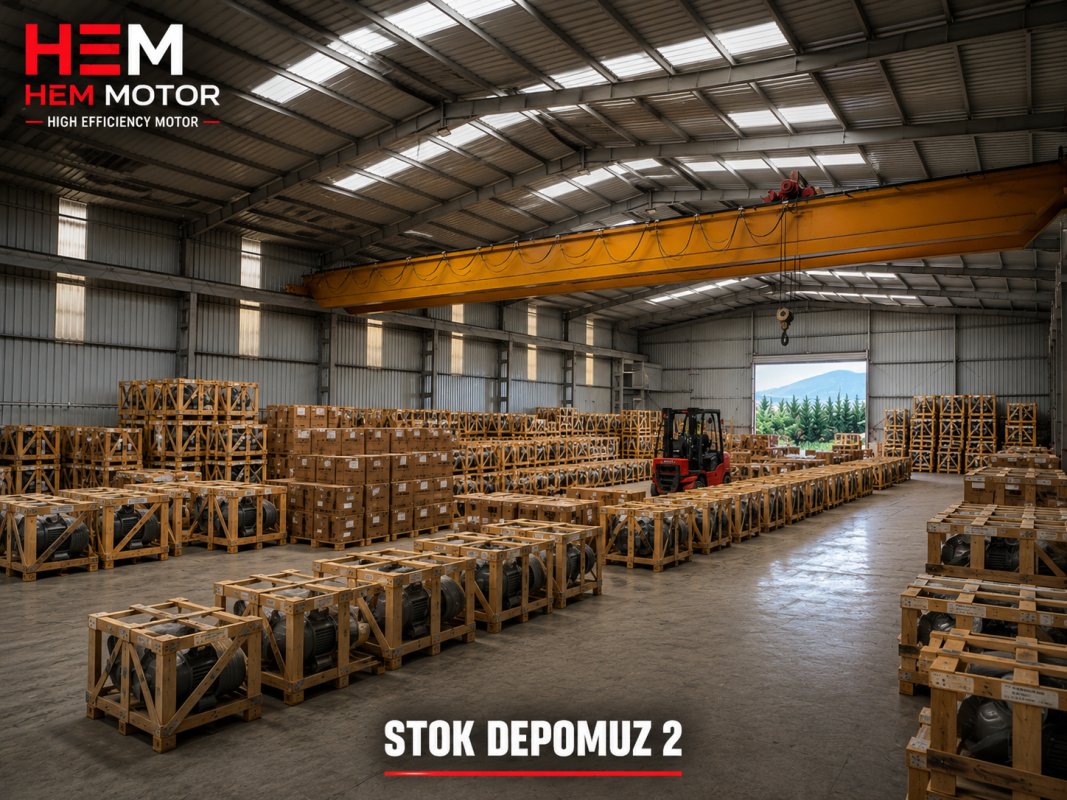
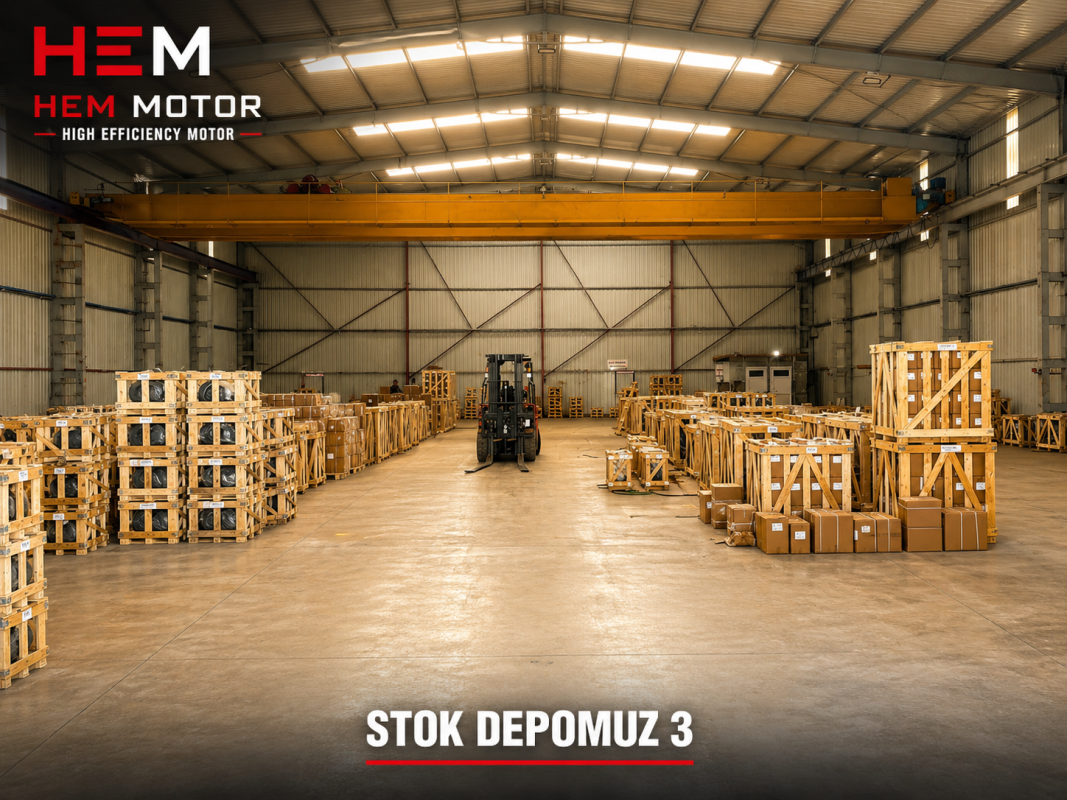
The most frequently chosen power range in industrial plants and equipment investments is small and medium duty. The majority of pumps, fans, conveyors and gear units operate between 1.5 kW and 2.2 kW. For this reason, the 1,5 kW IE4 motor and the 2,2 kW elektrik motoru are among the most requested super premium efficiency motors in both new plants and retrofit projects. Because the IE4 efficiency class delivers the same shaft power while drawing less electricity, it pays back quickly in continuously running small-power applications. As a manufacturer and seller, we supply these motors from stock and deliver them with the correct pole, frame and mounting configuration.
In this article we cover the speed options, frame sizes, mounting types, body material, winding and protection features, plus the stock and supply advantages of the kucuk guc IE4 motor group. Our goal is to clarify which pole and frame combination suits your application and to help you obtain an accurate quotation quickly. For current elektrik motoru fiyatlari and stock status, you can contact our product team.

Why 1.5 kW and 2.2 kW Are the Most Common Small Powers
The two most widely used power values in the field are 1.5 kW and 2.2 kW. The main reason is that these powers cover a very broad application range, including centrifugal pumps, exhaust fans, small conveyor belts, mixers and geared drive systems. A single plant may contain dozens of motors of this size, which makes both spare-part management and energy consumption important. While an efficient motor choice may look like a small saving on its own, the total operating cost difference becomes significant when many units run continuously.
The IE4 super premium class produces the same rated power with lower losses. Especially in pump and fan applications that run many hours a day, it provides a visible reduction in annual electricity consumption compared with a lower-efficiency motor. Therefore the 1,5 kW IE4 motor and 2,2 kW elektrik motoru choices should be evaluated not only by initial investment but by total cost of ownership across the service life.
Speed and Pole Options: 2, 4 and 6 Pole
In small-power motors, speed is determined by the number of poles. On a 50 Hz supply the synchronous speeds are roughly 3000 rpm at 2 poles, 1500 rpm at 4 poles and 1000 rpm at 6 poles. In asynchronous motors the actual speed is slightly below these values due to slip. The correct speed selection depends on the shaft speed required by the application and the drive characteristic.
4 Pole (1500 rpm) Is the Most Common Choice
Four-pole motors are the most stocked and most frequently requested type in the small-power group. A speed of around 1500 rpm offers an ideal balance for pumps, fans and gear-unit inputs. For this reason, 1.5 kW and 2.2 kW four-pole models are usually stock items that can be delivered quickly.
2 Pole (3000 rpm) and 6 Pole (1000 rpm)
Two-pole high-speed models are preferred for high-flow pumps and certain blower applications. Six-pole low-speed models stand out in mixer and conveyor applications that need low speed and high torque. For a deeper comparison on pole selection, review our guide on 2, 4, 6 pole motor selection. To clarify the relationship between power and speed, our article on HP versus kW motor power is also helpful.
Frame Sizes: Generally 90 and 100 Frame
In small-power IE4 motors, the frame size varies with both power and pole count. As a general approach, 1.5 kW motors at 1500 rpm are generally in the 90 frame class, while 2.2 kW motors at 1500 rpm are generally in the 100 frame class. For lower-speed (6 pole) models the frame may step up one size for the same power, and for higher-speed (2 pole) models the frame may stay smaller. These values are general guidance only; the exact frame code depends on the motor type and manufacturer and must be confirmed before ordering.
Frame size is critical for mechanical fit because it directly affects foot hole spacing, shaft diameter and flange dimensions. When retrofitting an existing motor, an exact match of frame size and mounting type is important for the installation and for coupling and gear-unit compatibility.

Mounting Types: B3, B5, B14 and B35
In small-power motors the mounting form is chosen by application and must be defined clearly before delivery:
- B3 (foot mounted): Classic footed body, bolted to pump and fan bases. The most common stock form.
- B5 (large flange): Front flange connection, suitable for gear units and direct coupling.
- B14 (small flange): Threaded small flange, preferred for compact gear units and pump sets.
- B35 (foot and flange): Combined foot and flange connection, used in drives that need extra rigidity.
For the correct motor choice in geared systems you can review our electric motors for gear units group, and for all IE4 options see our IE4 electric motors page.
Aluminium or Cast Iron Body
For small powers such as 1.5 kW and 2.2 kW, the body material is generally aluminium. An aluminium body is light, dissipates heat well and simplifies installation; it is sufficient for the vast majority of standard industrial applications such as pumps and fans. A cast iron body is preferred in environments with heavy mechanical stress, vibration and impact risk, as well as in more demanding sites.
The most stocked type in the small-power group is the aluminium-body, 4-pole, B3 or B5 mounted model. For special applications that require a cast iron body, the supply time may vary, so sharing the project in advance helps with proper planning.
Winding, Insulation and Protection Class
In the IE4 motors we offer, electrical performance and durability are prioritised:
- 100% copper winding: Provides low losses, low heating and long life; essential for maintaining the efficiency class.
- IP55 protection: Protection against dust and water jets; suitable for dusty and humid industrial environments.
- Class F insulation: Offers high temperature resistance and a wide operating range.
- S1 continuous duty: Suitable for uninterrupted, continuous load; ideal for 24/7 applications such as pumps and fans.
When these features come together, small-power motors run stably and efficiently even in demanding conditions. Particularly in continuously running units, the low losses of the IE4 class reduce both the energy bill and the heat load.
Energy Savings and the Payback Logic
In a small-power motor the difference in efficiency class may look small at first glance, but as the annual run time grows this difference accumulates into a meaningful amount. In a pump or fan motor that runs many hours a day on most days of the week, a higher-efficiency IE4 model draws less electricity than a lower-efficiency alternative. This saving repays the difference in purchase cost over a certain period. In continuously running applications this payback period shortens, so starting directly with IE4 in new investments also makes financial sense.
In addition, low-loss operation keeps the motor cooler. A lower operating temperature both extends insulation life and reduces the heat load on surrounding equipment. Thus the IE4 choice indirectly improves not only the electricity bill but also the maintenance frequency and failure risk. In the small-power group, these advantages turn into a plant-wide total gain when many units are involved.
Efficiency Regulation and the IE4 Choice
Under the European Ecodesign regulation 2019/1781, phased requirements for efficiency classes have been introduced. As of July 2021, in general, motors connected directly to the line (DOL) between 0.75 kW and 1000 kW must meet at least the IE3 class, while small motors between 0.12 kW and 0.75 kW apply IE2 as the minimum. This framework sets minimum limits; the higher-efficiency IE4 class is not mandatory but a deliberate choice for energy savings and payback.
For continuously running small powers such as 1.5 kW and 2.2 kW, the IE4 choice pays back faster as operating hours increase. In pump and fan applications with high annual run time, each step up in efficiency class delivers a clear reduction in lifetime energy cost. Therefore starting directly with IE4 in new investments also avoids a future retrofit cost.
Stock, Supply and Manufacturer Assurance
The most stocked combinations in the small-power group are 4-pole (1500 rpm), aluminium-body, B3 or B5 mounted, IP55 and Class F models. In 1.5 kW and 2.2 kW values these combinations can usually be delivered quickly. For 2- and 6-pole, cast iron body or special flange requests, the supply time may vary by application; in such cases sharing the project in advance simplifies planning.
As a manufacturer and seller, we focus on delivering the correct motor with the correct mounting and frame. For detailed information about supply, stock and lead times, you can review our article on IE4 premium motor supply, stock and lead time. For a quotation and current stock information, simply contact our product team.
Checklist for the Right Selection
- Required shaft power: 1.5 kW or 2.2 kW?
- Target speed and the corresponding pole count (2/4/6 pole).
- Mounting type: B3, B5, B14 or B35.
- Body material: aluminium or cast iron?
- Environmental conditions: protection class and insulation need.
- For an existing motor retrofit, an exact match of frame and flange dimensions.
Once you clarify these points, you can quickly choose the most suitable kucuk guc IE4 motor for your application and obtain an accurate quotation.
Frequently Asked Questions
Which speed is most preferred in 1.5 kW and 2.2 kW IE4 motors?
Four-pole models, that is around 1500 rpm, are the most preferred. Because they offer the ideal balance for pumps, fans and gear-unit inputs, these models can usually be supplied quickly from stock.
Is the body aluminium or cast iron in these powers?
In small powers the body is generally aluminium; it is light, cools well and is easy to install. In special environments with heavy mechanical stress or high vibration, a cast iron body may be preferred, but in that case the supply time may vary.
Why should I choose IE4 when IE3 is mandatory?
Regulation generally sets the minimum at IE3; IE4 is not mandatory but a choice that provides energy savings with higher efficiency. In continuously running 1.5 kW and 2.2 kW applications, IE4 pays back quickly thanks to its low losses.