English
 Türkçe


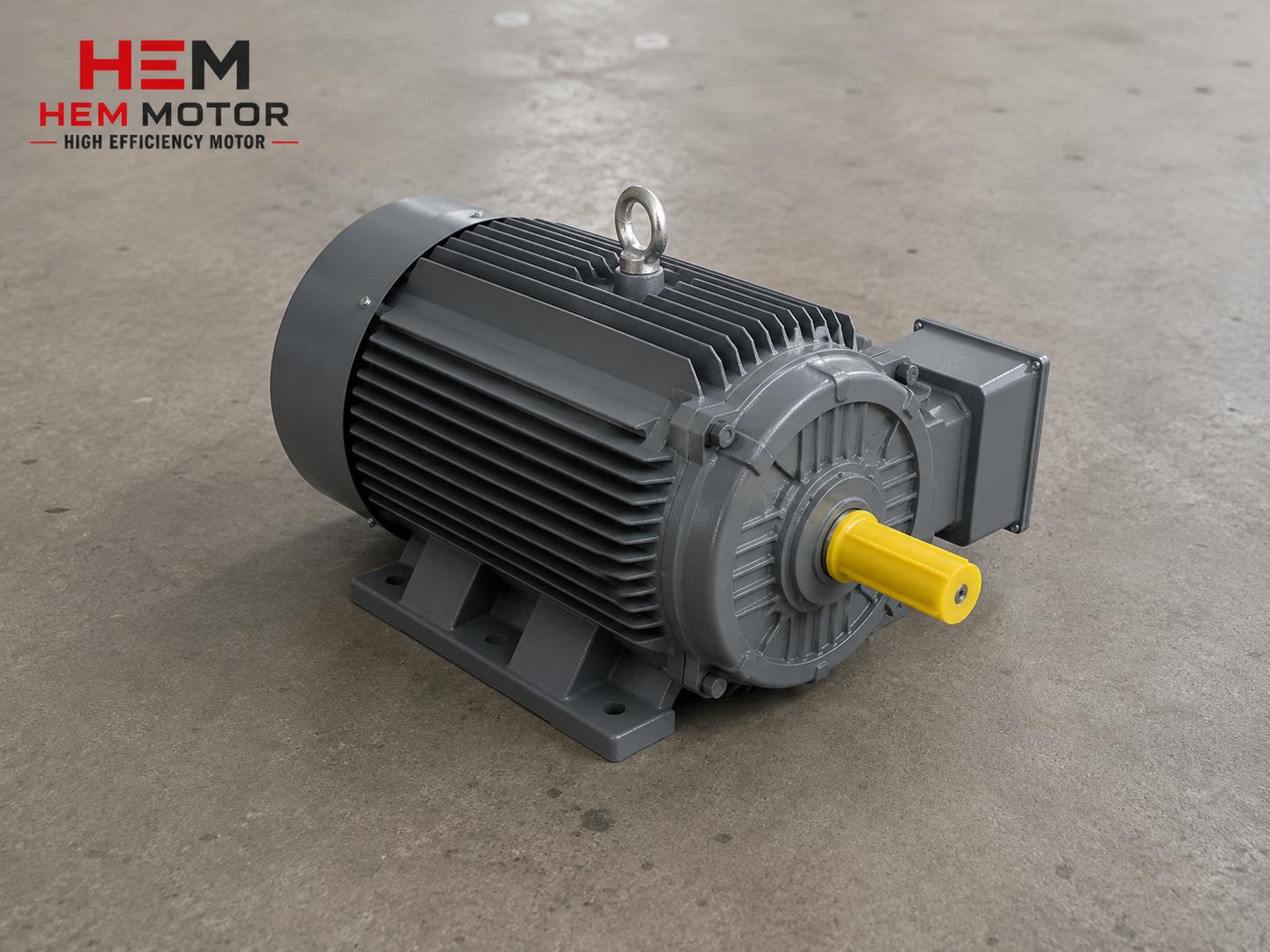

Battery and cell production relies on electric motors operating in a precise, continuous and often corrosive environment, from mixing the electrode paste to the coating line, from acid filling to formation and packaging. From the continuous torque of the paste mixer to the precise speed control of the coating line, from the corrosion risk of the acidic environment to the continuous operation of the ventilation fan, every machine demands a different motor profile. This article maps the motor requirements of a battery and cell production plant, IP protection and stainless solutions in acidic-corrosive environments, precise speed control with a VFD on the coating line, and correct power-protection class selection.
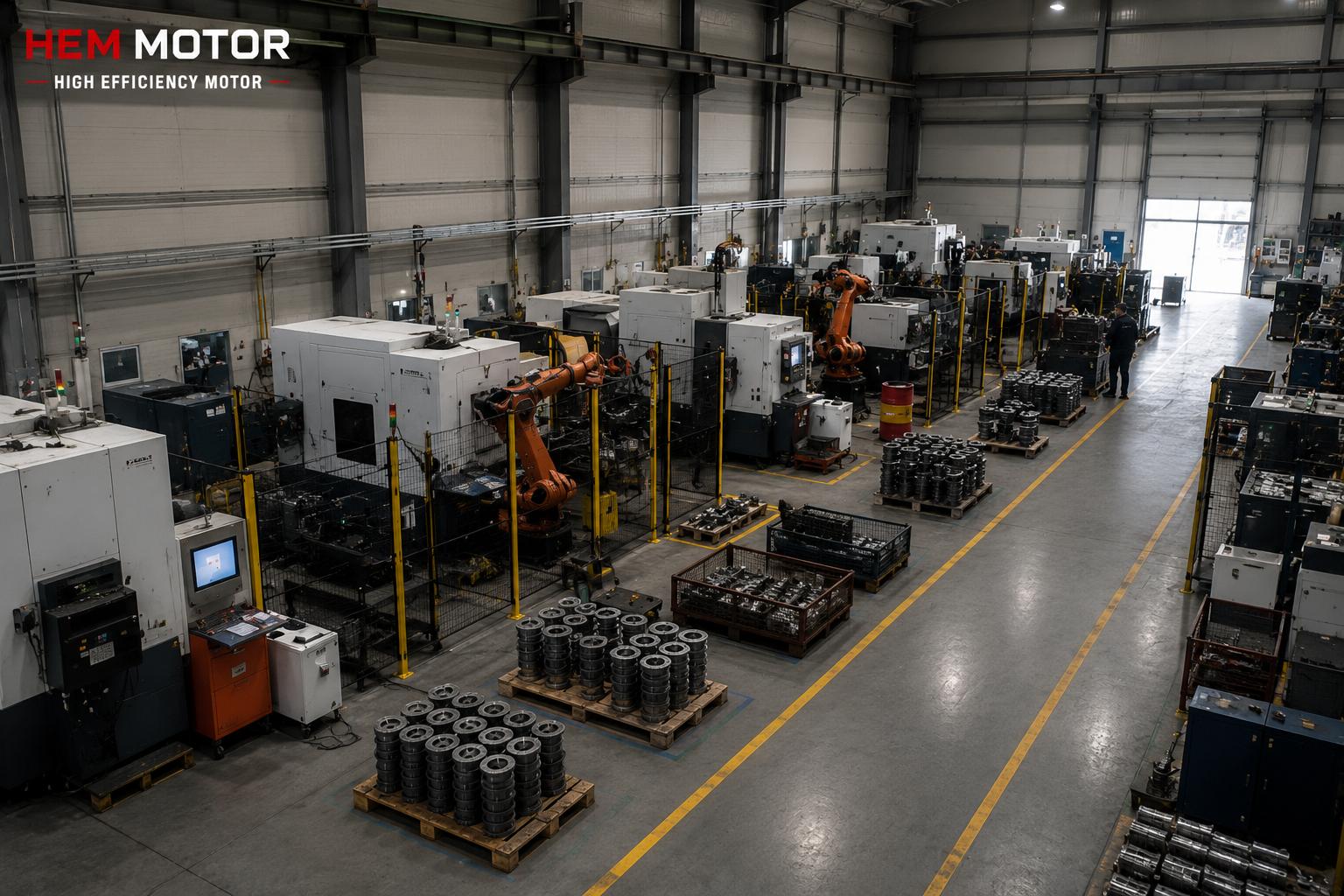
Motor Map in a Battery and Cell Plant
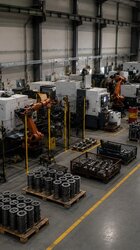
In a battery/cell production plant motors fall into three main groups: raw material preparation and mixing (paste/dough mixer), coating and line drive (coating, calendering, winding) and auxiliary systems (acid pump, ventilation fan, aspiration). The acidic and corrosive environment is the most important factor distinguishing motor selection in these plants from other sectors.
Paste/Electrode Dough Mixer: Continuous Torque
While the active material is turned into electrode paste, a dense and viscous mass is mixed. The mixer motor must run continuously (S1) with balanced torque; viscous material can create high and variable torque demand. These motors use 2.2 kW to 30 kW ratings and usually a reducer with low speed. The principles of our article on chemical and pharmaceutical factory mixer motors apply here too. For low speed-high torque a bevel helical reducer or worm gear reducer matching is preferred.
Coating Line: Precise Speed and VFD
While the electrode foil is coated with active material, the line speed and tension must be precisely controlled. Coating thickness directly determines product quality. Therefore the coating line drive motors run under precise speed control with a variable frequency drive (VFD). For adequate cooling even at low speed, force-cooled (independently ventilated) motors are preferred. Our articles on VFD with asynchronous motor and variable speed motor selection explain this application. Low vibration is also critical for coating quality; see our low-vibration motor article.
Acid Pump and Filling Line
Sulfuric acid and electrolyte are transferred to the filling line by acid pumps. In these pumps both the pump and the motor are exposed to a corrosive environment. Even if the motor does not contact the acid directly, acidic vapor and splash create a corrosion risk. Therefore IP65 protection and a stainless/corrosion-resistant surface protection are preferred. The principles of corrosion-resistant pump motor protection apply here. For pump power see our centrifugal pump motor selection article.
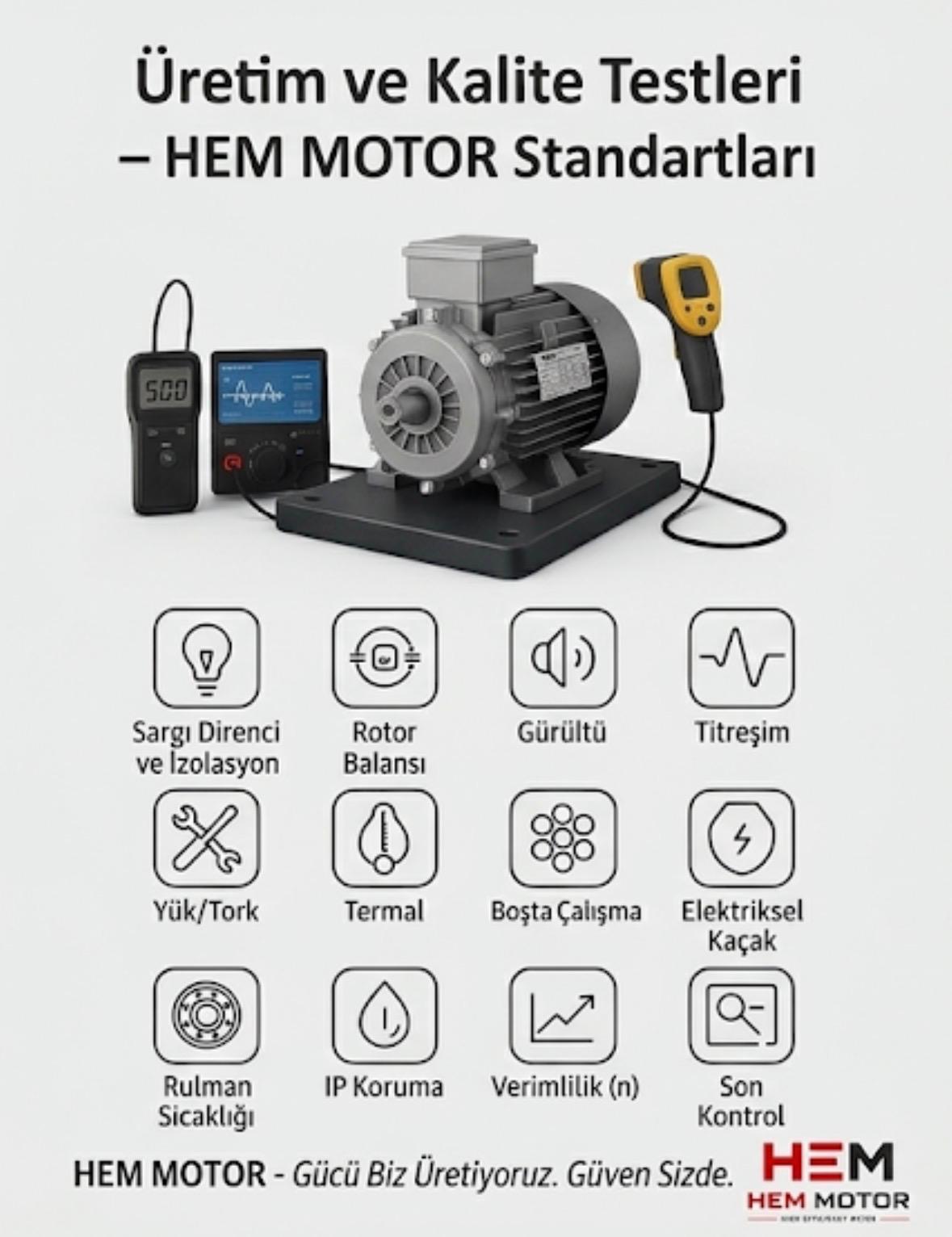
Acidic and Corrosive Environment: IP Protection and Surface
The most challenging aspect of a battery and cell plant is acidic vapor and a corrosive environment. This environment can rapidly corrode the frame, bearing and terminal box of a standard motor. Correct supply depends on protection class and surface protection selection.
IP65 and Corrosion-Resistant Protection
IP65 protection against acidic vapor and splash prevents moisture and particles from entering the motor. In addition, corrosion-resistant paint/coating, terminal box sealing and suitable bearing protection are important. Our articles on the IP65/IP66 protection strategy and cast iron motor corrosion protection explain corrosive environment logic. For terminal and cable connection sealing see our terminal box and cable connection guide.
Ventilation and Aspiration Fans
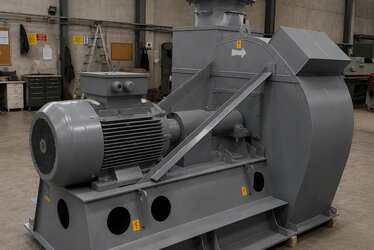
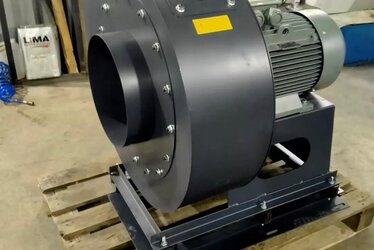
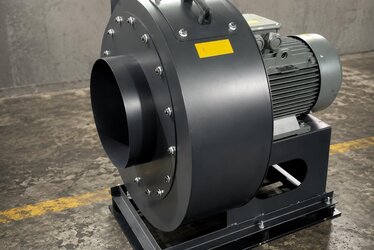
Exhaust of acidic vapor and ambient ventilation are critical for worker health and product quality. Ventilation and aspiration fan motors run continuously (S1) and can be exposed to corrosive vapor; therefore they are chosen as corrosion-resistant and at least IP55, preferably IP65. Our articles on aspirator and dust collection fan motor selection and centrifugal and axial fan motor selection explain correct power matching.
Power, Speed and Efficiency Class
Battery and cell plant motors range from 0.55 kW small dosing and filling drives to 90 kW large ventilation and mixing motors. Mixers commonly use low speed + reducer, the coating line variable speed with VFD, fans 1500/3000 rpm.
IE3 and IE4 Efficiency
Per regulation, IE3 is mandatory for 0.75-1000 kW and IE4 for 75-200 kW. In continuously running mixer and fan motors, high efficiency lowers energy cost. Our articles on IE3 vs IE4 investment and TCO calculation clarify the decision. For regulation see our IE3-IE4 efficiency mandate article.
Correct Sizing and Pole Selection
Correctly sizing mixer and fan motors is essential for both efficiency and reliability. Our articles on motor load ratio and correct sizing and 2/4/6-pole selection guide you.
Mounting, Mechanical Fit and Equivalent Selection
Mixer and coating drives are usually connected with a flange (B5/B14) reducer, fans with foot (B3) or combined (B35) mounting. When replacing an old motor, the mounting type selection and shaft diameter-key dimensions must match exactly. When replacing an old brand motor, use our equivalent motor selection guide. For the product range see our high efficiency electric motors and worm gear reducers pages.
Stock, Emergency Replacement and Hygiene
A coating line or mixer motor failure stops the production batch and causes a large loss. Spares of critical motors must be kept in stock. Our articles on the critical spare motor list and emergency replacement help with the stock plan. In terms of hygiene and cleaning, the principles of cleanable IP-protected motors are also valuable in corrosive plants.
Calendering, Winding and Formation Line Drives
The coated electrode is brought to the desired density by passing through a calendering press, then transferred to the winding and assembly line. Because calendering and winding drives require precise speed and tension control, VFD-driven motors are used. In formation (charge-discharge) and drying furnaces, circulation fans run continuously. Our article on variable speed motor selection: constant/variable torque helps you distinguish the load type of these drives. A bevel helical reducer is preferred for low-speed drives.
Energy Efficiency and TCO
A battery and cell plant continuously consumes energy with its mixer, coating and ventilation motors. High efficiency motors lower the annual energy cost under continuous load. On fans and pumps, flow adjustment with a variable frequency drive eliminates throttling losses. Our articles on high efficiency motor + VFD savings and TCO calculation explain how to calculate savings correctly. You can set improvement priorities across the plant with an energy efficiency audit and motor inventory.
Maintenance, Corrosion Monitoring and Bearings
In an acidic environment, the motor frame, terminal box and bearing must be checked regularly. If signs of corrosion are noticed early, motor life is preserved. Monitoring winding temperature with temperature sensors (PT100/thermistor) prevents unexpected failures. Positioning the motor away from the direct path of acidic vapor, in a well-ventilated location, also extends its life. Our articles on corrosion protection, motor protection devices and periodic maintenance schedule explain the maintenance plan in a corrosive plant.
Information Gathering and the Quote Process
In a plant with mixer, coating and fan motors such as a battery and cell plant, the technical data of each motor must be gathered for an accurate quote. The power (kW), speed, voltage, frame size, mounting type, shaft diameter, protection class (IP) and corrosion protection on the old motor nameplate are the key to selecting an equivalent. Our articles on information to provide when requesting a quote and nameplate matching explain what to clarify before ordering. For a motor with an unreadable nameplate, the catalog data table guides you.
Lead Time, Shipping and Commissioning
If a coating line or mixer motor is not in stock, the lead time must be planned; downtime in batch production causes a large loss. Our articles on from-stock delivery vs production order and the commissioning checklist help with this planning. To spot damage early at delivery, see our shipping damage checklist guide. In bulk orders, wholesale cost reduction provides an advantage.
Frequently Asked Questions
Which protection class motor should I buy for an acidic environment in a battery plant?
IP65 protection should be preferred in areas with acidic vapor and splash risk. IP65 prevents moisture and particles from entering the motor. In addition, a corrosion-resistant surface coating, a sealed terminal box and suitable bearing protection are important. Even if the motor does not contact the acid directly, acidic vapor can corrode the frame over the long term; therefore the protection class and surface protection should be evaluated together.
Why is a variable frequency drive (VFD) used on the coating line?
On the coating line the coating thickness and foil tension are directly related to line speed. The VFD provides the desired coating quality by precisely adjusting motor speed. Because self-cooling can decrease at low speed with a VFD, force-cooled (independently ventilated) motors are preferred. This keeps motor temperature safe even at low speed and maintains precise control.
What should I watch for in a paste mixer motor?
Electrode paste is a viscous and dense mass; the mixer can create high and variable torque demand. Therefore motors running continuously (S1), with sufficient power margin and usually at low speed with a reducer are preferred. For low speed-high torque a bevel helical or worm gear reducer matching is done. Due to the corrosive environment, at least IP55, preferably IP65 protection is recommended.
Get a Quote
We supply electric motors in the correct power, speed and protection class for the paste/electrode dough mixer, coating line drive, acid pumps and ventilation-aspiration fans of your battery and cell production plant, from stock and with fast delivery. For IP65-protected, corrosion-resistant, IE3/IE4 efficient motors suited to acidic-corrosive environments and VFD-compatible solutions, contact us: +90 (532) 345 49 86. For a fast quote reach us via our contact page.
Purchasing and Selection Checklist
- Machine and duty: Paste mixer, coating line, acid pump, ventilation fan listed separately.
- Power and speed: kW and rpm; reducer low speed for mixers, VFD variable speed for coating.
- Protection class: IP65 in acidic areas, IP55 in general areas.
- Corrosion protection: Corrosion-resistant surface, sealed terminal box.
- VFD compatibility: Drive-compatible windings and forced cooling on the coating drive.
- Efficiency class: IE3/IE4 per regulation; TCO advantage under continuous load.
- Mounting: B3/B5/B35; frame, shaft, key and flange dimensions for an old motor.
- Spare/stock: Stock plan for critical mixer and coating motors.