English
 Türkçe



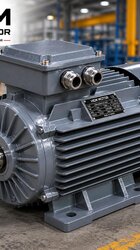
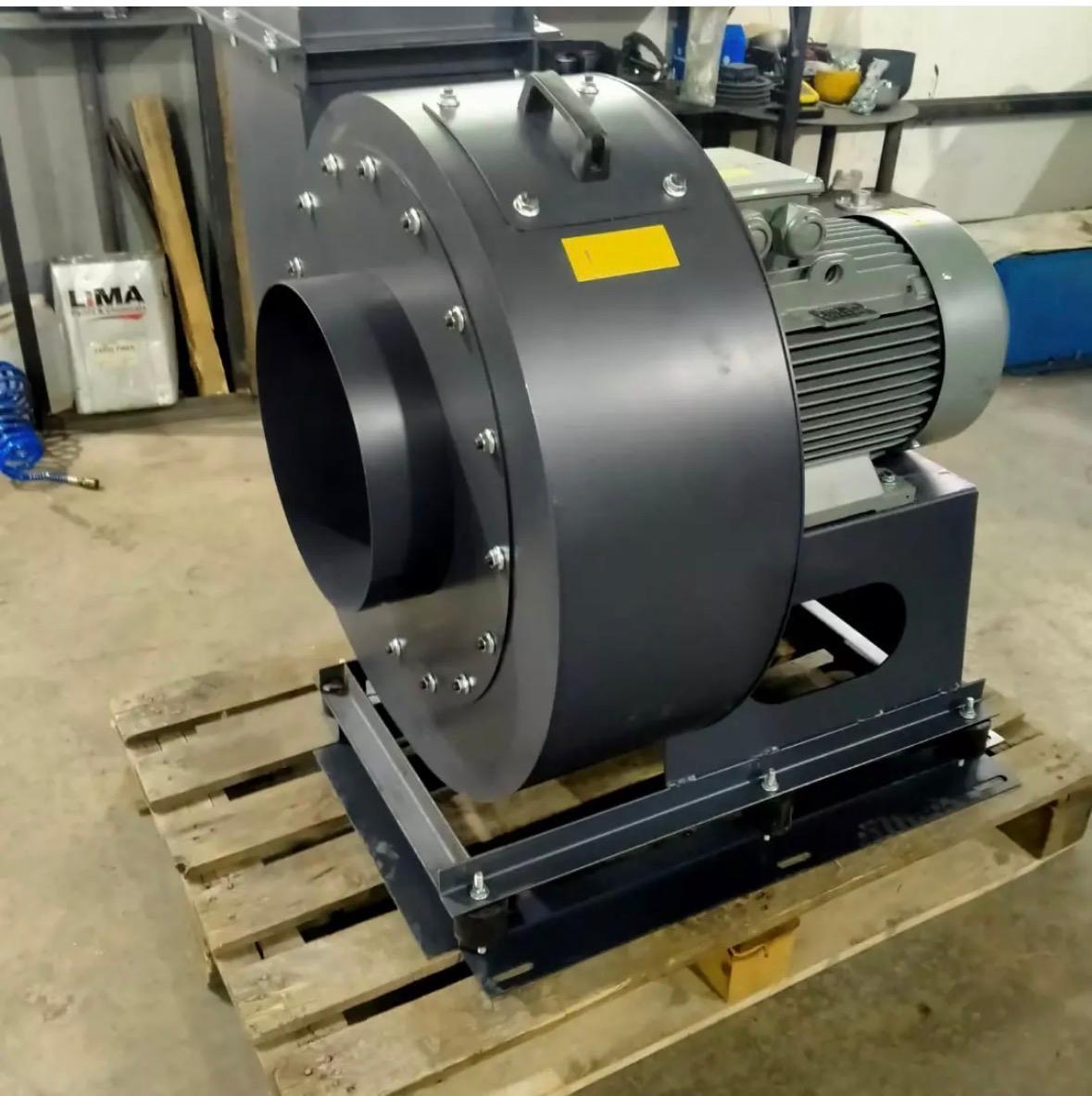

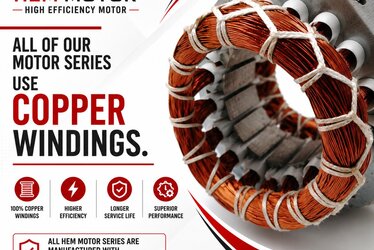
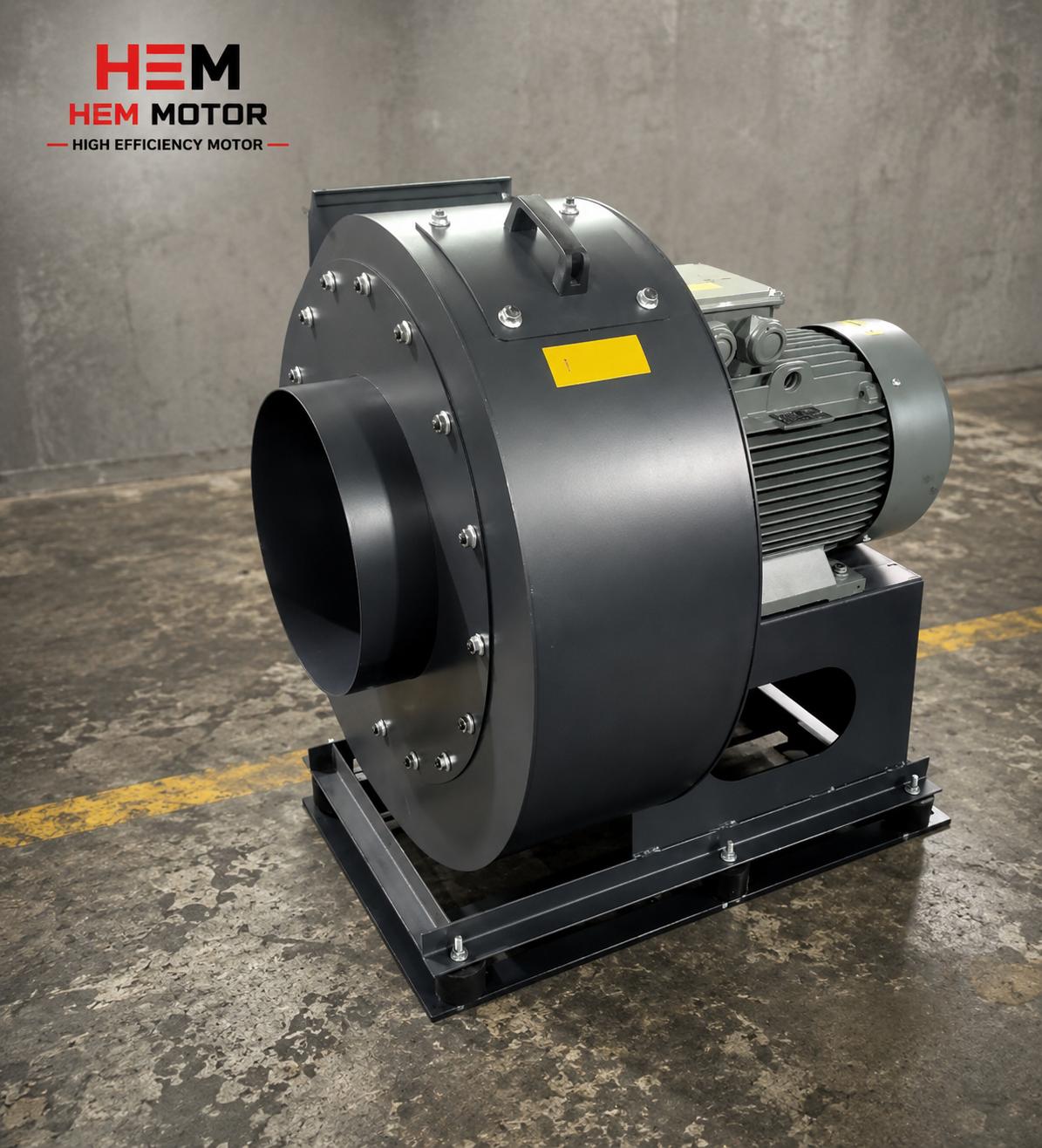
In pump and fan applications, most of your electricity bill is consumed by the motor. That is why pairing a high-efficiency motor with a variable frequency drive (VFD) delivers savings far greater than the sum of what each component would save alone. At HEM Motor, as both a manufacturer and supplier, we provide IE3 and IE4 efficiency-class asynchronous motors together with the frame, speed and mounting combinations suited to pump, fan and blower duties, all from a single source. In this article we explain, from a buyer perspective, why the energy saving multiplies under a variable-torque load (pumps and fans) with a VFD, which motor you should choose, and what to watch for when requesting a quote for the right package. Our goal is not a theoretical lesson but a clear roadmap for buyers who want to order the correct product to cut their bill. For a broader view, browse our High-Efficiency Motors category.
Why Does Energy Change So Fast With Speed in Pumps and Fans?
Pumps and fans are classified in engineering as variable-torque loads and follow the affinity laws. These laws directly affect your purchasing decision because they show how consumed power changes with speed:
- Flow is directly proportional to speed: halve the speed and the flow halves.
- Pressure (head) varies with the square of speed: at half speed the pressure drops to one quarter.
- Power (kW) varies with the cube of speed: reduce speed by 20 percent and the power drawn falls by roughly 50 percent.
Here is the critical point: if you slow a pump or fan by reducing motor speed rather than by throttling a valve or damper, the power drops with the cube of speed, so the saving is dramatic. That is exactly what a VFD does; it runs the motor at the flow you actually need instead of throttling the excess. This is why, in variable-flow pump and fan plants, a VFD usually pays back its investment within a few years.
Why Does Valve/Damper Throttling Burn Money?
In classic systems the motor always runs at full speed, and a valve or damper is closed to adjust flow. The motor keeps drawing nearly full power; part of the energy is simply turned to heat at the valve and wasted. A VFD eliminates this loss entirely by slowing the motor to the real demand. For correct flow-and-head sizing, our guide Centrifugal Pump Motor Selection: Flow, Head and Power Matching helps you build the load profile correctly.
Why Do the Savings Multiply When Efficiency Meets the Drive?
Two separate gains stack here and the total saving becomes a multiplier effect:
- First gain — the motor's own efficiency: an IE4 Super Premium motor markedly reduces losses compared with an old standard motor. It does the same work drawing less electricity, and this gain is continuous every hour the motor runs.
- Second gain — speed optimization with the drive: the VFD adjusts flow through speed, so by the affinity law power falls with the cube. Since your plant rarely runs at full flow (nights, shoulder seasons, low-demand hours), this gain is active for most of the day.
The two gains multiply each other: run a more efficient motor while slowing it to real demand, and you get both lower losses every hour and far lower power most hours. That is why, for pumps and fans, the right choice is to buy an IE4 motor together with a suitable VFD. For the technical detail of drive selection, see our guide VFD with an Asynchronous Motor: When It Is Needed and How to Choose.
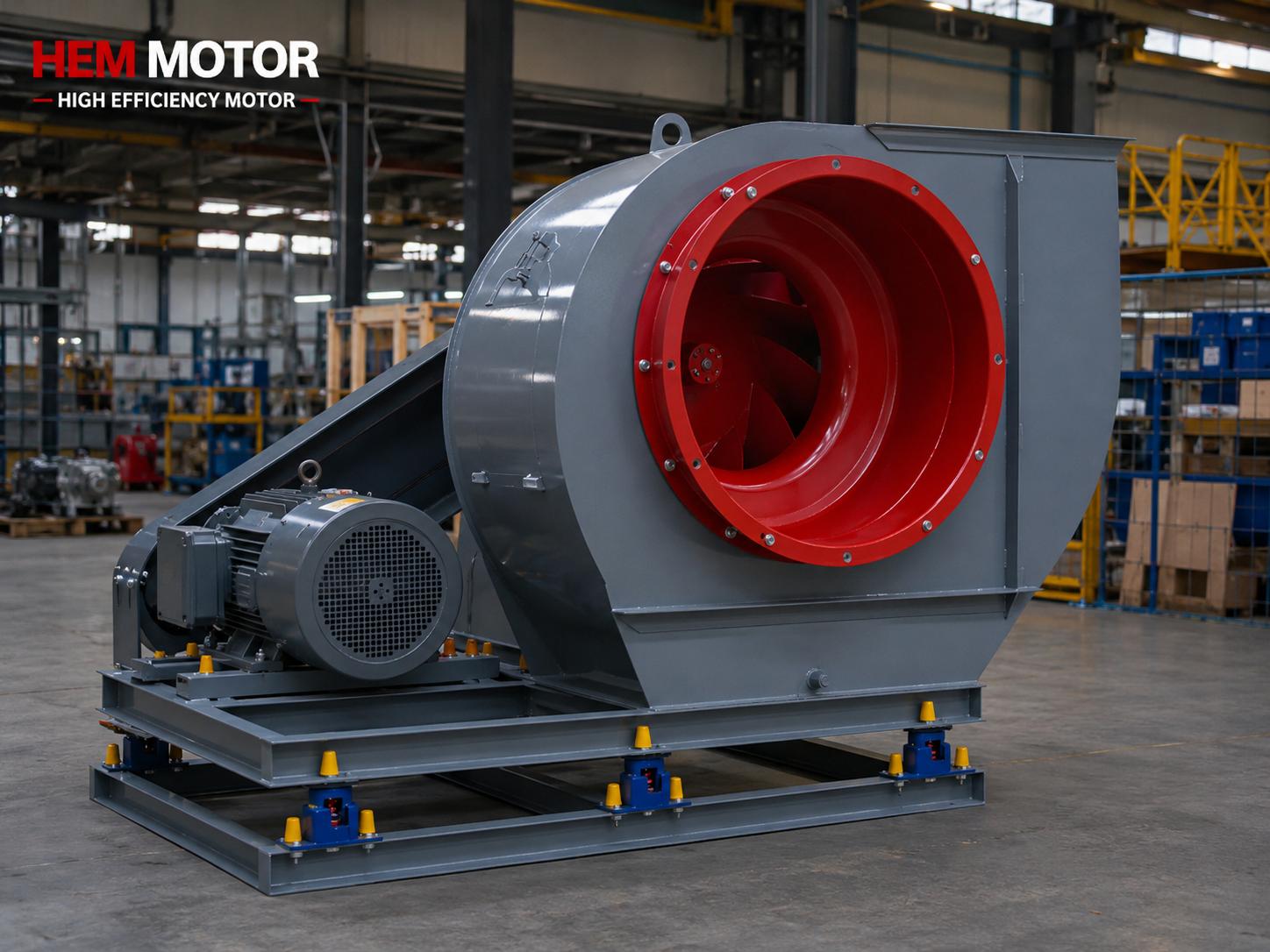
Which Motor to Choose? IE4 + Drive-Compatible Frame
When choosing a motor to run with a VFD you should request a motor consistent with catalog values and suited to drive supply. Key features of HEM Motor's pump and fan range:
- Efficiency class: IE4 Super Premium (IE3 Premium where needed). IE4 cuts the bill the most.
- Power range: 0.25 kW to 355 kW; from small circulation pumps to large process fans.
- Speed: 1000 / 1500 / 3000 rpm. Pumps usually use 1500 and 3000 rpm; large quiet fans favor 1000 rpm.
- Frame: cast iron for high mechanical strength and long life. See frame options on our high-efficiency electric motors and IE4 electric motor product pages.
- Protection and insulation: IP55 protection, class F insulation; suited to dust, moisture and continuous duty.
- Mounting: B5/B14 flange or B3 foot on pumps, B3/B5/B35 on fans. Pick the right mounting from our mounting types page.
Cooling and Low-Speed Risk When Running on a Drive
If you run a three-phase asynchronous motor on a drive at low speed for very long periods, the cooling from the motor's own shaft fan weakens. In that case a separately (independently) ventilated frame or thermal protection should be requested. The cooling design of an IE4 motor is already optimized to support efficiency; for detail see Cooling and Fan Design in IE4 Motors. To protect the motor by monitoring winding temperature, add PT100 and PTC thermistor monitoring options to your quote.
Which Applications Gain the Most from IE4 + VFD?
Savings are highest where flow varies through the day and the machine runs many hours:
- Booster and circulation pumps: building water demand changes constantly, so the drive stays active every day.
- HVAC fans and air handlers: air flow changes with season and occupancy; our HVAC project fan motor supply article helps plan bulk purchasing.
- Blowers and dust collection: line load varies; see our blower and dust collection fan motor selection guide.
- Water and wastewater treatment: blower and pump flow follows the process.
To learn which power crosses the IE4 threshold in pumps, fans and compressors, our IE4 Threshold for Pump, Fan and Compressor article clarifies the regulatory side. To see the return on investment, review the Total Cost of Ownership (TCO) calculation and the payback period of replacing an old motor with IE4.
Why Are Savings Different on a Constant-Torque Load?
An important buyer warning here: the cube-law saving from slowing speed with a VFD applies only to variable-torque loads (pumps, fans, blowers). On constant-torque loads such as conveyors, crushers, mixers and extruders, power falls linearly with speed, not with the cube. Slowing a conveyor with a VFD still saves energy, but not as dramatically as on a pump. So the investment that returns the most for your budget is the IE4 + drive combination on variable-torque pumps and fans. To identify which class your load falls into, our article Motor Selection for Variable-Speed Applications: Constant or Variable Torque? clarifies the right choice.
If you still want to increase savings on constant-torque applications, the most direct gain comes from raising the motor's efficiency class. Here an IE4 motor runs with lower losses than a standard motor every hour, cutting the bill even without a drive. For the right power-speed match, see our guide on how heavily to load a motor and correct sizing; an oversized motor harms both the investment and efficiency.
Example Scenario: The Size of the Saving on a Cooling Fan
Consider a plant's process cooling fan. For most of the year the fan does not need full flow given the heat load; average demand is roughly 80 percent of full flow. In a classic damper system the motor still runs at full speed and draws nearly full power. With a VFD system, the fan speed is reduced to about 80 percent. Because power falls with the cube of speed under the affinity law, the motor draws only about half the full power. So by cutting speed just 20 percent, power consumption nearly halves. Add the efficiency gap an IE4 motor provides over a standard motor, and the drop in the annual energy bill becomes very pronounced.
This simple scenario shows why adjusting flow with a valve or damper is costly in the long run. Every continuously running pump or fan with frequently changing flow holds similar potential. Send us the real operating profile at your plant and we will jointly evaluate a saving estimate specific to your application and the right IE4 motor + drive combination. When renewing your existing motor, to keep mechanical compatibility our article on frame, foot and shaft compatibility in the IE4 transition also makes the job easier.
Information to Prepare Before Requesting a Quote
So we can price an IE4 motor and a suitable drive quickly and correctly for your pump or fan application, we recommend having this information ready:
- Motor power (kW) and speed (rpm): read it from the pump/fan nameplate or the existing motor nameplate. Our article on reading the IE3 motor nameplate helps.
- Mounting type and frame size: B3 foot, B5/B14 flange or B35 combined. To avoid the wrong mounting, use the exact nameplate matching checklist.
- Operating profile: how many hours per day and across which flow ranges? This lets us calculate the drive's saving potential.
- Ambient conditions: temperature, dust, moisture and IP protection need. Our cast iron IE4 frame with IP55 suits harsh environments.
- Drive compatibility: state if there is long-duration low-speed running; we will recommend independent cooling or thermal protection.
To speed up the quote, you can also use the checklist in our article information to provide when requesting a quote. Whether to supply the right motor from stock or by production order is clarified in our stock delivery vs production order article.
Frequently Asked Questions
Will I save if I only add a drive without changing my existing standard motor?
Yes, adding a VFD alone already removes valve/damper throttling losses and delivers significant savings in variable-flow applications. However, if the motor's own efficiency is low you lose part of the gain. For the highest saving, renew the motor with IE4 and run it together with the drive; because the two gains stack, the total saving rises markedly. Contact us for a quote so we can evaluate the right package together.
Does every motor run on a VFD?
A standard three-phase asynchronous motor can run on a drive, but if it will run at very low speed for long periods it is safer to request a drive-rated (inverter-duty) motor for cooling and insulation reasons. HEM Motor's IE4 range, with class F insulation and IP55 protection, suits drive applications; tell us your operating speed range and we will recommend the right frame.
How quickly does a VFD investment pay for itself?
Payback depends on motor power, daily running hours and how much the flow varies. In continuously running pump/fan applications with frequently changing flow, the investment usually pays back within a few years. Send us your operating profile and we will prepare a concrete supply quote for an IE4 motor and a suitable drive.
Get a Quote
Let us plan an IE4 high-efficiency motor + VFD package together for your pump, fan or blower application. Send us the power (kW), speed (rpm), mounting type (B3/B5/B35) and your daily running hours; we will select the right frame and offer a fast supply quote. Reach us now at +90 (532) 345 49 86 or send your request via our contact page. HEM Motor is at your side as manufacturer and supplier.