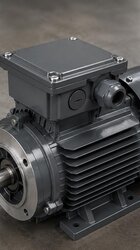
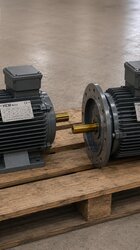
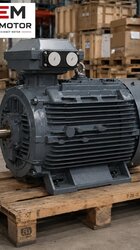
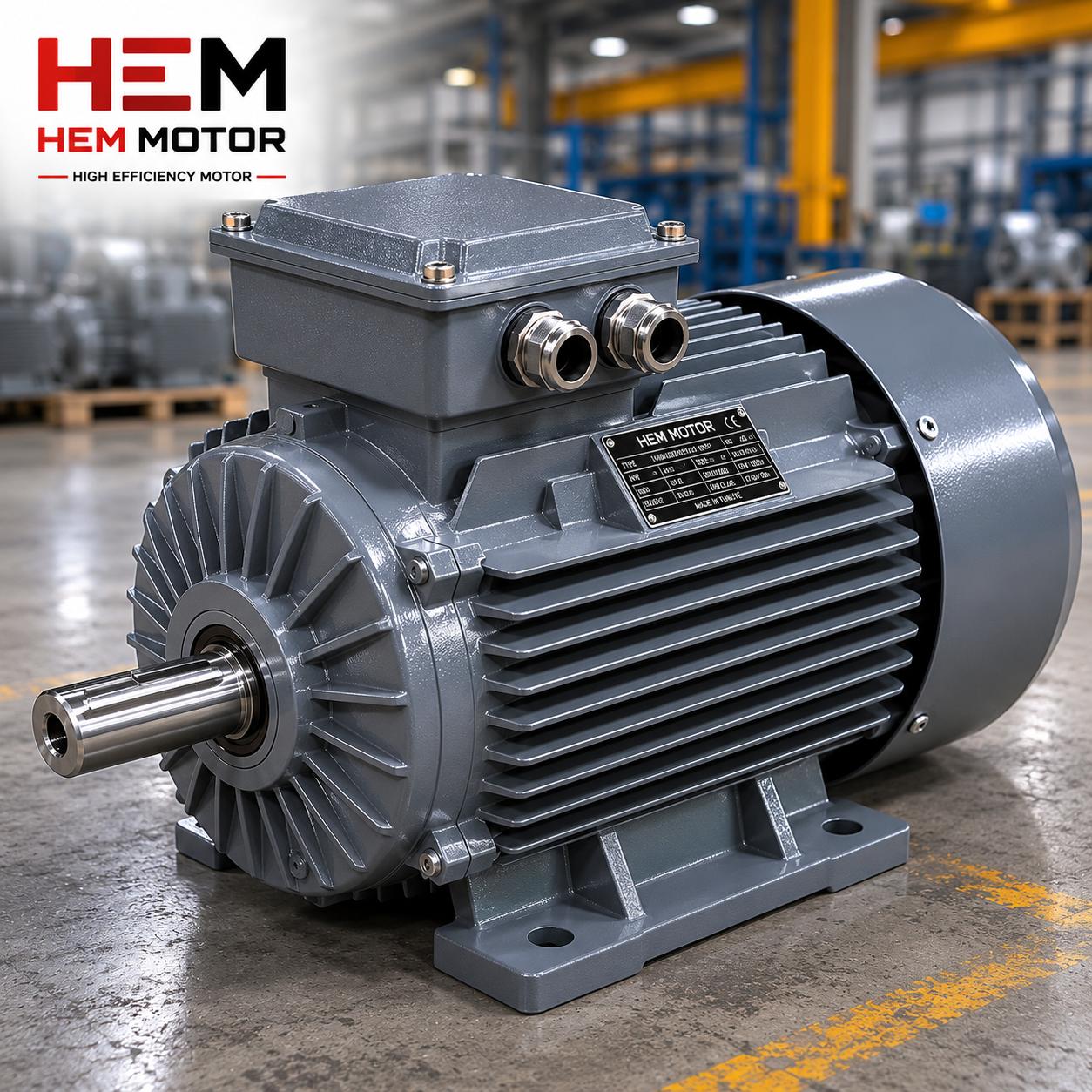
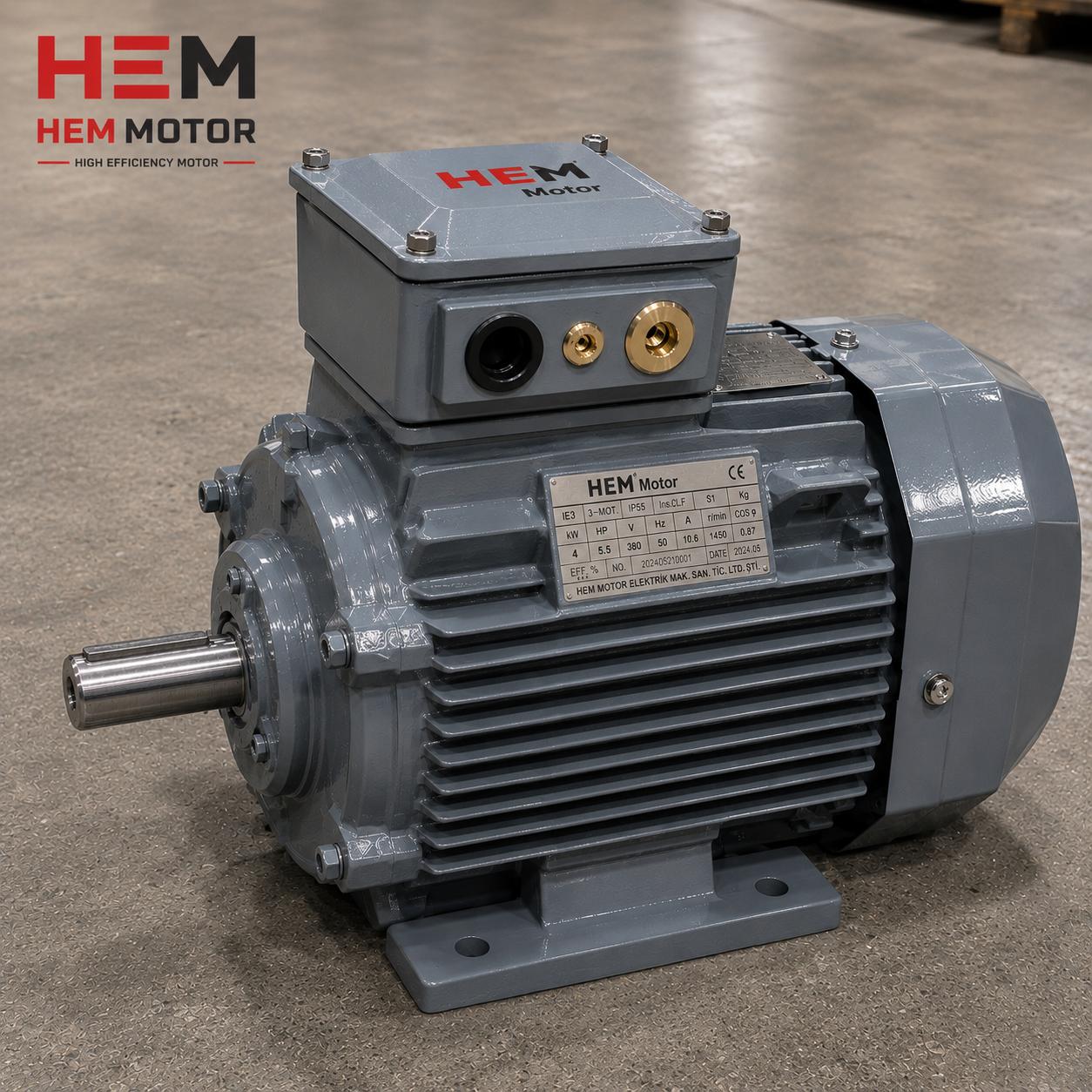
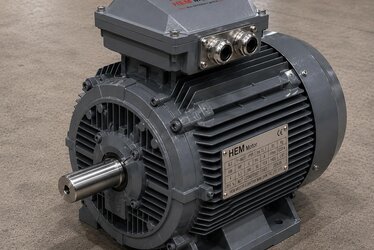
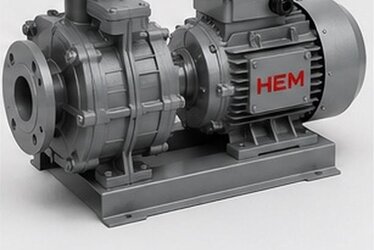
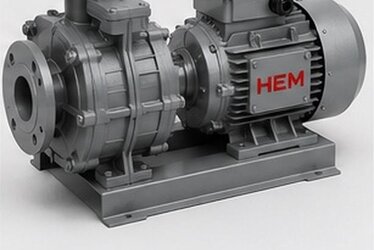
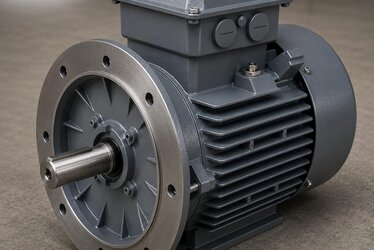
"Is an IE3 motor mandatory, do I need to replace my old motor?" This question has been on the agenda of every business owner making a purchasing decision in recent years. Because the efficiency class is no longer just a preference but, at certain powers, a legal requirement. Ordering a motor in the wrong class means both non-compliance with regulation and unnecessary energy consumption. In this article we explain clearly, with the real regulatory timeline, which power must be IE3 or IE4 from which date; this way you can order the motor in the right class the first time.

As HEM Motor, we have been manufacturing since 1979, and the electric motors in our range can be supplied quickly from our Turkiye stock in current efficiency classes. After reading the timeline below, you will clearly see whether the motor you have is compliant and whether a renewal is needed. In this article we do not make a kWh-based amortization calculation; we cover that subject in a separate analysis and provide a link to the relevant place.

First a brief reminder: the IE (International Efficiency) classes show how much less energy a motor uses to do the same job. As the number grows, efficiency increases: IE1 standard, IE2 high, IE3 premium, IE4 super premium. In other words, an IE4 motor produces the same power with less loss than an IE2 motor. What the regulation does is raise the minimum class in certain power bands, limiting the new sale of low-efficiency motors in the market. Grasping these classes and the difference between them is the first step in understanding which motor is legally compliant.

IE3 and IE4 efficiency class mandate regulation timeline and power thresholds

The Basis of the Regulation: Ecodesign 2019/1781

At the foundation of the efficiency requirement lies the EU Ecodesign Regulation 2019/1781. This regulation replaced the previous 640/2009 and set minimum efficiency levels for both direct-on-line (DOL) low-voltage asynchronous motors and variable-speed drives. The implementation came into force in two stages: 1 July 2021 and 1 July 2023. The implementation in the Turkiye market also proceeds in parallel with this framework.

From 1 July 2021: The IE3 and IE2 Thresholds

The first stage came into effect as of 1 July 2021 and introduced two basic rules according to the power range:

  • At least IE3 mandatory for DOL motors between 0.75 kW - 1000 kW: 2, 4, 6 and 8-pole, direct-on-line three-phase single-speed motors are within this scope. So your standard industrial motors in this range must now be in the IE3 (Premium) efficiency class.
  • At least IE2 mandatory between 0.12 kW - 0.75 kW: In this smaller power band, the minimum class is IE2.

This threshold is very important in practice because it directly covers the power range most used in industry (above 0.75 kW). Almost all of a typical pump, fan, conveyor or asynchronous motor application falls within this scope.

Note the term "DOL" here: DOL (Direct On Line) means running the motor directly from the grid, without any speed control device. The requirement primarily targets these directly running motors. For systems running with a frequency inverter (VFD), the regulation introduces separate rules for the drive side; however, the motor itself must still meet the mandatory efficiency class. So the approach "I run it with an inverter, I can buy a low-class motor" is not correct. In short, requesting the IE3 class on a new motor above 0.75 kW that you will buy is now standard.

From 1 July 2023: The IE4 Threshold and Single-Phase

The second stage introduced additional obligations as of 1 July 2023:

  • At least IE4 mandatory for 2/4/6-pole motors between 75 kW - 200 kW: Motors in this high-power band must now be in the IE4 (Super Premium) class. In other words, large pumps, fans and main drive motors are the target of this rule.
  • At least IE2 mandatory for single-phase motors above 0.12 kW: Before this date there was no efficiency restriction on single-phase motors; as of 1 July 2023, the IE2 requirement was introduced for them too.

For this reason, if you are going to buy a large motor especially in the 75-200 kW range, you need to target the IE4 high-efficiency electric motors class directly. To see the effect of the IE4 threshold on application in more detail for pumps, fans and compressors, you can review our IE4 threshold in pumps, fans and compressors article.

It is also worth touching on the single-phase side: small-power, single-phase (220 V) motors were outside the efficiency restriction for a long time. As of 1 July 2023, with the IE2 requirement coming to single-phase motors above 0.12 kW, small workshop and light-application motors were also included in this framework. So it is now appropriate to ask about the minimum efficiency class even when buying a small single-phase motor. This change shows that the efficiency policy is moving toward covering not only large industrial motors but the entire motor range.

IE4 motor requirement between 75-200 kW and IE2 motor CE marking status

The Relationship Between Pole Count and Efficiency Class

The regulatory thresholds cover "2, 4, 6 and 8-pole" motors. The pole count determines the motor's speed: 2 poles around 3000 rpm, 4 poles 1500 rpm, 6 poles 1000 rpm, 8 poles around 750 rpm. The 4-pole (1500 rpm) motors, most common in industry, are already right in the middle of the requirement scope. When ordering, you need to specify not only the power but also the pole count (speed); because at the same kW power, motors exist at different speeds, and the efficiency class is provided separately for each speed. We addressed in detail which pole-count motor to choose for which job in our 2, 4, 6-pole selection guide. To correctly apply the efficiency class requirement, it is essential to know both the power and the speed of the motor.

Can an IE2 Motor Still Be Sold? The CE Marking Issue

This is one of the subjects that most affects the purchasing decision. IE2 class DOL motors can no longer be placed on the market with the CE marking, even if used together with a variable-speed drive. A motor or drive that cannot obtain the CE marking cannot be offered on the European market. This is the clear answer to the question "I have an IE2 motor, can I still use it, can I buy IE2 from stock": for a new purchase in the mandatory power band, IE2 is no longer suitable; new purchases require IE3 (or IE4 depending on the scope).

You can continue using your existing, running IE2/IE1 motor; the requirement is for products newly placed on the market. However, when the motor burns out or it is time for renewal, the motor you put in its place must be in the current class. When replacing an old motor exactly, it is wise to also plan a class upgrade.

At this point a frequently encountered hesitation is this: "My old motor is IE1 but still works; will the new IE3 seat onto the same frame, the same connection?" The answer is generally yes. The IEC frame dimensions (frame size, shaft diameter, flange type) are standard; an IE3/IE4 motor of the same power and speed physically seats in place of the old motor. As the efficiency class increases, the frame size may change by one step in some models, but for most standard powers an exact replacement is possible. That is why you do not need to redesign the machine from scratch to upgrade the class; you can move to the current class by preserving the right power, speed and connection type.

The Implementation Timeline in Turkiye

In Turkiye regulation, the efficiency class requirement has risen gradually. Looking at the past timeline: from 2 April 2012 IE2, from 1 January 2015 IE3 in the 7.5-375 kW range, and from 1 January 2017 IE3 in the 0.75-375 kW range became mandatory. With the current Ecodesign framework, from 1 July 2021 IE3 for 0.75-1000 kW DOL motors and from 1 July 2023 the IE4 requirement in the 75-200 kW range are in force. This gradual structure targets the industry's transition to ever more efficient motors.

The practical conclusion from this timeline is this: over the years the threshold has both widened in terms of power range and risen in terms of class. When making a purchasing decision today, the answer to the question "what is the currently mandatory minimum class" is IE3 for most industrial motors and IE4 at high powers. Since the direction of the regulation is always toward higher efficiency, in borderline cases preferring the higher class (for example IE4 instead of IE3) is both a future-proof safe choice and a sensible investment in terms of energy saving. Especially for long-lived motors that will run continuously, this forward-looking choice amortizes itself amply.

Regulatory Thresholds Summary Table

  • 0.12 - 0.75 kW: at least IE2 (1 July 2021)
  • 0.75 - 1000 kW DOL: at least IE3 (1 July 2021)
  • 75 - 200 kW: at least IE4 (1 July 2023)
  • Single-phase above 0.12 kW: at least IE2 (1 July 2023)
  • IE2 DOL motor: cannot be offered for new sale with the CE marking

Is My Old IE1/IE2 Motor Compliant, Should I Renew It?

The practical decision is made with this logic:

  • If the motor is running and not in the mandatory band: No urgent renewal is required; you can continue using the existing motor.
  • If the motor is in the mandatory band and there is a renewal/failure situation: A motor in the current class (IE3 or IE4) should be bought in its place.
  • If the motor runs continuously and is old/low-efficiency: Even if the regulation does not force it, early renewal often amortizes itself in terms of energy saving.

If you want to see the saving and payback calculation in this last item numerically, we addressed the kWh-based amortization analysis in a separate article: the payback period of replacing an old motor with IE4. As for which is the right investment for you between IE3 and IE4, we compared it in our IE3 or IE4 article.

Energy Efficiency Audit and Motor Inventory

Industrial facilities above a certain size are subject to an energy efficiency audit. In these audits, the facility's motor fleet, the power, speed and efficiency class of each motor are reviewed. If the proportion of low-efficiency (IE1/IE2) motors is high, a renewal plan is requested in terms of both regulatory compliance and saving potential. For this reason, smart businesses draw up a motor inventory without waiting: which motor is how many kW, how many poles, which class and for how long it runs. Thanks to this inventory, a gradual renewal is made by first prioritizing continuously running, low-efficiency motors. This way, you are both ready for the audit and the budget is used starting from the motors that give the highest return. Reading the nameplate information correctly is critical when drawing up the motor inventory; ordering the wrong motor with incomplete information loses both time and money.

Where Do You Source the Motor in the Right Class?

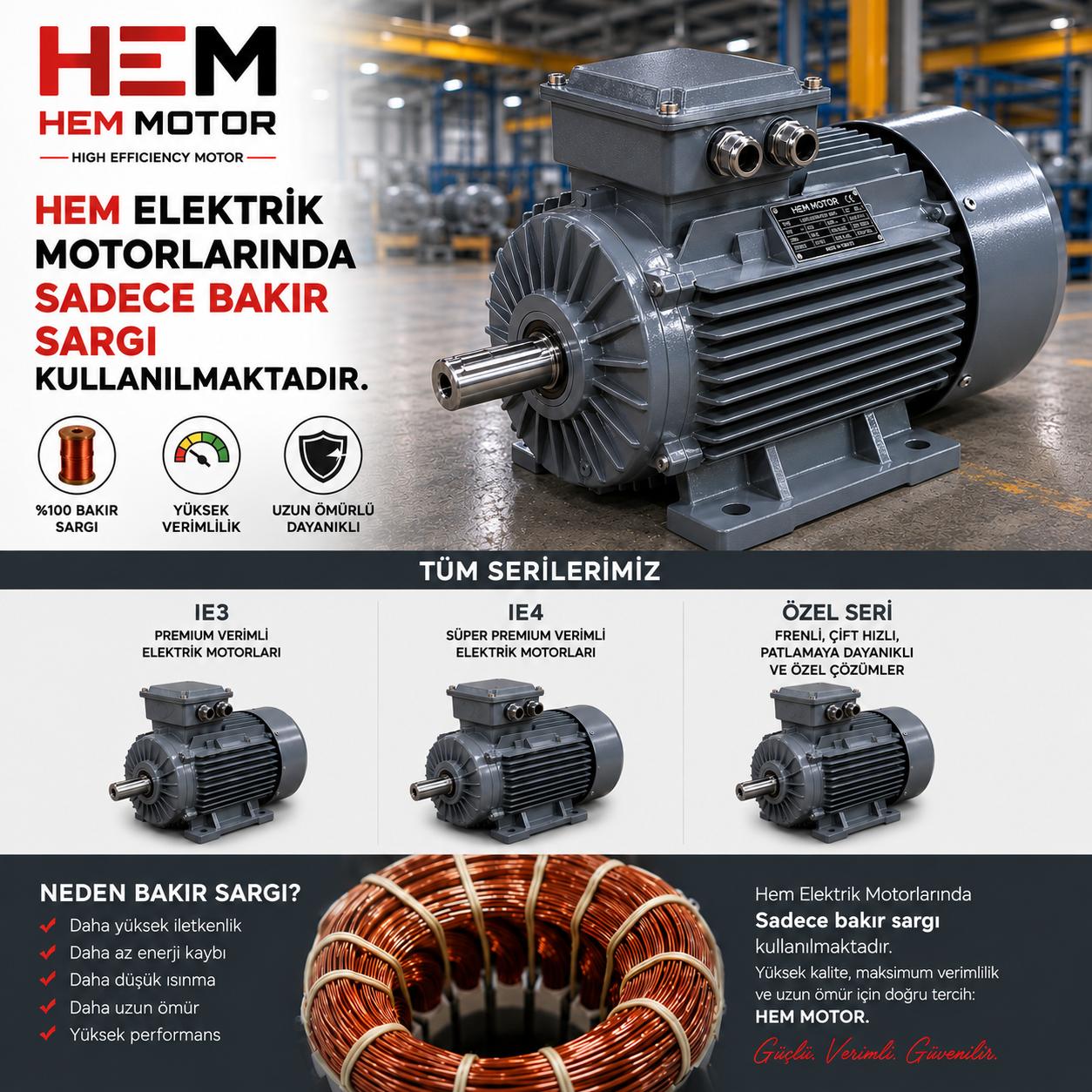
The HEM range includes both IE3 efficient electric motors and IE4 super premium motors. You can choose the IE3 class for standard industrial applications, and the IE4 class for applications requiring high efficiency and in the 75-200 kW band. You can review the entire efficient motor family in our IE3 electric motors category and reach motors that are compliant with regulation, with 100% copper winding and ready for delivery from stock. We compiled the most sought-after IE3 power and speed combinations in our IE3 stock guide.

Frequently Asked Questions

At which powers and since which date is an IE3 motor mandatory?

As of 1 July 2021, at least the IE3 efficiency class is mandatory for 2, 4, 6 and 8-pole, direct-on-line (DOL) three-phase single-speed motors in the 0.75 kW - 1000 kW range. In the 0.12 kW - 0.75 kW range, at least IE2 is required. So almost all motors above 0.75 kW, the most used in industry, must now be IE3. Requesting the right class by observing this threshold in your new purchases provides both regulatory compliance and energy efficiency.

Is IE4 mandatory for motors between 75-200 kW?

Yes. As of 1 July 2023, it became mandatory for 2, 4 and 6-pole motors in the 75 kW - 200 kW range to be in at least the IE4 (Super Premium) efficiency class. If you are going to buy a new motor in this power band, you should target the IE4 class directly. In the HEM range, IE4 motors in this range can be supplied with a cast iron frame and 100% copper winding.

Can I continue using the IE2 motor I have?

You can continue using an existing and running IE2/IE1 motor; the efficiency requirement applies to products newly placed on the market and does not introduce a retroactive removal obligation for already installed motors. However, when the motor burns out or it is time for renewal, the motor you put in its place must be in the current class (IE3 or, depending on scope, IE4). Also, since IE2 motors can no longer be offered for new sale with the CE marking, it is not possible for you to source a new IE2 motor in the mandatory power band.

How do I tell the efficiency class from the motor nameplate?

On the information nameplate (rating plate) on the motor frame, the efficiency class is usually written clearly as "IE2", "IE3" or "IE4"; next to it you also see the power (kW), speed (rpm), voltage (V) and frame type. If the IE class is not written on your nameplate, this motor is most likely an old IE1 (standard efficiency) model and should be put on your renewal agenda. When making a new purchase, the presence of the IE3 or IE4 mark on the nameplate is documentation both of regulatory compliance and that you received the class you requested. Reading the nameplate information correctly is also the basis of ordering the right motor.

Get a Quote

Tell us what power and what class of motor you need; let us quickly match a regulation-compliant IE3 or IE4 motor from our Turkiye stock and present a quote. With manufacturer assurance since 1979, you source the motor in the right class and the right power the first time. Call our line at +90 (532) 345 49 86 right away, or reach us through our contact us page.